After a remarkable sixteen-year tenure, Paul Mayne, the visionary founder of the iconic journaling platform Day One, has officially announced his departure from both the company he created and its parent organization, Automattic. This transition marks the end of an era for the digital diary space—a category Mayne essentially pioneered and perfected. As the Day One team prepares for this leadership pivot, the industry is reflecting on the profound impact Mayne had on how millions of people document their lives in the digital age.
The Architect of Memory: A Legacy of Reflection
When Paul Mayne first launched Day One in 2011, the concept of "digital journaling" was largely relegated to basic text files or clunky blog platforms. Mayne, however, approached the problem with a designer’s eye and a philosopher’s soul. He posited that personal history was not merely a collection of data, but a sacred repository of the human experience that deserved to be treated with elegance, beauty, and absolute privacy.
Mayne’s influence on the product went beyond the UI/UX; it was deeply personal. A prolific writer himself, Mayne has amassed a personal archive of over 50,000 journal entries. This "practicing what you preach" philosophy allowed him to iterate on the product with a level of intuition that few founders possess. He understood that for a journaling app to be successful, it had to remove friction. Whether it was the implementation of metadata—automatically capturing location, weather, and activity—or the introduction of end-to-end encryption, every feature was designed to make the act of reflection as seamless as it was secure.
A Chronology of Growth: From Independent Startup to Automattic
To understand the significance of Mayne’s departure, one must look at the trajectory of Day One over the past decade and a half.
- 2011: The initial launch of Day One on the Mac App Store. It quickly gained traction for its minimalist design and became a staple for Apple enthusiasts who valued aesthetic software.
- 2013-2016: Day One undergoes major iterations, moving from a single-device experience to a robust, cloud-synced ecosystem. The introduction of the Day One Sync service cemented its position as the market leader.
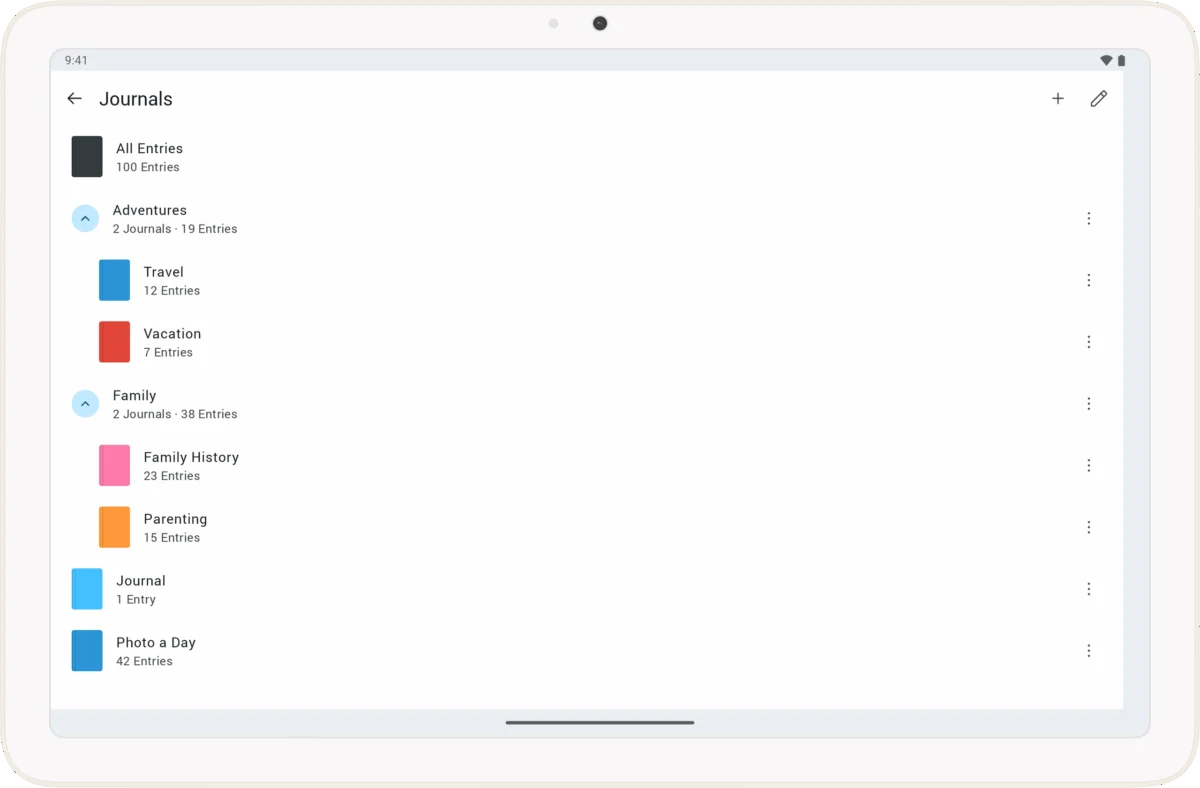
- 2016: The release of Day One 2, a significant architectural overhaul that modernized the app’s codebase and introduced support for multiple journals, photos, and improved tagging.
- 2021: A landmark year for the company. Day One was acquired by Automattic, the powerhouse behind WordPress.com and Tumblr. At the time, Mayne expressed that the acquisition was not an exit, but a strategic move to ensure the app’s longevity. He famously stated his desire to build a "lasting home" for memories, looking beyond his own involvement to the endurance of the product itself.
- 2024: The announcement of Mayne’s departure. After three years of integration within the Automattic ecosystem, Mayne has decided it is time for the next chapter of his career, leaving the app in the hands of a dedicated team.
Supporting Data: The Scale of the Digital Diary
The scale of Day One’s impact is staggering. While user counts are often kept private, the app has consistently remained a top-grossing and high-ranking utility in the Apple App Store for over a decade. It has served as a digital vault for millions of entries.
According to data insights shared during the acquisition, the app has facilitated the preservation of hundreds of millions of photos and millions of hours of writing. Perhaps more importantly, it has set the industry standard for privacy. In an era where data harvesting is the business model for most consumer tech, Day One’s steadfast commitment to end-to-end encryption—where not even the company can access a user’s entries—has become the gold standard. This commitment to "privacy-by-design" is likely the most enduring technical legacy Mayne leaves behind.
The Path Forward: Leadership and Strategic Continuity
The primary concern among the Day One community following the announcement is the continuity of the platform’s philosophy. The team has been quick to address these anxieties, emphasizing that the departure of a founder does not signify a change in direction.
The Role of Pedraum Pardehpoosh
To ensure a smooth transition, Automattic has appointed Pedraum Pardehpoosh, the company’s VP of Product, as the Interim Head of Day One. Pardehpoosh is no stranger to the app; he has been working in close collaboration with Mayne for the duration of the post-acquisition period. His background is particularly well-suited for the role: having previously led product efforts for Apple’s App Store, he brings a deep understanding of the Apple ecosystem, which remains the primary home for the Day One experience.
Commitment to Core Values
In an official statement, the team reiterated three pillars that will guide the post-Mayne era:
- Unwavering Privacy: The encryption protocols that define Day One will remain unchanged.
- Reliability and Preservation: The focus will remain on the long-term accessibility of user data, ensuring that entries written today remain readable and usable decades from now.
- Community-Led Innovation: Recognizing that the users are the true owners of the product, the team has launched a community outreach initiative. They are inviting power users to join a beta-testing and feedback loop to shape future feature sets.
Implications for the Future of Digital Memory
The departure of a visionary founder often brings a company to a crossroads. In the case of Day One, the implications are twofold.
Firstly, the company must now prove that its culture of "meaningful design" can survive without its original champion. Software products often suffer from "feature creep" or dilution of purpose after a founder leaves, as teams may prioritize monetization over the user experience. The appointment of an internal leader like Pardehpoosh suggests that Automattic intends to maintain the status quo rather than pivot toward a more aggressive growth strategy.
Secondly, the industry is watching to see how Day One navigates the integration of AI. With the rise of large language models, there is immense potential for features like "memory synthesis"—where the app could provide insights into a user’s patterns, moods, or life trends over years of journaling. Balancing these innovative, AI-driven features with the platform’s strict privacy-first mandate will be the definitive challenge for the new leadership team.
A Final Tribute
Paul Mayne’s exit is a milestone that highlights the maturation of the independent software movement. He proved that a small, focused team could build a product that deeply impacts the lives of millions, eventually scaling that impact within a larger organization without losing the core ethos of the project.
As the team at Day One turns the page, they are left with a clear directive: to treat every journal entry not as a data point, but as a life story. For the millions of users who rely on the app to process their days, keep track of their children’s milestones, and store their most private reflections, that is the only promise that truly matters.
Paul Mayne leaves behind more than just code; he leaves a space for reflection that has become an essential part of the daily routine for a global community. While the architect has moved on, the structure he built remains, intended to stand as a testament to the idea that our personal histories are worth keeping. As the Day One team looks to the future, they carry the weight of that legacy, promising that the next chapter will be written with the same care and intention that defined the first.