WASHINGTON — For organization enthusiasts and productivity planners alike, the countdown to a new year always begins much earlier than the calendar shows. For creators and lifestyle bloggers who specialize in time-management resources, inquiries regarding the upcoming year’s layout frequently begin arriving months before the current year concludes. Demonstrating the persistent demand for tactile, analog planning tools in an increasingly digital world, digital publishers have officially released their highly sought-after free printable calendars for 2027, sparking a wave of early engagement across productivity communities.
Despite the ubiquity of smartphone reminders, digital sync tools, and cloud-based calendars, the appetite for printable paper resources remains remarkably resilient. Industry analysts and productivity experts point to a broader cultural return to physical planning as a mechanism for reducing screen fatigue, improving cognitive focus, and enhancing personal goal management.
Main Facts: The 2027 Printable Calendar Launch
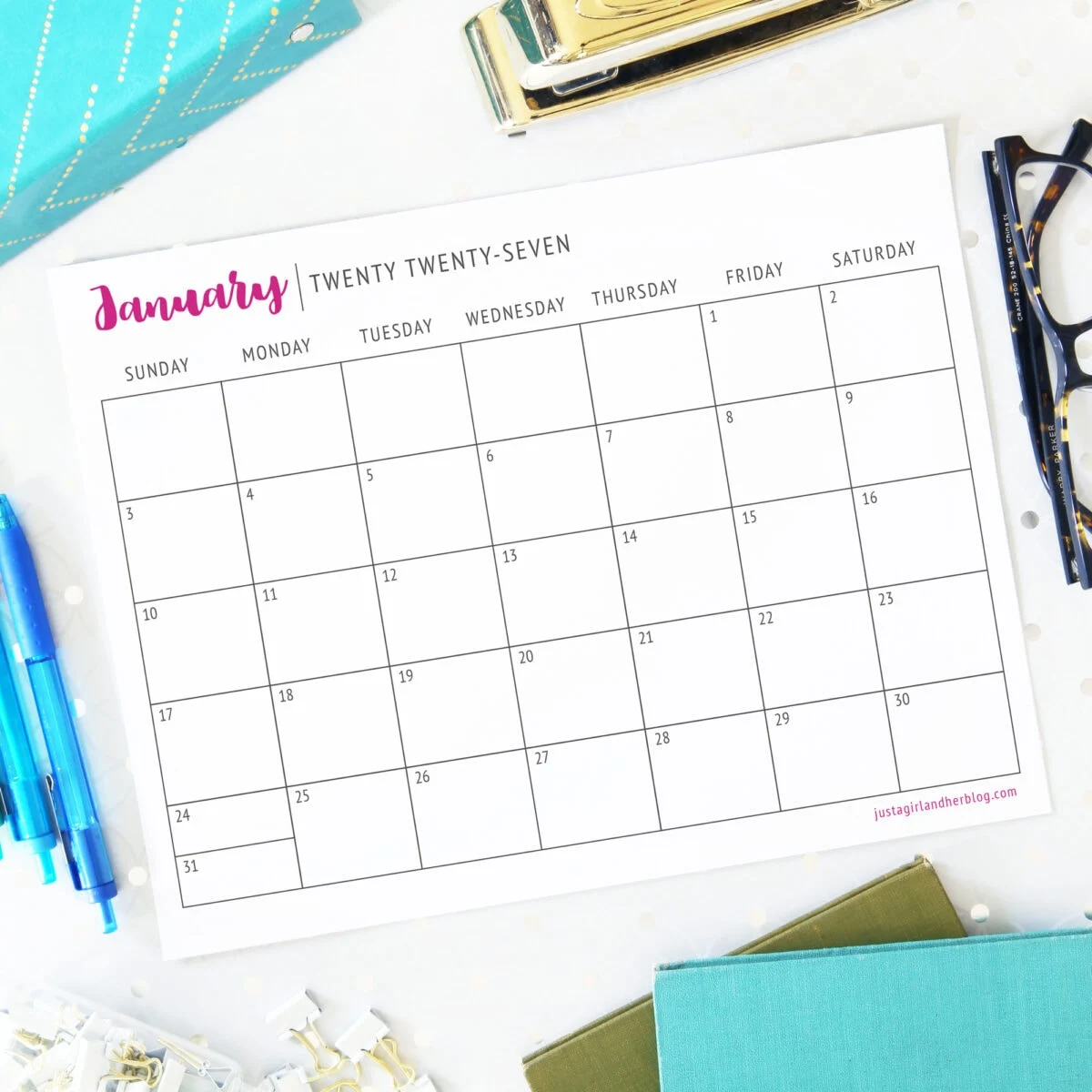
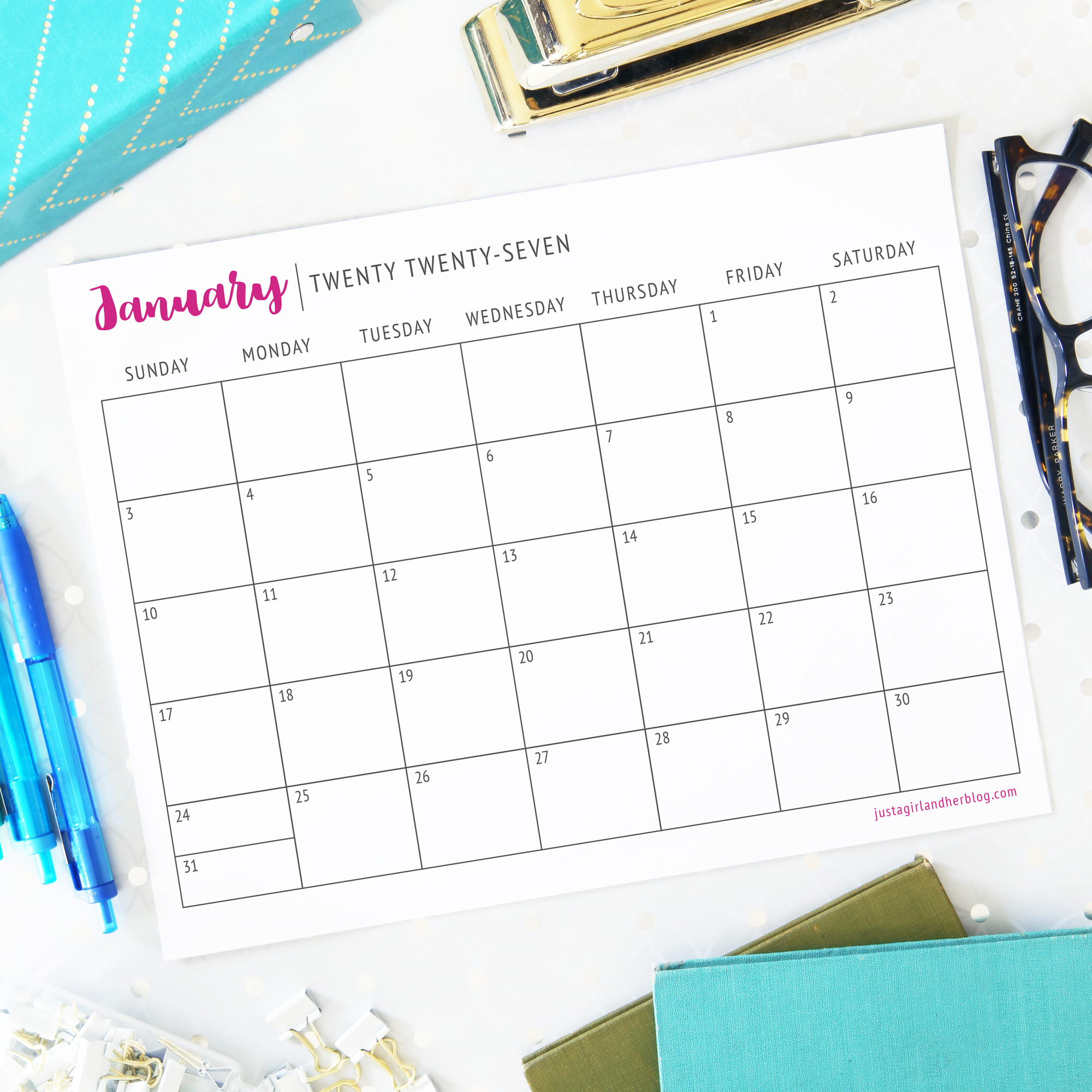
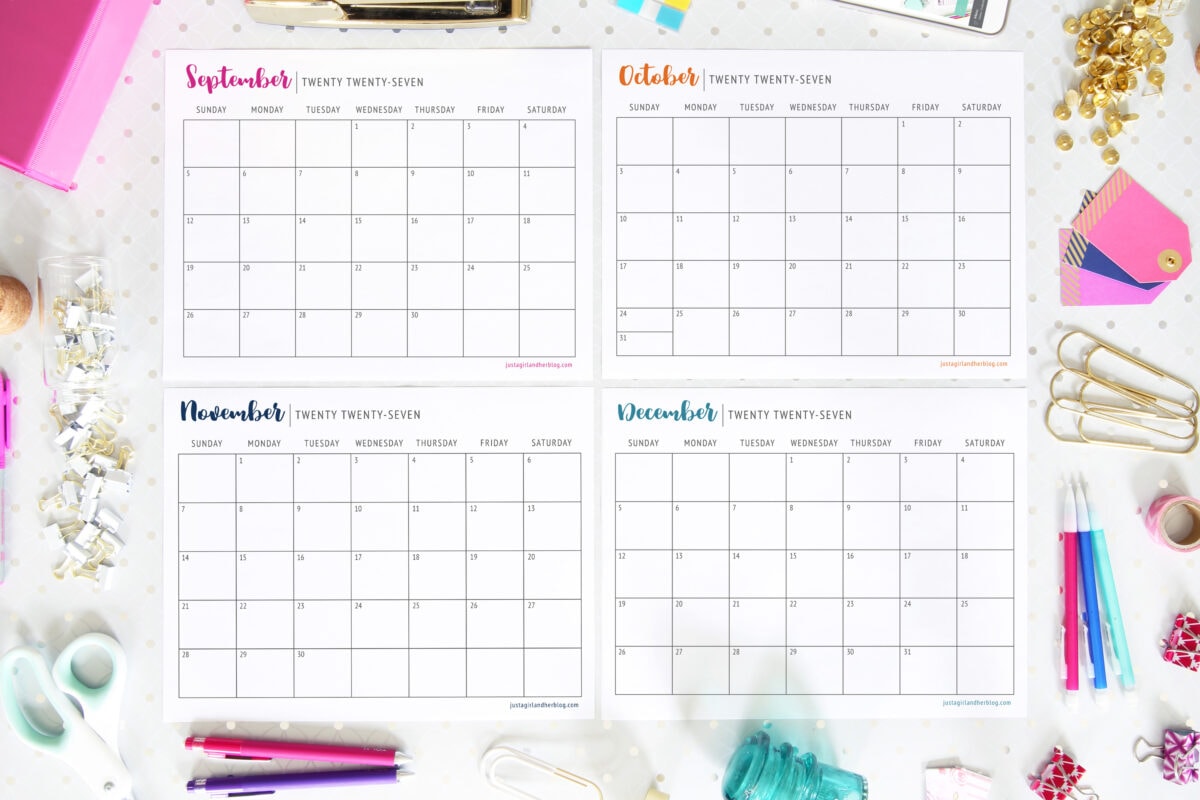
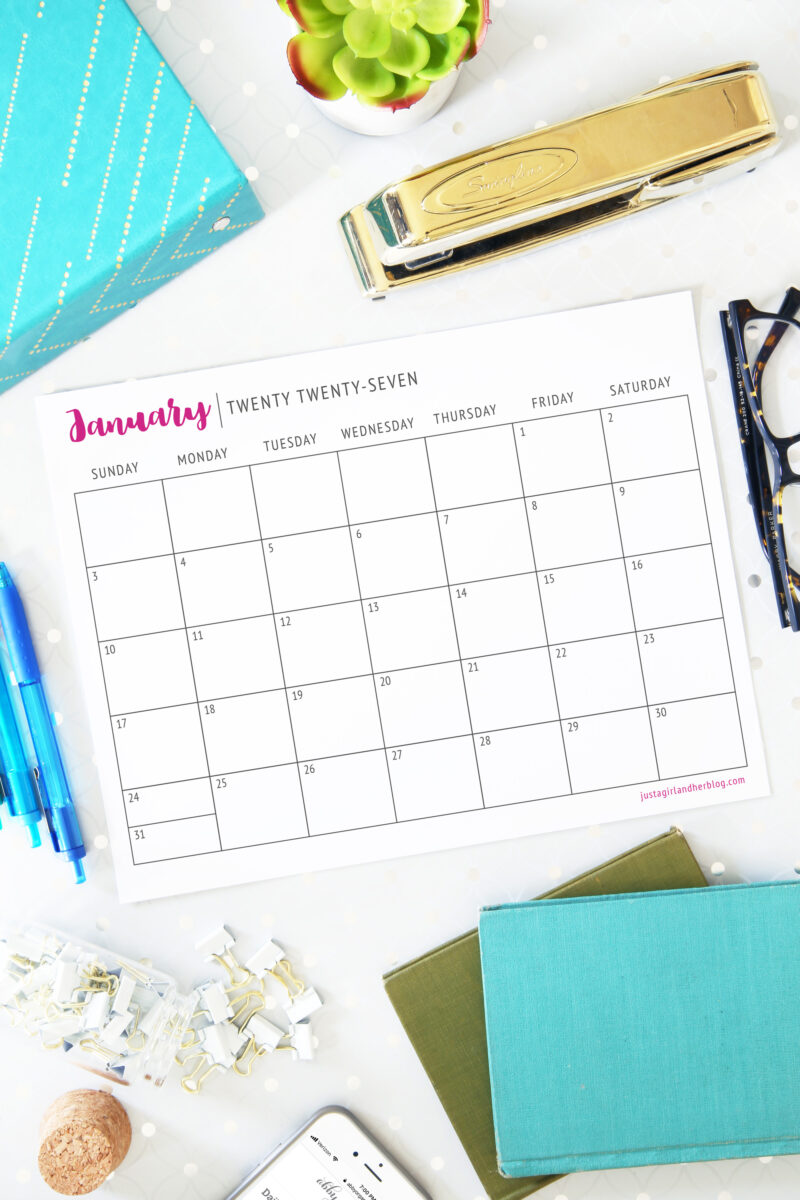
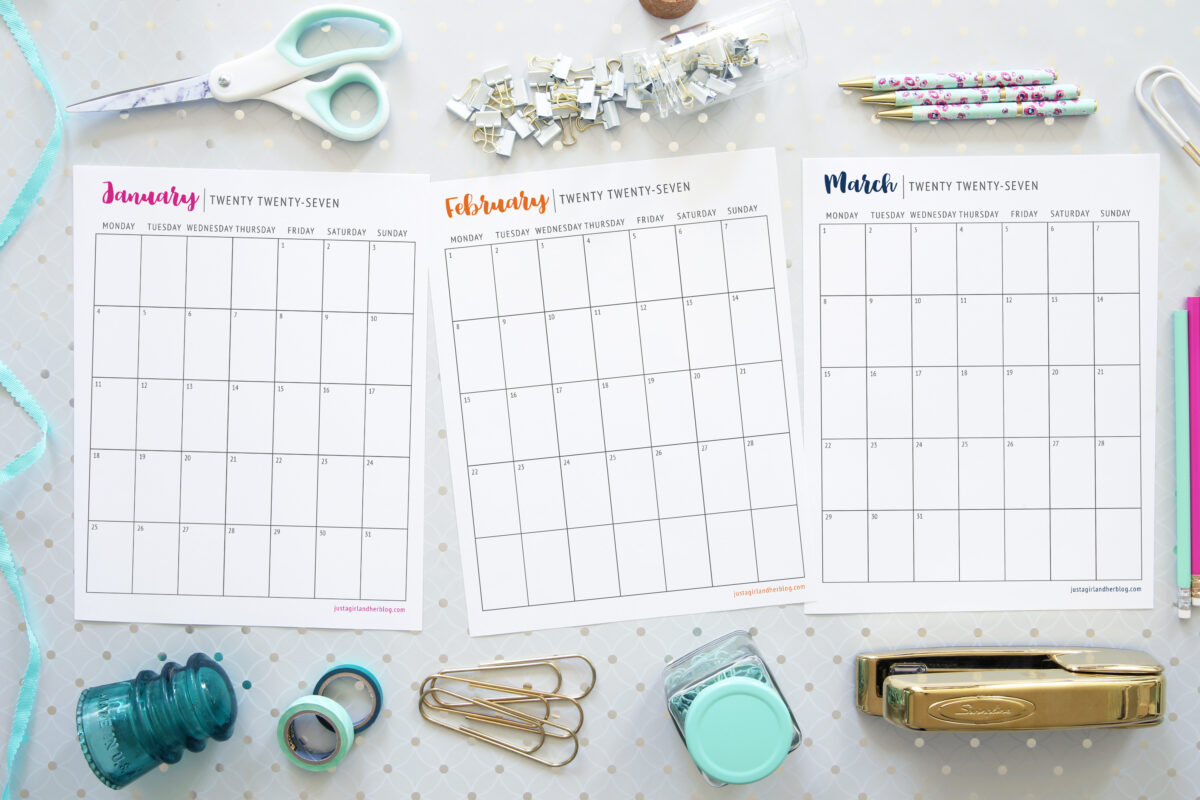
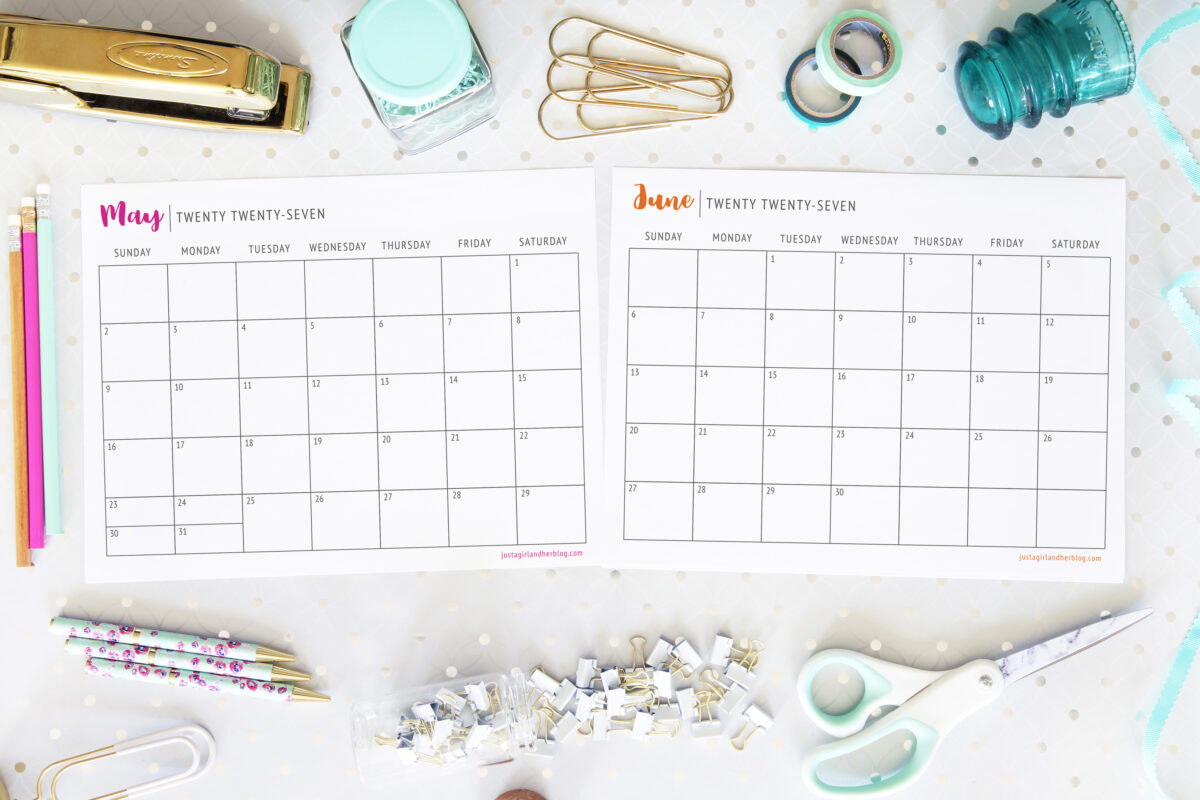
The newly released 2027 collection provides users with a comprehensive suite of downloadable organizing materials designed to fit standard letter-sized paper (8.5” x 11”).
Accessibility: The resources are distributed entirely free of charge via digital lifestyle and organization platforms, such as Just a Girl and Her Blog.
Versatility: Designed to serve multiple organizational purposes, the templates extend far beyond basic appointment tracking. Users routinely repurpose the monthly and vertical layouts for goal setting, habit tracking, meal planning, fitness regimens, and academic scheduling.
Format Options: The collection includes standard horizontal and vertical monthly calendars, allowing users to customize their setups according to individual storage preferences—whether housed in three-ring binders, displayed on refrigerator doors, or kept on desktop workspaces.
Copyright and Usage: The printables are made available under personal-use licenses, managed by Twenty-Three Publishing, LLC, prohibiting unauthorized commercial redistribution.
Chronology: From Summer Inquiries to the Annual Digital Rollout
The release cycle for annual planning printables follows a predictable yet accelerating timeline dictated by consumer demand:
April: Early planners and devoted organization enthusiasts begin submitting initial inquiries regarding the availability of the subsequent year’s layouts—marking the earliest recorded request timeline in recent years.
Mid-Summer: Creators finalize design modifications, incorporating user feedback from previous iterations to adjust grid sizes, note sections, and aesthetic framing.
Late Summer / Early Fall: The official launch window opens. Digital platforms roll out full-year PDF packages, accompanied by promotional imagery featuring stylized office stationery, minimalist layouts, and creative desk setups.
Fourth Quarter: Peak download season occurs as consumers prepare for year-end reviews, establish annual resolutions, and lay the groundwork for the upcoming January transition.
Historically, this phenomenon mirrors traditional brick-and-mortar retail patterns. Decades ago, financial institutions and community businesses observed that holiday calendar giveaways were met with intense consumer demand as early as mid-summer. Today, that enthusiasm has migrated to digital self-service models, where users demand instantaneous access to blank monthly grids months in advance.
Supporting Data: The Psychology and Utility of Analog Planning
While digital calendars offer automated alerts and seamless cross-device synchronization, behavioral studies continue to highlight the distinct cognitive benefits of physical writing.
Enhanced Retention: Research in cognitive psychology consistently demonstrates that handwriting information engages motor regions of the brain that typing on a keyboard or touchscreen bypasses, leading to superior memory retention and conceptual understanding.
Reduced Digital Distraction: Transitioning tasks to paper isolates planning activities from the constant notifications, pop-ups, and multitasking temptations inherent in smartphones and computers.
The "Blank Slate" Effect: Productivity experts note that visual, physical layouts provide a tangible sense of progress. Crossing out completed tasks or physically flipping a monthly page creates a psychological milestone that digital checkmarks rarely replicate.
Furthermore, user-driven data from productivity blogs indicates that multi-purpose planning tools are deployed across diverse demographics:
Families: Managing complex household logistics, extracurricular schedules, and meal rotations.
Students: Tracking examination periods, project deadlines, and semester-long milestones.
Professionals: Structuring long-term business goals, content calendars, and freelance deliverables alongside primary employment.
Official Responses and Creator Insights
The driving force behind these widespread digital resources emphasizes the psychological impact that basic organizational tools can have on personal productivity.
In statements accompanying the 2027 launch, lifestyle publisher and organization advocate Abby Lawson reflected on the perennial enthusiasm surrounding annual calendar releases:
"Calendar people are my kind of people. Every year around this time, I start to get a bunch of emails asking, ‘When is next year’s calendar coming out?!’ This year it started earlier than ever… There’s just something about calendars that gets people excited."
Drawing from early career experiences working in retail banking—where holiday calendars were rationed due to overwhelming consumer demand during the summer months—creators have noted that the fundamental human desire for structure remains unchanged.
"My hope is that by providing these simple printable calendars, we can help people organize their schedules and manage their goals," Lawson noted. "It’s just a simple tool, but sometimes the simplest tools are the best. I’m always amazed at how a little organization can spark motivation and help get the ball rolling on all of those things you’ve been wanting to accomplish."
Implications for the Future of Personal Organization
The successful rollout of the 2027 free printable calendar underscores several broader trends in the modern lifestyle and productivity market:
1. The Hybrid Planning Model
Rather than a binary choice between paper and digital systems, modern consumers increasingly adopt a hybrid approach. Individuals often utilize digital calendars for real-time team collaboration and transit alerts while reserving physical printables for high-level goal mapping, creative brainstorming, and daily habit tracking.
2. Democratization of Productivity Tools
The widespread availability of high-quality, professionally designed printables removes economic barriers to personal organization. By offering extensive resource libraries—often exceeding dozens of specialized planning templates at no cost—digital creators empower individuals to tailor organizational systems to their specific cognitive and lifestyle needs without investing in expensive commercial planners.
3. The Power of Micro-Motivation
Behavioral economists and productivity coaches emphasize that the act of downloading, printing, and setting up a new calendar acts as a vital psychological catalyst. This initial ritual helps break the inertia of procrastination, providing individuals with a clean slate to visualize future achievements and establish structured pathways toward long-term success.
As planning enthusiasts continue to download and organize their materials for the upcoming year, the 2027 calendar launch serves as a timely reminder that even in an era dominated by advanced artificial intelligence and complex software applications, the humble combination of paper, ink, and intentional design remains an enduring foundation for personal productivity.