WASHINGTON — In an era marked by economic uncertainty and rising household debt, personal finance experts frequently stress the importance of budgeting. Yet, translating broad financial advice into a workable, low-stress domestic routine remains a persistent hurdle for millions of couples.

For years, Abby Lawson—a writer, blogger, and self-described "book-ish" rather than "math-ish" individual—left the entirety of her household’s financial administration to her husband, Donnie. Like many couples, the division of labor delegated bill-paying and account monitoring to the partner with a natural affinity for numbers. However, a growing realization regarding the psychological toll of this dynamic prompted a pivot toward shared fiscal responsibility.

The resulting domestic financial framework offers a rare, behind-the-scenes look at how structural organization, consistent weekly check-ins, and customizable tracking tools can alleviate financial anxiety and foster long-term marital alignment.

Main Facts: The Anatomy of a Modern Household Money Routine
At its core, the Lawson family’s financial system relies on a division of labor anchored by weekly administrative syncs, centralized digital tracking via custom spreadsheets, and a strict policy of paying off credit card balances in full each month.

Rather than relying on rigid, industry-standard prescriptions, the couple developed a routine refined over nearly two decades of marriage. The system is split into two primary operational tiers:

- Weekly "Money Moves": A 20-to-30-minute Friday administrative block dedicated to logging transactions, paying incoming bills, monitoring sinking funds, and assessing account health.
- Periodic Reviews: Comprehensive monthly and annual evaluations that aggregate spending data to inform future budgeting, savings targets, and long-term investments.
According to financial counselors, shifting away from isolated money management toward collaborative routines significantly reduces the likelihood of severe domestic friction over spending habits. By maintaining continuous visibility over cash flow, households can identify anomalies or budget overages before they compound into systemic deficits.

Chronology: From Financial Outsourcing to Collaborative Stewardship
The evolution of the Lawson household’s financial routine spans several distinct phases, reflecting a common trajectory among modern families seeking greater budgetary control.

- 2006–The Baseline: Following their marriage, Donnie Lawson assumed management of the household bills and accounts. For the initial years, this delegation functioned smoothly. Abby remained focused on childcare and the launch of her digital platform, viewing mathematics and accounting as outside her domain of expertise.
- The "Aha" Moment: As the family grew, Abby recognized that leaving the entire cognitive burden of financial tracking to one partner created an imbalance. Furthermore, she observed that passive management prevented the household from optimizing its discretionary spending. True intentionality required mutual engagement.
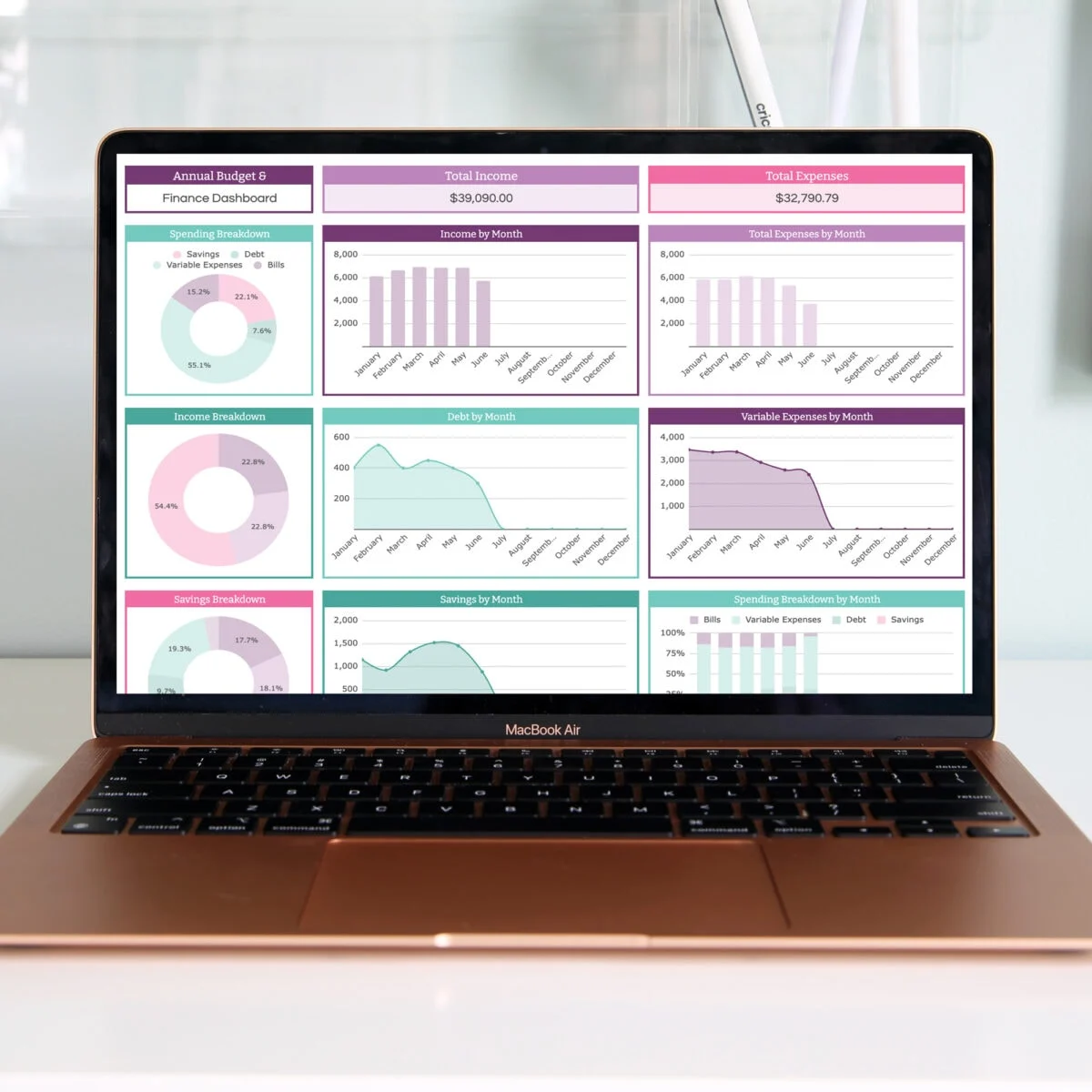
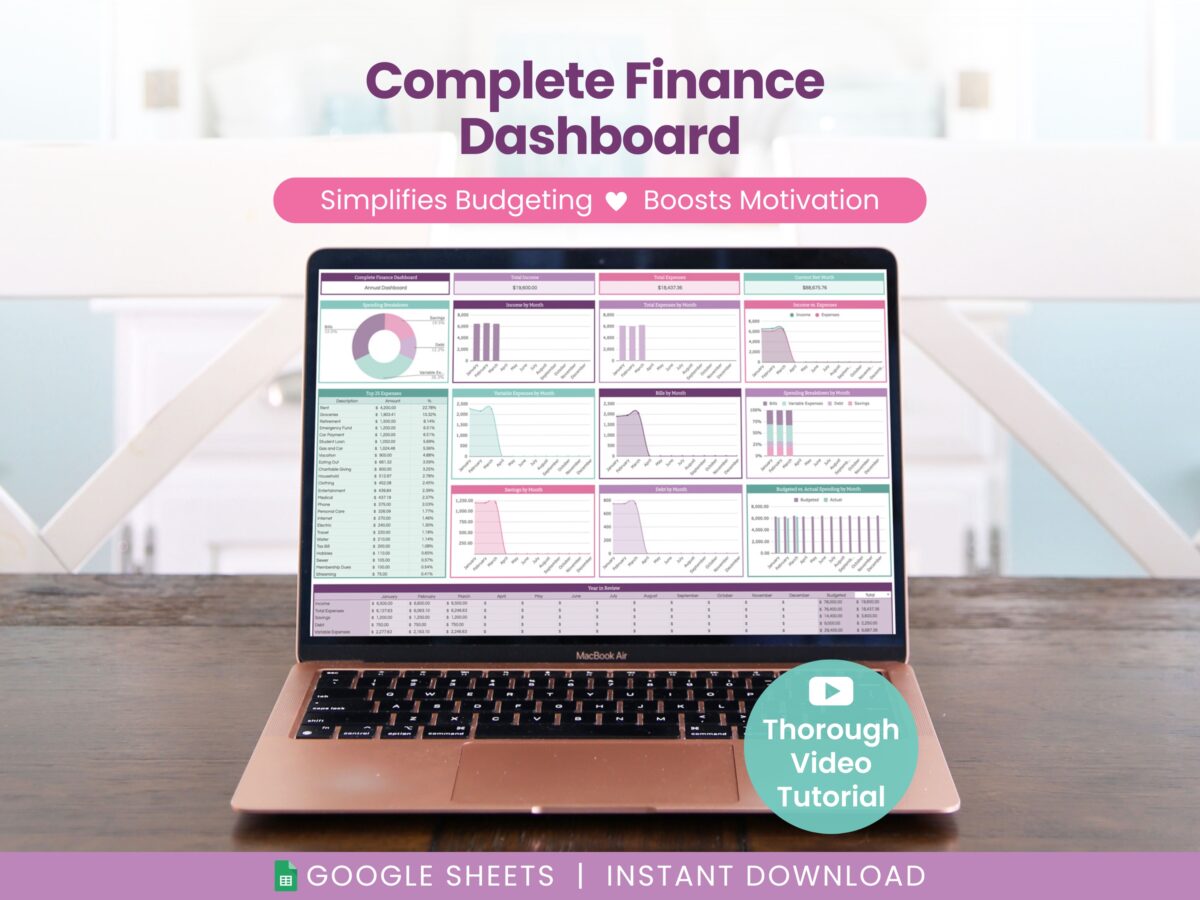
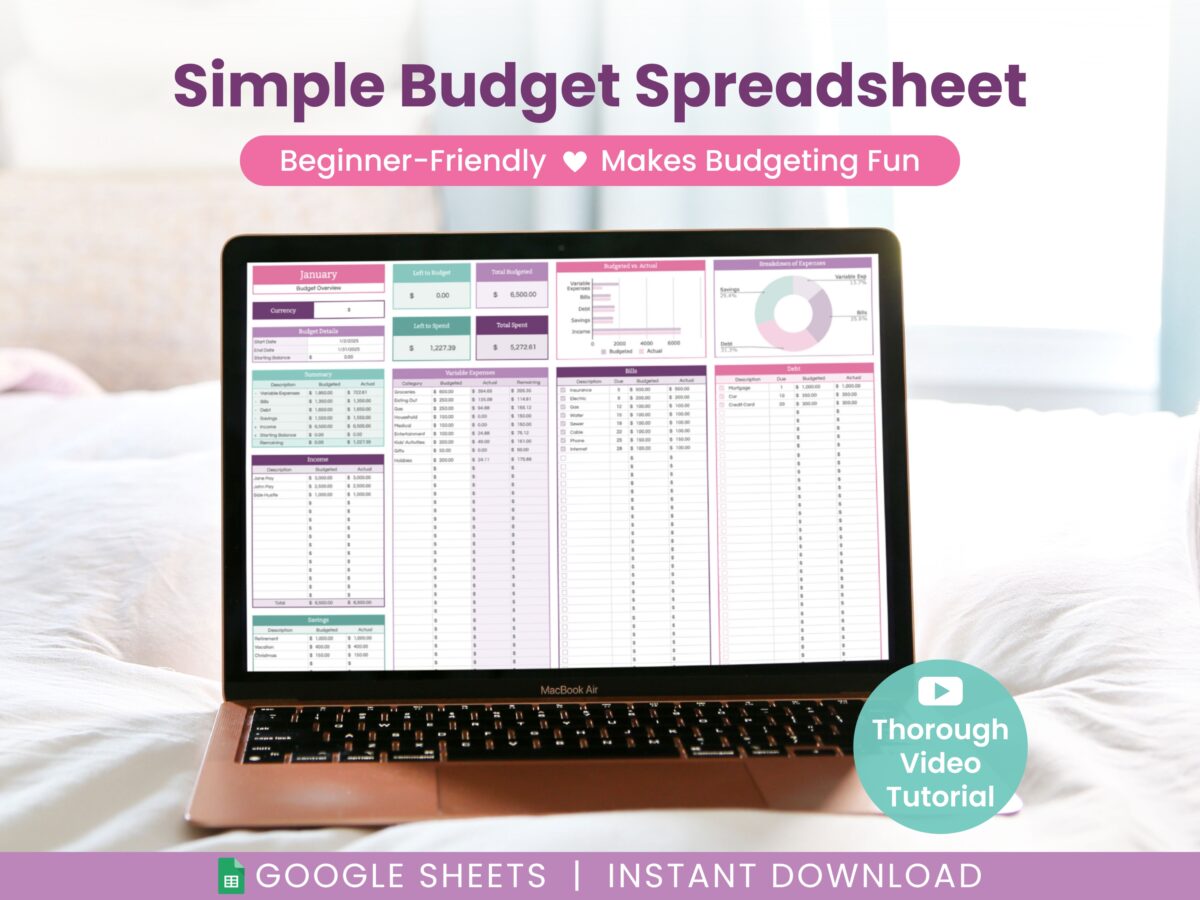
- Tool Development: Seeking a system that combined clarity with visual appeal, Abby designed a series of tracking instruments, beginning with a physical printable budget binder and ultimately scaling into a comprehensive digital solution: the Complete Finance Dashboard spreadsheet.
- The Institutionalized Routine: Over the subsequent years, Friday afternoons became synonymous with financial maintenance. The establishment of this recurring window eliminated procrastination and transformed money management from an intimidating chore into a seamless weekly habit.
Supporting Data: The Mechanics of Weekly and Monthly Tracking
The efficacy of the Lawson framework relies heavily on data categorization and proactive planning tools rather than restrictive deprivation. The mechanics of their weekly and monthly cycle break down into specific logistical steps:

Friday Transaction Logging
Throughout the week, both partners utilize rewards credit cards for daily purchases, ensuring maximum consumer protection and point accumulation. On Fridays, Donnie transmits transaction screenshots to Abby, who inputs the data into their centralized spreadsheet.

Every entry is sorted into strict structural parameters:

- Monthly Fixed Bills: Predictable operational costs such as utilities, mortgages, and insurance.
- Variable Expenses: Fluctuating discretionary categories, including dining out, groceries, and entertainment.
- Sinking Funds: Pre-allocated digital savings buckets designed for anticipated future expenditures—such as holiday shopping, annual family vacations, and emergency home or vehicular repairs—thus preventing reliance on high-interest debt.
The Five-Minute Sync
Simultaneously, the couple conducts a brief verbal or text-based review. This conversation covers account liquidity, upcoming transfer requirements, charitable giving opportunities, and budget pacing. For instance, if a variable category like "Dining Out" reaches three-quarters of its monthly limit by mid-month, corrective adjustments are implemented immediately rather than reactively at month’s end.

Periodic Reconciliations
At the conclusion of each month and calendar year, the spreadsheet’s annual dashboard aggregates all transaction data into visual charts and graphs. This retrospective analysis allows the household to evaluate subscription renewals, identify unnecessary expenditures, and recalibrate baseline budget targets for the upcoming fiscal cycle.

Official Perspectives and Expert Analysis
While personal finance strategies vary wildly depending on income levels, cultural norms, and family size, behavioral economists and family therapists frequently endorse the underlying principles demonstrated in collaborative budgeting routines.

"Financial infidelity and mismatched financial goals are among the leading stressors in modern relationships," notes a prominent consumer credit counselor based in Chicago. "When couples establish a low-stress, recurring routine to review their numbers together, they strip away the emotional charge associated with money. It shifts the conversation from a source of conflict to a strategic partnership."
Independent financial planners emphasize that the use of sinking funds—a cornerstone of the Lawson routine—is particularly effective in shielding households from economic shocks. By systematically dampening the impact of irregular expenses like car repairs or medical deductibles, families can maintain baseline savings trajectories without disrupting daily cash flow.
Implications: Scalability and Lessons for the Broader Consumer Base
The implications of structured, collaborative household finance extend far beyond individual balance sheets. As macroeconomic pressures, inflation, and fluctuating interest rates continue to challenge household purchasing power, the reliance on transparent digital tools offers a replicable model for financial resilience.

- Reduction of Cognitive Load: Distributing administrative tasks prevents burnout in relationships where one partner historically bore sole responsibility for financial survival.
- Enhanced Accountability: Mutual dependency within a routine creates natural checks and balances; neither partner can neglect their administrative duties without immediate visibility from the other.
- Empowerment Through Education: Transitioning from financial avoidance to active engagement demystifies wealth-building concepts, empowering individuals who previously felt alienated by mathematics or accounting.
Ultimately, the transformation of domestic financial management from a source of intimidation into an organized, collaborative routine demonstrates that financial health is built as much on behavioral habits as it is on income levels. By dedicating modest blocks of time to consistent tracking, households can navigate economic uncertainty with greater confidence and unity.