In the transient, high-velocity world of internet culture, the spotlight rarely rests on a single subject for long. Trends cycle through our feeds with dizzying speed, often forgotten as quickly as they emerge. However, occasionally, a figure arrives that captures the collective imagination in a way that transcends the typical "viral moment." This month, that figure is Jimothy, a raccoon hailing from the streets of Seattle, whose distinct physical appearance has sparked a global wave of artistic expression, ranging from digital character studies to handcrafted glass sculptures.
What began as a simple, candid social media post by a local resident has blossomed into a multifaceted cultural phenomenon. Jimothy is more than just a "strange little guy"; he has become a muse for a diverse community of artists, crafters, and internet enthusiasts, proving that even in the most cynical digital landscapes, there remains a deep-seated appetite for the whimsical and the authentic.
The Genesis of an Icon: From Streets to Screens
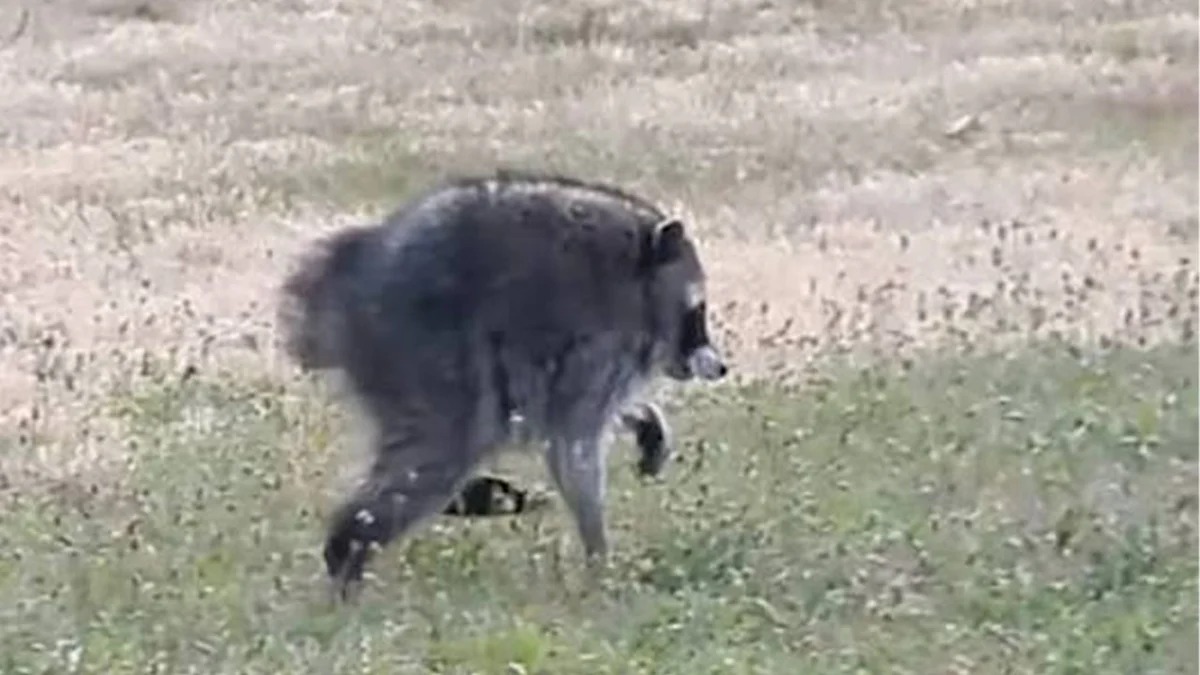
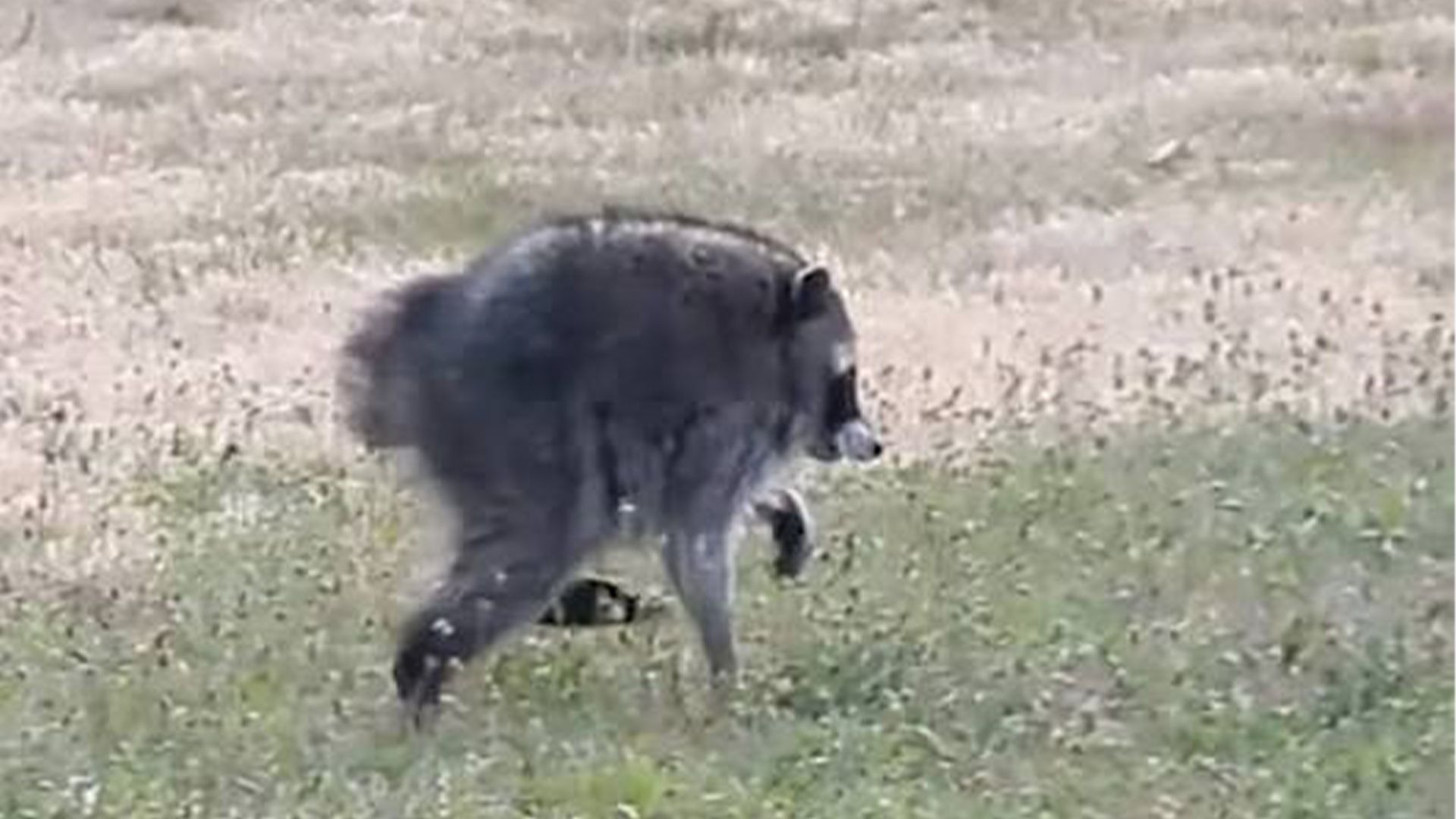
The story of Jimothy began with a seemingly mundane observation. Seattle resident Kiana Hall, capturing a moment of urban wildlife, shared a video of the raccoon on Instagram. The footage quickly transcended local interest, garnering thousands of views and sparking an immediate, passionate response from a global audience.
Jimothy’s appeal lies in his unconventional morphology. Unlike the typical raccoons often viewed as pests, Jimothy possesses a unique silhouette. Observers and wildlife experts have pointed to "short spine syndrome"—a rare congenital condition that affects the skeletal structure—as the most likely explanation for his hobbling gait and compact, stout appearance.
While the scientific community categorizes the condition as a structural abnormality, the internet interpreted it as an aesthetic triumph. Jimothy’s "dinky" stature, combined with his resilient attitude, quickly endeared him to viewers. Within weeks, the raccoon’s image had been repurposed into memes, fan art, and complex creative projects, cementing his status as the internet’s favorite underdog.
A Chronology of the Viral Surge
The trajectory of Jimothy’s rise provides a fascinating case study in how modern digital communities form and sustain engagement:
- The Discovery Phase: Kiana Hall’s initial Instagram post serves as the "Year Zero" for the Jimothy phenomenon. The raw, unfiltered nature of the video provided a perfect canvas for viewers to project their own narratives onto the animal.
- The Identification Phase: As the raccoon became a fixture on social media, discourse shifted toward understanding his physical appearance. Experts weighed in on the potential for short spine syndrome, providing a factual anchor to the viral excitement.
- The Creative Proliferation Phase: Once the public understood that Jimothy was a living, breathing creature with a specific condition, the focus shifted from "what is he?" to "what can he become?" This marked the transition into fan art, 3D modeling, and physical craft.
- The Institutional Recognition Phase: As the phenomenon grew, professional organizations, including the Washington Department of Fish and Wildlife, were forced to address the public’s obsession, marking a shift from grassroots fandom to a broader, regulated conversation about wildlife interaction.
Beyond the Meme: The Creative Ecosystem
One of the most remarkable aspects of the Jimothy phenomenon is the depth of the creative response it has triggered. This is not merely a collection of low-effort reposts; it is a genuine movement of artistic homage.
Character Design and Digital Artistry
Artists from across the globe have taken to platforms like ArtStation and Instagram to reimagine Jimothy. The interpretations are vast: some artists render him as a cute, plush-like figure, while others lean into a more "cryptid-esque" aesthetic, leaning into the surreal, urban-mythology quality of a raccoon that looks "different." These character studies serve as a testament to the power of design to elicit empathy. Whether through intricate digital painting or whimsical sketches, these artists are dissecting Jimothy’s form to celebrate his uniqueness.
Physical Craft: From Glass to Puppetry
The most impressive tributes, however, exist in the physical realm. The Seattle Glassblowing Studio produced an exquisite, hand-blown replica of Jimothy, highlighting the intersection of local industry and internet culture. By capturing his likeness in glass, the studio elevated a viral meme into a piece of tangible art.
Similarly, artist Phoebe Sanders incorporated Jimothy into her performance art. Sanders, known for her "Pebbies"—hand-crafted puppets that animate during her banjo performances—created a life-size marionette of the raccoon. By integrating Jimothy into a musical performance, Sanders transformed a passive image into an active, performative character, further embedding him into the cultural fabric.
Official Responses and Ethical Considerations
The rapid escalation of interest in Jimothy brought with it a necessary dialogue regarding ethics and wildlife management. The Washington Department of Fish and Wildlife (WDFW) eventually issued statements to address the public’s curiosity.
While the WDFW acknowledged that Jimothy appears to be thriving despite his physical challenges—noting he is "100% healthy" in terms of his survival instincts and foraging capabilities—they also issued a firm warning: the public must not approach, feed, or attempt to domesticate him.
This tension between the internet’s desire to "protect" and "cuddle" the subject and the reality of his status as a wild animal highlights a recurring issue in digital wildlife fame. The authorities emphasize that Jimothy’s best interests are served by leaving him to his natural habitat. This official guidance has acted as a cooling mechanism, reminding fans that their love, while well-intentioned, must be expressed through digital media and art rather than physical interference.
Implications: The Internet as a Creative Incubator
Why has Jimothy captured the world’s attention when thousands of other videos of wildlife pass by without a second glance? The answer lies in the human capacity for pattern recognition and empathy. Jimothy’s physical difference makes him a "character" in a way that typical animals are not. In a world of polished, curated social media feeds, his raw, unvarnished existence feels authentic.
The "Wholesome" Factor
Psychologists often point to the "cute response" as a major driver of viral content. However, Jimothy adds a layer of resilience to this dynamic. He is not just "cute"; he is "surviving." This narrative of resilience is a powerful motivator for creative expression. Artists are not just drawing a raccoon; they are drawing a story of overcoming structural adversity.
Community and Collective Joy
The Jimothy phenomenon serves as a rare example of a "wholesome" internet moment. In an era where online discourse is frequently polarized and hostile, Jimothy has provided a neutral ground for shared joy. When a community rallies around a common subject, even one as niche as a raccoon with a spinal deformity, it creates a sense of belonging. The act of creating fan art, sharing models, and discussing the ethics of his care provides a sense of collective purpose that is increasingly difficult to find in the digital age.
Looking Forward: The Longevity of a Viral Star
As the initial fervor begins to settle into a steady hum of appreciation, the question remains: what is the legacy of Jimothy?
The Jimothy phenomenon proves that the internet remains a potent tool for artistic inspiration. It highlights that the barriers to entry for creative participation have never been lower. From a student using a tablet to sketch a portrait to a professional glassblower crafting a sculpture, Jimothy has acted as a bridge between diverse creative disciplines.
Moreover, the case of Jimothy encourages us to look closer at the world around us. His rise suggests that we are looking for beauty in the unexpected. By shifting the lens from the "perfect" to the "unique," the internet has signaled a desire for more nuanced, authentic representations of life.
Ultimately, Jimothy is a reminder that creativity is an expansive force. Whether he remains a fixture of our feeds for years to come or fades into the annals of internet history as a short-lived curiosity, the art he inspired will remain. He has proven that even in the most mundane urban corners, there is room for wonder, provided we have the curiosity to look for it. For now, Jimothy continues to roam the streets of Seattle—happily unaware of his status as an icon, and perhaps, that is the most charming part of his story.