
For Brian and Michael, a 34-year-old couple living in central Connecticut, the path to "adulting" has proven to be a complex, often turbulent journey. Despite stable employment in the public and non-profit sectors and a decade-long partnership, the duo finds themselves at a critical financial juncture. They are currently balancing the desire for homeownership, the shadow of consumer debt, and the long-term goal of building a secure, lasting legacy.
As they approach their ten-year anniversary this November, the couple has opened their financial books to public scrutiny, participating in a "Frugalwoods" case study. This process serves as a mirror for many modern households—highlighting the friction between personal milestones and the harsh realities of the current economic climate.

The Chronology: From Stability to Uncertainty
The couple’s financial trajectory was significantly disrupted over the last 18 months. In August 2022, they were living in a comfortable, modest studio apartment at a monthly cost of $945. They had a clear, actionable plan to enter the housing market by late 2023.
However, the volatility of the 2022–2023 rental market, coupled with unforeseen expenses—including significant veterinary care for their two kittens and the costs associated with moving to a new, larger apartment—derailed their timeline. The move, while providing a much-needed home office and better living conditions, forced a shift in their capital allocation.

Currently, Brian and Michael reside in a refurbished industrial mill-turned-apartment. While the space offers aesthetic and lifestyle improvements, the transition has left them feeling vulnerable. They are now navigating the dual pressures of paying off a $28,259 consumer debt load while simultaneously attempting to build the liquid savings necessary for a down payment on a future home.
Supporting Data: The Financial Landscape
To understand the scope of their challenge, it is necessary to examine their financial baseline. The couple boasts a robust combined annual gross income of $167,544, with a net take-home pay of approximately $109,455 per year. Despite this strong income, their monthly expenditure stands at $8,035, or $96,414 annually.

Debt Breakdown
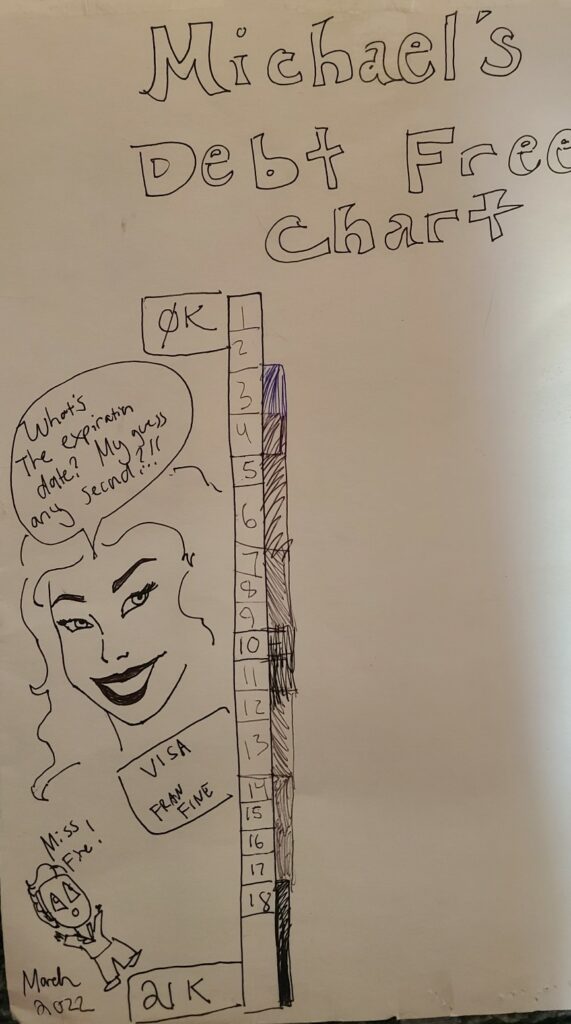
The primary "emergency" is their $28,259 debt, split across three credit cards.
- Brian’s Visa (SCU): $16,057 (0% interest until November 2023, then 17.99%)
- Michael’s Visa Platinum: $9,700 (10.99% interest)
- Brian’s Visa Platinum (Navy Federal): $2,503 (0.99% interest until November 2023, then 17.74%)
Asset Allocation
Their assets are relatively modest, totaling $91,250. This figure includes retirement accounts (401k, 403b, 457, and a pension), health savings accounts (HSA), and approximately $9,000 in liquid savings. While Brian’s government role offers a "triple crown" of retirement security (403b, 457, and a defined-benefit pension), the couple feels the lack of real estate ownership as a significant blind spot in their wealth-building strategy.

Professional Analysis: A Roadmap to Stability
Financial experts reviewing the case note that the couple is not in a dire position, but rather a transitional one. The primary critique offered is the need for a shift in mindset: moving from a reactive state—where they scramble to cover unexpected costs—to a proactive state of rigid, systematic financial management.
The Spending Detox
The recommendation from consultants is a "short-term spending detox." By categorizing expenses into Fixed, Reducible, and Discretionary, the couple can potentially slash their annual spending from $96,414 down to roughly $79,980. This aggressive reallocation of funds would allow them to apply nearly $4,500 per month toward debt, effectively eliminating their consumer liabilities in less than seven months.
The Priority Hierarchy
The experts suggest a strict hierarchy for the couple’s next ten years:
- Debt Elimination: This is the immediate priority to stop the "bleed" of interest payments.
- Emergency Fund Stabilization: Building a reserve that covers 3–6 months of expenses, specifically for non-negotiable emergencies, not anticipated costs like car repairs.
- Retirement Optimization: Maximizing contributions to their tax-advantaged accounts (401k/457/403b) to leverage the power of compound interest.
- Homeownership: Only after the above three pillars are secure should they enter the real estate market.
The Question of Higher Education
One of the most contentious points of the consultation involves Brian’s desire to pursue a graduate degree. The consensus among financial advisors is stark: if the degree does not have a guaranteed, direct, and significant impact on his salary, it is an "unhelpful detour." In a high-inflation, high-interest rate environment, taking on the opportunity cost—or potential student debt—of a master’s degree without a clear ROI is viewed as a threat to their primary goal of achieving permanent, lasting financial independence.

Implications for the Modern Household
The case of Brian and Michael serves as a broader commentary on the "Great American Squeeze." Even with dual, stable incomes, the lack of a formal, automated financial strategy can lead to a cycle of "feast and famine."
The Psychological Component
Perhaps the most significant takeaway is the emotional toll of financial uncertainty. Both men report feelings of shame and a sense of being "behind" their peers. The expert response is to decouple self-worth from net worth. They emphasize that while money is a tool for achieving a life of comfort and security, it is not a cure-all for life’s challenges.

Future Outlook
If Brian and Michael succeed in their debt-reduction plan, they will be left with a substantial monthly surplus. The implication is that if they can maintain the discipline of their "detox" period, they will naturally be able to fund their future goals without the need for additional credit.
The case remains a live discussion. As the couple implements these changes, the focus shifts to whether they can maintain the discipline required to avoid the "boomerang effect"—the tendency to increase spending as income rises. By choosing to address these issues now, while they are in their mid-thirties, they have the advantage of time. Their story is a reminder that while the path to financial maturity is rarely linear, it is almost always manageable through consistent, intentional action and a rejection of the consumer-driven impulse to sacrifice long-term security for short-term comfort.

For those watching from the sidelines, the couple’s experience underscores a vital lesson: your financial situation is a spreadsheet problem, not a character flaw. By viewing their debt as an obstacle to be systematically removed rather than a personal failure, Brian and Michael are finally taking the necessary steps to transition from uncertainty to true, sustainable adulthood.