In the modern professional landscape, where the line between the home office and the corporate headquarters has permanently blurred, the quality of one’s seating has transitioned from a mundane furniture choice to a critical health necessity. For years, the ergonomic office chair market has been dominated by a dichotomy: ultra-expensive, high-end designer chairs that command four-figure price tags, or flimsy, budget-grade seats that offer little more than basic support.
Sihoo, a brand that has carved out a reputation for disrupting this divide, is once again making waves. Known primarily for the M18—a staple in the budget category—the company has pushed further up the value chain with its Doro C300 Pro. Currently, the chair is seeing a significant price correction, dropping from its standard $509 MSRP to a much more accessible $439. For those who spend eight or more hours a day tethered to a desk, this $70 discount represents more than just a bargain; it marks a rare opportunity to invest in long-term spinal health without the premium luxury markup.
The Core Offering: What Defines the Doro C300 Pro?
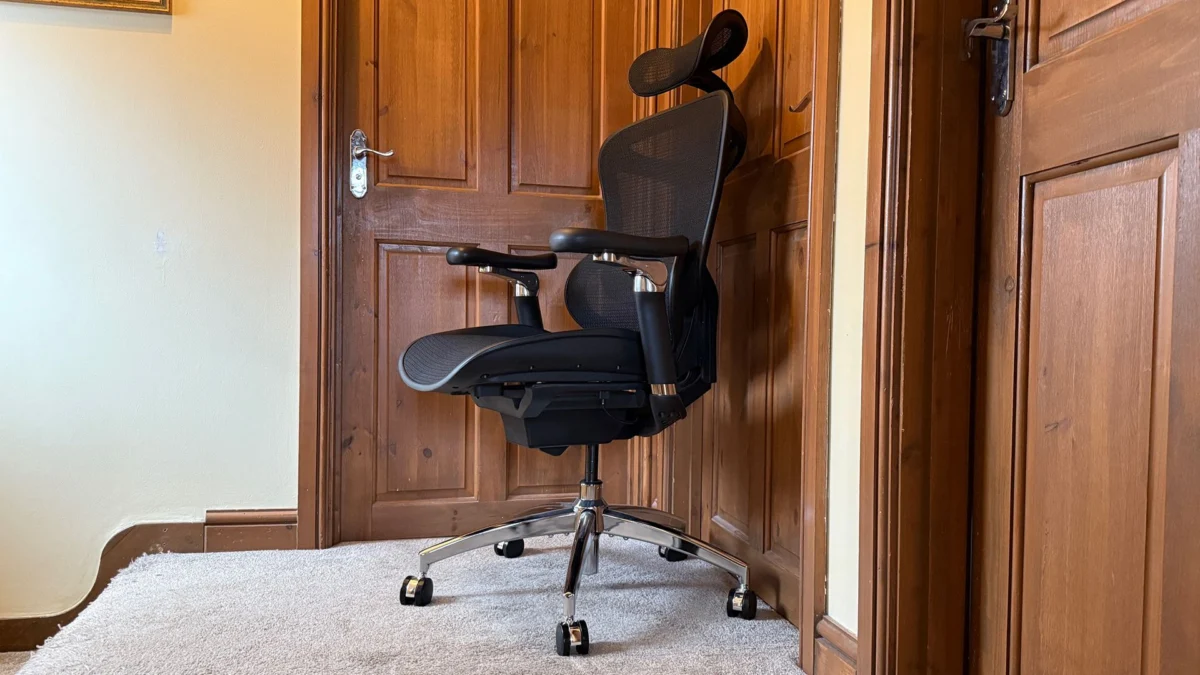
At its core, the Doro C300 Pro is designed to address the most common complaints associated with long-term sedentary work: back pain, poor circulation, and restricted movement. Unlike entry-level chairs that offer static, inflexible backrests, the C300 Pro utilizes a sophisticated "dynamic" approach to ergonomics.
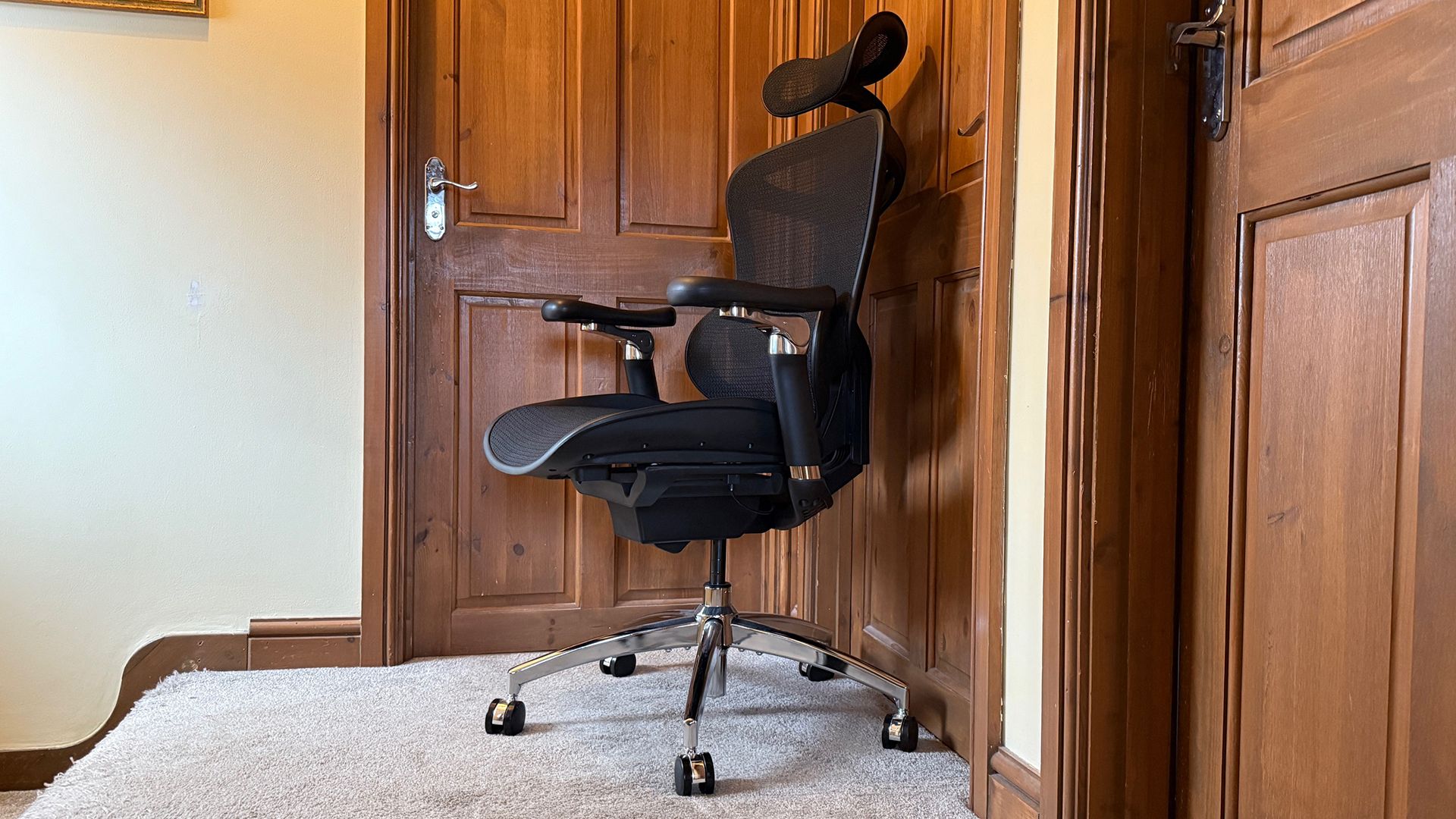
The chair features a high-density, breathable mesh fabric that serves two purposes. First, it manages thermal regulation, ensuring that the user remains cool even during intense, hours-long focus sessions. Second, the mesh is engineered to distribute body weight evenly across the frame, preventing the pressure points often found in cheaper foam-cushioned seats.
However, the standout feature remains the lumbar support system. Many chairs on the market attempt to "force" the spine into a rigid posture, which can be counterproductive and uncomfortable. The C300 Pro adopts a more natural philosophy, supporting the spine’s inherent "S" shape. It provides firm, consistent pressure that follows the movement of the user, effectively acting as a cradle for the lower back rather than a rigid prop.
A Chronology of Sihoo’s Ascent
To understand why the Doro C300 Pro is making such an impact, one must look at the trajectory of the Sihoo brand over the last decade.
- 2011–2015: Establishing a Footprint: Sihoo began as a specialized manufacturer, focusing on the research and development of ergonomic furniture components. During this period, the brand operated largely behind the scenes, supplying parts to larger office furniture entities.
- 2016–2019: The Direct-to-Consumer Pivot: Recognizing a gap in the global market for high-value ergonomic seating, Sihoo launched its own line of chairs. The M18 became a viral success, frequently cited by reviewers as the "gold standard" for entry-level ergonomics.
- 2020–2022: Scaling and Refinement: With the global shift to remote work, demand for home office equipment skyrocketed. Sihoo scaled its production, but also its R&D. The Doro series was developed as a direct response to customer feedback, specifically targeting the need for "premium" features—like 4D armrests and dynamic lumbar tracking—at a sub-$600 price point.
- 2023–2024: Market Maturation: The launch of the C300 Pro solidified Sihoo’s position as a mid-range contender. The current promotional pricing of $439 is a strategic move to capture market share from traditional office furniture giants who have been slow to adapt to the e-commerce-first consumer.
Deep Dive: The Engineering of the 4D Armrests
While many chairs advertise "adjustable armrests," the execution is often lacking. The Doro C300 Pro distinguishes itself through its 4D armrest system, which provides a level of versatility that is usually reserved for $1,000+ task chairs.
The movement capabilities are fourfold:
- Vertical Adjustment: Allows users to match the armrest height to their desk surface, preventing shoulder strain.
- Horizontal Depth: The pads slide forward and backward to accommodate different arm lengths and typing styles.
- Angular Swivel: The pads can rotate, which is essential for users who frequently shift between keyboard-heavy tasks and tablet-based creative work.
- Lateral In-and-Out Motion: This is the "secret sauce" of the C300 Pro. By moving laterally, the armrests can be pulled in close to the chest, providing support even when the user is leaning forward or using a narrower desk setup. This eliminates the "shoulder hunch" that often occurs when armrests are too far apart.
Addressing the Trade-offs: Aesthetics and Assembly
Journalistic integrity requires an honest appraisal of the product’s shortcomings. The Doro C300 Pro is not without its detractors, particularly regarding its visual design and setup process.
From an aesthetic standpoint, the chair is undeniably "functionalist." It does not possess the minimalist elegance of a Herman Miller Aeron or the sleek, status-symbol silhouette of a high-end executive chair. It is an industrial product, characterized by visible adjustment levers, mesh framing, and a bulky, robust lumbar housing. For those building a highly curated, designer home office, the C300 Pro may feel slightly out of place.
Furthermore, potential buyers should be prepared for the "assembly tax." Like many of Sihoo’s offerings, the chair arrives in a flat-pack box requiring a significant time investment to assemble. While the instructions are clear, the process involves multiple heavy components and precise bolt alignment. It is not a "plug-and-play" experience; it is a project. However, the trade-off is clear: by shipping in pieces, Sihoo saves on logistics costs, which allows them to pass the savings onto the consumer.
The Implications for Remote Workers and Creatives
Why does this matter in the broader context of workplace ergonomics? The implications of sitting in a sub-par chair extend far beyond simple discomfort. Chronic back pain, repetitive strain injuries (RSI), and poor posture are leading causes of lost productivity and long-term health issues for office-based professionals.

By making high-quality ergonomic features accessible at $439, Sihoo is effectively democratizing spinal health. The C300 Pro serves as a reminder that you do not need to spend the equivalent of a month’s rent to achieve a healthy workstation. For the freelancer, the student, or the corporate remote worker, this chair offers an opportunity to optimize their environment in a way that pays dividends in comfort and focus.
Expert Guidance: Optimizing Your Setup
A great chair is only as good as the person sitting in it. Even the most advanced ergonomic throne cannot fix bad habits. After you secure your Doro C300 Pro, it is essential to follow basic ergonomic principles:
- Eye Level: Your monitor should be at eye level so that your neck remains in a neutral position.
- The 90-Degree Rule: Aim for your elbows, hips, and knees to be at roughly 90-degree angles.
- Lumbar Engagement: Ensure the C300 Pro’s lumbar support is adjusted to the curve of your lower back. You should feel supported, not pushed.
- Regular Movement: No chair is a substitute for movement. The "best posture is the next posture," so make it a habit to stand up and stretch at least once every 45 to 60 minutes.
Conclusion: A Worthy Investment
The Sihoo Doro C300 Pro is not a perfect chair, but it is a perfect value proposition. It occupies a rare sweet spot in the market, delivering high-end comfort features at a price point that respects the budget of the average worker.
If you have been struggling with back pain, or if you are currently relying on a standard dining room chair to power through your workday, the current $439 promotion is an excellent catalyst for change. While the assembly might be a minor hurdle, the long-term benefit of having a seat that actually supports your body is, quite simply, priceless. As we continue to redefine the boundaries of the workplace, the tools we choose to equip our spaces with will define not just our output, but our physical well-being for years to come.