DEARBORN, Michigan — Long before the first spark of industrial machinery echoed across the banks of the Rogue River, automotive pioneer Henry Ford harbored a surprisingly tranquil vision for the sprawling 2,000-acre landscape he had acquired in Dearborn, Michigan. Decades before the site would evolve into the colossal Ford Rogue Factory—one of the largest and most intensive manufacturing complexes in American history—Ford briefly toyed with the idea of transforming the pristine riverside acreage into a dedicated bird sanctuary.
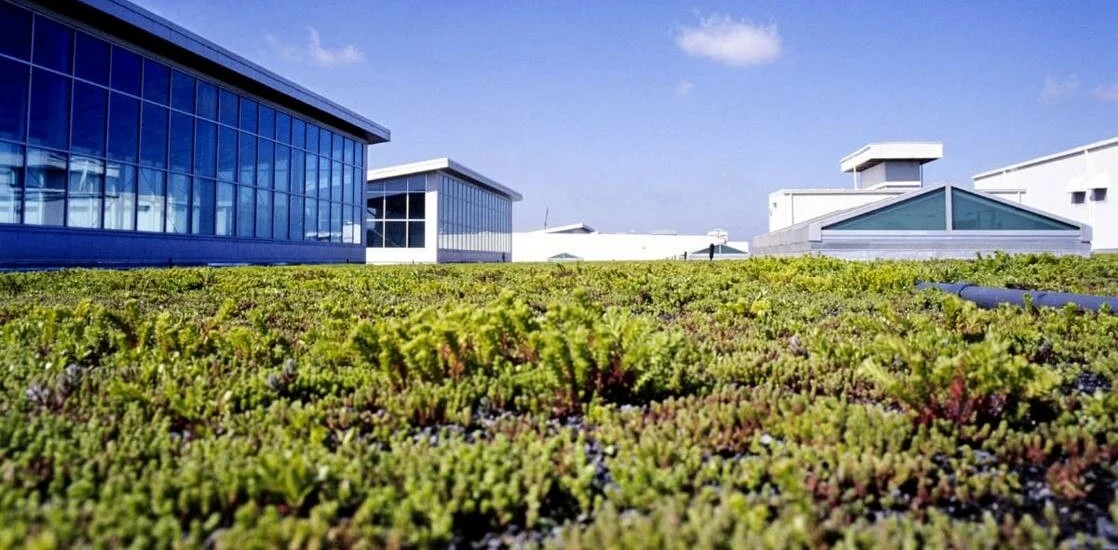
While the demands of a burgeoning American industrial age ultimately steered the land toward heavy manufacturing, an extraordinary twist of modern engineering and ecological restoration has realized Ford’s original century-old dream in the most improbable of places. Today, hovering hundreds of feet above the thunderous assembly lines where iconic F-150 trucks and Ford Raptors roll off the production line, sits a sprawling, 454,000-square-foot ecosystem. Known simply as the "living roof," this botanical expanse has transformed a monument of American industry into a thriving habitat for local wildlife, proving that heavy manufacturing and environmental stewardship can not only coexist, but successfully merge.
Main Facts: The Engineering Marvel Above the Assembly Line
Installed in 2002 as part of a massive revitalization initiative, the sprawling green roof atop the final assembly building of the Ford Rogue Center remains a marvel of sustainable architecture. Covering roughly 10.5 acres—making it the largest turf roof in the world at the time of its completion—the system is a carefully engineered composite of porous concrete, specialized earth layers, and a hearty blend of drought-resistant sedum and freely growing indigenous wild plants.
Rather than functioning merely as a decorative capstone, the living roof serves multiple vital ecological and structural functions:
- Thermal Insulation: The dense layer of vegetation and soil acts as a natural thermal blanket, keeping the massive manufacturing interior approximately 10 degrees Fahrenheit warmer during harsh Michigan winters and 10 degrees cooler during sweltering summers.
- Stormwater Management: Functioning as a giant ecological sponge, the roof captures and absorbs heavy rainfall. It systematically filters water before releasing it into underground retention chambers, drastically reducing runoff velocity and protecting the surrounding municipal stormwater infrastructure.
- Biodiversity Hotspot: Within just five days of its completion, local killdeer birds discovered the elevated habitat, eagerly building their nests amid the sedum. Today, the roof—alongside the broader 600-acre industrial campus—sustains populations of migratory birds, butterflies, insects, and even a thriving colony of approximately 20,000 honeybees.
Chronology: A Century of Transformation at the Rogue
To understand the magnitude of the living roof project, one must trace the winding, century-long history of the Ford Rogue Center, a site that has witnessed the dramatic evolution of American industry, environmental reckoning, and eventual ecological restoration.
1915–1920s: The Genesis and Industrialization
In 1915, Henry Ford conceptualized the development of the Rogue River acreage. Though he briefly contemplated a bird sanctuary, the unstoppable momentum of the American automotive revolution took precedence. By the late 1920s, the location had transformed into the world’s largest integrated factory complex. It was a self-sustaining industrial city where raw materials—iron ore, coal, and rubber—entered one end of the complex, and finished automobiles emerged from the other.
The Mid-to-Late 20th Century: Heavy Industry and Environmental Toll
For decades, the Rogue operated as a powerhouse of twentieth-century manufacturing, pumping out vehicles, wartime military equipment, and immense economic output. However, this unmatched productivity came with a steep environmental price. Decades of heavy industrial processes left behind a legacy of soil contamination, river degradation, and severe stormwater runoff challenges that plagued the local watershed.
The Turn of the Millennium: The $2 Billion Remediation
As the twentieth century drew to a close, Ford Motor Company recognized the urgent need to address the environmental footprint of its historic flagship site. Management committed to a staggering $2 billion site-wide cleanup and modernization effort. This unprecedented undertaking was designed to strip away a century’s worth of industrial contaminants, restore the surrounding natural environment, and reinvent the complex for the twenty-first century.
2002: The Birth of the Living Roof
As part of the broader plant overhaul, renowned sustainable architect William McDonough was tapped to design a modern, environmentally conscious manufacturing facility. The centerpiece of this vision was the installation of the massive 454,000-square-foot sedum roof. Completed in 2002, it instantly shattered records as the world’s largest green roof, setting a new global standard for industrial architecture.
Supporting Data: Quantifying the Impact
The success of the Rogue’s living roof is not merely anecdotal; it is backed by extensive data regarding energy efficiency, hydrological management, and ecological recovery.
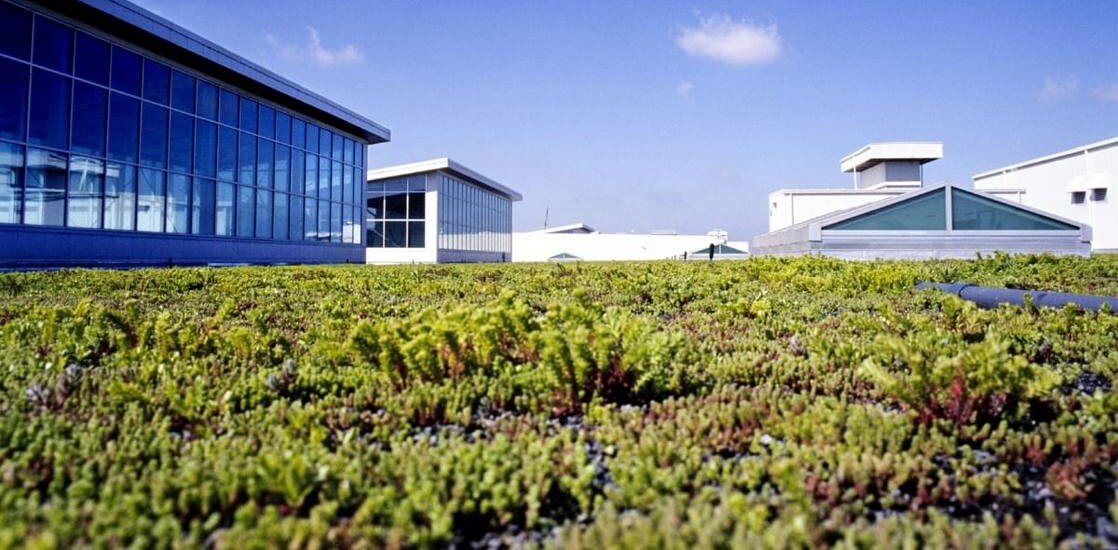
According to data compiled by environmental engineers and facility managers at The Henry Ford, the vegetative cover has fundamentally altered the microclimate of the assembly building. By mitigating extreme temperature fluctuations, the roof significantly reduces the energy load required for heating and cooling the gargantuan interior spaces, translating into lower operational carbon emissions.
Hydrologically, the roof completely resolved long-standing localized flooding issues. Prior to its installation, heavy rainfall across the expansive traditional roofing surfaces overwhelmed the local drainage networks, causing recurring overflows into the Rogue River basin. The engineered soil and sedum matrix now absorb the vast majority of standard precipitation events, releasing the water slowly and naturally.
On the ecological front, biological surveys conducted across the revitalized Dearborn campus have cataloged a dramatic resurgence in local fauna. The integration of native plantings, thousands of flowers, and dedicated pollinator zones has turned an industrial brownfield into a certified sanctuary. The presence of honeybees and diverse bird species serves as a biological indicator of healthy soil and air quality within an actively operating manufacturing hub.
Official Responses and Industry Perspectives
The bold integration of green infrastructure into a heavy industrial setting has drawn widespread praise from urban planners, environmental advocates, and corporate leaders alike.
"When people think of automotive manufacturing, they picture smokestacks, concrete, and steel," said a senior environmental strategist familiar with the project. "What Ford accomplished at the Rogue was a paradigm shift. They took a space defined by twentieth-century industrial grit and reimagined it through a lens of twenty-first-century ecological responsibility."
Architectural and sustainability experts frequently cite the Rogue facility as a pioneering proof-of-concept. By demonstrating that green roofs can scale to industrial proportions—spanning hundreds of thousands of square feet above heavy machinery—the project paved the way for other global corporations to reconsider their own physical footprints.
Automotive industry peers have increasingly taken note, adopting similar circular-economy and sustainable manufacturing practices. Initiatives such as Hyundai’s partnerships to repurpose ocean ghost nets into vehicle floor mats reflect a broader industry-wide movement toward environmental accountability that traces its roots back to the ambitious green gambles made at Dearborn decades ago.
Implications: A Blueprint for the Future of Industrial Architecture
The enduring success of the living roof at the Ford Rogue Center carries profound implications for the future of urban planning, industrial design, and corporate sustainability.
As cities worldwide grapple with the dual challenges of climate change and urban heat islands, the model established in Dearborn proves that industrial zones do not have to be ecological dead zones. By retrofitting existing infrastructure with vegetative layers, corporations can simultaneously lower their energy consumption, manage stormwater runoff without costly gray-infrastructure expansions, and actively foster local biodiversity.
Furthermore, the site bridges a poetic historical gap. While Henry Ford’s initial 1915 dream of a riverside bird sanctuary was momentarily sidelined by the roaring engines of the industrial age, time has proven that nature cannot be permanently paved over. Today, underneath the quiet rustle of sedum and the soaring flight of local killdeer, workers continue to build the vehicles of tomorrow—proving that progress and preservation can share the very same roof.