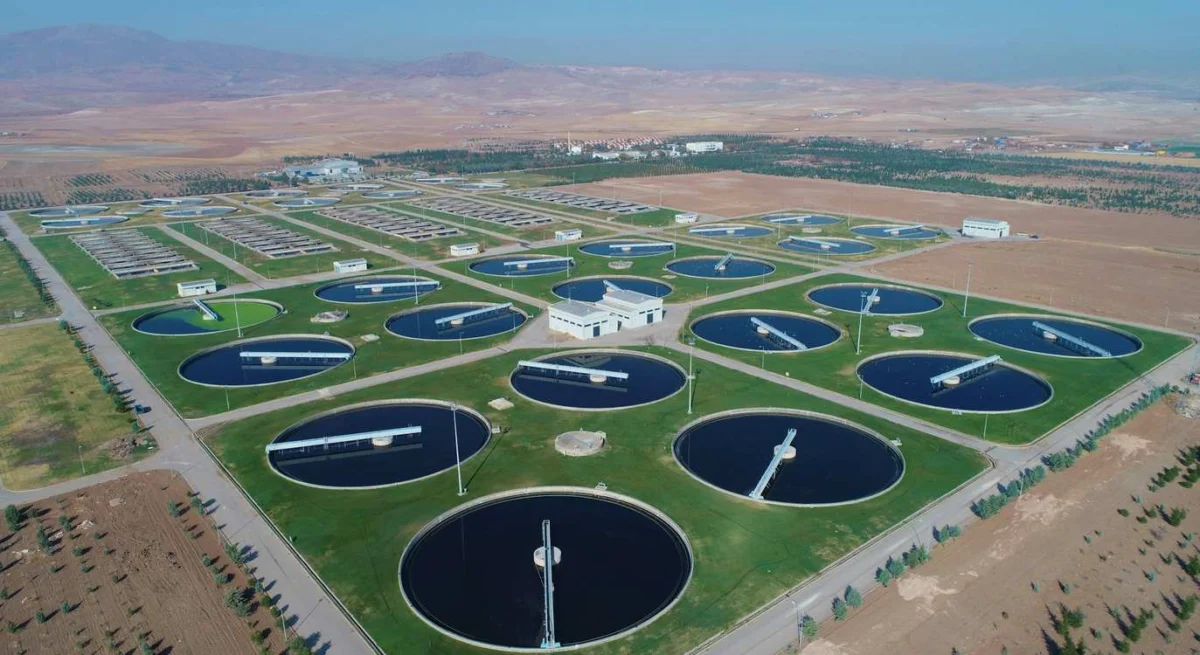
ATLANTIC CITY, New Jersey — In the ongoing global battle against environmental pollution, a quiet revolution is taking shape along the Jersey Shore. While federal regulations have yet to mandate the removal of microplastics from municipal water systems, local authorities are refusing to wait. In a historic first, the Atlantic County Utilities Authority (ACUA) has partnered with an innovative green-tech startup to launch the world’s first commercial-scale filtration system designed specifically to capture microplastics from wastewater before it reaches the ocean.
Developed by PolyGone Systems—a company founded by two Princeton University architecture alumni—this breakthrough technology represents a major leap forward in environmental engineering. As microplastics increasingly permeate ecosystems and human bodies alike, this New Jersey pilot program could serve as the blueprint for municipal water treatment worldwide.
Main Facts: The Breakthrough Technology
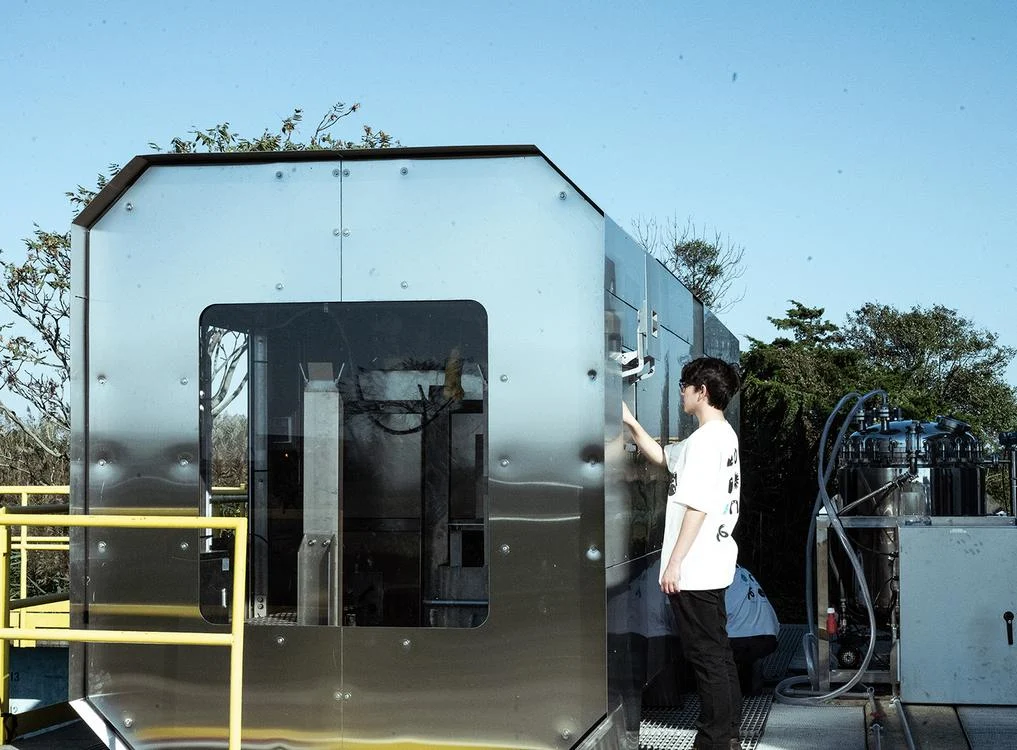
At the heart of Atlantic City’s new environmental defense system is a large, specially engineered commercial implant designed by PolyGone Systems co-founders Nathanial Banks and Yidian Liu.
The mechanism relies on biomimicry, taking inspiration from hydrophobic plants found in nature. These natural flora entirely shed water upon contact while simultaneously attracting and binding microscopic plastic particles. As wastewater flows through the system, the water passes onward while the synthetic particles adhere to the filter’s specialized surface. Once trapped, these accumulated microplastics can be easily harvested and redirected to a recycling facility for proper processing.
Unlike traditional wastewater treatment upgrades that require massive infrastructure overhauls and immense energy consumption, the PolyGone device operates on a low-energy footprint using minimal physical material. Laboratory prototypes demonstrated an astonishing 98% efficiency rate in removing microplastic particles from wastewater. The current two-year pilot program in Atlantic City aims to replicate this extraordinary performance on a commercial scale, servicing a municipality of approximately 40,000 residents.
Chronology of an Innovation: From Princeton Studios to the Jersey Shore
The journey toward this monumental deployment began not in a traditional chemical engineering laboratory, but within the creative halls of Princeton University’s architecture program.
- The Academic Genesis: Nathanial Banks and Yidian Liu met while studying architecture at Princeton. Rather than focusing solely on traditional buildings, the pair became fascinated by environmental challenges and material science, eventually channeling their design expertise into solving water contamination. Liu later noted that the most enjoyable aspect of developing the technology was the architectural challenge of designing a large-scale, functional filtration device.
- Founding PolyGone Systems: Driven by the alarming ubiquity of plastic pollution, Banks and Liu founded PolyGone Technologies (operating as PolyGone Systems) to bridge the gap between academic theory and practical environmental application.
- Laboratory Success: Initial testing of their hydrophobic-mimetic filters in controlled environments yielded stellar results, proving capable of scrubbing up to 98% of microplastics from water samples.
- The California Connection: Before making waves in New Jersey, PolyGone began establishing its presence on the opposite coast, bringing eco-conscious California into their growing network of commercial-scale deployments.
- The Atlantic City Deployment: Recognizing the urgent need to protect marine ecosystems, the ACUA stepped forward to collaborate with the young entrepreneurs, establishing a two-year pilot program that officially makes Atlantic City the home of the world’s first commercial-scale wastewater microplastic filter.
Looking forward, Banks and Liu are already eyeing the consumer market, with plans to scale down their proprietary technology for residential use in homes across the country.
Supporting Data: The Scale of the Microplastic Crisis
To understand why the deployment in Atlantic City is drawing international attention, one must examine the staggering scale of microplastic pollution.
Microplastics—defined as plastic fragments smaller than five millimeters—originate from a myriad of everyday sources. Washing machines shed thousands of synthetic fibers from clothing with every laundry cycle; heavy rains wash tire dust, degraded packaging, and urban litter into storm drains; and general plastic degradation accounts for millions of tons of persistent particulate matter entering our waterways annually.
Traditional wastewater treatment plants (WWTPs) were designed decades ago to manage human sewage, organic solid matter, biochemical oxygen demand, and heavy metals. They were never engineered to capture microscopic synthetic polymers. Consequently, standard treatment facilities allow billions of microplastic particles to pass straight through their filtration stages and flow directly into natural bodies of water.
In laboratory settings, PolyGone’s prototype successfully captured 98% of these elusive contaminants. If the Atlantic City commercial-scale pilot matches these figures, it will prevent countless tons of synthetic debris from infiltrating the marine food web. Furthermore, the startup’s success adds to a growing wave of youth-led and grassroots innovations—such as teenage inventions utilizing tamarind powder and coconut fungi to filter microplastics—proving that ingenuity is rising to meet the crisis.
Official Responses: Proactive Leadership on the Jersey Shore
The decision to install the filtration device was driven by a proactive commitment to public safety and ecological stewardship by the Atlantic County Utilities Authority. Because the U.S. federal government has yet to establish regulatory standards or mandates requiring utilities to filter microplastics, many municipal agencies have adopted a "wait-and-see" approach. The ACUA chose a different path.
“We’re discharging to the ocean. So, if we’re not removing the plastic that’s in our wastewater, we’re putting it back into the environment,” said Matt DeNafo, president of the ACUA, in an interview with WHYY. Emphasizing the direct link between ecological health and public well-being, DeNafo added, “It’s getting into the fish that we’re eating, even the water that we’re bathing. So, it really becomes an issue for human health.”
For the inventors, the collaboration represents a watershed moment for environmental technology.
“I think this really marks a new era for treatment innovation, where we’re able to build very large, scalable systems that use a very small amount of material and very low energy to treat very challenging contaminants,” said Nathanial Banks, co-founder and CEO of PolyGone Systems. “And, having the first system in the world for that in Atlantic County, it’s quite unusual.”
Implications: Confronting Modernity’s Most Pervasive Environmental Crisis
As society looks back on the environmental challenges of past centuries, historians and scientists are increasingly coming to a sobering realization: microplastics may well be recorded as the defining ecological crisis of the modern era.
Consider the industrial revolutions of the past. The mass deforestation of the industrial age, while devastating, possessed a natural path to recovery; once protected, forests were given the time and space to regrow. The horrific air and water pollution of the coal-fired revolution, though debilitating to human populations and local ecosystems, remained relatively localized to the geographic vicinity of mines, factories, and power plants.
Microplastics defy these historical boundaries. They are truly omnipresent. Researchers have detected microplastic fibers anywhere they have cared to look: at the crushing, lightless depths of the Mariana Trench, at the frozen summit of Mount Everest, and—most alarmingly—inside nearly every tested human organ, from the brain to the placenta, often accumulating in quantities exceeding a gram per person.
The psychological and physiological weight of consuming and breathing plastic is only beginning to be understood by the medical community. Yet, despite the apocalyptic scope of the problem, the human response has been overwhelmingly defined by resilience rather than despair. Across the globe, inventors, students, municipal leaders, and startups are proving that humanity is not willing to resign itself to a plastic-choked future.
By welcoming Nathanial Banks, Yidian Liu, and PolyGone Systems to the Jersey Shore, Atlantic City has transformed itself from a coastal tourist destination into a beacon of global environmental hope. If a mid-sized utility authority and two visionary architecture alumni can partner to filter out the invisible pollution threatening our oceans and bodies, it signals that solutions are within our grasp—provided we have the courage to implement them before the law requires us to do so.