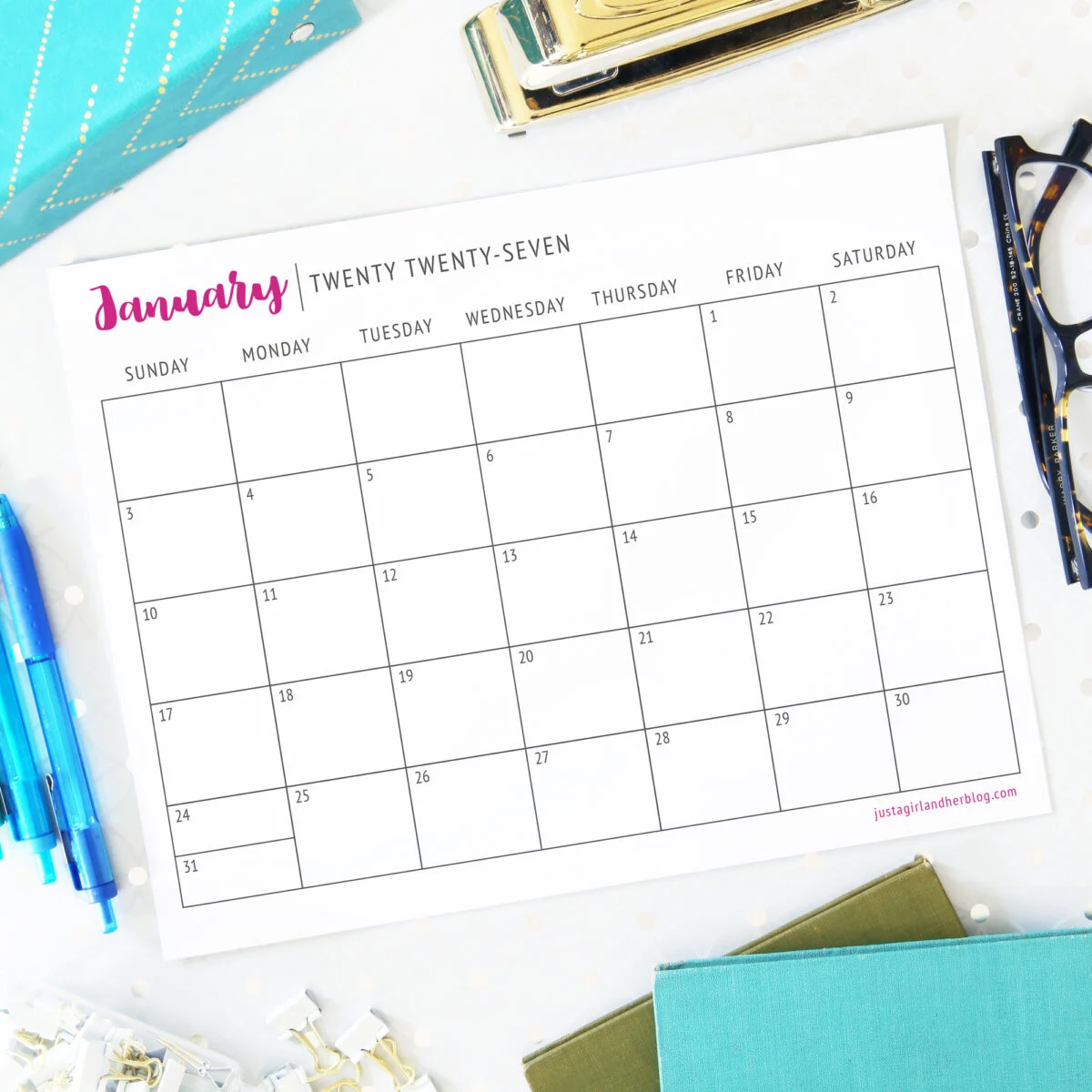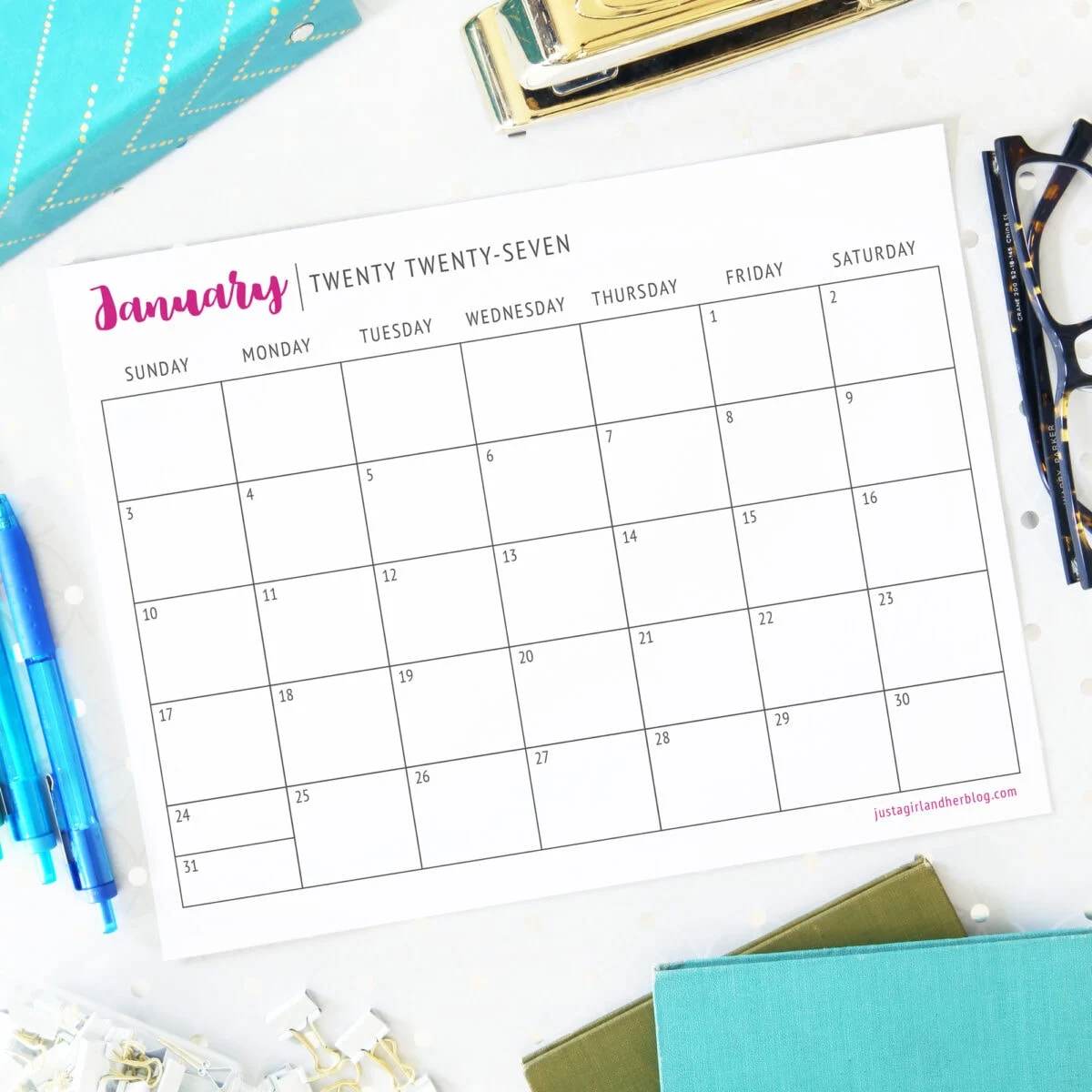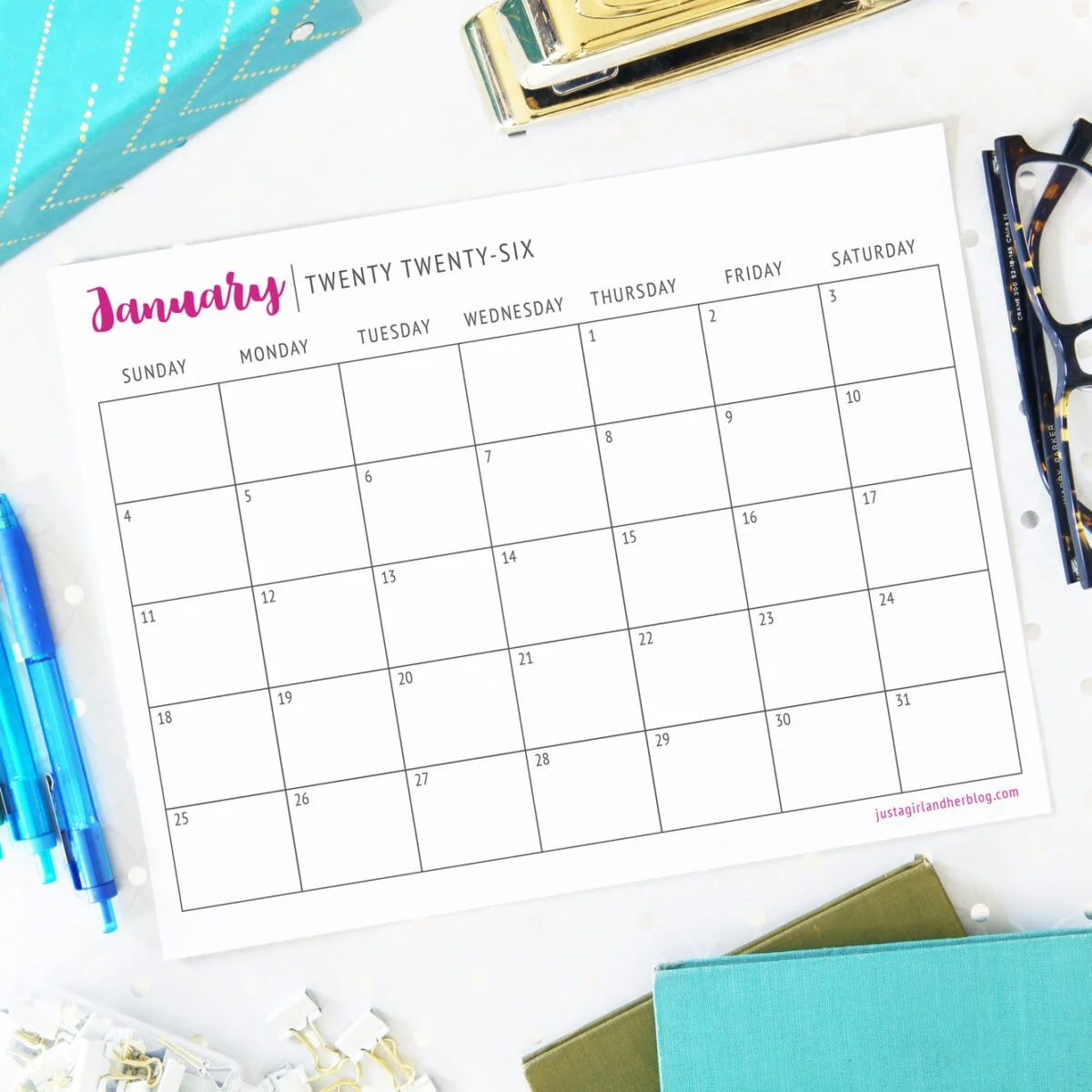
In an era dominated by digital notifications and cloud-based task managers, there remains a profound, tactile satisfaction in putting pen to paper. For millions of people, the act of physically writing down an appointment or crossing off a completed goal is not just a method of time management—it is a cognitive anchor that improves focus and reduces stress. Recognizing this enduring need for analog organization, a comprehensive new suite of 2027 free printable calendars has been released, offering unparalleled flexibility for users ranging from busy students to corporate professionals.
The Evolution of Analog Organization
The demand for printable planners has surged as individuals seek to unplug from the constant bombardment of digital alerts. Research in cognitive psychology suggests that the physical act of writing aids memory retention and encourages a more mindful approach to goal setting. By utilizing a static, physical calendar, users can visualize their entire month at a glance, effectively creating a "command center" for their personal and professional lives.

This latest collection of 2027 templates addresses the diverse needs of a global audience. Whether you are managing a household, tracking academic milestones, or coordinating complex project timelines, these tools are designed to bridge the gap between abstract planning and concrete execution.
A Chronology of Planning: Developing the 2027 Suite
The development of these calendars was not a singular event but a response to years of user feedback. The process began with the identification of common pain points among organizational enthusiasts:
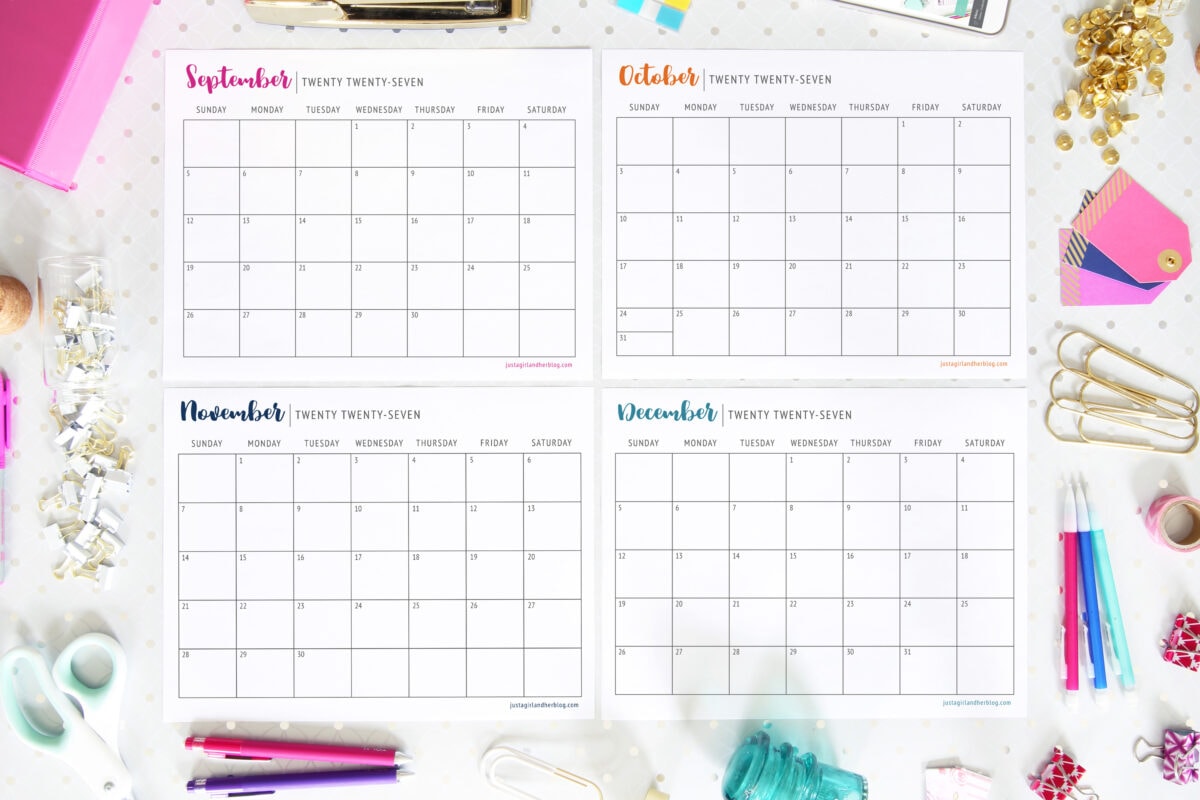
- Initial Phase (2025): Analysis of user requests revealed a clear demand for variety. While the standard US-centric, Sunday-start, landscape-oriented calendar served many, it failed to accommodate international standards and specific workplace requirements.
- Expansion Phase (2026): Designers began drafting variations, incorporating "Monday-start" options for international users and those working in corporate or educational environments where the week is traditionally perceived as beginning on a Monday.
- Refinement Phase (2027): The final suite was perfected, ensuring high-resolution formatting that accommodates both standard home printers and professional printing services. The inclusion of undated versions—a highly requested feature—was finalized to allow for maximum longevity and user customization.
Supporting Data: Why Customization Matters
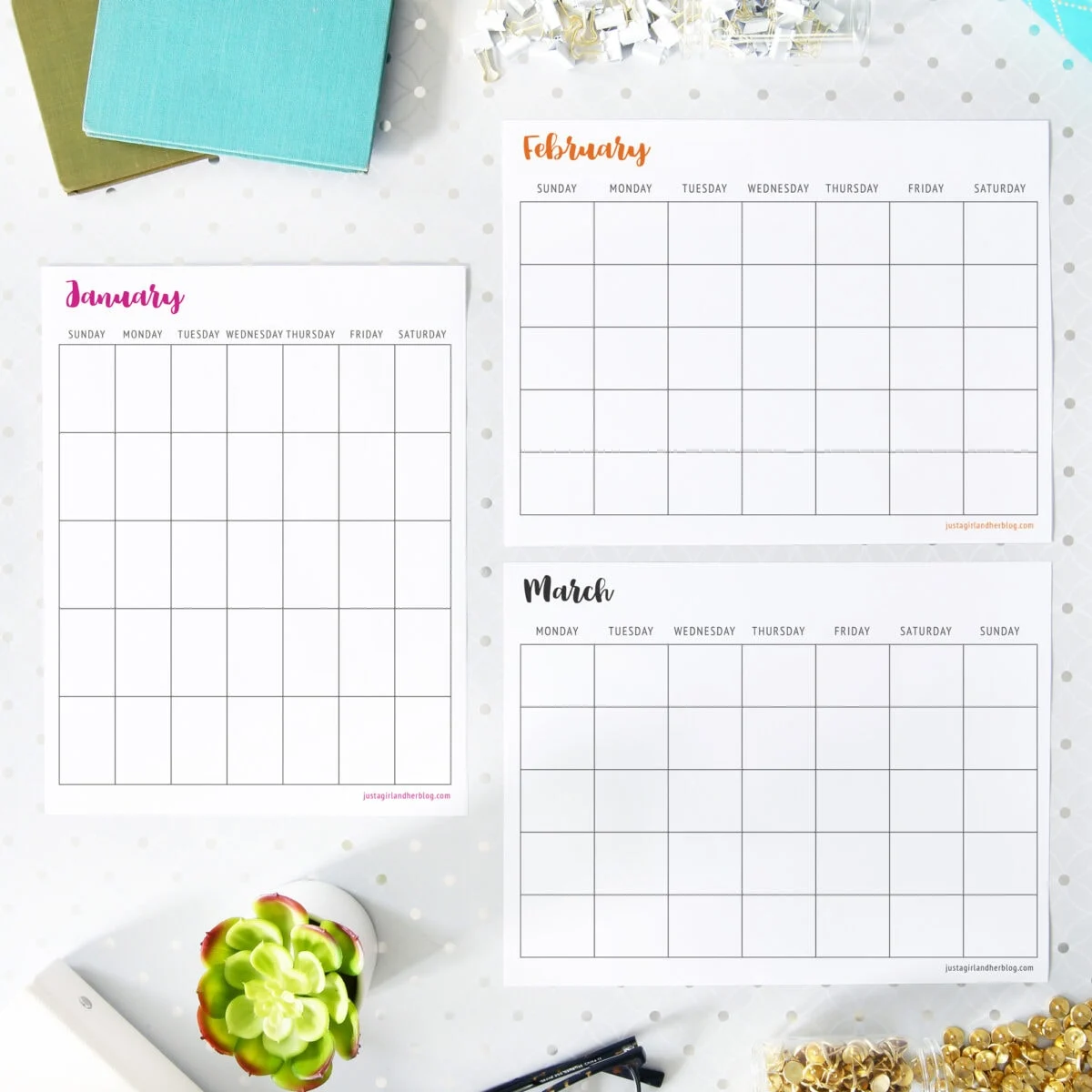
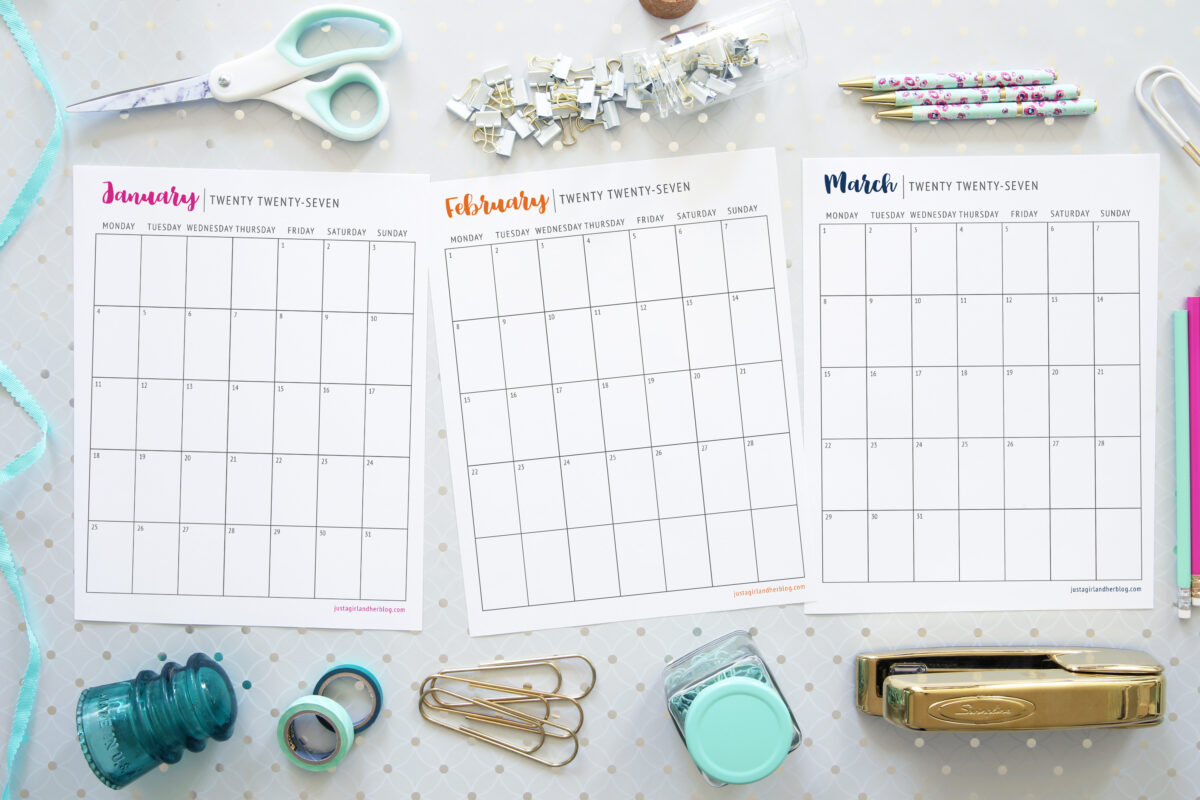
The effectiveness of a calendar is directly tied to its usability. According to productivity experts, the "best" calendar is the one that fits seamlessly into a user’s existing workflow. The 2027 collection offers eight distinct variations, categorized by three primary criteria:
1. Orientation and Layout
The choice between Landscape (Horizontal) and Portrait (Vertical) is more than aesthetic; it is functional.
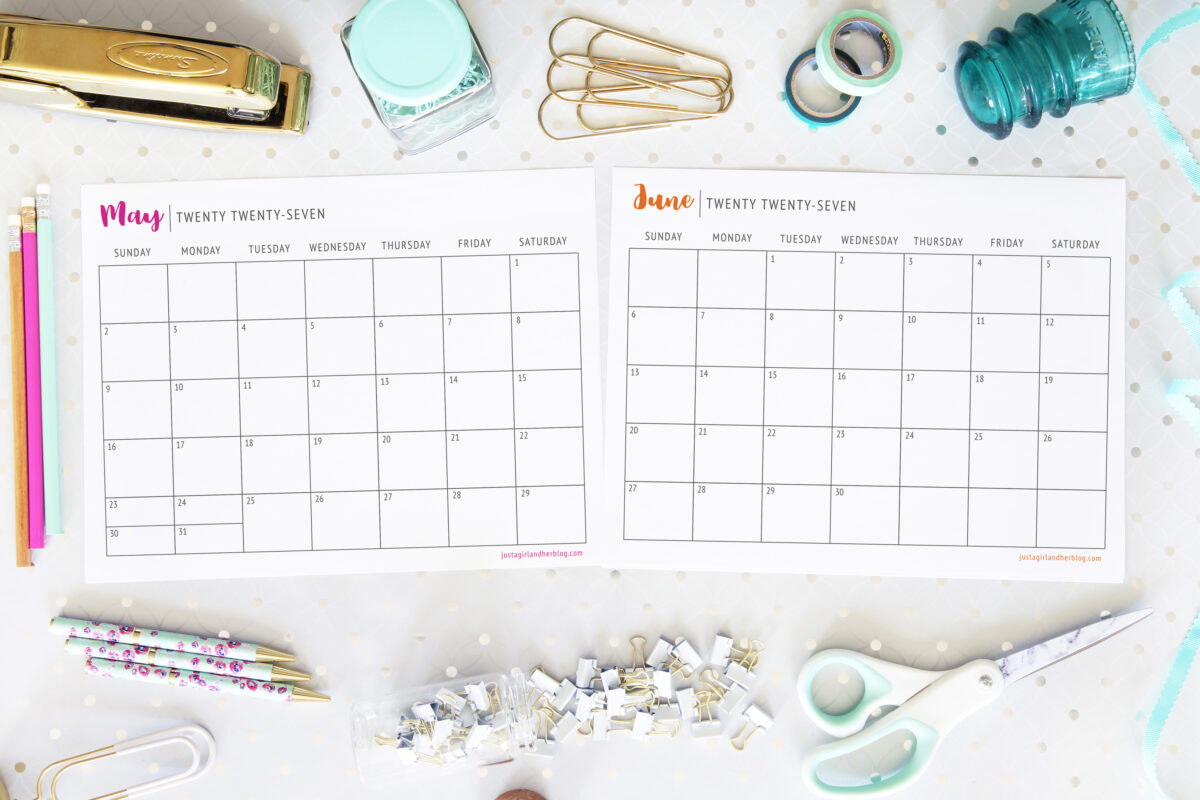
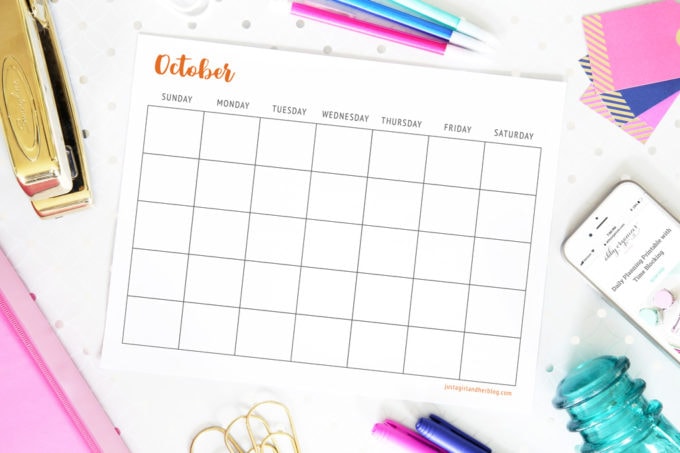
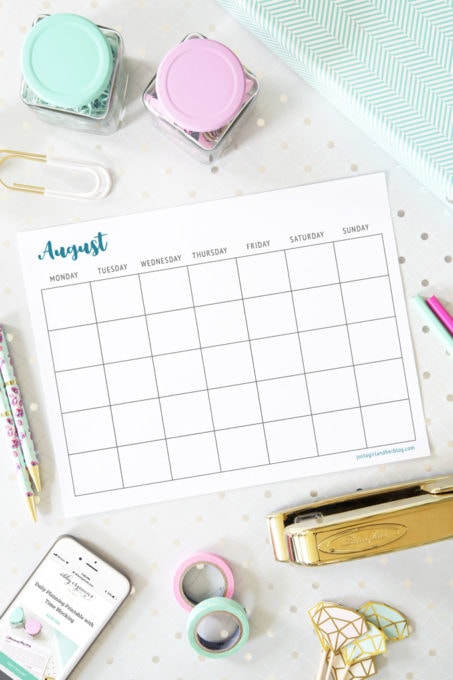
- Landscape: Ideal for desk-top displays and wall hanging, providing a wide view of the month that is perfect for tracking recurring events and long-term project timelines.
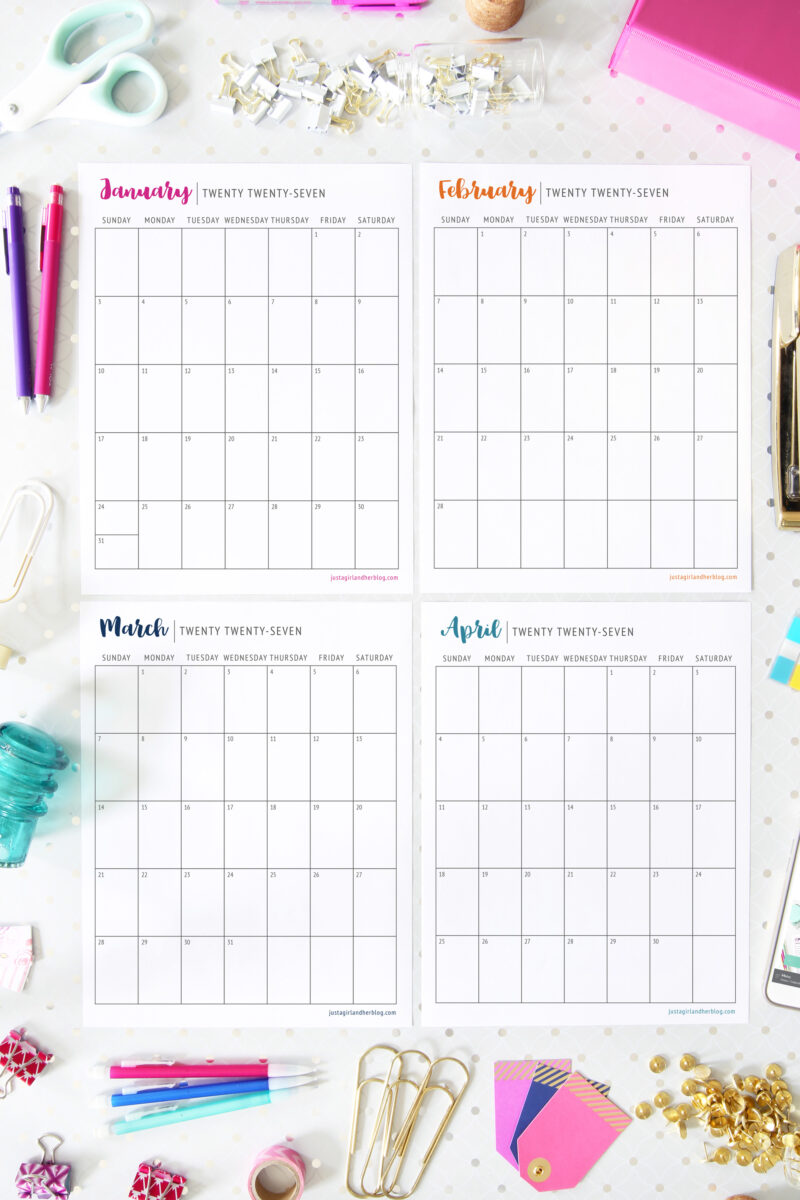
- Portrait: Engineered for those who prefer to keep their schedules in a three-ring binder or a personal planner. This layout is particularly favored by those who need to integrate their calendar pages with other documents.
2. The Sunday vs. Monday Start Debate
The structure of the week can significantly impact how an individual plans their tasks.
- Sunday Start: This is the traditional format used throughout the United States. It is often preferred by those who view their week as starting with a period of rest or reflection, followed by the work week.
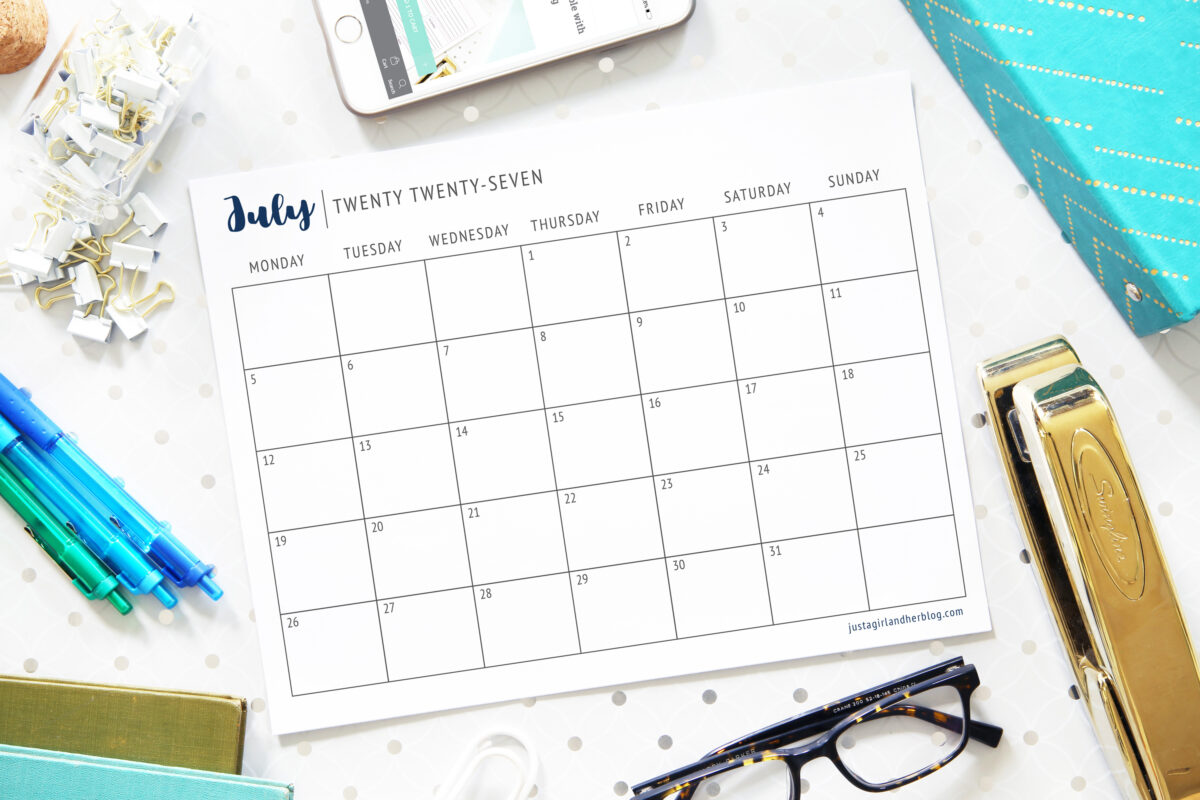
- Monday Start: The global standard, favored in Europe, Asia, and many professional sectors. It aligns perfectly with the "work-week" mentality, keeping Saturday and Sunday together at the end of the block, which is essential for visualizing weekend plans without interruption.
3. Dated vs. Undated Flexibility
While the 2027 dated calendars provide immediate utility for the current year, the undated versions offer a "perpetual" solution. These are invaluable for:
- Goal Tracking: Users can start a 30-day challenge at any time of the year without wasting pre-dated paper.
- Budgeting: Financial planning often doesn’t align with the start of a calendar year; undated grids allow users to create fiscal-year planners that make sense for their specific situation.
- Sustainability: Users can print exactly what they need, exactly when they need it, reducing paper waste.
Official Perspective: The Philosophy of Organization
When asked about the philosophy behind these resources, the creators emphasized that the goal was never just to provide a grid, but to provide a framework for success. "When we plan in advance and break down our bigger goals into more manageable, actionable steps, we are exponentially more likely to achieve them," notes the design team.
The emphasis is on the "accessible" nature of the product. By removing the financial barrier—offering these high-quality, professional-grade templates for free—the initiative aims to democratize organization. Whether you are a student on a budget or a busy parent trying to manage a household, the tools provided are intended to foster a sense of control over one’s environment.
The Implications of Physical Planning
The widespread adoption of these printables has several implications for modern time management:
Reducing Digital Fatigue
As screen time continues to rise, the "digital detox" movement has gained momentum. Using a physical calendar reduces the amount of time spent on devices, which has been linked to improved sleep quality and decreased anxiety. By checking a wall or desk calendar instead of a phone, users avoid the "rabbit hole" of notifications and social media that often occurs when checking a digital app.
Enhancing Intentionality
The process of physically writing an entry is slower than typing. This "friction" is actually a benefit; it forces the user to be intentional about what they include on their schedule. It requires a conscious decision to commit time to a specific task, which helps in prioritizing high-value activities over trivial ones.
The "Binder Culture" and Personalization
The popularity of these printables has fueled a resurgence in "planner culture." Users are not just printing the calendars; they are decorating them with washi tape, color-coded pens, and stickers. This creative engagement turns the mundane chore of scheduling into a therapeutic activity. It allows the individual to express their personality, making them more likely to actually use the tool consistently.
A Wealth of Resources
Beyond the core 2027 calendar collection, the supporting ecosystem of printables—which now exceeds 300 unique pages—includes daily planners, meal trackers, habit trackers, and budget sheets. This vast library allows users to create a bespoke "Life Binder" that is perfectly tailored to their unique needs.
For those looking to integrate these calendars into their routine, the recommendation is simple:
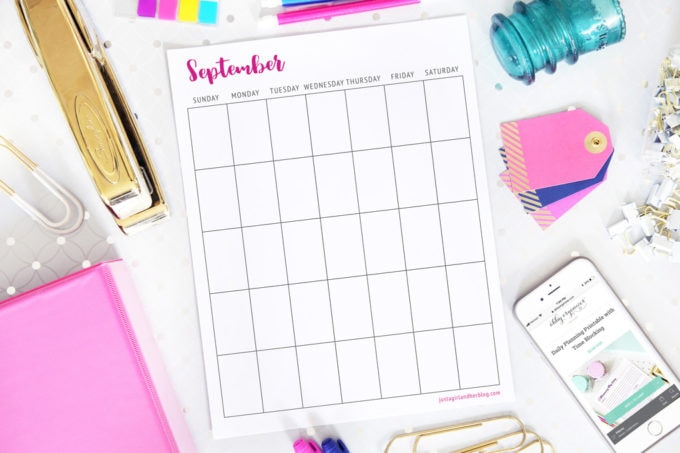
- Select your layout: Decide if you prefer a vertical or horizontal orientation.
- Choose your start day: Ensure your week aligns with your natural rhythm (Sunday vs. Monday).
- Establish a system: Whether it is a dedicated desk space or a portable binder, consistency is the key to reaping the benefits of these tools.
Conclusion: Making 2027 Your Most Organized Year
The release of the 2027 printable calendars is a reminder that despite our technological advancements, some of the most effective tools for productivity remain firmly rooted in simplicity. By providing these resources at no cost, the goal is to empower users to take charge of their time, break down their goals into achievable steps, and ultimately lead more organized, less stressful lives.
As you look toward the coming year, consider the power of paper. Whether you are tracking a major life goal or simply trying to stay on top of daily errands, these printable calendars offer the structure you need to turn your plans into progress. Grab your preferred version today, print it out, and take the first step toward a more organized 2027.
Note: All free printables offered are for personal use only and are protected by copyright. They are intended to assist individuals in their personal organizational journeys and may not be sold or redistributed.