
WASHINGTON — For millions of workers, the traditional biweekly pay schedule is both a blessing and a structural hurdle. While receiving a paycheck every two weeks translates to 26 pay periods a year—effectively yielding two "bonus" months with three paydays—aligning a standard monthly bill cycle with this irregular calendar can cause profound administrative anxiety.
Financial wellness experts note that the friction between fixed monthly liabilities and fluctuating pay schedules is one of the leading psychological barriers preventing households from maintaining consistent, long-term budgeting habits. When tracking spending feels overly complicated, consumers frequently abandon their financial plans altogether.

To demystify this process, financial strategists and personal finance advocates have released updated frameworks—including specialized biweekly calculators and structured step-by-step blueprints—designed to transform a biweekly pay schedule from a logistical puzzle into a powerful tool for wealth accumulation.
The Mechanics of Biweekly vs. Semi-Monthly Pay
To understand how to optimize a biweekly budget, consumers must first recognize the fundamental differences between common pay structures.
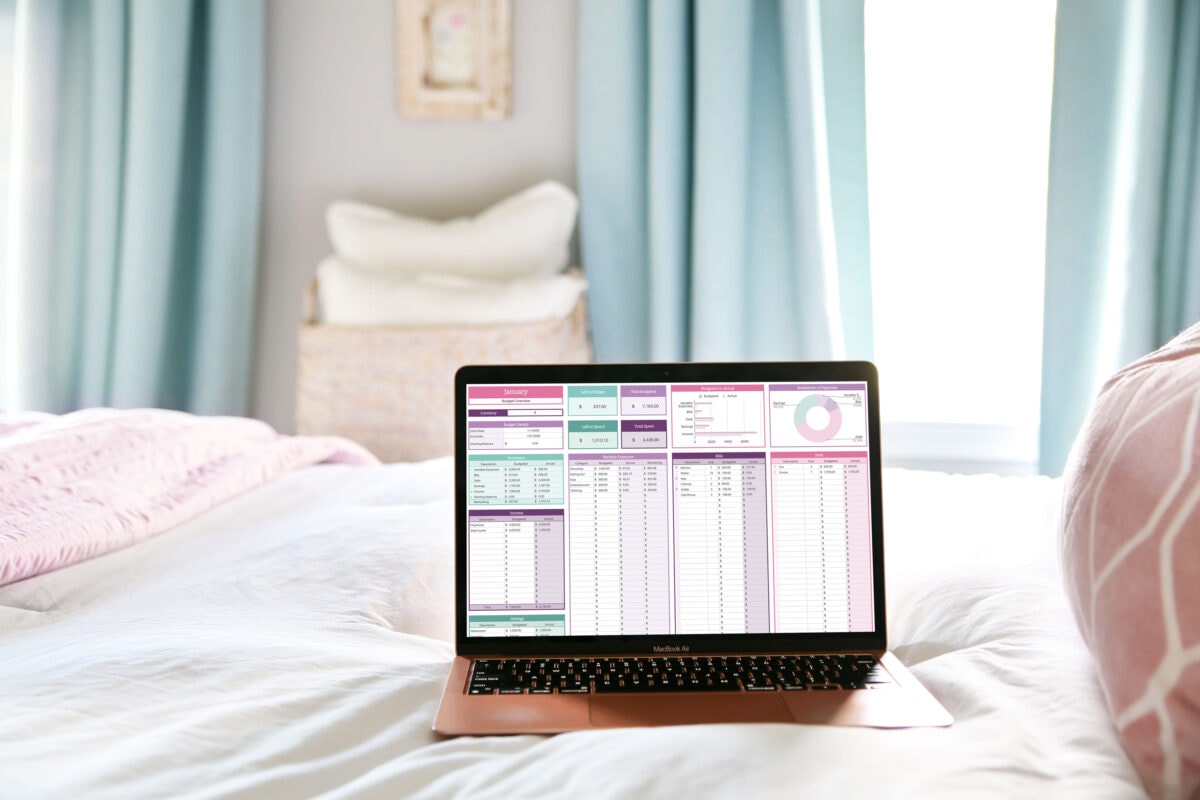
- Biweekly Pay: Employees receive a paycheck every other week, resulting in exactly 26 paychecks per year. Because months do not break evenly into 14-day increments, the calendar dates of paydays shift slightly each month, and pay periods frequently span across two different calendar months.
- Semi-Monthly Pay: Employees are paid twice per month on fixed calendar dates—typically the 1st and the 15th, or the 15th and the last day of the month. This structure always yields 24 paychecks per year.
While semi-monthly paychecks offer predictable alignment with standard monthly rent and mortgage cycles, biweekly paychecks offer a hidden mathematical advantage. If a household constructs its baseline monthly budget around the income generated by just two paychecks per month, two months out of the year will feature a third paycheck. Treated as an unallocated financial surplus, this third check can significantly accelerate debt reduction or emergency savings goals.
Chronology of a Biweekly Budget: A 5-Step Implementation Plan
Establishing an effective household budget on a biweekly cycle requires shifting away from calendar-month thinking and moving toward a cash-flow management system. Financial planners recommend the following chronological framework for households looking to master their biweekly income.

Step 1: Establish Net Income Baselines
The first phase of any financial plan requires absolute clarity on cash flow. Consumers must calculate the exact net income (take-home pay) available from each individual paycheck.
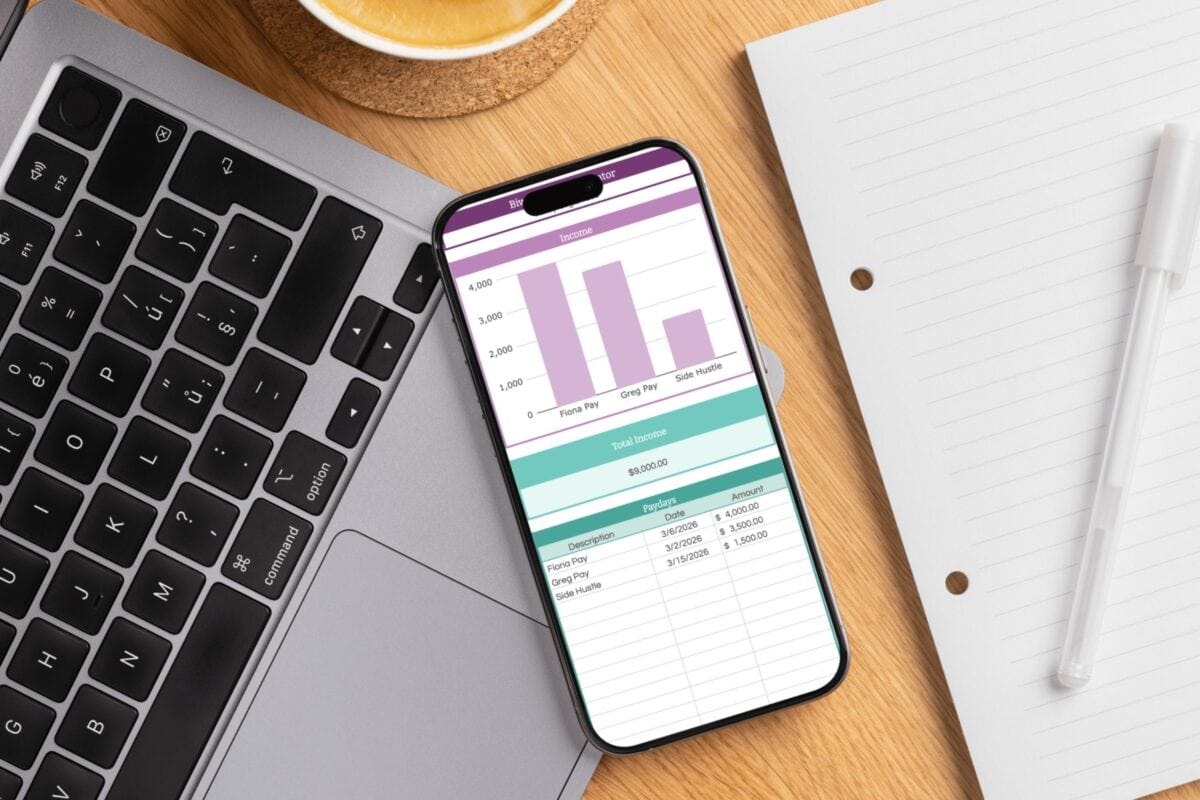
- Factor in all streams: For households with dual incomes, variable freelance work, or side hustles, every reliable source of secondary income must be mapped out alongside primary earnings.
- Ignore gross pay: Relying on pre-tax figures guarantees budget shortfalls. Only net, deposited funds should be factored into immediate spending equations.
Step 2: Audit Bills, Debts, and Due Dates
Next, households must perform a comprehensive financial audit by reviewing bank and credit card statements from the previous 30 to 60 days. Every recurring liability—including housing, utilities, insurance, auto loans, and revolving credit card debt—must be cataloged with its exact name, due date, and average payment amount.
- Account for variable utilities: For bills that fluctuate seasonally (such as electricity or water), financial experts advise budgeting a ballpark figure set slightly higher than historical averages. Surpluses are easily managed; deficits create immediate cash crunches.
- Smooth out the timeline: Ideally, fixed bills should be evenly distributed across the first and second halves of the month. If a disproportionate number of bills fall due during the first two weeks, consumers are encouraged to contact service providers and request a billing cycle change. Most utility companies, landlords, and lenders readily accommodate these adjustments.
Step 3: Categorize and Track Variable Expenses
Once fixed obligations are accounted for, consumers must define their variable living expenses. These categories typically include groceries, fuel, dining out, entertainment, and personal care.
- The 30-day baseline test: Beginners who are unsure of their spending habits should track every purchase for a single month without restrictions. This establishes a realistic baseline rather than an idealistic, restrictive goal.
- The "Left-to-Spend" metric: Subtracting fixed bills and projected savings contributions from net income yields the precise "left-to-spend" figure available for variable categories across a given pay period.
Step 4: Automate Savings and Establish a Buffer Fund
Savings contributions—whether directed toward retirement accounts, children’s education funds, or specific sinking funds for holidays and travel—must be treated as non-negotiable fixed expenses rather than optional leftovers.
Furthermore, financial analysts strongly recommend establishing a dedicated Buffer Fund for biweekly earners.
- The role of the buffer: Because paydays occasionally fall at inconvenient points relative to major monthly due dates, a small cash buffer acts as a financial shock absorber.
- Replenishment rules: If money is drawn from the buffer to bridge a temporary timing gap, it should be replenished as soon as the next paycheck clears. The ideal size of a buffer fund scales with household expenses, usually ranging from a few hundred to a couple thousand dollars.
Step 5: Implement Weekly Expense Tracking
A budget is not a static document; it is a dynamic management system. Financial coaches recommend setting aside 15 to 20 minutes at the end of every week—traditionally Friday mornings—to log transactions into a digital spreadsheet or tracking app. Regular monitoring ensures that households can course-correct mid-month before minor overspending transforms into a deficit.

Supporting Data and Digital Tools
Managing the complex intersection of 14-day pay cycles and 30-day billing months historically required complex manual calculations. Today, however, specialized digital resources have streamlined the process.
Industry analysts point out that manual budgeting failure rates drop significantly when consumers utilize automated templates. To combat this friction, digital resource platforms now offer specialized Biweekly Paycheck Bill Calculators.

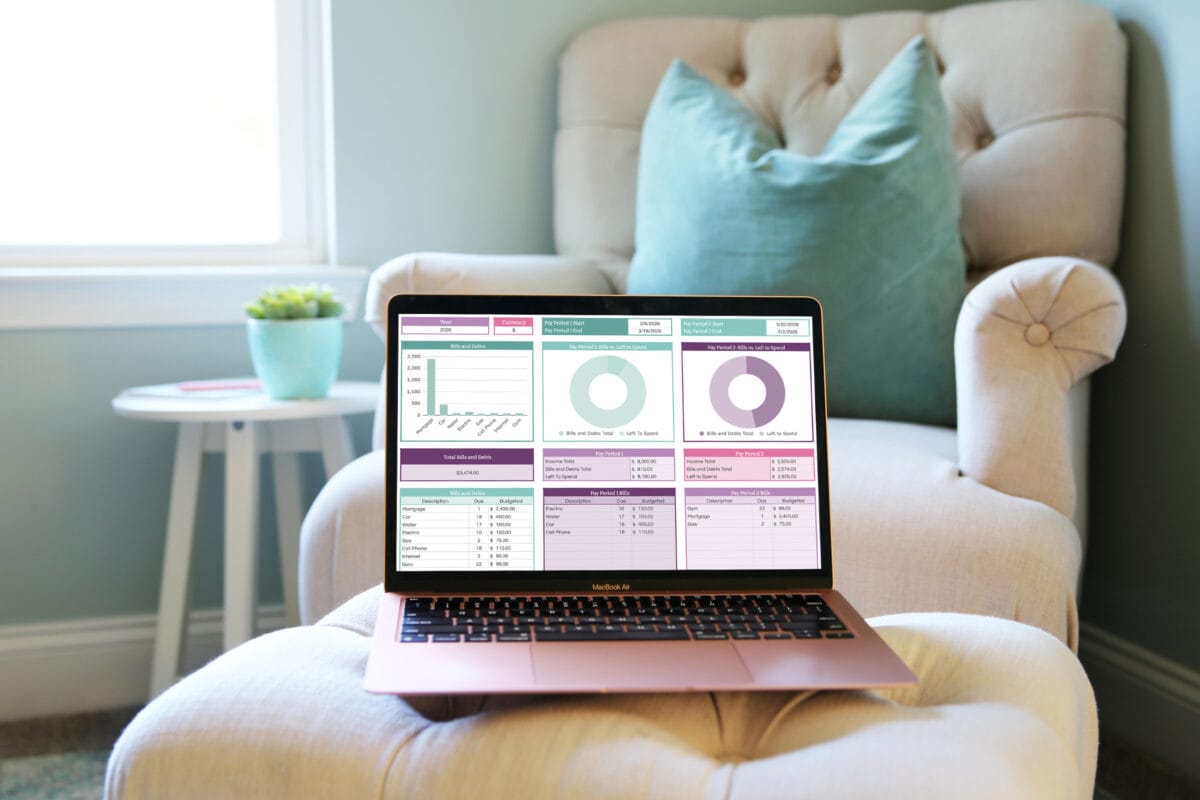
These automated tools allow users to input their exact net income, recurring debt obligations, and specific pay period dates. The spreadsheet dynamically calculates which bills are covered by which specific paycheck, instantly projecting remaining cash balances for discretionary spending and debt paydown.
Official Perspectives: The Psychology of Financial Visibility
Behavioral economists and financial planners emphasize that the primary benefit of structured biweekly budgeting extends far beyond simple mathematics; it fundamentally alters consumer psychology.

"When individuals take twenty minutes a week to consciously engage with their numbers, a psychological shift occurs," notes consumer finance researcher Dr. Aris Thorne. "The barrier isn’t a lack of income—it’s a lack of real-time visibility. Once a household clearly sees where each paycheck is allocated, impulsive spending naturally drops off without the consumer feeling like they are living in a state of constant deprivation."
Furthermore, labor economists highlight that biweekly pay structures inherently encourage forced savings through the aforementioned "third paycheck" phenomenon. In months where three paydays occur instead of two, households that maintain their standard two-paycheck baseline budget experience a sudden, unallocated influx of capital.

Financial Implications of the "Third Paycheck" Surplus
For a worker earning a net income of $2,000 per paycheck, a biweekly schedule yields four months out of the year with three pay periods (depending on calendar alignment), though standard calculations highlight two distinct months where an entire extra check ($4,000 annually) can be strategically deployed.
Financial institutions and credit counselors advise consumers to establish a ranked priority list for these surplus funds before they hit bank accounts:

- High-Interest Debt Elimination: Directing windfall cash toward revolving credit card balances with double-digit interest rates yields an immediate, guaranteed financial return.
- Emergency Fund Fortification: Expanding liquid savings to cover 3 to 6 months of essential living expenses.
- Long-Term Wealth Building: Increasing contributions to employer-sponsored retirement plans (such as a 401(k) or 403(b)) or personal IRAs.
- Planned Sinking Funds: Funding predictable, upcoming large expenses such as annual insurance premiums, property taxes, vehicle maintenance, or holiday shopping.
By pre-committing these funds to a ranked hierarchy of goals, households eliminate the decision fatigue and impulse purchases that frequently accompany unexpected financial windfalls.
Conclusion
Budgeting with biweekly paychecks does not require advanced accounting degrees or exhaustive mathematical gymnastics. By establishing clear net income baselines, auditing and distributing fixed liabilities evenly, leveraging automated digital calculation tools, and treating third-paycheck surpluses with intentional strategy, workers can harness their 26-paycheck calendar as a primary driver of long-term financial stability.