NATIONAL REPORT — As families gear up for the frantic rush of the upcoming academic calendar, educational organization specialists and lifestyle bloggers have answered the annual cry for structure. The highly sought-after, comprehensive Printable Student Binder has officially returned, boasting updated layouts, extended date ranges, and dual color schemes designed to accommodate students from middle school through college.
Developed to combat the overwhelming nature of syllabus week and chaotic semester transitions, this robust organizational toolkit provides students, parents, and educators with a centralized digital-to-physical hub for managing academic and extracurricular responsibilities. Featuring more than a dozen specialized templates, the newly released system aims to preemptively reduce academic stress by fostering structured study habits from day one.
Main Facts: What is the Printable Student Binder?
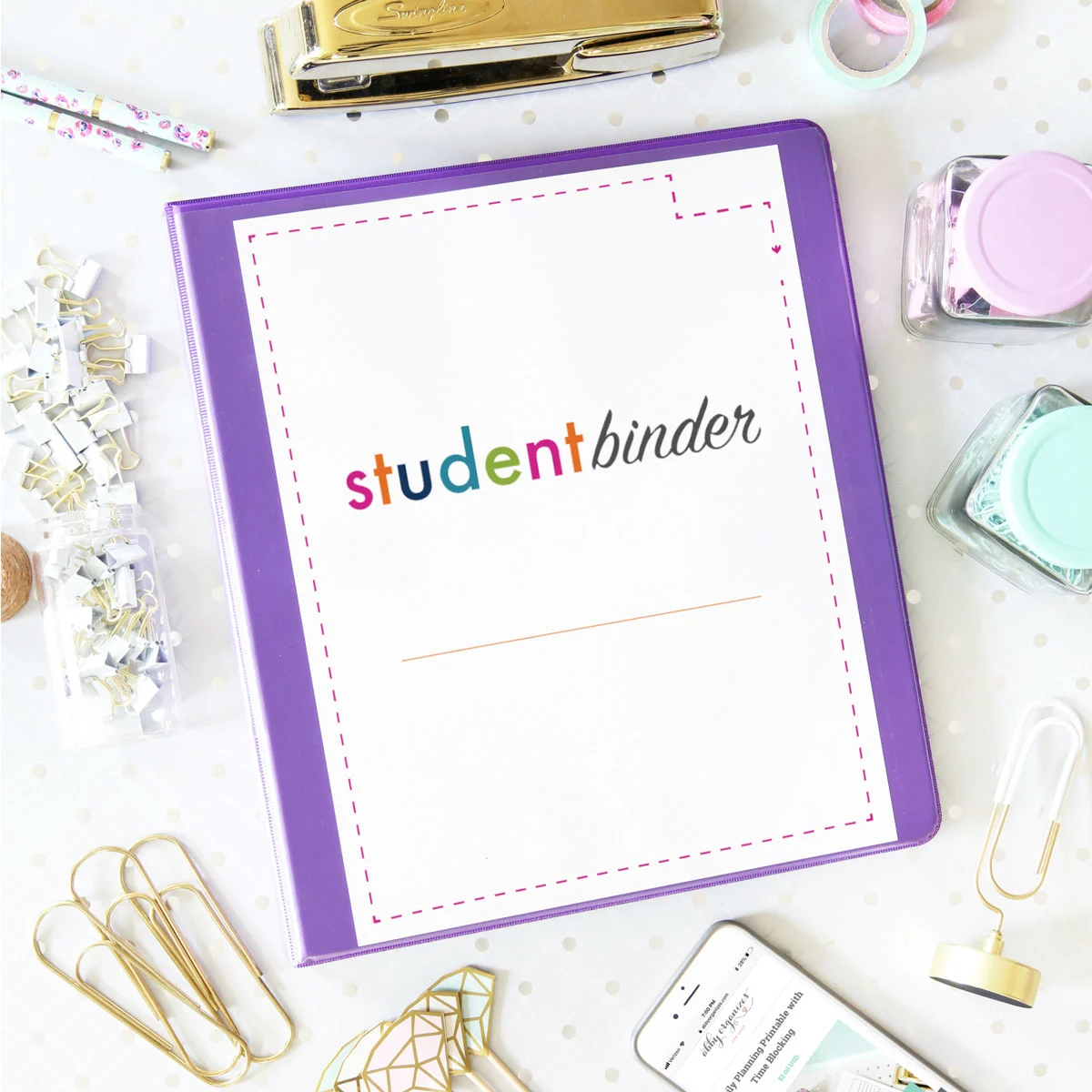
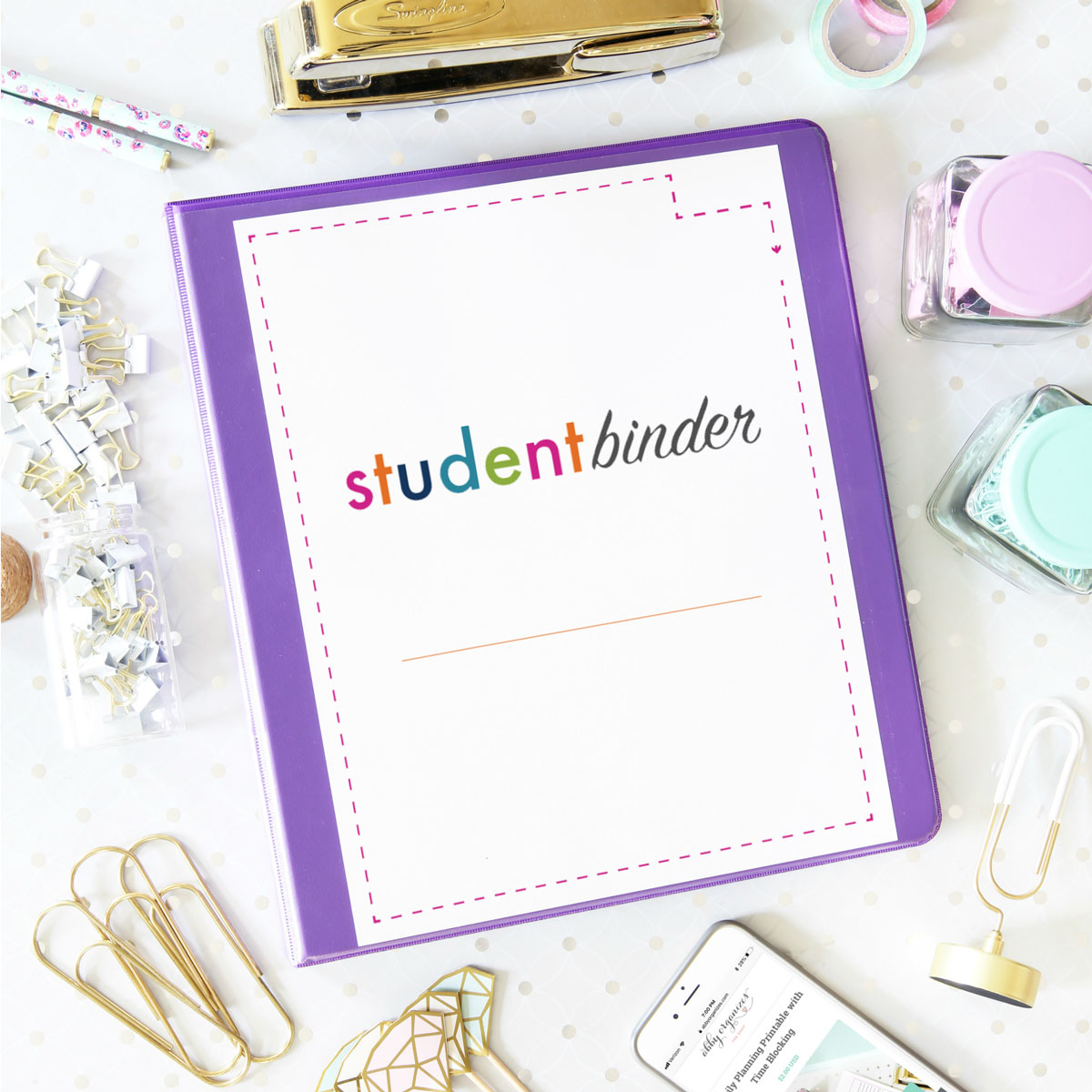
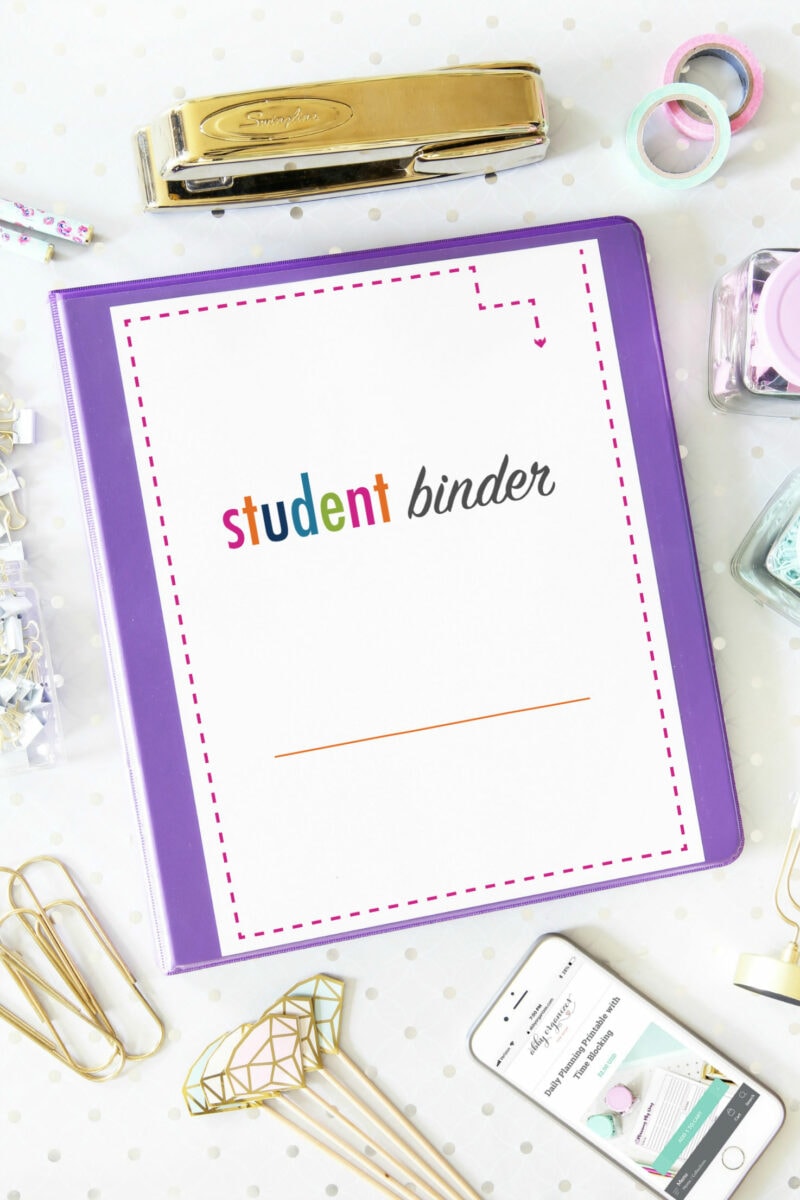
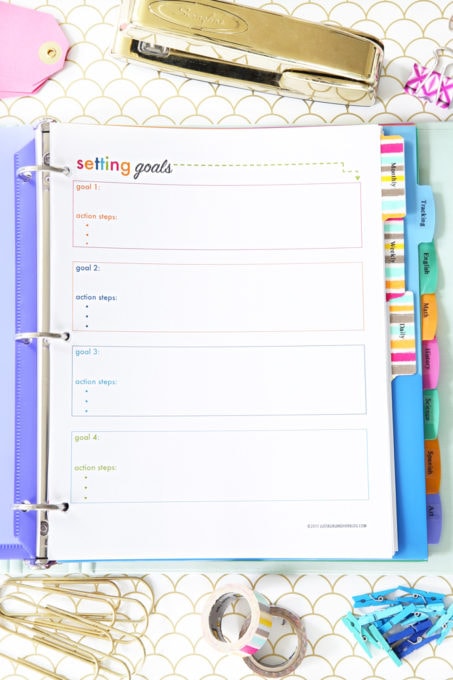
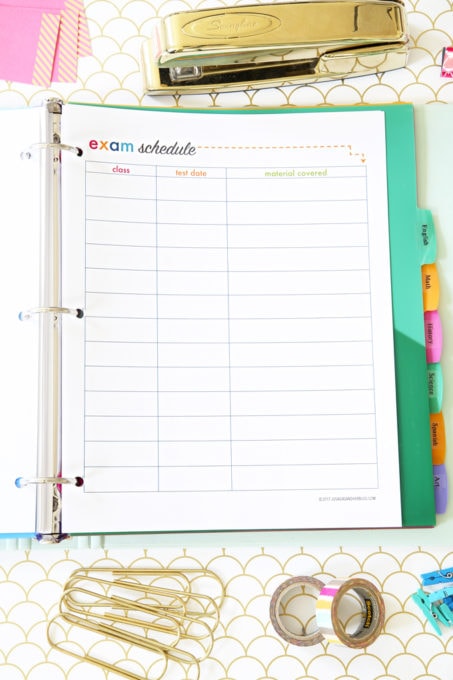
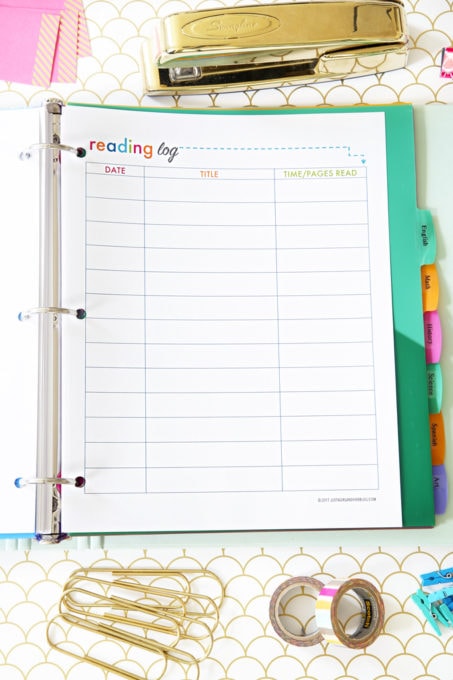
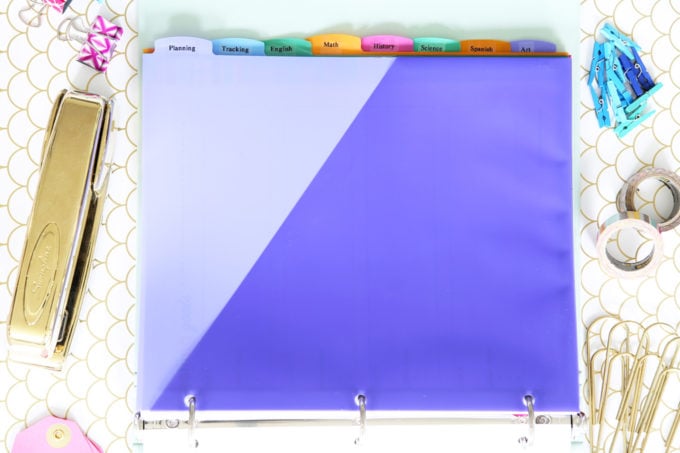
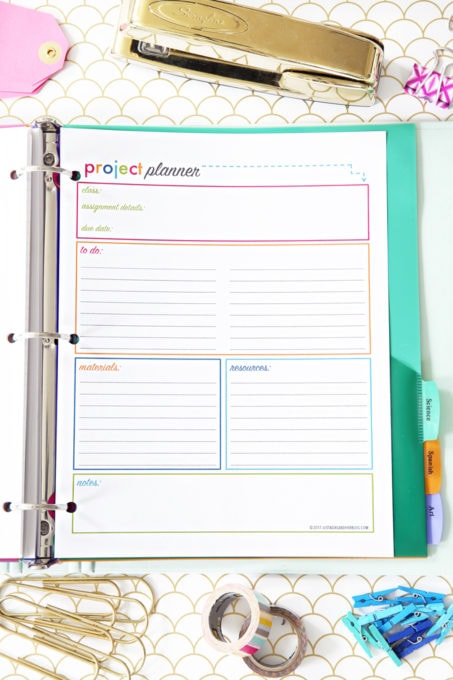
The newly updated student binder is a comprehensive, modular collection of downloadable PDF templates intended to be printed and assembled in a standard three-ring binder. Rather than relying on generic, one-size-fits-all planners, this system is structurally segmented into three core operational pillars: Planning, Tracking, and Subject-Specific Management.
Key components of the newly refreshed release include:
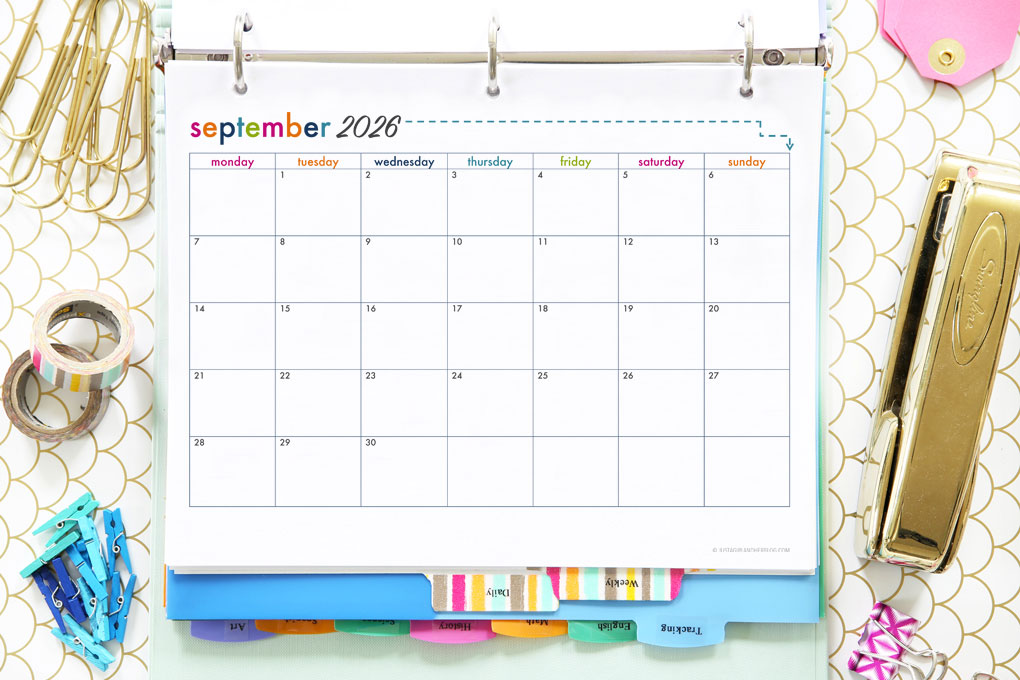
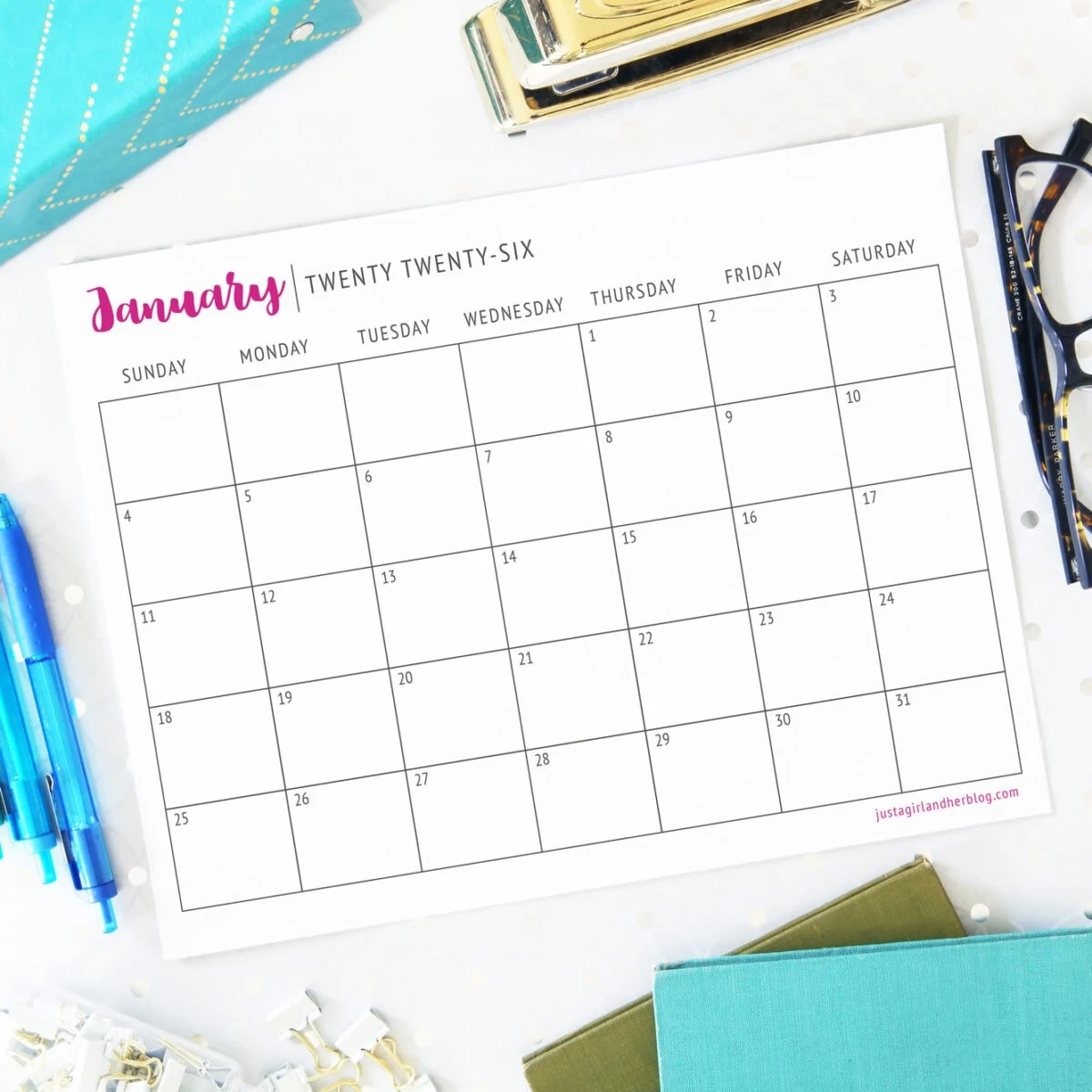
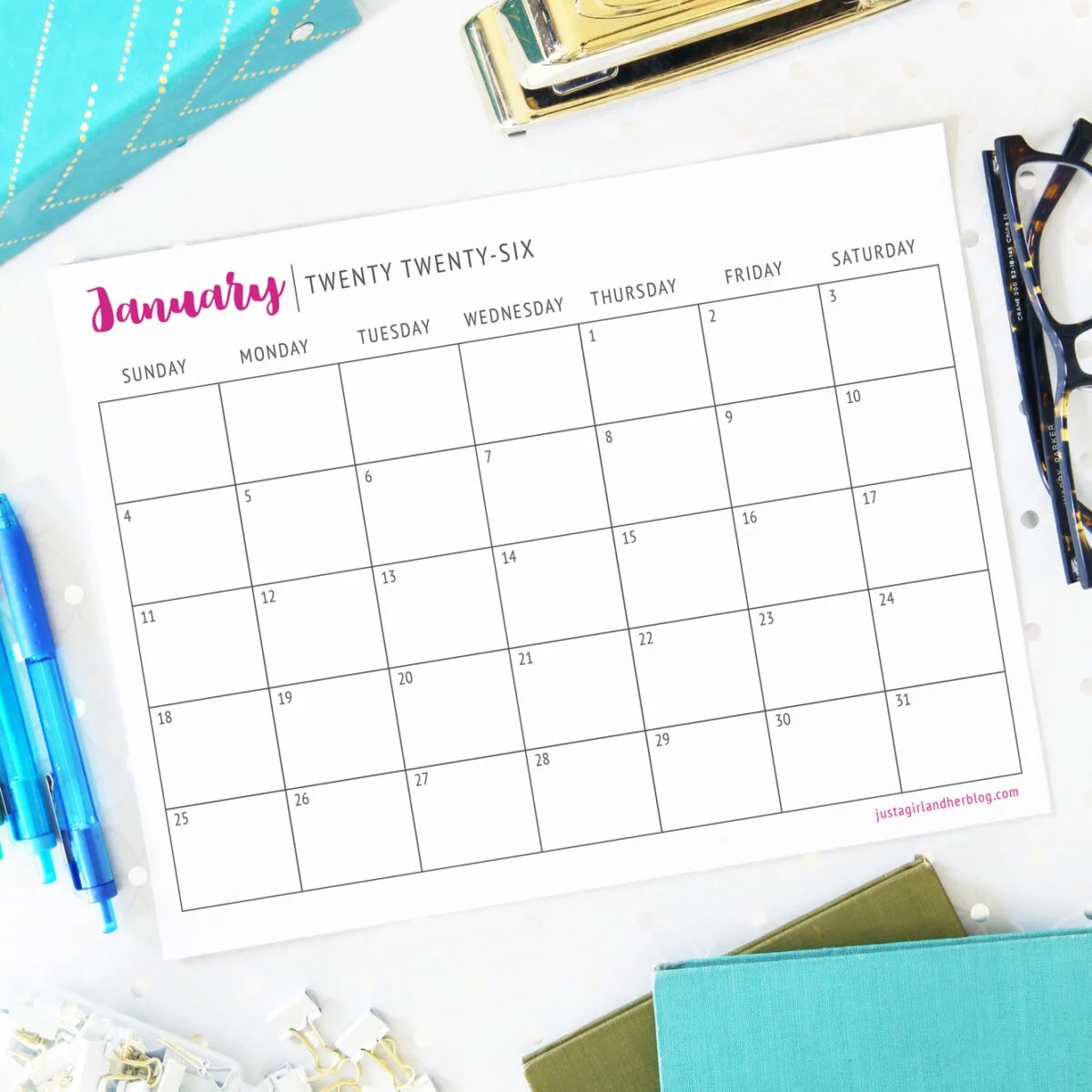
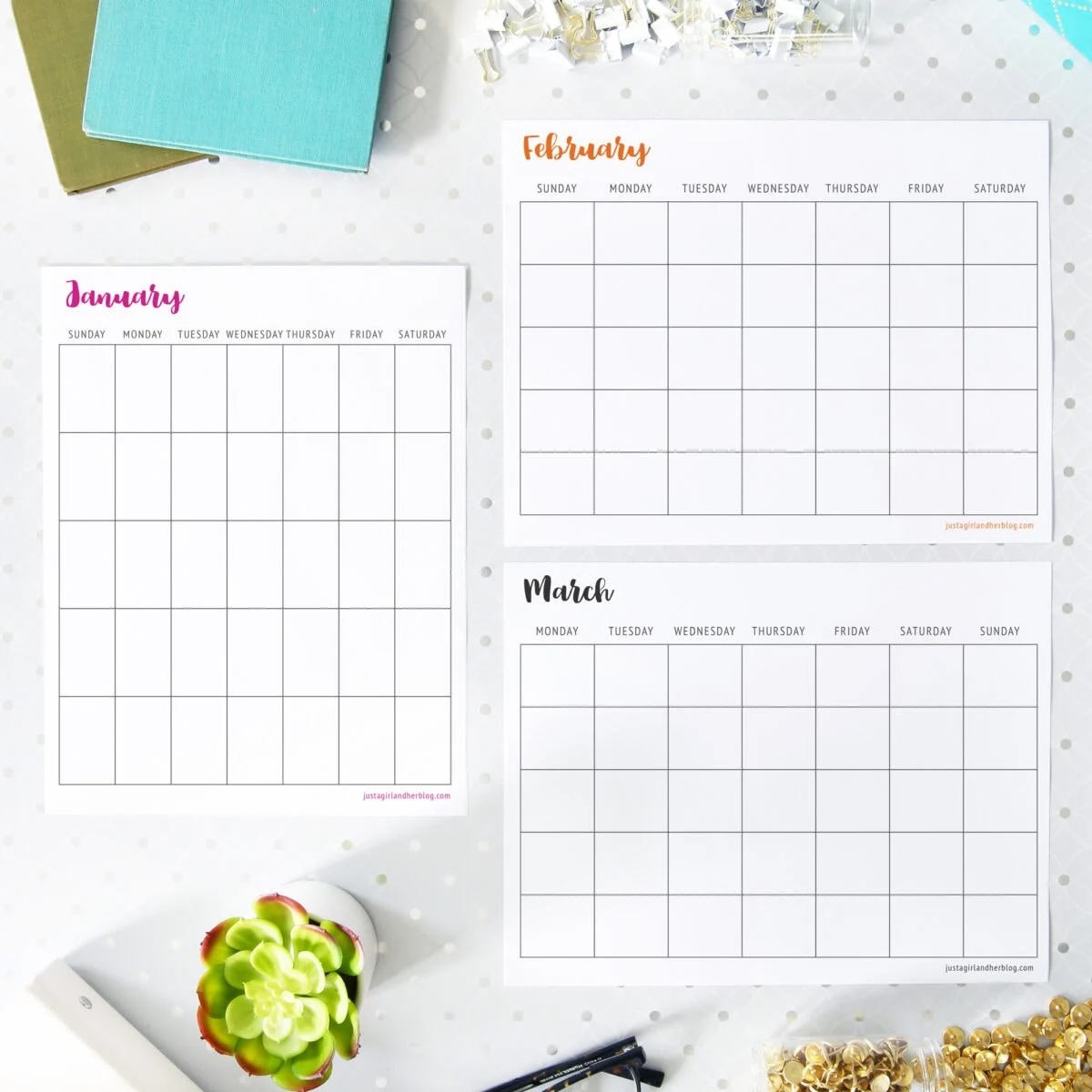
Extended Date Utility: Incorporates dated monthly calendars running from July 2026 through December 2027, alongside fully undated calendar variations for perpetual use.
Dual Aesthetic Schemes: Available in two distinct color palettes—a vibrant, warm motif and a cooler blue alternative designed to suit varied personal preferences and user demographics.
Modular Architecture: Designed to scale effortlessly, allowing users to print multiple copies of specialized worksheets like grade trackers, daily routines, and project planners for individual classes.
Accessibility: Distributed freely through dedicated resource libraries, lowering the financial barrier to entry for effective student organization tools.
Chronology: The Evolution of the Academic Organization System
The release of the 2026–2027 binder follows a multi-year trajectory of iterative design responding directly to user feedback and changing educational environments.
Early Development (Pre-2016): Initial iterations of student organizers were basic, standalone templates focused primarily on calendar tracking and rudimentary note-taking. Users frequently reported difficulties adapting rigid commercial planners to individualized high school and college course loads.
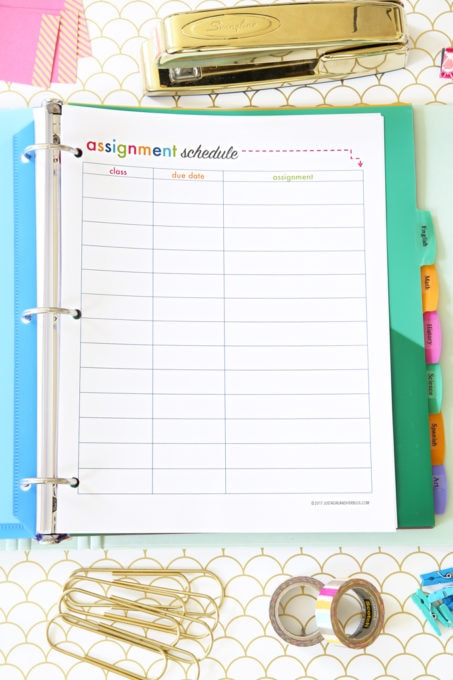
The 2016 Modular Redesign: The framework underwent a major structural overhaul, introducing dedicated color-coded subject sections, time-blocking schedules, and distinct project-planning modules.
The "Boy Mom" Feedback Integration (2018–2021): Following extensive community feedback regarding aesthetic preferences—specifically requests from parents of boys for less stereotypically gendered colorways—creators introduced a secondary, cool-toned blue color scheme, significantly expanding the user base.
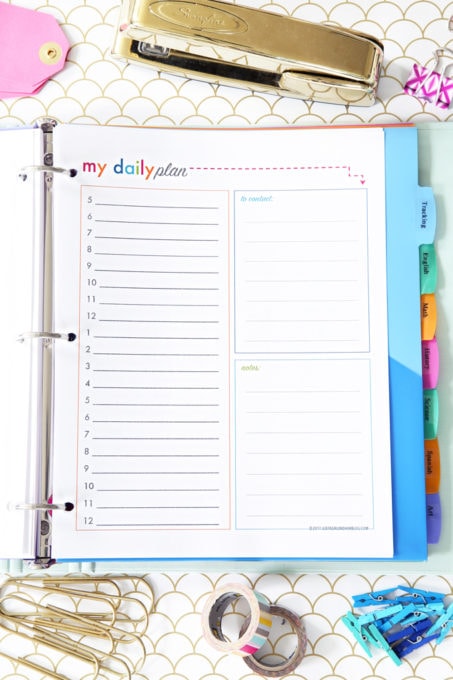
The 2026–2027 Comprehensive Refresh: The current release incorporates extended date ranges (up to late 2027), refined time-blocking daily layouts, and optimized typography designed for improved legibility on standard white cardstock and high-yield inkjet printers.
Supporting Data: The Science of Student Organization and Time Management
Educational researchers and productivity experts have long emphasized the psychological and cognitive benefits of tactile planning. While digital apps and university learning management systems (LMS) dominate modern schooling, studies consistently indicate that physical note-taking and manual scheduling enhance information retention and cognitive load management.
Retention and Recall: Research in cognitive psychology shows that handwriting dates, assignments, and goals activates the reticular activating system (RAS) in the brain, filtering out extraneous stimuli and prioritizing critical deadlines.
The Overwhelm Factor: According to academic counseling surveys, up to 65% of incoming college freshmen and high school upperclassmen cite time management and syllabus shock as primary stressors during the first month of a term. Systems utilizing time-blocking and sequential assignment schedules reduce perceived anxiety by breaking macro-goals into actionable daily steps.
Customization Metrics: User analytics from educational lifestyle platforms indicate that modular printables—where students print only the pages they utilize (such as grade trackers or reading logs)—experience a 40% higher long-term adherence rate compared to pre-bound, static commercial planners that often get abandoned by mid-semester.
Official Responses and Creator Insights
The driving philosophy behind the binder’s ongoing updates stems from a combination of professional educational background and grassroots community interaction.
"Over the past few months, one of the most common questions I have received has been: ‘When are you going to update the student binder?!’ Well, I’m thrilled to say that it is here," the lead designer and former English educator noted during the launch. "Everyone probably won’t need all of these different printables for planning their time, but I wanted to make sure I provided a bunch of different options so each person could choose the printable or printables that would work best for them."
Addressing the inclusion of specialized tools like the daily routines and time-blocking planners, education advocates stress that building autonomous organizational habits early in life translates directly into professional success.
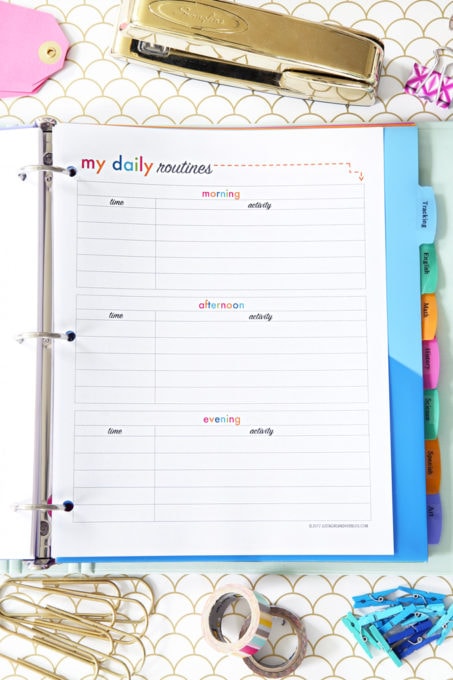
"When students enter high school or college, the safety nets of parental reminders begin to vanish," explains a consulting high school guidance counselor. "A tool that explicitly maps out morning, afternoon, and evening routines bridges the gap between childhood structure and adult executive functioning."
Implications: Preparing for Success Beyond the Classroom
The broader implications of utilizing a structured physical binder extend far beyond keeping a GPA high or remembering homework deadlines. By encouraging proactive goal-setting, realistic time-blocking, and consistent grade auditing, the system cultivates foundational life skills.
1. Financial and Resource Efficiency
Because the foundational templates are offered as free downloads, families can bypass expensive commercial academic planners that often cost upwards of $30 to $50 per student. By printing inserts on durable white cardstock and utilizing standard three-ring binders, students create a reusable, customizable system that can be updated year after year.
2. Lifelong Productivity Habits
While marketed primarily toward middle school, high school, and college students, many of the core components—such as the monthly calendars, two-page weekly planners, and goal-setting worksheets—are actively utilized by working professionals and adults managing household operations. The integration of time-blocking templates trains users to visualize their day hour-by-hour, mitigating burnout and improving work-life balance.
3. Early Intervention in Academic Performance
By utilizing the subject-specific grade tracking printables, students maintain a running total of their scores across quizzes, exams, and projects. This eliminates the dreaded "end-of-semester surprise," empowering learners to identify weak spots early and seek tutoring or extra credit before final grades are locked in.
Conclusion: How to Get Started
As the new academic year approaches, assembling an organized student binder requires only a few basic supplies: a sturdy three-ring binder, colorful subject tab dividers (preferably with pockets for loose papers), white cardstock for covers and frequently handled pages, and a reliable hole punch.
By taking an hour during the final weeks of summer vacation to map out class schedules, set measurable annual goals, and establish daily routines, students can step onto campus or log into their morning lectures with confidence, clarity, and control.
For those looking to streamline their academic life, the complete 2026–2027 student binder printables, along with hundreds of additional organizational resources, are available for download through official creator resource libraries.