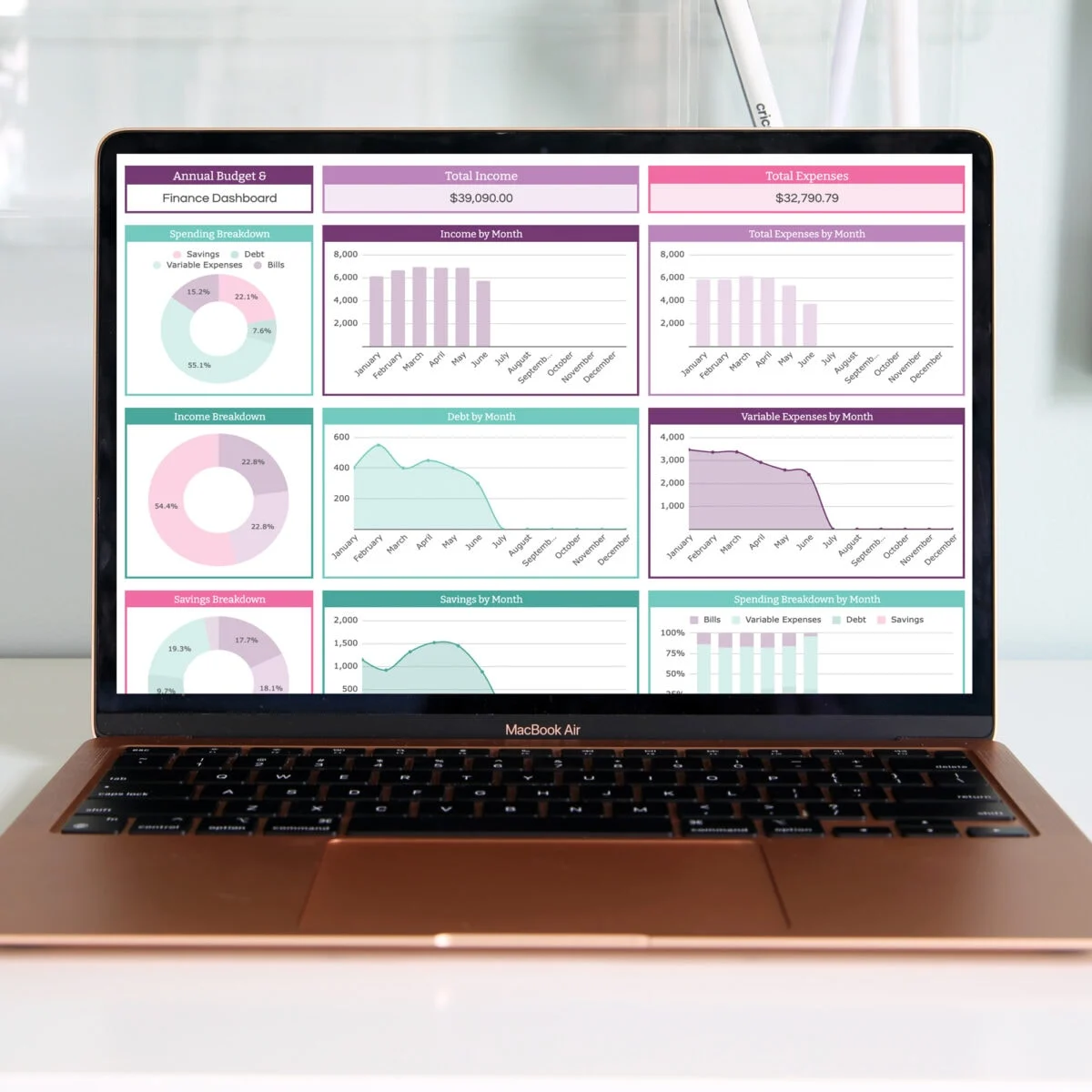
In an era of economic uncertainty and rising living costs, the ability to manage personal finances with precision has shifted from a "good habit" to an essential survival skill. For many, the concept of a monthly budget evokes feelings of restriction or anxiety. However, financial experts increasingly define budgeting not as a constraint on one’s lifestyle, but as a roadmap for intentional living. By creating a structured framework for income and expenditures, individuals can transform their financial anxiety into actionable, long-term security.
This guide explores the systematic approach to mastering your cash flow, ensuring that every dollar earned is allocated with purpose rather than left to chance.

The Fundamentals of Financial Intentionality
At its core, a budget is a numerical representation of your values. When you track your spending, you are essentially auditing your life choices against your long-term goals. The primary objective is to move from a reactive state—where bills are paid as they arrive—to a proactive state, where savings and investments are prioritized before discretionary spending occurs.
Step 1: Establishing Your Net Income Baseline
The foundation of any robust financial plan is an accurate assessment of your "net income." This figure represents the actual cash available after taxes, retirement contributions, and insurance premiums have been deducted from your gross salary.

For those with steady W-2 income, this calculation is straightforward. However, for freelancers, commission-based earners, or those with fluctuating side-hustles, the process requires a conservative approach. Experts recommend basing your budget on your "worst-case scenario" monthly income. If you consistently earn more than your projected baseline, treat the surplus as a bonus to be funneled into emergency funds or debt repayment, rather than expanding your lifestyle.
Step 2: Categorizing Recurring Obligations
Once your income is defined, the next phase involves mapping your fixed financial commitments. These are the non-negotiable costs that remain stable from month to month, such as rent or mortgage payments, utility bills, insurance premiums, and subscription services.

To identify these, audit your bank and credit card statements from the past 90 days. This retrospective view provides a clear picture of your "burn rate"—the minimum amount of money required to sustain your current living situation. Distinguishing these from variable expenses is crucial, as fixed costs provide the baseline for what you must earn to maintain stability.
Strategic Allocation: Managing Variable Expenses
While fixed costs are predictable, variable expenses—groceries, entertainment, dining out, and fuel—are where most budgets fail. To master these, you must create distinct categories that reflect your actual habits.

Many financial planners suggest the "50/30/20 Rule" as a starting point:
- 50% for Needs: Housing, groceries, utilities, and transportation.
- 30% for Wants: Entertainment, hobbies, and dining out.
- 20% for Savings and Debt Repayment: High-interest debt reduction and long-term investment.
While this is a helpful heuristic, it is not a rigid law. The goal is to reach a balance that allows for lifestyle enjoyment without compromising future solvency. If your spending consistently exceeds these parameters, the budget acts as a diagnostic tool, highlighting exactly where "leakage" occurs in your financial bucket.

The Role of Debt Management and Savings
A budget is incomplete if it does not account for the erosion of wealth caused by interest. High-interest debt, such as credit card balances, functions as an anchor on your financial progress.
When drafting your budget, treat debt payments as a fixed, mandatory expense. If possible, employ strategies like the "Debt Snowball" (paying off the smallest balance first for psychological momentum) or the "Debt Avalanche" (targeting the highest interest rate first to minimize total interest paid). Simultaneously, building an emergency fund—a "sinking fund"—ensures that life’s inevitable surprises, such as a car repair or a medical bill, do not derail your progress or force you back into high-interest debt.

Tracking: Where the "Magic" Happens
The most common point of failure in budgeting is the gap between planning and execution. A budget exists on paper, but financial health exists in the daily tracking of transactions.
Whether you utilize a sophisticated spreadsheet, a mobile application, or a traditional pen-and-paper ledger, the act of recording expenses serves as a psychological "check-in." This habit fosters mindfulness. When you are forced to record a $50 purchase, you are more likely to pause and consider if that purchase aligns with your broader financial goals. Consistent tracking—ideally on a weekly basis—allows you to catch errors, identify fraudulent charges, and adjust your behavior before the month concludes.

Implications: The Psychological and Financial Shift
The implications of adopting a rigorous budget extend far beyond the balance sheet. Research into financial behavior indicates that individuals who track their spending report lower levels of stress and higher levels of life satisfaction.
Bridging the Gap Between Income and Wealth
Wealth is not defined by how much you make, but by how much you retain. By intentionally choosing to save, you are shifting your financial trajectory. Over time, the capital you protect through budgeting accumulates, providing the freedom to pivot careers, invest in assets, or retire earlier than peers who live paycheck to paycheck.

Addressing the "Perfectionism Trap"
A critical point for beginners is to recognize that a budget is a living document. It will never be perfect, and you will likely exceed your limits in certain categories during your first few months. This is not a sign of failure; it is a sign of calibration. If you find yourself consistently over-budget in a specific area, it suggests your initial estimate was unrealistic for your lifestyle. Adjust the budget to reflect reality, rather than abandoning the budget altogether.
Final Thoughts: The Path to Financial Autonomy
Ultimately, the goal of budgeting is to grant you autonomy. When you are no longer surprised by your bank account balance at the end of the month, you gain the ability to make choices based on your values rather than your fears.

For those starting today, remember that consistency is the primary driver of success. Utilize templates to organize your initial thoughts, set aside time for weekly reviews, and remain flexible as your life circumstances evolve. By embracing the process of tracking and planning, you are not just managing numbers—you are building a foundation for a more secure and intentional future.
Whether you opt for digital automation or manual oversight, the most important step is the first one: define your income, list your obligations, and start tracking. Your future self will thank you for the discipline you cultivate today.