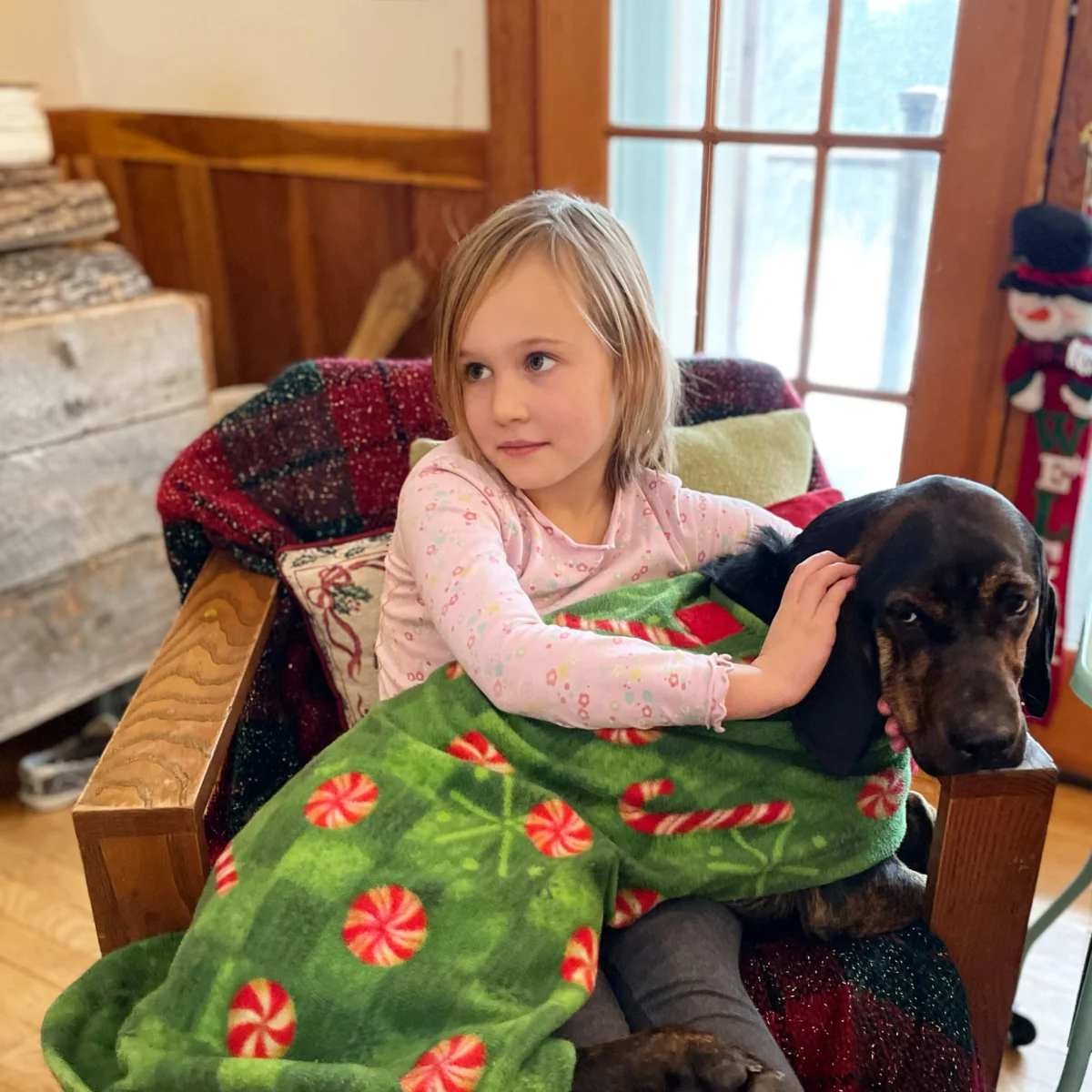
For many families, a dog is more than just a pet; they are a cornerstone of domestic life, a companion for children, and a source of joy. However, the path to pet ownership is not always a linear journey of sunshine and walks in the park. For the family behind the popular blog Frugalwoods, a recent attempt to rescue a stray hound named Genevieve—or "Gigi"—turned into a profound, costly, and deeply emotional lesson in the limitations of care, the burden of unexpected behavioral challenges, and the difficult reality of knowing when to let go.
The inquiry “What happened to your dog?” has echoed through the author’s inbox and social media channels for months. After a period of silence required to process the emotional weight of the situation, the family has finally opened up about the "Gigi Saga"—a story that sheds light on the often-hidden complexities of animal rescue and the financial and emotional stakes of modern pet parenting.
The Arrival: A Rescue Gone Complex
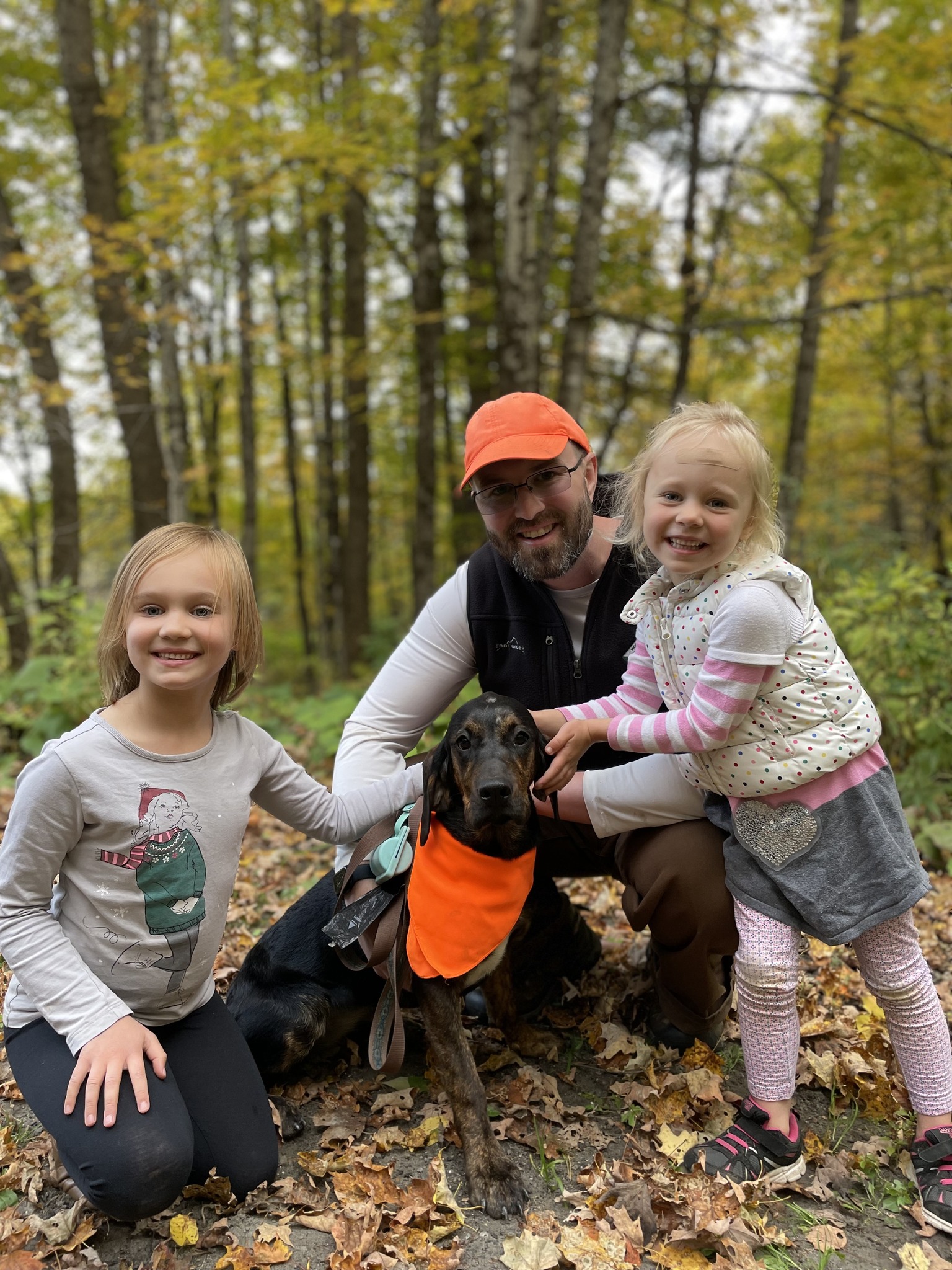
The story began in late September, when a disheveled, emaciated hound appeared in the yard of a friend. With no collar, no tags, and no microchip, the dog appeared to be a former bear-hunting companion who had been separated from her pack. After unsuccessful attempts to locate an owner, the family—who had previously owned a greyhound—decided to intervene, preventing the dog from entering the shelter system.

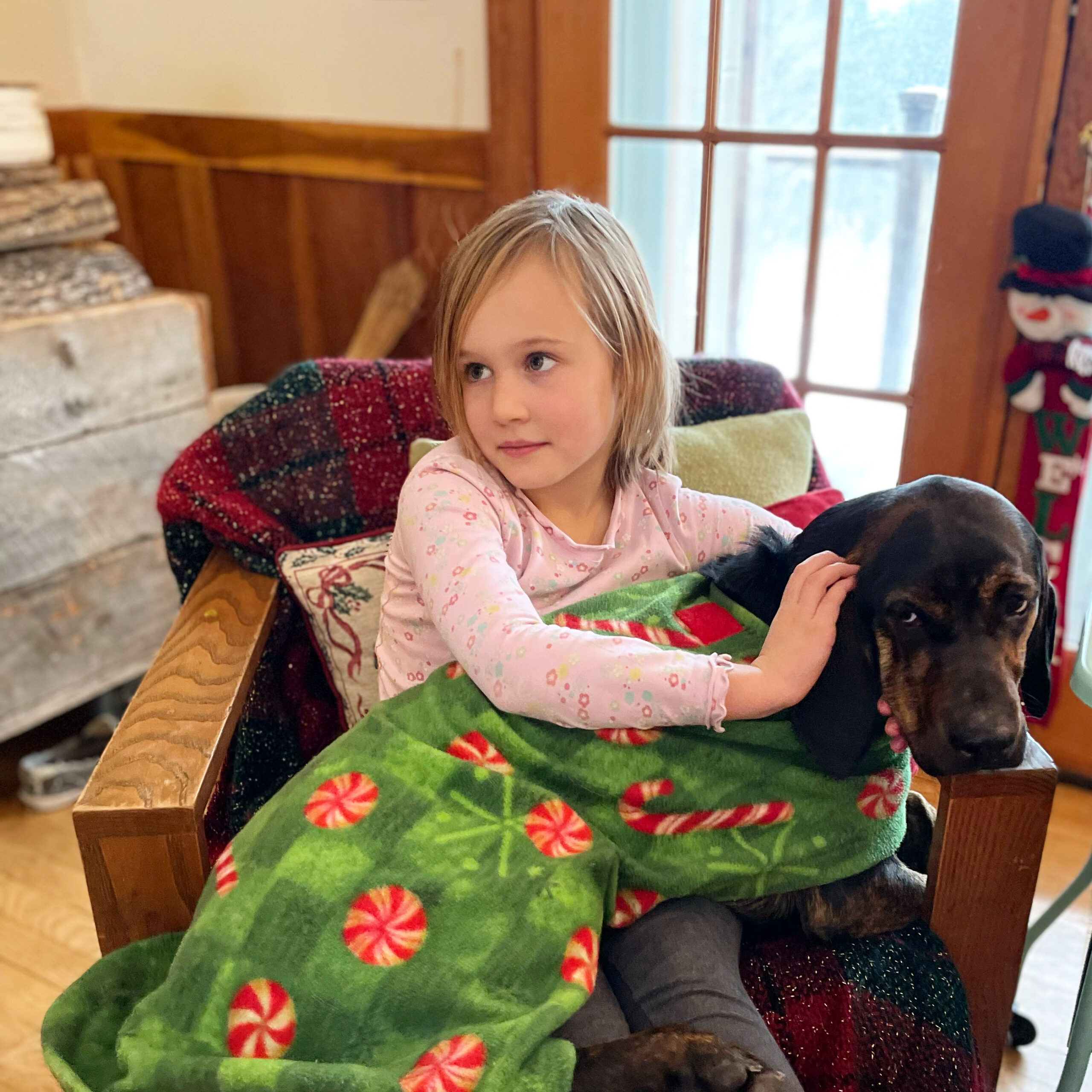
On October 3, 2022, Gigi officially joined the household. Initially, the transition seemed promising. The hound was gentle, affectionate with the children, and exhibited a love for hiking. She integrated well into the family’s daily rhythm, but a singular, insurmountable obstacle quickly emerged: Gigi suffered from extreme separation anxiety.
The Chronology of Intervention
What followed was a four-month, multi-faceted campaign to rectify the dog’s behavior. The family’s approach was exhaustive, categorized by three distinct strategies: behavioral, technological, and medical.
The Behavioral Phase
The family first engaged a professional dog trainer, working on a regimen of gradual absences. This involved leaving the house for mere seconds and returning to reinforce calm behavior. Despite consistent, professional guidance, the training failed to yield progress. Gigi could not be left alone for more than five minutes without spiraling into a full-blown panic attack, characterized by pacing, howling, and indoor accidents.
The Technological Phase
Attempting to bridge the gap in communication, the family turned to technology. They installed remote monitoring cameras to observe the dog’s behavior during their absence. When that proved insufficient, they invested in a high-tech camera-and-treat-dispenser, hoping to provide positive reinforcement remotely. Despite these efforts, the dog remained in a state of high distress whenever the house was empty.
The Medical Phase
Finally, the family consulted with veterinarians, pursuing every clinical avenue available. They experimented with a variety of medications, ranging from mild anti-anxiety prescriptions to stronger sedatives and tranquilizers. Each intervention, however, failed to address the root of the panic.
Supporting Data: The Financial Toll of Care
A striking aspect of this narrative is the transparency regarding the financial investment. While the family was fortunate enough to afford the care, the total expenditure serves as a stark reminder of the "hidden costs" of pet ownership.

Over the course of just four months, the family spent $2,373.25 on Gigi. This total included:
- $600.00: Contributions to the rescue organization for spaying, fostering, and adoption fees.
- $497.78: Initial veterinary care, including extensive vaccinations and parasite treatments for a stray.
- $414.20: Various veterinary visits and medications.
- $285.25: Supplies including food, toys, beds, and a Christmas stocking.
- $250.00: Training sessions and specialized technology (camera/treat dispensers).
- $70.65: Specialized equipment, including dog snow booties and hiking vests.
- $13.00: Local town licensing.
This figure stands in sharp contrast to the family’s previous experience, where they spent approximately $930 annually on their former dog, Gracie. The "Gigi" experience illustrates that, while pets offer an immense return on investment in companionship, the financial baseline can fluctuate wildly based on the animal’s health and behavioral needs.
The Hard Decision: Recognizing Incompatibility
By early 2023, the family reached an impasse. The reality was that one adult had to be present at all times to prevent the dog’s panic. This meant the family could no longer attend school events, church services, or group outings together. The constant state of crisis management was placing a strain on the parents and, by extension, the children.

Recognizing that they could not provide the environment Gigi needed, the family contacted a foster-based rescue organization. The experts there quickly discovered that Gigi’s anxiety was rooted in a lack of companionship; she thrived in households with other dogs. The organization successfully placed Gigi in a new home with a "pack," where she has since flourished.
Implications for Future Pet Owners
The family’s story is not a cautionary tale against adoption, but rather a reflective piece on the necessity of matching a pet’s needs with a family’s lifestyle. The author admits to having "rushed" into the decision, letting emotions override the practical realities of their schedule and the specific requirements of a hunting-bred hound.
Lessons Learned:
- Capacity vs. Desire: Love is not enough to solve deep-seated behavioral issues. A household must have the time, space, and structure to meet an animal’s specific psychological needs.
- The "Dog-Aunt" Compromise: The family has discovered a new, more sustainable model for their current life stage: dog-sitting. By caring for friends’ dogs on a temporary basis, they satisfy their children’s desire for animal interaction without the permanent, 24/7 commitment of ownership.
- Prioritizing Human Needs: The author emphasizes that a family’s primary duty is to the well-being of their children. The strain caused by the dog was negatively impacting the family’s ability to engage in the world, which forced a prioritization of their own developmental goals.
Conclusion
The decision to rehome Gigi was, in the author’s words, "heartbreaking," but it was ultimately a decision rooted in compassion for both the dog and the family. By releasing the dog to a pack-oriented environment, they ensured her success, while simultaneously reclaiming their own family’s freedom and peace of mind.
This experience highlights a universal truth in pet ownership: the best outcome is not always the one we initially envisioned. Sometimes, success is measured not by keeping an animal at all costs, but by ensuring that animal is placed in a situation where they can truly thrive. For the family, the "Gigi Saga" remains a somber but essential chapter in their lives—one that emphasizes the importance of patience, the value of realistic expectations, and the grace required to accept when a plan does not work out.
Note: In other updates, the family has reported that they are safe following recent severe flooding in Vermont, though the event resulted in significant damage to their property—yet another reminder of the unpredictable nature of life’s expenses and challenges.