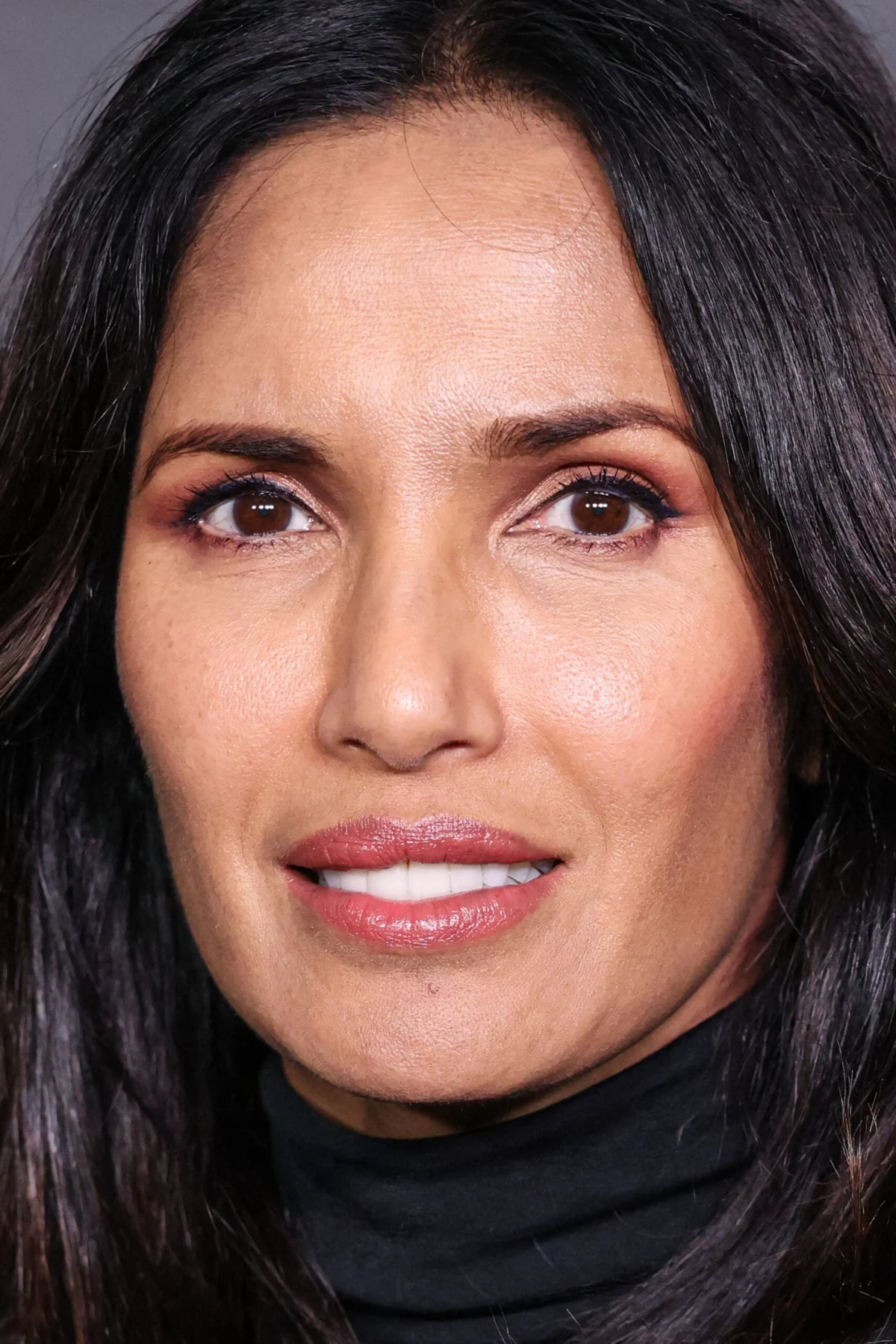
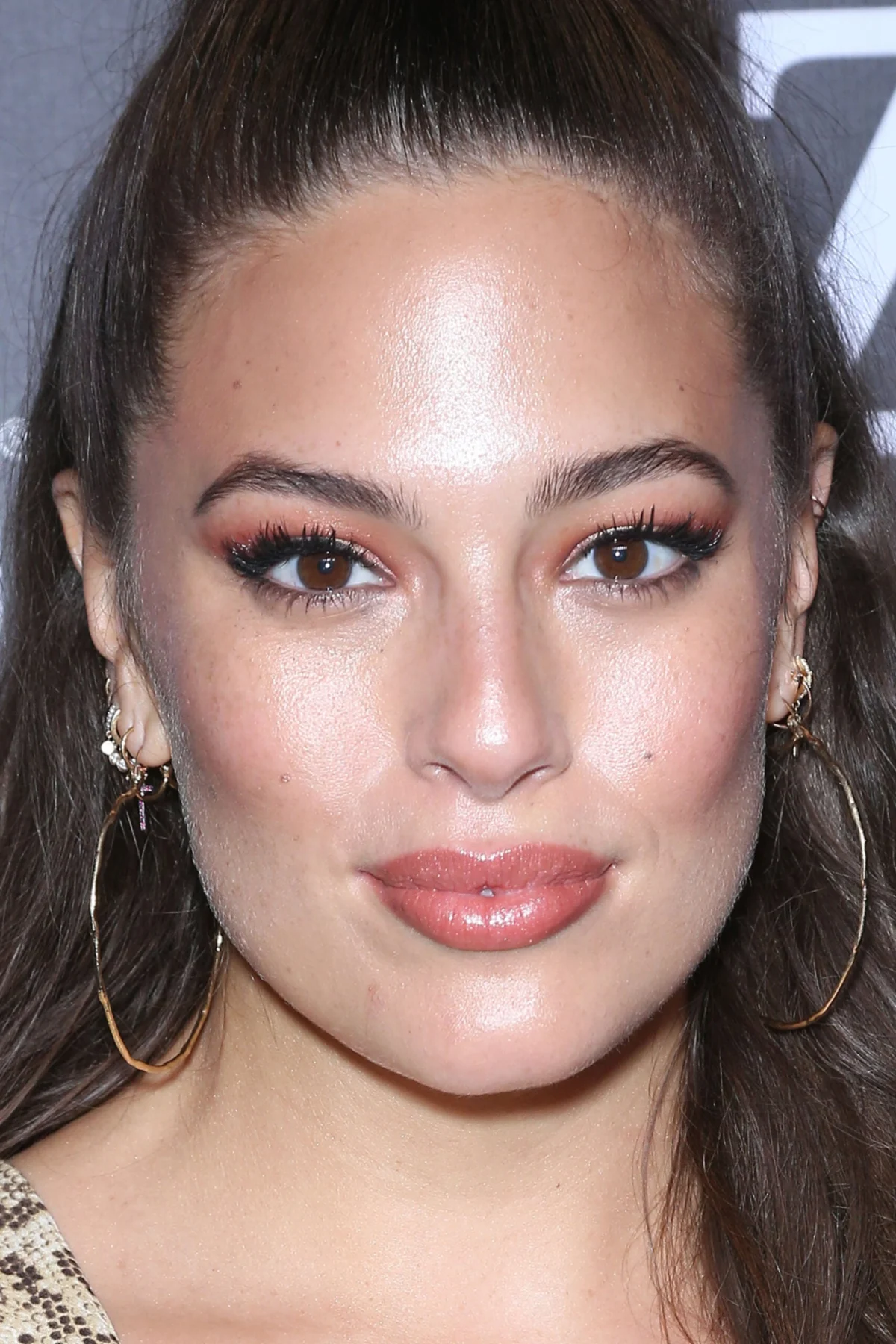
Ask any actress, musician, or supermodel about the secret behind their red-carpet radiance, and you are almost guaranteed to hear the same two words: vitamin C. Across dressing rooms, elite facialist suites, and vanity tables worldwide, this powerhouse antioxidant has cemented its status as the non-negotiable cornerstone of modern skincare routines.

While beauty trends come and go with the changing seasons, vitamin C serum has demonstrated remarkable staying power. Dermatologists and celebrity estheticians consistently champion the ingredient for its dual-threat capabilities. As a potent antioxidant, it neutralizes environmental free radicals generated by pollution and UV exposure, shielding the skin from accelerated aging. Simultaneously, it actively corrects existing concerns—fading stubborn dark spots, smoothing fine lines, minimizing hyperpigmentation, and restoring an unmistakable, lit-from-within luminosity.
Naturally, the world’s most photographed faces have access to the most sophisticated formulations on the market. From medical-grade staples and celebrity-founded lines to accessible pharmacy gems, here is an in-depth look at the vitamin C serums Hollywood actually swears by—and the science that makes them work.
Main Facts: The Multi-Tasking Marvel of Dermatological Care
Vitamin C is widely revered by skin experts because it operates on multiple levels simultaneously. Whether applied during a morning preventative routine or integrated into nighttime repair protocols, its core benefits are difficult to replicate with any other single ingredient.

- Environmental Shielding: As a primary antioxidant, vitamin C donates electrons to neutralize unstable free radicals, preventing oxidative stress that degrades collagen and elastin fibers.
- Pigmentation Correction: It inhibits tyrosinase, the enzyme responsible for melanin production, making it remarkably effective at fading sun spots, melasma, and post-inflammatory acne marks.
- Collagen Synthesis: Vitamin C acts as a necessary cofactor for the enzymes responsible for stabilizing and cross-linking collagen molecules, leading to firmer, more resilient skin over time.
- Immediate Luminosity: Many modern formulations combine the active ingredient with gentle exfoliants or light-reflecting pigments to grant an instant, healthy glow upon application.
Despite its impressive resume, formulating stable vitamin C is notoriously difficult. Pure vitamin C (L-ascorbic acid) oxidizes rapidly when exposed to light, heat, or air, turning a brownish color and losing efficacy. This chemical volatility has driven cosmetic chemists to develop innovative packaging, water-free delivery systems, and alternative derivatives like THD ascorbate and magnesium ascorbyl phosphate.
Chronology: From Dermatologist Offices to the Global Beauty Mainstream
The journey of topical vitamin C from a niche clinical treatment to a ubiquitous beauty staple spans several decades of dermatological research.

- The Early Breakthroughs (1990s): Dermatological researchers established that topical L-ascorbic acid could successfully penetrate the stratum corneum if formulated at a low pH with specific stabilizing agents, laying the groundwork for modern antioxidant serums.
- The Rise of the "Gold Standard" (2000s): Formulas incorporating ferulic acid and vitamin E entered the market, drastically improving stability and doubling photoprotection levels, quickly making them favorites among clinical dermatologists.
- The Celebrity and Esthetician Boom (2010s): High-profile facialists in Los Angeles and New York began integrating advanced vitamin C blends into pre-red-carpet treatments for Hollywood’s elite, sparking widespread public interest.
- The Clean Beauty and Derivative Revolution (Present Day): The market has expanded rapidly to include oil-soluble derivatives, organic superfruits like kakadu plum, and fresh-mixing powder-to-liquid systems catering to sensitive skin types and eco-conscious consumers.
Supporting Data: Celebrity Picks Categorized by Formulation
With countless options available, different skin types and budgets require tailored solutions. Here is how Hollywood’s favorites break down across categories, backed by active ingredient analysis.
Dermatologist-Recommended Gold Standards
For high-performance, clinically proven results, many stars look directly to medical-grade formulations favored by skin doctors.

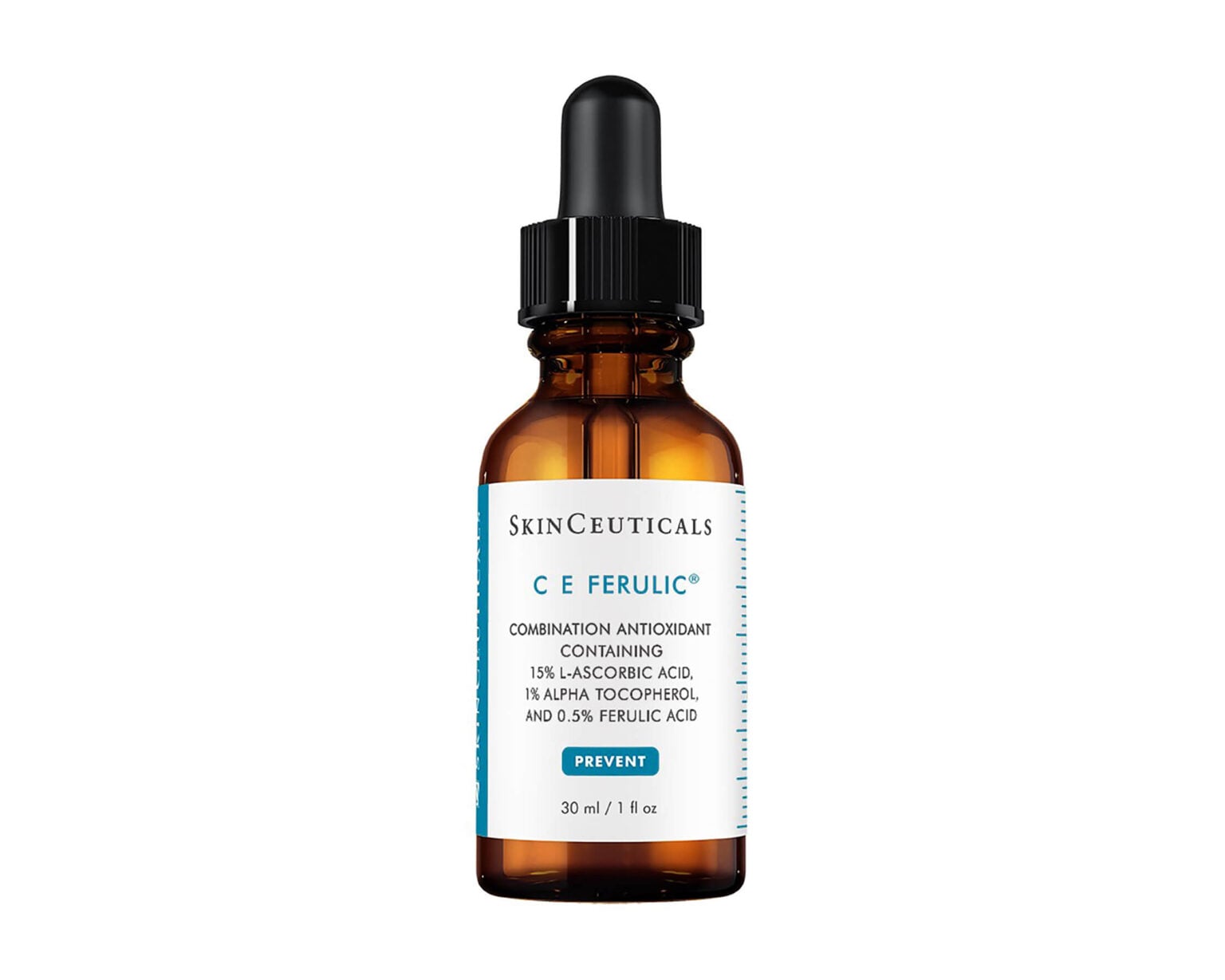
- Ashley Graham’s Pick — SkinCeuticals C E Ferulic: Widely considered the industry benchmark, this serum combines 15% L-ascorbic acid, 1% vitamin E, and 0.5% ferulic acid. Graham notes, "When I found out that I wasn’t using vitamin C and I needed to be using vitamin C, my life changed—my skin changed."
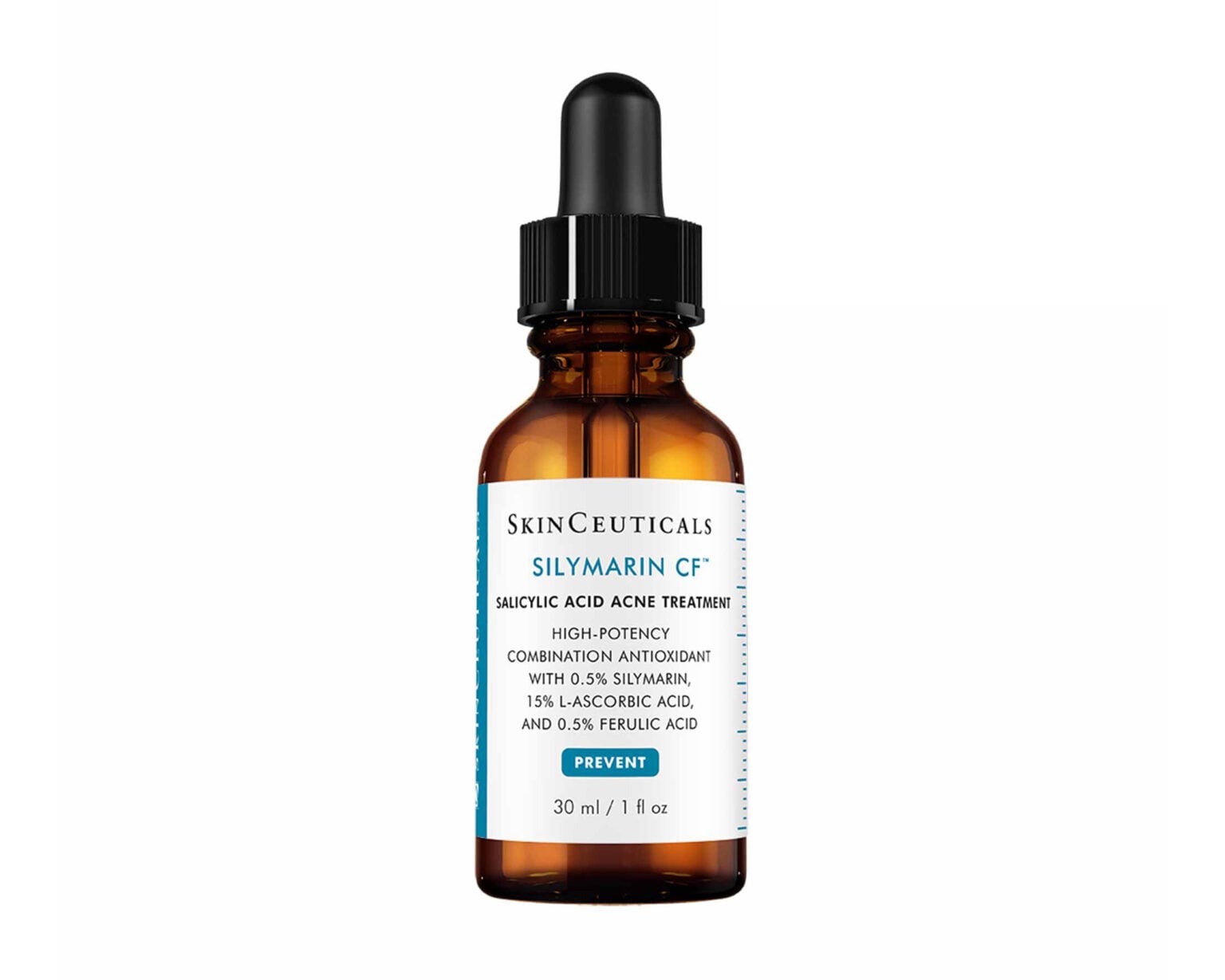
- Lucy Hale’s Pick — SkinCeuticals Silymarin CF: Tailored specifically for breakout-prone skin, Hale notes the difficulty of finding oil-free options. This formula pairs the classic antioxidant trio with 0.5% silymarin (milk thistle extract) to prevent sebum oxidation and 0.5% salicylic acid to clear pores and fade post-acne marks.
Facialist Favorites for Texture and Repair
A-listers frequently rely on recommendations from master estheticians who treat high-stress, travel-weary skin on a regular basis.

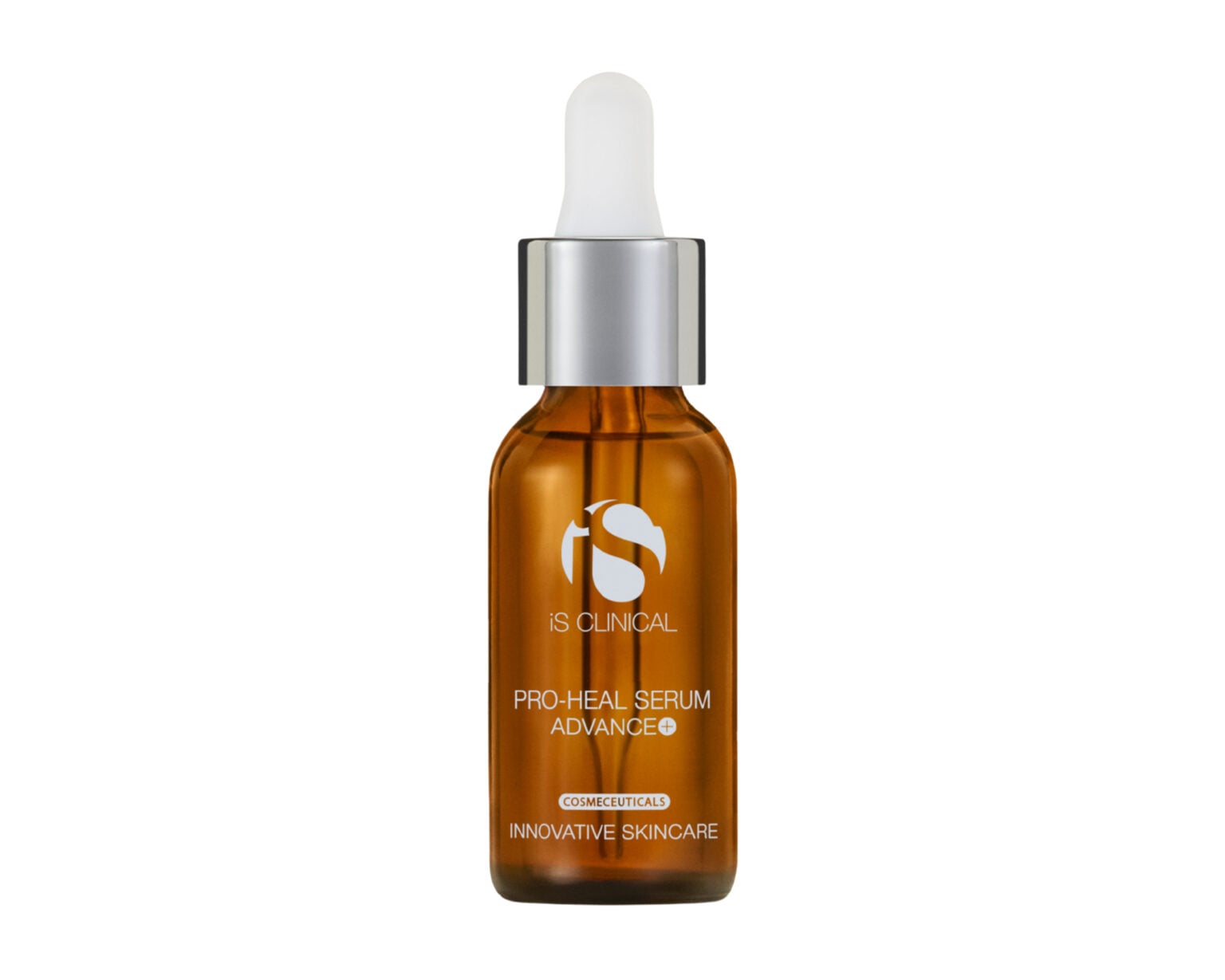
- Suki Waterhouse’s Pick — iS Clinical Pro-Heal Serum Advance+: Recommended by LA facialist Shani Darden when Waterhouse was just 21, this time-released 15% L-ascorbic acid formula features retinol, olive leaf extract, and zinc to calm inflammation and transform dry, uneven skin.
- Rosie Huntington-Whiteley’s Pick — iS Clinical Super Serum Advance+: Huntington-Whiteley layers this potent blend into her hydrating serums. It pairs time-released vitamin C with copper tripeptides and botanical extracts to simultaneously target wrinkles, scarring, and pigmentation.
Sephora Staples and Innovative Delivery Systems
Mainstream beauty retailers have democratized access to high-potency formulations equipped with clever packaging to combat oxidation.

- Constance Wu’s Pick — Drunk Elephant C-Firma Fresh Day Serum: Wu discovered this retail favorite while browsing Sephora. It utilizes a clever powder-to-liquid mixing system, allowing the 15% L-ascorbic acid, vitamin E, and ferulic acid blend to remain ultra-potent for an entire year.
- Nina Dobrev’s Pick — Sunday Riley C.E.O. 15% Vitamin C Brightening Serum: For those prone to irritation from pure L-ascorbic acid, Dobrev opts for this emollient-rich formula utilizing THD ascorbate—a stable, highly effective derivative ideal for sensitive complexions.
- Gabrielle Union’s Pick — Ole Henriksen Banana Bright Vitamin C Serum: Union tests a wide array of gifted skincare, noting this formula delivers an immediate payoff. It combines 15% ethyl ascorbic acid with 5% PHAs and light-reflecting pigments for an instant, radiant glow.
Clean, Organic, and Botanical Innovations
Natural and organic advocates have championed plant-powered alternatives that deliver clinical results without synthetic additives.

- Naomi Watts’ Pick — Saint Jane The C-Drops: To calm reactive skin overnight, Watts turns to this 20% encapsulated vitamin C derivative (3-glyceryl ascorbate) housed in a soothing, lightweight botanical oil base.
- Miranda Kerr’s Pick — KORA Organics Kakadu Plum Vitamin C Serum: Created by the supermodel herself, this certified-organic serum features 12% ascorbyl glucoside paired with Australian kakadu plum—noted as the world’s richest natural source of vitamin C—suspended in an aloe vera and hyaluronic acid base.
- Gwyneth Paltrow’s Pick — Goop Beauty 20% Vitamin C + Hyaluronic Acid Glow Serum: Paltrow promises visible results within a week. The two-part system keeps powdered L-ascorbic acid separate from the hydrating hyaluronic acid base until first use to guarantee maximum freshness.
- Padma Lakshmi’s Pick — Ogee Vitamin C THDA 20% Elixir: Preferring an oil texture for nighttime nourishment, Lakshmi relies on this 20% oil-soluble THD ascorbate formula infused into organic jojoba and capric triglycerides.
Budget-Friendly Finds That Punch Above Their Weight
Effective skincare does not require an extravagant budget, as proven by these accessible, dermatologist-backed alternatives.

- Phoebe Tonkin’s Pick — Fig.1 Vitamin C 15% Treatment: Introduced to the brand by actress Claire Holt, Tonkin praises its clinical research and attainable price point. It delivers a robust 15% L-ascorbic acid dose in an airtight, refillable package.
- Dove Cameron’s Pick — Mario Badescu Vitamin C Serum: Cameron applies this budget-friendly sleeper hit every other night, noting it leaves her skin bright, responsive, and supple by morning thanks to a blend of ethyl ascorbic acid, collagen, and soothing cucumber extract.
Official Responses: What Skin Experts Say About Incorporating Vitamin C
Dermatological consensus heavily supports the integration of vitamin C into daily regimens, though experts emphasize proper usage to maximize benefits while avoiding irritation.

According to board-certified dermatologists, the ideal time to apply a vitamin C serum is in the morning following a gentle cleanser. Because antioxidants neutralize UV-induced free radicals, applying a serum underneath a broad-spectrum sunscreen creates a powerful synergistic defense system against photoaging. For those with sensitive skin, experts advise starting with a lower concentration, utilizing stable derivatives like THD ascorbate or magnesium ascorbyl phosphate, or applying the product every other night until the skin builds tolerance.

Furthermore, skincare chemists stress the importance of storage. Serums housed in opaque, airless pumps or dropper bottles stored away from direct sunlight will maintain their chemical integrity significantly longer than those exposed to environmental stressors.

Implications: The Future of Celebrity-Backed Skincare and Consumer Trends
The overwhelming popularity of celebrity-endorsed vitamin C serums points to a broader shift in the beauty consumer mindset. Today’s buyers are increasingly ingredient-literate, demanding transparency, scientific backing, and visible proof of efficacy rather than relying purely on marketing hype.

As clean beauty brands continue to innovate with next-generation derivatives, encapsulated delivery systems, and refillable packaging, the gap between luxury medical-grade skincare and accessible drugstore formulations is rapidly narrowing. Ultimately, whether an individual invests in a prestige clinical bottle favored by supermodels or an affordable pharmacy treatment loved by Hollywood starlets, the underlying message remains clear: vitamin C is no longer just a luxury step in a skincare routine—it is an essential daily investment in long-term skin health.