As the retail calendar shifts into the high-stakes period of late November, the "Black Friday" designation has transcended its traditional 24-hour window, evolving into a month-long marathon of consumer opportunity. For 2026, the battleground for your wallet is once again dominated by Amazon, which has launched an aggressive suite of early discounts that challenge the traditional retail landscape.
While competitors like Walmart and Sam’s Club have aggressively rolled out their own circulars, Amazon’s current strategy focuses on high-end hardware, smart home integration, and premium audio equipment. Whether you are looking to upgrade your home entertainment center or seeking the latest in wearable technology, the following analysis breaks down the most significant savings available now.
The Landscape of Early Black Friday 2026
The retail environment in November 2026 is defined by a push for early engagement. Retailers are no longer waiting for the post-Thanksgiving morning to unlock their best prices; instead, they are rolling out "doorbuster" level deals weeks in advance to capture market share before the traditional holiday rush.
Amazon’s current approach, characterized by deep discounts on flagship products, suggests a strategy aimed at clearing inventory and establishing platform loyalty through their Prime ecosystem. For the savvy shopper, this represents a unique window where inventory levels are high, and the chaotic shipping delays associated with late-December shopping have not yet materialized.
Chronology of the Sale: What to Expect
While the official "Black Friday" date for 2026 is November 27, the current period represents the "pre-game" phase of what retailers call "Cyber Week."
- Now through November 26: The current window is defined by early-access deals. These prices are competitive and often match or beat the eventual "official" Black Friday pricing.
- November 27 (Black Friday): The traditional peak. We expect a surge of "lightning deals"—short-duration, high-discount items that sell out rapidly.
- November 28–29: The "weekend lull," where retailers often refresh their inventory and introduce new bundles.
- November 30 (Cyber Monday): The final major push, historically focused on electronics, computing, and software.
- December 2: The expected conclusion of the major promotional cycle.
Curated Tech Highlights: The Best Deals Currently Live
Wearable Tech: The CMF by Nothing Watch 3 Pro
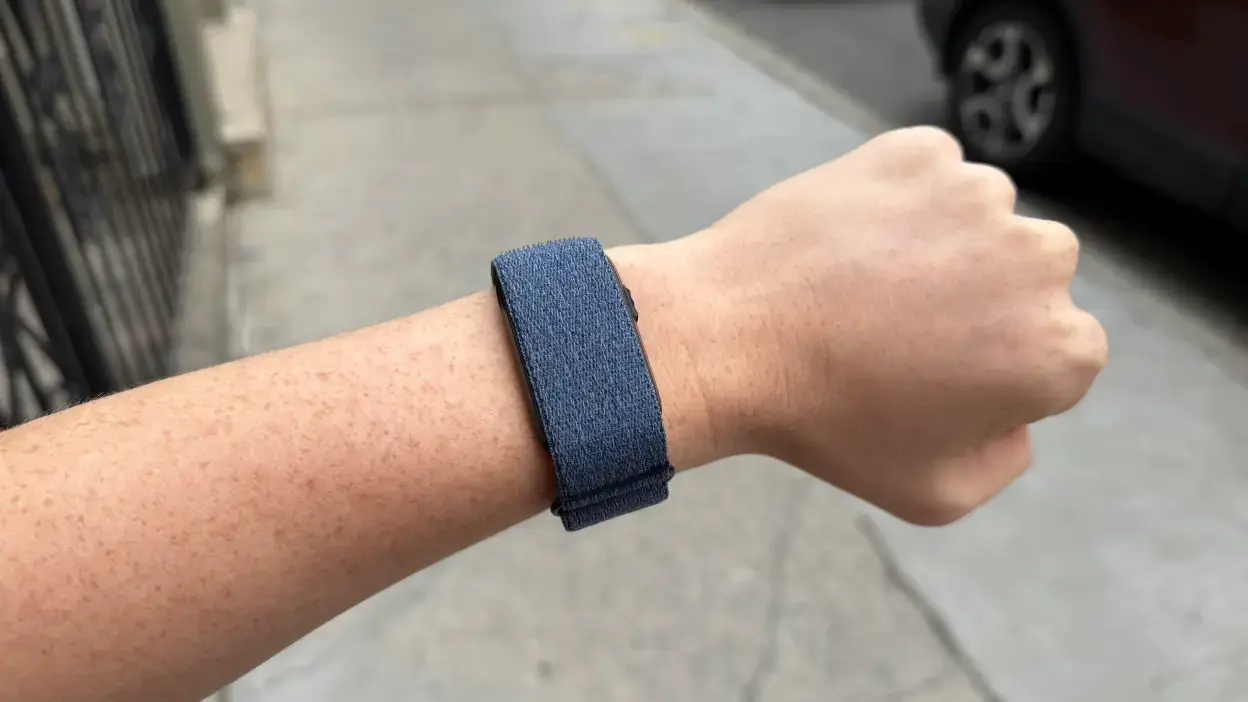
The wearable market has seen a shift toward AI-integration, and the CMF by Nothing Watch 3 Pro is at the forefront of this trend. Priced at $55 (a $24 discount), this device represents the lowest entry price for a feature-rich, modern smartwatch in 2026. By incorporating ChatGPT-powered AI features, it offers utility that far exceeds its budget-friendly price point, making it an essential pickup for those looking to integrate more intelligence into their daily fitness and notification tracking.
Audio Excellence: AirPods and Bose
Audio equipment remains the most consistently popular category during holiday sales.

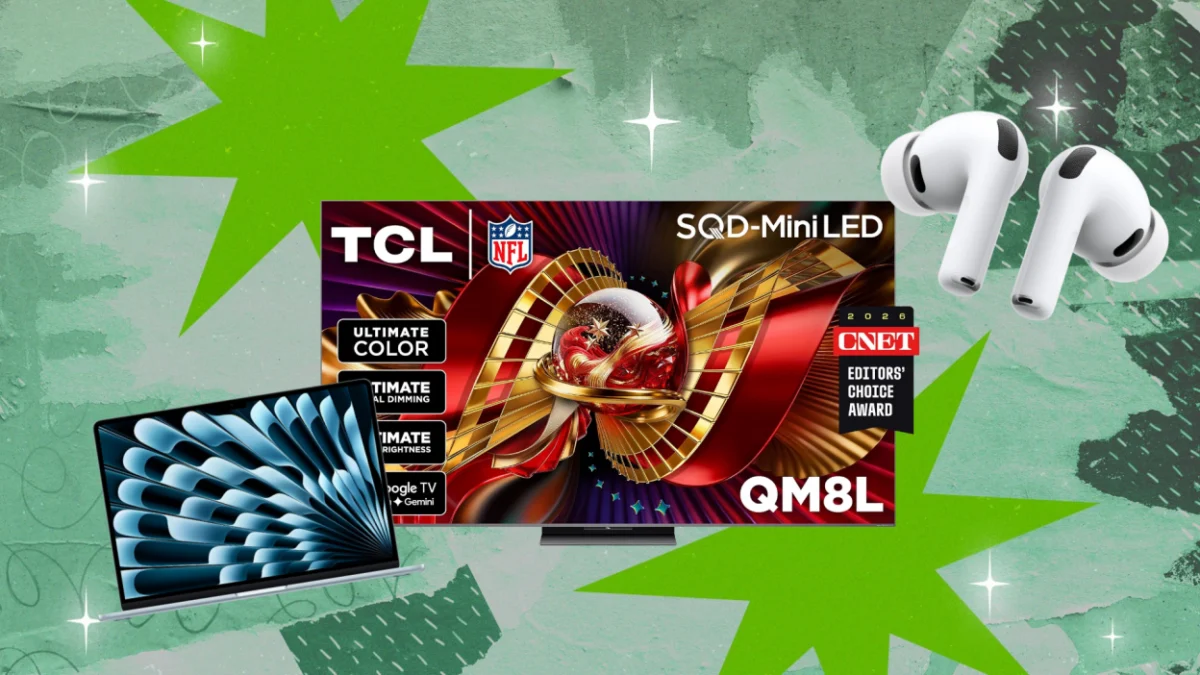
- Apple AirPods Pro 3: Currently listed at $149, these earbuds are seeing a significant $70 discount from their $249 MSRP. The third generation offers substantial software improvements in spatial audio and noise cancellation, making them a superior value compared to their predecessors.
- Bose QuietComfort Headphones (2nd Gen): For audiophiles, the $199 price point (down from $359) is historic. These headphones are renowned for their industry-leading Active Noise Cancellation (ANC) and warm, bass-forward sound profile. While the companion app’s three-band EQ is admittedly basic, the hardware performance is unmatched at this price.
- Sony WH-1000XM6: The gold standard of over-ear noise-canceling headphones. At $348 (originally $459.99), these represent the best technical performance in the category. The XM6 series offers the most granular EQ customization on the market, catering to users who prefer a highly tailored listening experience.
Computing and Display Upgrades
- Samsung 32-inch Odyssey G5 (G51F): Priced at $179.99, this gaming monitor is a steal for competitive gamers. With a 180Hz refresh rate and a 1ms response time, it is engineered to minimize motion blur in high-stakes environments. Unlike the trend of aggressive curves, this flat panel is ideal for users who utilize their display for both gaming and productivity work.
- Apple MacBook Air 15-inch (M5): The M5 chip represents the latest iteration of Apple’s silicon. Amazon is currently the only major retailer offering a $250 discount, bringing the price to $1,199.99. For creative professionals and students, this is arguably the most significant productivity deal of the season.
The Television "Big Screen" Wars
The TV market in 2026 has been revolutionized by Mini-LED and QLED technology.
- Hisense 65-inch U6 Pro Mini-LED ($529.99): Previously priced at over $1,000, this is the standout value of the year. Reaching peaks of 1,024 nits, this display offers brightness levels that challenge much more expensive OLED units.
- TCL 65-inch QM8L ($997.99): This is the flagship deal for those who want top-tier performance. With a claimed peak brightness of 6,000 nits and 4,000 local dimming zones, the QM8L provides contrast and clarity that define the current state-of-the-art for non-OLED displays.
- Hisense 65-inch E7SF QLED ($499.99): At nearly half price, this ultra-thin unit is perfect for wall mounting. Its native 144Hz refresh rate in game mode makes it an excellent choice for console gamers.
Official Perspective and Strategic Advice
According to industry analysts and retail experts, the 2026 holiday season is characterized by a "price-matching mentality." Consumers are advised not to wait for Cyber Monday. The historical data suggests that the price difference between Black Friday and Cyber Monday is negligible, and the risk of "out of stock" notifications is significantly higher as the month progresses.
The "Prime" Question
A recurring question from consumers is whether an Amazon Prime membership is necessary. The short answer is yes. Many of the most aggressive discounts are exclusive to Prime members. For those hesitant to commit to a $14.99 monthly fee, the 30-day free trial serves as a strategic tool. It provides full access to the holiday sale ecosystem, after which the membership can be canceled before the first billing cycle occurs.
Implications for the Modern Consumer
The shift toward early Black Friday sales has several implications for the average consumer:
- Inventory Scarcity: As retailers move away from "doorbusters" at physical locations, digital inventory becomes the primary bottleneck. Popular items like the M5 MacBook Air or the Sony XM6 headphones are subject to sell-outs that may not be replenished before the holiday season concludes.
- Budgeting and Planning: Because sales now span the entire month of November, consumers are moving away from "impulse spending" on one specific day toward a more calculated, staggered approach to purchasing.
- The Rise of Mid-Tier Quality: The competition between brands like Hisense and TCL has forced manufacturers to pack high-end features—such as Mini-LED backlighting and high refresh rates—into lower-cost models. This has democratized premium technology, making high-quality home entertainment accessible at prices that were unheard of just three years ago.
Conclusion
The 2026 Black Friday season is a buyer’s market. With technology cycles moving faster than ever, the discounts on current-generation hardware—like the Apple M5 chip and the latest Sony audio line—provide an ideal entry point for consumers looking to upgrade. By focusing on retailers with robust price-matching guarantees and leveraging the early-access windows, shoppers can secure premium tech without the stress of the traditional late-November scramble.
Note: Deal pricing and availability are subject to change. As always, verify current pricing on retailer websites before finalizing your purchase.