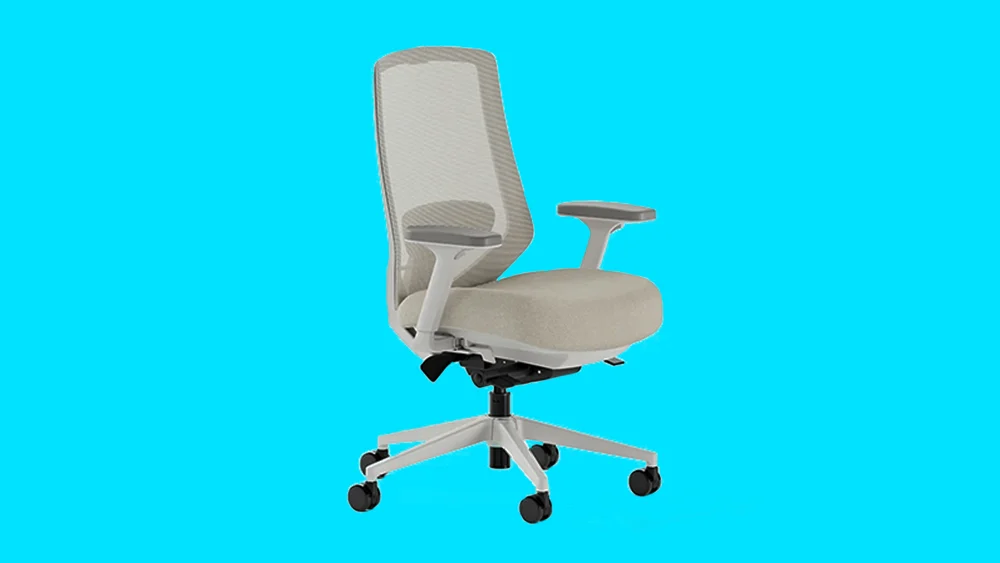
In the modern digital landscape, the "home office" has evolved from a temporary convenience into the primary command center for professional, creative, and academic life. Yet, while professionals meticulously spec out their computer processors, RAM capacity, and monitor color accuracy, one critical piece of hardware is frequently relegated to an afterthought: the office chair.
As we move into the peak of the Black Friday shopping season, the market for ergonomic furniture has seen a significant shift. Retailers are currently offering unprecedented discounts on high-end seating solutions, providing a rare window to upgrade your workspace without the prohibitive price tag. After six years of rigorous, hands-on testing of the market’s leading chairs, our analysis suggests that the correlation between high-quality seating and long-term physical health is no longer a luxury—it is an essential investment.
The Physical Toll: Why Ergonomics Matter
The human body was not designed for the sedentary nature of modern desk work. Prolonged periods of sitting in poorly designed chairs lead to a cascade of physiological issues, most notably chronic lower back pain, neck strain, and repetitive stress injuries.
An ergonomic chair is not merely a piece of furniture; it is a corrective tool. Proper lumbar support, dynamic tilt mechanisms, and adjustable armrests are engineered to promote neutral spine alignment. By distributing body weight more evenly and encouraging subtle movement throughout the day, these chairs mitigate the pressure on spinal discs and improve circulation. As our testing has shown, those who transition from budget-tier seating to professionally engineered ergonomic chairs report a measurable increase in focus, comfort, and daily productivity.
Chronology of the 2024 Black Friday Sales Event
The current surge in office chair discounts did not happen overnight. In the weeks leading up to Black Friday, we observed a strategic rollout of pricing shifts across major manufacturing platforms.
- Early November (The Pre-Sale Phase): Major manufacturers like Branch and Hinomi began teasing loyalty-member exclusives, offering "early access" to discounts ranging from 5% to 10%.
- Mid-November (The Competitive Pivot): As Amazon and Target began their aggressive holiday campaigns, independent furniture brands were forced to sharpen their pricing strategies. We saw the Sihoo M18, a perennial favorite for budget-conscious buyers, hit its lowest price point of the year in anticipation of the official Black Friday window.
- Black Friday Week (Current Status): We are currently in the "Goldilocks zone" of pricing. Inventory levels are stable, and the discounts—now reaching up to 26% on top-rated models—are at their peak. Based on historical data from the past five years, these price points are unlikely to drop further before the post-holiday clearance phase in January, where stock levels become unpredictable.
Supporting Data: Breaking Down the Top Contenders
To provide a clearer picture of the current landscape, we have analyzed the market’s top-performing chairs based on our testing criteria: adjustability, material durability, assembly ease, and aesthetic integration.
The Branch Ergonomic Chair Pro
Currently priced at $449.10 (a 10% reduction), this chair represents the "Goldilocks" model for the average professional. In our tests, the Branch Pro stood out for its intuitive adjustment system. Unlike chairs that require a manual for every lever, the Branch Pro features a refined, user-friendly interface that allows for seamless transitions between task-oriented focus and relaxed reclining.
The Sihoo M18: The Value King
At $125.90 (a 26% discount via Amazon), the Sihoo M18 remains the most compelling entry-level ergonomic option. While it lacks the premium materials found in chairs costing triple the price, its build quality for the cost is unparalleled. It is important to note, however, that the M18 requires a degree of user assembly. Our testers noted that while the process is straightforward, having a second pair of hands during the attachment of the backrest is recommended.
The Hinomi H2 Pro: For the Detail-Oriented
The H2 Pro remains the top recommendation for those who prioritize customizability. Its headrest, lumbar support, and 4D armrests offer a level of granular control that few other chairs can match. It is particularly well-suited for taller individuals or those who find that "one-size-fits-all" office chairs rarely accommodate their specific frame.
The HAG Capisco: A Paradigm Shift
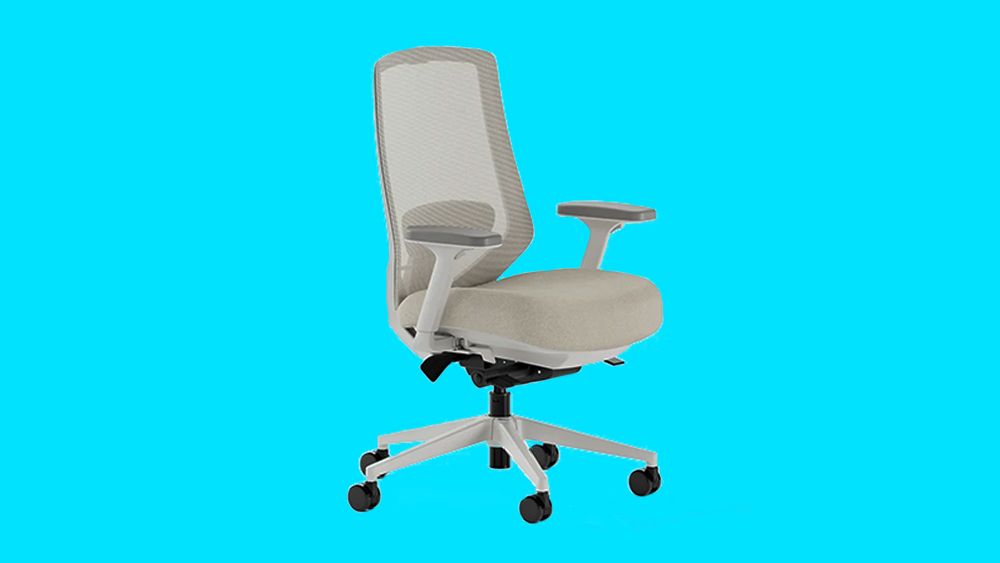
For the unconventional worker, the HAG Capisco remains in a class of its own. It is not a traditional "sit back and relax" chair; rather, it is designed to encourage active sitting. Whether you are working at a standing desk or moving between tasks, the Capisco’s saddle-inspired design promotes engagement of the core muscles, effectively changing the way we interact with our workstations.
Official Manufacturer Perspectives
In discussions with representatives from leading ergonomic brands, a common theme emerges: the industry is moving away from the "executive" aesthetic toward "wellness-integrated" design.
"The goal is no longer just to look professional," says a spokesperson for Branch. "The goal is to provide a physical environment that supports the human body through eight hours of intense cognitive load."
This sentiment is echoed by ergonomics experts, who emphasize that the best chair is the one that forces you to move. Modern design philosophies now prioritize "passive ergonomics"—features that work to support your posture without requiring the user to constantly fiddle with knobs and levers.
Implications for the Home Office
What does this mean for the average consumer? Firstly, the "desk chair gap"—the divide between high-end office furniture and budget home equipment—is closing. The availability of high-quality, adjustable seating at sub-$500 price points means that consumers no longer have to sacrifice their health to maintain a professional workspace.
Secondly, the shift toward remote and hybrid work is permanent. With more time spent at home, the cost-per-use of a quality office chair is lower than ever. If you spend 2,000 hours a year in your chair, a $450 investment equates to roughly $0.22 per hour of use over the course of a year. When framed in that context, the cost of a high-quality chair is dwarfed by the potential medical costs of long-term back issues.
Final Recommendations: How to Choose
When navigating these Black Friday deals, it is easy to get caught up in the percentage of the discount. However, we urge readers to consider their specific needs:
- Assess your height and weight: Not every chair is built for every body type. Always check the weight capacity and height recommendations provided by the manufacturer.
- Evaluate your workspace: Do you have the space for a chair with a large footprint, or do you need a compact solution?
- Assembly readiness: Be realistic about your ability to assemble the furniture. If you are not confident with tools, look for models that offer "white glove" delivery or require minimal assembly.
- Prioritize the warranty: A quality ergonomic chair should come with a warranty of at least five years. If a deal seems too good to be true, check the warranty terms; a chair is only a bargain if it lasts.
As Black Friday progresses, the selection of colors and configurations will inevitably dwindle. If you have been struggling with discomfort, fatigue, or poor posture, the current market represents a unique intersection of high inventory and low pricing. Investing in your workspace is not merely a purchase; it is a commitment to your long-term health and professional performance.
To see how these chairs compare directly against one another, please visit our comprehensive guide to the best office chairs for back pain, where we detail our testing methodology and long-term durability results.