For enthusiasts, engineers, and creative professionals, the window to upgrade their workshop has officially opened. In an increasingly competitive landscape for desktop additive manufacturing, Bambu Lab has stunned the market by launching its Black Friday promotional event nearly a full month ahead of the traditional November sales rush.
Known for bridging the gap between hobbyist-grade tinkering and professional-grade reliability, Bambu Lab is positioning this early-access sale as the definitive opportunity for creators to acquire high-performance hardware at the lowest prices observed this year. With significant price drops across their entire catalog—ranging from compact entry-level units to advanced multi-material systems—the company is setting a high bar for the remainder of the holiday shopping season.
Main Facts: The Scope of the Sale
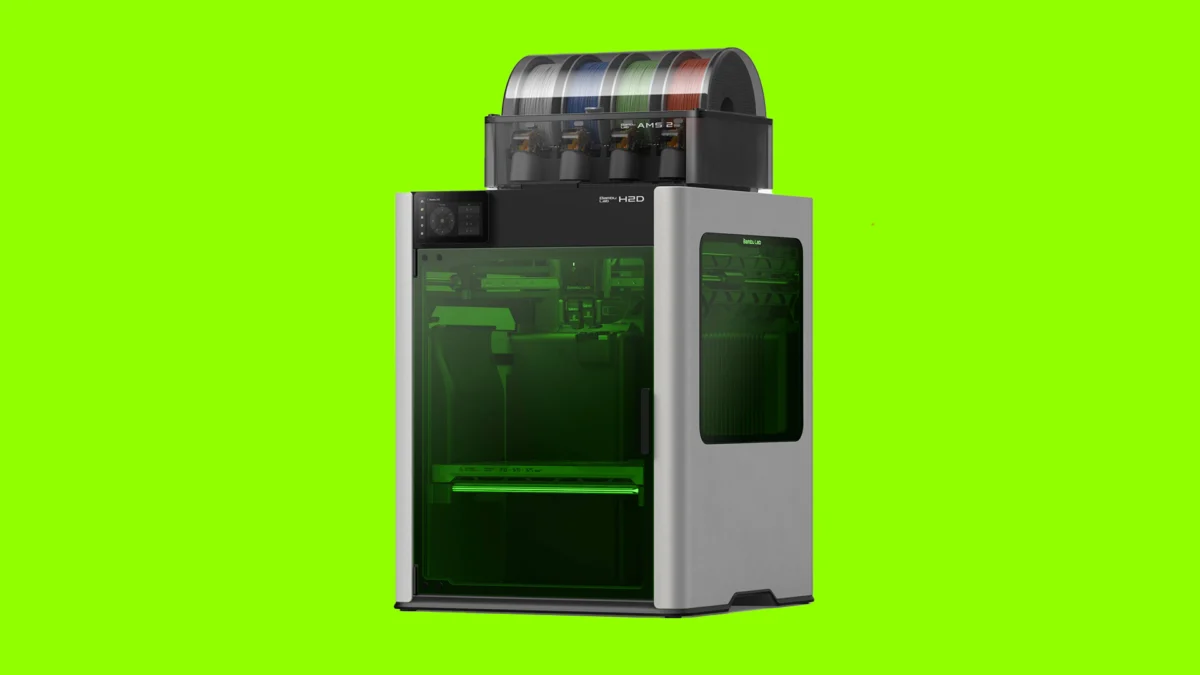
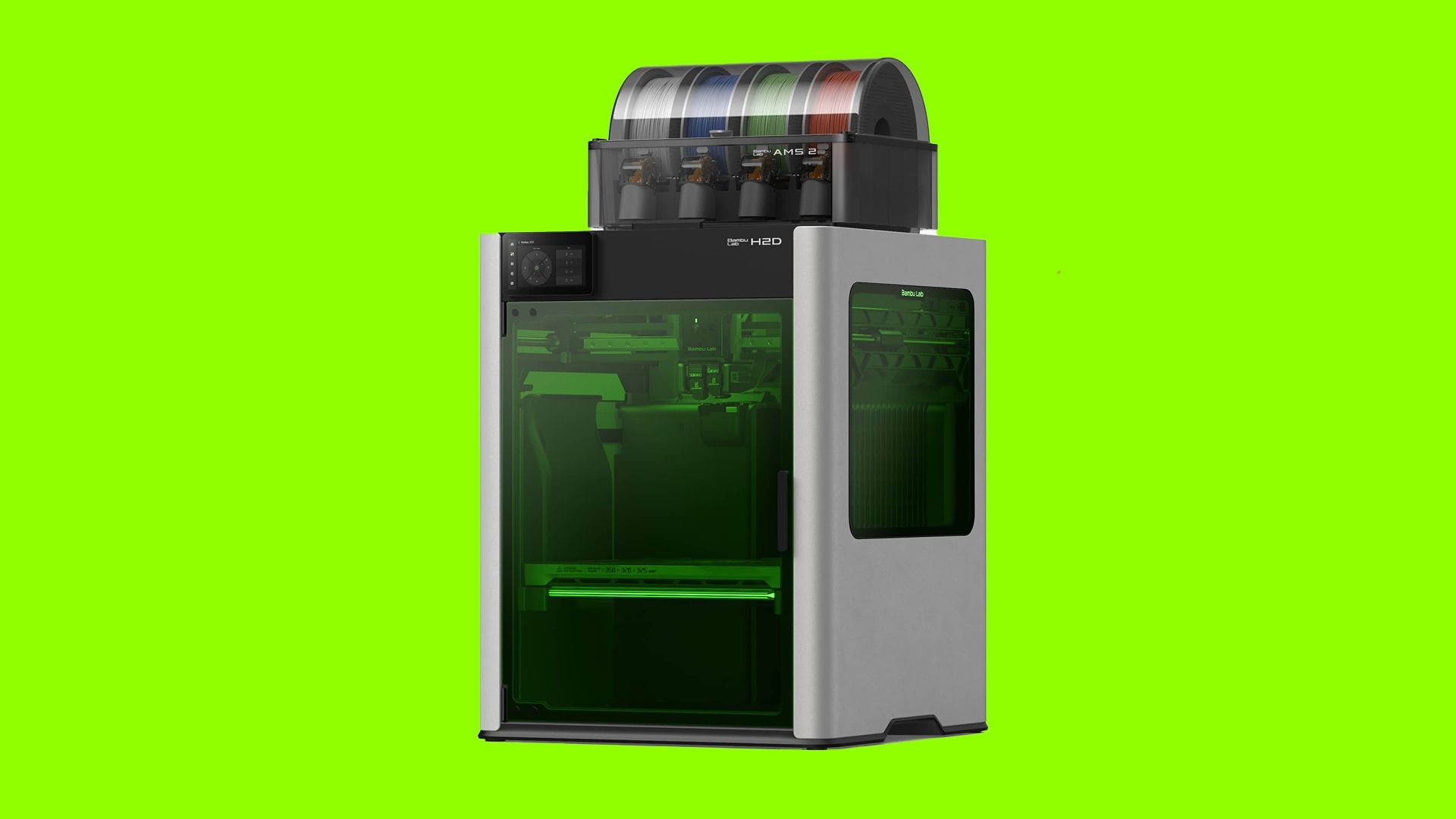
The Bambu Lab Black Friday event is not merely a clearance of older stock; it encompasses the brand’s most popular current-generation machines. The centerpiece of the promotion is a substantial reduction on the H2D AMS Combo, which is currently seeing discounts of up to $250. This machine, widely regarded as a powerhouse for those involved in both 3D printing and precision plotting/cutting, represents a versatile "creative hub" for modern studios.
For those just entering the world of additive manufacturing, the spotlight is on the A1 Mini. Now priced at an aggressive $199, the unit serves as an accessible gateway into the Bambu Lab ecosystem without compromising on the signature speed and reliability that have made the brand a favorite among reviewers.
Beyond the printers themselves, the sale extends to the essential consumables and components that drive the industry. The company has implemented a discount structure of up to 35% on bulk filament purchases, as well as a 40% reduction on their "Maker’s Supply" model kits. This holistic approach ensures that users are not just buying a machine, but are fully stocked for their creative projects through the new year.
Chronology: A Strategy of Early Adoption
The decision to initiate Black Friday pricing in late October reflects a broader shift in retail strategy within the tech sector. By moving the start date forward, Bambu Lab is effectively capturing the "early bird" demographic and bypassing the logistical bottleneck that often characterizes the chaotic final week of November.
- Late October: Announcement and immediate launch of the Black Friday promotional pricing across the official store.
- November 2024: Peak promotional period, with stock availability tracking for high-demand items like the X1-Carbon and P1S series.
- December 1, 2024: The hard deadline for the sale. Bambu Lab has confirmed that this will be the final opportunity for customers to secure these specific price points before the end of the calendar year.
This timeline suggests a calculated effort to clear inventory and maximize user adoption before the fiscal year-end, rewarding brand loyalists while simultaneously enticing fence-sitters who have been waiting for a price-to-performance tipping point.
Supporting Data: Why Bambu Lab Leads the Pack
Bambu Lab’s rapid ascent in the 3D printing market is no accident. The company disrupted the status quo by focusing on "out-of-the-box" functionality. Historically, 3D printing was a hobby defined by constant calibration and troubleshooting; Bambu Lab shifted the narrative toward "plug-and-play" efficiency.
Data from recent market evaluations highlights three key areas where these machines excel:
- Print Speed: Bambu Lab printers consistently outperform traditional Cartesian printers, often reaching speeds that cut production time by more than 50% without sacrificing structural integrity.
- Multi-Color Capabilities: The Automated Material System (AMS) remains the industry gold standard for affordable, reliable multi-color and multi-material printing.
- Software Integration: The integration between the slicer software (Bambu Studio) and the physical hardware allows for remote monitoring and cloud-based management that many legacy brands still struggle to match.
The current discount on the A1 Mini brings the cost of a high-speed, reliable machine down to a level that competes directly with budget-tier printers, yet offers a significantly more polished user experience.
Official Responses and Industry Context
While Bambu Lab has kept their official commentary brief, emphasizing the "creative possibilities" unlocked by their hardware, industry analysts note that this aggressive pricing is a response to a saturated market. As competitors like Creality and Prusa Research continue to iterate, Bambu Lab is leveraging its economies of scale to maintain its market share.
In a recent internal update, a company spokesperson noted: "Our goal this holiday season is to put the power of professional-grade manufacturing into the hands of as many creators as possible. By providing these early discounts, we want to ensure that our community can spend their holiday season building and creating rather than waiting for shipping delays or price fluctuations."
The decision to include deep discounts on filament and Maker’s Supply kits also indicates a long-term retention strategy. By incentivizing the purchase of proprietary consumables, Bambu Lab is building a recurring revenue model that benefits both the user (through consistent material quality) and the company (through ecosystem loyalty).
Implications for the Creative Industry
For designers, architects, and product developers, this sale represents a significant shift in operational costs. In the past, high-speed, multi-color 3D printing was reserved for enterprise-level budgets. The current pricing structure makes it feasible for individual freelancers and small agencies to integrate in-house rapid prototyping into their workflows.
Impacts on Professional Workflow:
- Rapid Iteration: With lower hardware costs, firms can afford to have multiple printers running simultaneously, significantly reducing the turnaround time for client prototypes.
- Customization: The ability to print in multiple colors and materials on demand allows design agencies to offer bespoke products that were previously cost-prohibitive.
- Educational Access: The sub-$200 entry point for the A1 Mini is a game-changer for educational institutions, allowing classrooms to move beyond theoretical design and into practical, hands-on engineering.
Looking Forward: Is Now the Time to Buy?
As we approach the end of the year, the landscape for consumer technology is fraught with uncertainty. However, the current Bambu Lab sale offers a rare degree of clarity. Given that these prices are guaranteed until December 1, and considering the historical demand for these machines, the current window offers the highest probability of securing stock before the inevitable "holiday rush" supply shortages.
For those waiting for the "perfect" deal, it is important to weigh the current savings against the potential for inventory depletion. As the adage in the 3D printing community goes: "The best time to start building is the moment you have the tools in hand."
Whether you are a seasoned professional looking to scale your print farm or a beginner eager to explore the potential of additive manufacturing, the current Bambu Lab event provides a unique intersection of value and performance. As the sale progresses toward its December 1st conclusion, the combination of high-tier hardware and reduced entry costs makes this one of the most significant consumer electronics events of the 2024 holiday season.
Stay tuned to our ongoing coverage for updates on shipping times, additional flash sales, and expert reviews of the latest Bambu Lab hardware, and remember to consult our comprehensive buying guides to ensure you are selecting the right machine for your specific design needs.