Main Facts
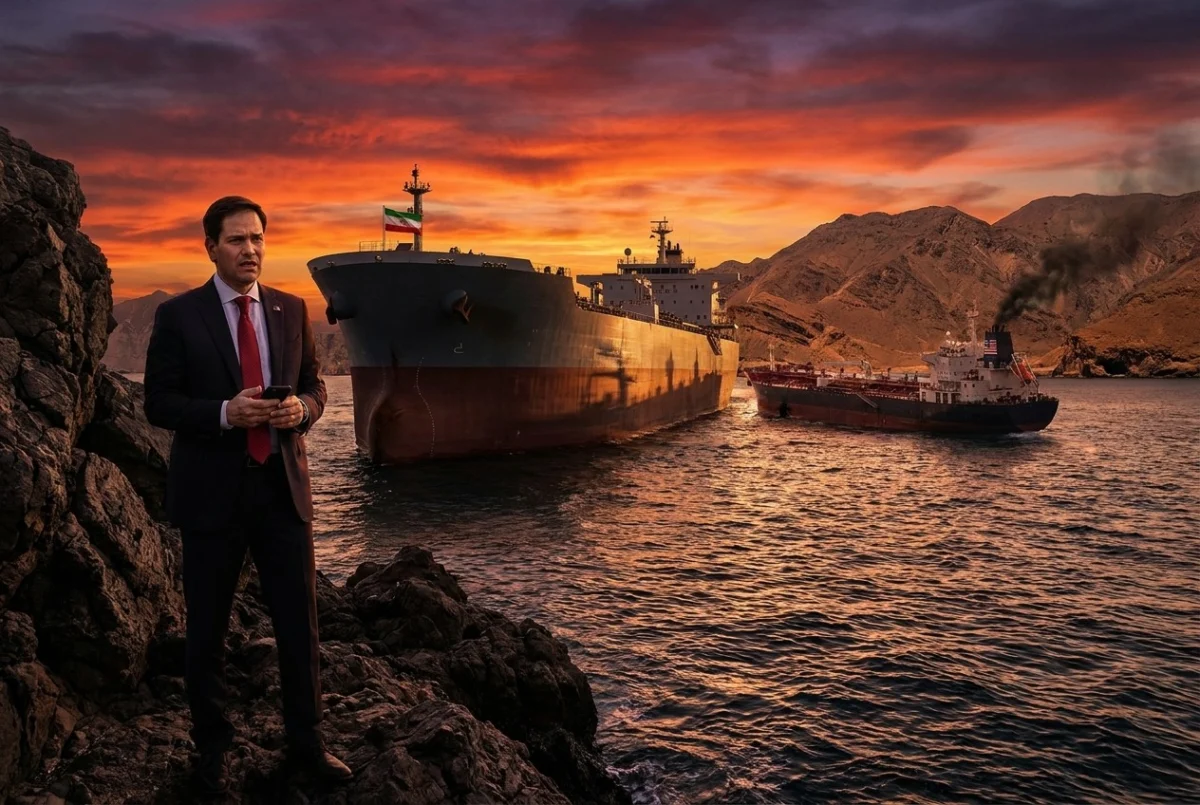
The ongoing diplomatic and military impasse surrounding the Strait of Hormuz has entered a critical new phase, underscored by high-level international consultations and shifting strategic realities in the Persian Gulf. Recent statements from senior U.S. officials, including Secretary of State Marco Rubio, highlight persistent challenges in maintaining unrestricted transit through the vital maritime chokepoint following months of military engagement and escalating regional tensions.
At the core of the current diplomatic friction is the operational status of the Strait of Hormuz, through which a significant portion of the world’s petroleum supplies passes. While Washington continues to assert the principle of unhindered international navigation under international maritime law, Tehran and regional actors have pursued alternative administrative and security arrangements. Reports indicate that littoral states along the narrowest corridors of the Strait—specifically Iran and Oman—have contemplated frameworks for joint administrative oversight and service fees for commercial vessels.
These developments have prompted intensified diplomatic outreach by the United States to G7 partners. U.S. officials are seeking broader international cooperation to secure commercial shipping lanes, reflecting the limitations of unilateral naval power in resolving complex, geographically entrenched security dilemmas. Meanwhile, global energy markets and maritime insurance providers continue to price in the persistent risks associated with the corridor, driving up operational costs for international shipping and refocusing attention on the limits of military intervention in altering fundamental geographic realities.
Chronology
- Mid-2026: Secretary of State Marco Rubio formally articulates Washington’s position that any proposed tolls or transit fees levied within the Strait of Hormuz violate international law, maintaining that the corridor must remain an unrestricted international waterway.
- October 2026: Maritime security incidents escalate in the Gulf of Oman, featuring tanker fires and renewed concerns over naval mining capabilities, which prompt maritime insurance underwriters to reevaluate risk profiles for vessels transiting the Persian Gulf.
- Late 2026 (Midterm Period): Political realisms shift within the United States following congressional elections, leading to debates among lawmakers regarding the long-term strategic and financial costs of regional military deployments.
- Early November 2026: Secretary Rubio travels to France to consult with G7 allies, emphasizing the necessity of a collective international approach to safeguard commercial transit through the Strait of Hormuz.
- Present: Diplomatic standoff persists as Washington rejects Iranian conditions for regional de-escalation—which include the lifting of port blockades and broader sanctions relief—while allied nations weigh diplomatic and economic measures to stabilize maritime traffic.
Supporting Data
- Geographic Jurisdiction: At its narrowest point, the Strait of Hormuz measures roughly 21 nautical miles wide, with shipping lanes falling primarily within the territorial waters of Iran and Oman, granting littoral states specific legal considerations under the United Nations Convention on the Law of the Sea (UNCLOS), though international transit passage regimes remain a point of intense legal debate.
- Economic Impact on Shipping: Industry estimates indicate that maritime insurance premiums and risk surcharges for vessels navigating the Persian Gulf have surged, with additional costs scaling into the millions of dollars per voyage during periods of heightened military tension.
- Flow of Petroleum: The Strait of Hormuz remains a critical global energy artery, accommodating millions of barrels of crude oil and liquefied natural gas (LNG) daily, making any disruption to its transit capacity an immediate driver of global macroeconomic volatility.
- Military Posture: Despite diplomatic engagements, the U.S. Department of Defense maintains a robust regional posture, including carrier strike group deployments and tactical aviation assets stationed in strategic regional hubs such as Diego Garcia.
Official Responses
United States Department of State
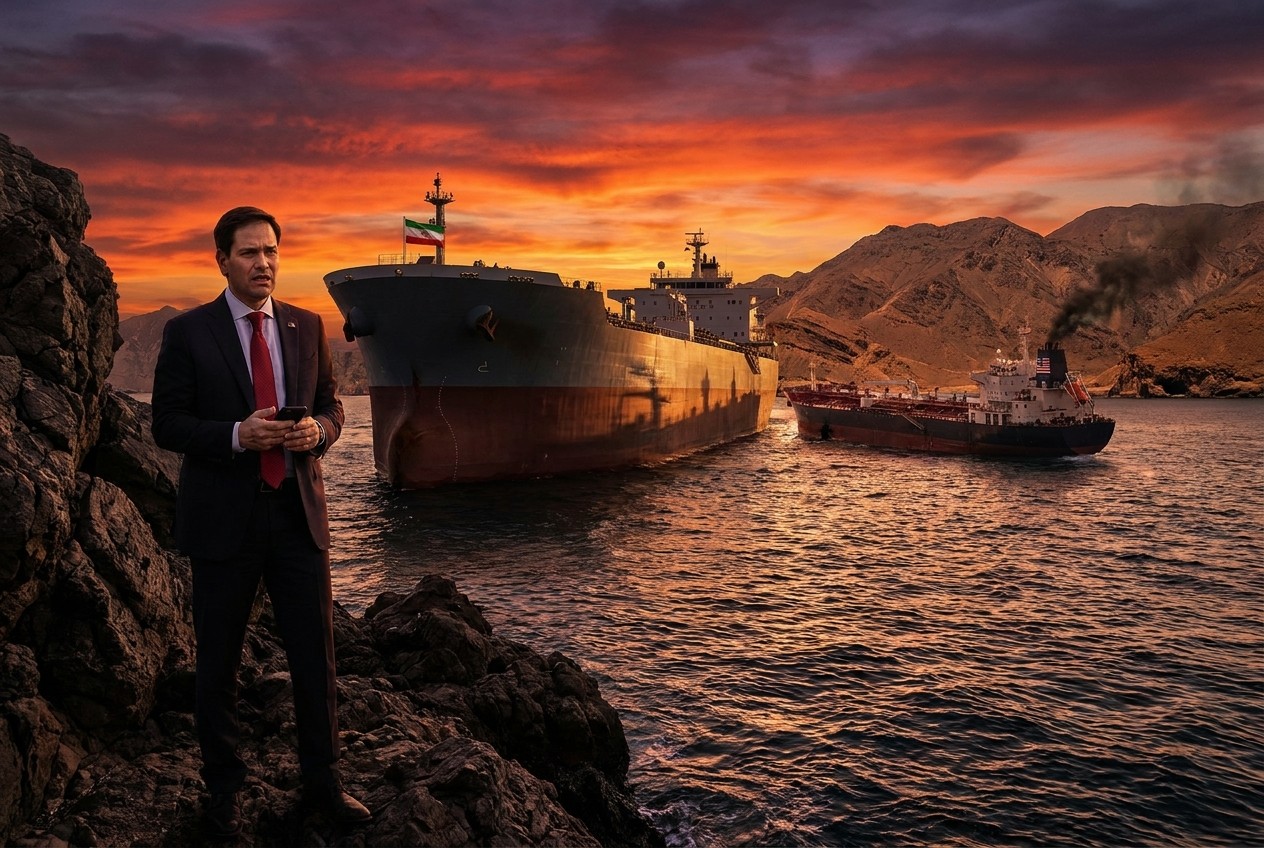
Secretary of State Marco Rubio has maintained a firm diplomatic stance, characterizing proposals by Tehran to impose transit fees or service charges as illegitimate and contrary to the established framework of freedom of navigation. During consultations with European allies, U.S. representatives emphasized that securing international trade corridors is a collective responsibility that requires unified diplomatic and operational support from G7 member states. Furthermore, Washington has publicly dismissed Iranian preconditions for broader regional settlements—such as the cessation of maritime enforcement operations and comprehensive sanctions relief—as untenable.
Regional and International Perspectives
Iranian officials have defended the sovereign rights of littoral nations to regulate transit within their territorial waters and establish maintenance or service frameworks for high-density shipping lanes. Concurrently, regional neighbors and European allies have adopted a more nuanced approach, balancing adherence to international maritime law with the practical necessity of ensuring uninterrupted energy supplies. While G7 capitals acknowledge the urgency of stabilizing the waterway, discussions remain divided on whether to pursue deterrence-based security initiatives or engage in diplomatic compromises that address regional economic grievances.
Implications
Geopolitical and Strategic Reconfigurations
The inability of traditional naval power projection to unilaterally guarantee unrestricted access to the Strait of Hormuz illustrates a broader transformation in modern geopolitics. Analysts note that maritime chokepoints bordered by determined regional powers cannot be permanently secured through air campaigns or short-term military deployments alone. This reality has accelerated discussions among non-Western nations regarding alternative settlement mechanisms, including bilateral trade conducted in non-dollar currencies, potentially diminishing the long-term leverage of traditional Western economic sanctions.
Economic and Energy Market Consequences
The protracted instability in the Persian Gulf has institutionalized a permanent risk premium into global energy markets. Even absent total blockades, elevated marine insurance rates, longer transit routing, and potential administrative fees levied by littoral states contribute to baseline inflation for petroleum products worldwide. For importing nations, these structural shifts underscore the urgency of long-term diversification strategies, accelerated investments in renewable energy, and enhanced supply chain resilience to mitigate vulnerabilities tied to Middle Eastern maritime transit.