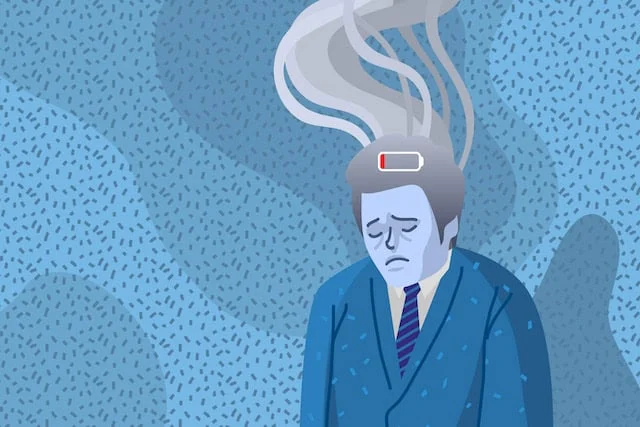
For decades, the public understanding of a "toxic workplace" has been dominated by overt caricatures: the screaming executive, the desk-slamming manager, or the flagrant, documentable case of harassment. Yet, a growing body of research in organizational psychology suggests that the most damaging workplace environments are often those where the dysfunction is quiet, subtle, and systemic.
A first-hand account from a corporate professional—who requested anonymity to protect their career—illuminates a pervasive phenomenon: the slow, insidious erosion of self-esteem under charismatic but narcissistic leadership. This experience, characterized not by explosive outbursts but by an accumulation of micro-aggressions, gaslighting, and inconsistent feedback, highlights a critical blind spot in modern corporate wellness programs.
This report examines the mechanics of subtle workplace toxicity, traces the psychological trajectory of affected employees, analyzes the supporting socioeconomic data, and explores how organizations and human resource departments must evolve to address these invisible hazards.
Main Facts: The Anatomy of Covert Toxicity
To understand the modern toxic workplace, researchers distinguish between overt hostility and covert, or relational, aggression. In highly respected organizations, toxic dynamics are frequently masked by outward success, polished branding, and charismatic leadership.
+-----------------------------------------------------------------------+
|                       OVERT VS. COVERT TOXICITY                       |
+-----------------------------------------------------------------------+
|  Overt Toxicity (Easily Identified)  |  Covert Toxicity (Hard to Prove) |
|  - Shouting and public insults       |  - Inconsistent praise/neglect   |
|  - Clear violations of HR policy      |  - Criticism disguised as advice |
|  - Tangible bullying or sabotage     |  - Gaslighting & exclusion       |
|  - Explicit threats to job security  |  - Subtle undermining of authority|
+-----------------------------------------------------------------------+
The Illusion of Success
In the case study analyzed, the organization in question was highly regarded, and its leadership team was widely admired. This external prestige creates a cognitive dissonance for employees experiencing distress. When the outside world views an organization or a leader as highly successful, employees are far more likely to internalize their struggle as a personal failure rather than an environmental issue.
The Role of the Corporate Narcissist
At the center of many covertly toxic environments is the narcissistic leader. Unlike the overtly abusive boss, the corporate narcissist is often highly charismatic, articulate, and socially adept. They build a loyal circle of "enablers"—colleagues who minimize, justify, or excuse toxic behaviors to maintain their standing or protect the status quo.
The narcissist’s manipulation tactics typically include:
- Intermittent Reinforcement: Alternating between warm praise and sudden coldness or exclusion, which keeps subordinates in a perpetual state of trying to prove themselves.
- Triangulation: Creating competition and paranoia among team members to prevent them from forming cohesive, supportive alliances.
- Passive-Aggressive Feedback: Delivering harsh criticisms under the guise of "constructive mentoring" or "developmental advice," leaving the recipient confused and self-critical.
Chronology: The Progressive Erosion of Self-Trust
The psychological impact of a toxic workplace does not occur overnight. It is a slow, progressive conditioning process that can be mapped across distinct phases.
[Phase 1: Self-Blame] ──► [Phase 2: Hyper-Vigilance] ──► [Phase 3: Realization] ──► [Phase 4: Recovery]
  - Sunday anxiety          - Constant rehearsal       - Parallels identified   - Exit and relief
  - Internalized guilt      - Over-accommodation       - Psychological safety   - Rebuilt identity
Phase 1: Internalization and Self-Blame
The initial phase is marked by subtle physiological and emotional signals. For the subject of our case study, this manifested as severe Sunday night anxiety (the "Sunday Scaries"), a tightening chest upon receiving emails, and an ongoing sense of dread before meetings. Because there was no overt bullying, the employee blamed themselves, assuming they lacked resilience or stress-management skills.
Phase 2: Hyper-Vigilance and Over-Accommodation
As the inconsistency of the environment persists, the employee enters a state of chronic hyper-vigilance. They spend excessive energy monitoring the moods of leadership, over-preparing for routine meetings, and constantly apologizing. In an effort to resolve the tension, the employee works harder, communicates more cautiously, and becomes increasingly self-critical—yet the goalposts continue to shift.
Phase 3: The Epiphany and Parallel Recognition
The turning point often occurs when the employee recognizes a familiar behavioral pattern. In this case, during a team meeting, the employee realized the office dynamic mirrored a dysfunctional family structure: a charismatic, narcissistic figurehead surrounded by enablers who neutralized any criticism of the leader’s behavior.
This realization was crystallized by a simple, profound question from an external friend: "Do you actually feel safe there?" This shifted the employee’s perspective from viewing their anxiety as a personal failure to recognizing it as a healthy response to an unhealthy environment.
Phase 4: Exit and Recovery
Upon recognizing that the environment lacked basic psychological safety, the employee made the decision to leave. The departure yielded an almost immediate restoration of confidence, self-trust, and mental clarity, confirming that the distress was situational rather than systemic to the individual’s capabilities.
Supporting Data: The Measurable Impact of Toxic Culture
The personal narrative of covert workplace trauma is validated by extensive macroeconomic and psychological research. Data indicates that toxic workplace culture is not just an individual mental health crisis; it is a primary driver of organizational dysfunction and economic loss.
Toxic Culture as a Driver of Retention Issues
A landmark study by the MIT Sloan Management Review analyzed the drivers of the "Great Resignation" in the United States. The researchers analyzed data from over 34 million employee profiles to determine why workers were leaving their jobs.
RANKING OF DRIVERS OF EMPLOYEE ATTRITION (MIT Sloan Research)
1. Toxic Work Culture ────────────────────────────────────────── 10.4x
2. Job Insecurity & Reorganization ─────────────────── 3.5x
3. High Levels of Innovation (Burnout) ───────────── 3.2x
4. Failure to Recognize Performance ───────────────── 2.9x
5. Poor COVID-19 Response ────────────────────────── 1.8x

*Note: Values indicate how much more predictive a factor was of attrition compared to compensation.
The study concluded that a toxic corporate culture is 10.4 times more powerful than compensation in predicting an employee’s decision to leave their organization.
The Cost of Psychological Safety Failures
According to research by Dr. Amy Edmondson of Harvard Business School, who pioneered the concept of "psychological safety," organizations that fail to foster an environment where employees feel safe to speak up, make mistakes, and express vulnerability suffer from:
- Increased Error Rates: Employees hide mistakes rather than reporting them, leading to catastrophic systemic failures.
- Decreased Innovation: Fear of criticism or ridicule silences creative problem-solving.
- High Absenteeism: The physical toll of chronic stress—including elevated cortisol levels, cardiovascular issues, and compromised immune systems—leads to higher rates of sick leave.
In a 2023 survey by the American Psychological Association (APA), 77% of workers reported experiencing work-related stress in the prior month, and 57% reported experiencing negative impacts associated with workplace stress, including emotional exhaustion and physical fatigue.
Official Responses: Corporate and Expert Perspectives
To understand why these toxic environments persist, it is necessary to examine the official responses of human resource professionals, legal experts, and organizational consultants.
The Human Resources Paradox
Historically, Human Resources (HR) departments have struggled to address subtle, covert toxicity. This difficulty stems from a structural paradox: HR’s primary legal mandate is to protect the organization from liability, not necessarily to resolve interpersonal psychological discomfort.
"Without a paper trail of explicit harassment, discrimination, or physical hostility, HR departments are often ill-equipped to intervene," says workplace culture consultant Dr. Elena Rostova. "When an employee complains about a charismatic leader who uses passive-aggressive manipulation, HR often views it as a ‘personality conflict’ rather than a systemic cultural failure. Consequently, the high-performing or highly placed leader is protected, and the complaining employee is quietly managed out or leaves voluntarily."
The Evolving Legal and Regulatory Landscape
In response to growing research on mental health, regulatory bodies are beginning to update their guidelines regarding psychosocial hazards in the workplace.
+-------------------------------------------------------------------------+
|                  REGULATORY SHIFTS IN WORKPLACE SAFETY                  |
+-------------------------------------------------------------------------+
|  Jurisdiction       |  Regulatory Action                                |
+---------------------+---------------------------------------------------+
|  U.S. Surgeon       |  Released the first-ever Framework for Mental      |
|  General (2022)     |  Health & Well-Being in the Workplace, emphasizing |
|                     |  protection from harm and connection.             |
+---------------------+---------------------------------------------------+
|  Australia (2023)   |  Implemented legally binding "Psychosocial        |
|                     |  Hazard" regulations requiring employers to       |
|                     |  actively manage risks to mental health.          |
+---------------------+---------------------------------------------------+
|  European Union     |  Increasingly integrating mental well-being into  |
|  Directives         |  Occupational Health and Safety (OHS) audits.     |
+---------------------+---------------------------------------------------+
Implications: Redefining Professional Safety and Leadership
The realization that subtle, covertly toxic workplaces are deeply damaging has profound implications for the future of employment, organizational leadership, and individual health.
Redefining "Professionalism"
For decades, professional success was equated with endurance. Employees were encouraged to "toughen up," "push through," and adapt to highly demanding, even abusive, environments. However, the emerging consensus among mental health professionals is that professional experience should increase an individual’s confidence, not diminish it.
When an employee is forced to constantly shrink, quiet their instincts, and doubt their own perceptions, the environment is no longer demanding—it is destructive.
The Financial Cost of Covert Dysfunction
Organizations that tolerate charismatic but toxic leaders pay a heavy "toxic tax." While a narcissistic leader may deliver short-term results, their long-term impact includes:
- The loss of top-tier talent who refuse to tolerate psychological discomfort.
- The high recruitment and onboarding costs associated with constant turnover.
- A culture of compliance and mediocrity, as innovative thinkers leave and only passive "enablers" remain.
The Path Forward for Organizations
To combat covert toxicity, forward-thinking organizations must implement structural changes:
- 360-Degree Evaluations: Performance reviews must look beyond financial metrics to assess how leaders achieve their goals. Peer and subordinate feedback should carry significant weight.
- Psychological Safety Audits: Regular, anonymous surveys conducted by third-party organizations can identify teams or departments experiencing high levels of fear, anxiety, or distrust.
- Active Bystander Training: Educating teams to recognize subtle gaslighting, manipulation, and exclusion, and empowering them to call out these behaviors constructively.
For individuals currently navigating these environments, the ultimate lesson of this case study is one of self-reclamation. Recognizing that personal anxiety is often an appropriate biological response to a dysfunctional environment is the first step toward healing. As the anonymous professional concluded, "You are not weak for being affected by an unhealthy environment. Sometimes the first step toward healing is simply allowing yourself to tell the truth about what those spaces have done to you."