When the creators of the personal finance blog Frugalwoods traded their urban lifestyle for a 66-acre homestead in rural Vermont in May 2016, they carried with them a dream that is shared by millions of city dwellers: the romanticized, idyllic vision of complete self-sufficiency. They imagined a life modeled after Little House on the Prairie—minus the hardships—where they would grow, harvest, and preserve every vegetable and fruit required to sustain their family through the harsh New England winters.
Seven years later, the reality of their endeavor serves as a compelling case study on the disconnect between rural idealism and the grueling logistics of modern homesteading. Their journey from naive, ambitious beginners to grounded, pragmatic stewards of their land offers profound insights into the true cost of food production and the importance of redefining personal success.
The Mirage of Total Self-Sufficiency
The initial assumption held by the Frugalwoods family was that homesteading would be a seamless, picturesque transition. They envisioned themselves spending sunny summer afternoons singing to rows of thriving crops, followed by long, cozy winter evenings consuming home-preserved goods by the warmth of a woodstove. They even entertained the prospect of raising livestock—meat chickens, pigs, and goats—and maintaining a dairy cow to produce their own butter and cheese.

While such a lifestyle is technically possible, the reality proved far more complex. The "gargantuan assumption" that they could achieve a fully sustainable, organic, and free-range existence encountered the harsh friction of daily life. The family eventually realized that the romanticized image of the "perfect homesteader" was not just unattainable; it was inherently incompatible with their desire for freedom, time, and mental well-being.

Chronology of a Learning Curve: The 2018 Kale Apocalypse
The turning point for the family’s philosophy came in 2018, an event they now refer to as the "Kale and Chard Apocalypse." In an attempt to maximize their harvest, they planted 80 kale and chard plants—a move they quickly identified as a catastrophic overestimation of their needs and processing capacity.

The ensuing harvest was an all-consuming, multi-day ordeal. Because the plants were so successful, the family was forced to utilize a child’s plastic swimming pool just to wash the greens. The subsequent processing, blanching, and canning involved hours of back-breaking labor. When the family finally sat down to survey their efforts, they realized they had created a surplus they could not possibly consume before the product spoiled.

The heartbreak of composting hard-won, home-canned food was the catalyst for a radical shift in their outlook. They realized they had inadvertently transplanted the high-pressure, anxiety-ridden environment of their former corporate careers into their gardening hobby. The garden, which was meant to be a source of joy and liberation, had become a demanding master.

The Reality of Food Production: Supporting Local Agriculture
Today, the family’s approach to their 66-acre property is one of balanced participation rather than total dominance. They have moved away from the idea that they must produce everything they eat. Instead, they have cultivated a sense of gratitude for their neighbors—local farmers who have dedicated their professional lives to the trade.

By purchasing staples from local producers, the Frugalwoods family supports the regional economy and acknowledges that professional farmers are often more efficient and skilled at large-scale production than hobbyists. This shift in perspective has allowed them to stop feeling guilty for not being "perfect" homesteaders. It has replaced the pressure of subsistence with the pleasure of growing a "little bit of this and a tidbit of that."

Supporting Data: Infrastructure vs. Yield
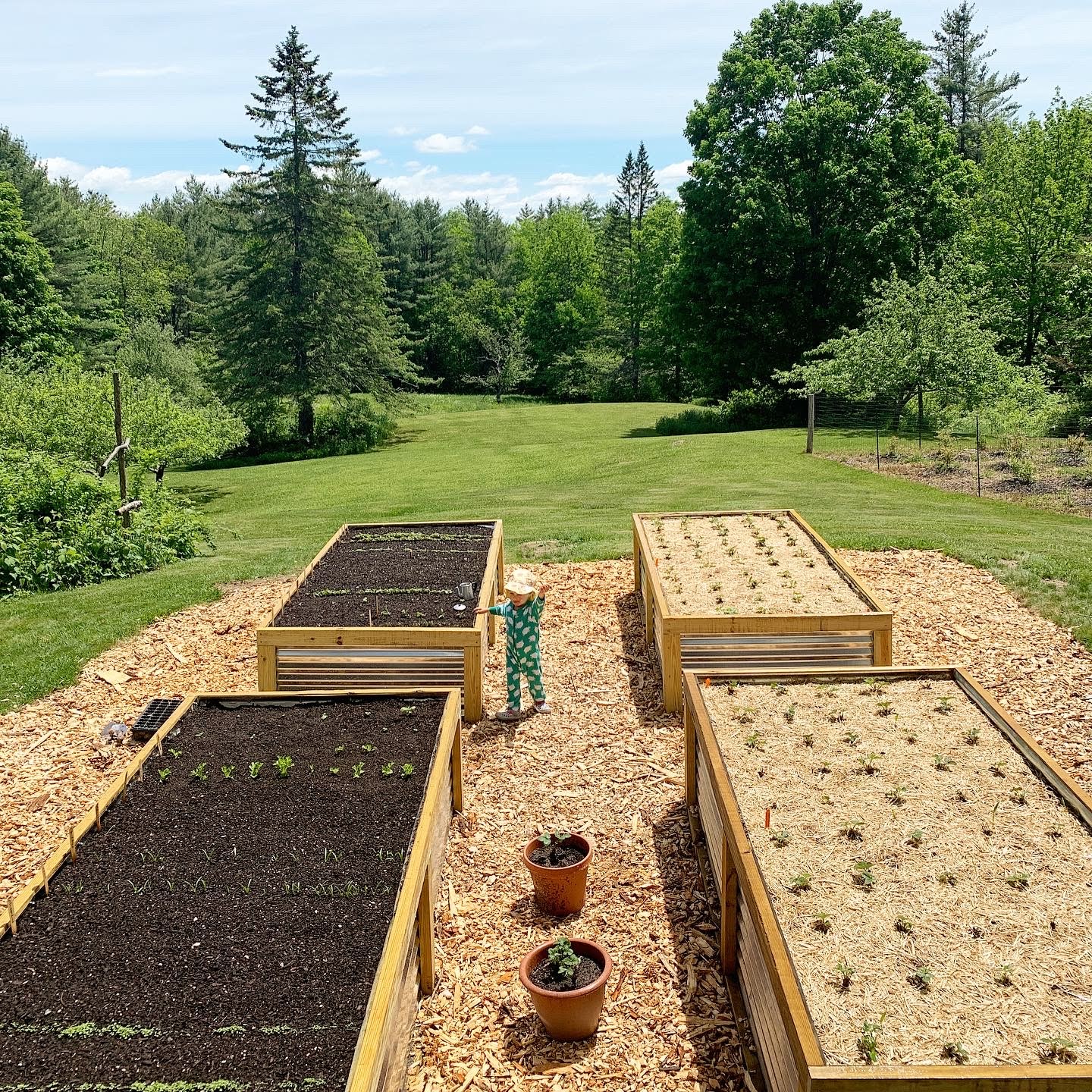
The reality of their garden’s output is tempered by the variables inherent in nature. Despite investing in significant infrastructure—including raised beds, a custom-built seed-starting tower, and fenced-in plots for annual vegetables—the actual yield of perennial crops often fails to meet expectations.
The "Clever Varmint Patrol" (CVP)—a playful term for the local wildlife that consistently targets their plum and cherry trees—has proven to be a formidable adversary. Combined with the unpredictability of Vermont’s climate, including late frosts and erratic rainfall, the challenges are immense. Most importantly, the timing of the harvest remains a point of contention. Fruit trees and vegetable crops do not adhere to human schedules; when a tree produces a bumper crop of apples, it happens all at once, creating a sudden, overwhelming demand for labor.

The Case for Equilibrium: Lessons on Time and Mental Health
For the Frugalwoods, the core of the issue is the allocation of time. They moved to the woods to escape the "rat race," yet they found that an excessive, self-imposed commitment to gardening was merely a different type of labor-intensive cage.

Key Takeaways from Seven Years of Rural Life:
- Avoid the "Perfection Trap": The societal expectation of the "perfect homesteader" can be just as stifling as the expectations of an office environment.
- Infrastructure is a One-Time Cost, but Maintenance is Perpetual: The initial setup of their garden was a monumental task, but the ongoing work of weeding, watering, and processing is a lifelong commitment that requires constant vigilance.
- The Value of Flexibility: The ability to pivot—to go for a hike, visit a neighbor, or swim in a lake—is a vital component of the rural lifestyle. Sacrificing these freedoms for the sake of an extra jar of pickles is a trade-off that rarely pays off in long-term satisfaction.
- Acceptance of Scale: There is a profound difference between a hobby garden and a working farm. By accepting their status as hobbyists, the family has reclaimed their time.
Implications for Future Homesteaders
The Frugalwoods’ experience offers a cautionary, yet ultimately uplifting, narrative for anyone contemplating a move to the country. The implication is clear: true sustainability is not just about the food on your plate; it is about the sustainability of your own energy and mental health.

By rejecting the binary choice between "total self-sufficiency" and "failure," they have discovered a middle path. They continue to garden with their children, teaching them the value of the land and the patience required to nurture a plant from seed to harvest. However, they do so without the crushing weight of quotas. They have successfully divorced their self-worth from their harvest volume.

As they enter their next chapter of rural living, the lesson remains pertinent: the most successful harvest is not measured in quarts of canned goods or the number of livestock in the barn. It is measured in the freedom to spend one’s days with intention, the ability to support one’s community, and the wisdom to know when enough is truly enough. Their journey serves as a reminder that the goal of moving to the woods should be to gain a life, not to lose it in the soil.