For millions of women, the transition through perimenopause and menopause is not merely marked by hormonal shifts, but by a profound, systemic disruption of the biological clock. While the cultural narrative often reduces menopause sleep struggles to "hot flashes" or "insomnia," clinical reality paints a much more intricate picture. The frustration is palpable: you are in bed by 11:00 p.m., only to be jolted awake at 2:40 a.m., drenched in sweat, then again at 4:15 a.m., before the alarm rings at 6:00 a.m.
This isn’t just "bad sleep." It is a physiological pattern that defies generic advice. When your life remains constant but your sleep quality degrades, the culprit is rarely a simple case of "needing to relax." It is a complex interplay of biology, habit, and undiagnosed underlying conditions.
The Anatomy of Midlife Sleep Disruption: Main Facts
Research from the Study of Women’s Health Across the Nation (SWAN), which followed 3,045 women between the ages of 42 and 52, confirms that the odds of sleep disturbances—both falling asleep and staying asleep—rise significantly across the menopausal transition.
By the time many women reach their tenth year of perimenopause, the prevalence of insomnia symptoms climbs from roughly 31% to nearly 48%. These are not isolated, rare occurrences; they are self-reported symptoms happening at least three times a week. The most dangerous aspect of this transition is the "dread of the bed"—a psychological shift where the bedroom, once a sanctuary, becomes a site of performance anxiety and frustration. When generic sleep hygiene tips—like reducing screen time or lowering the thermostat—fail to provide relief, it is not because the patient has failed. It is because the "advice" was never tailored to the specific, multi-faceted mechanisms of menopausal insomnia.
A Chronology of a Restless Night
To understand why traditional remedies fail, one must look at the timeline of a typical night for a woman in midlife.
- The Early Evening: Fatigue is high, but the transition to sleep is often fraught with a racing mind or physical discomfort.
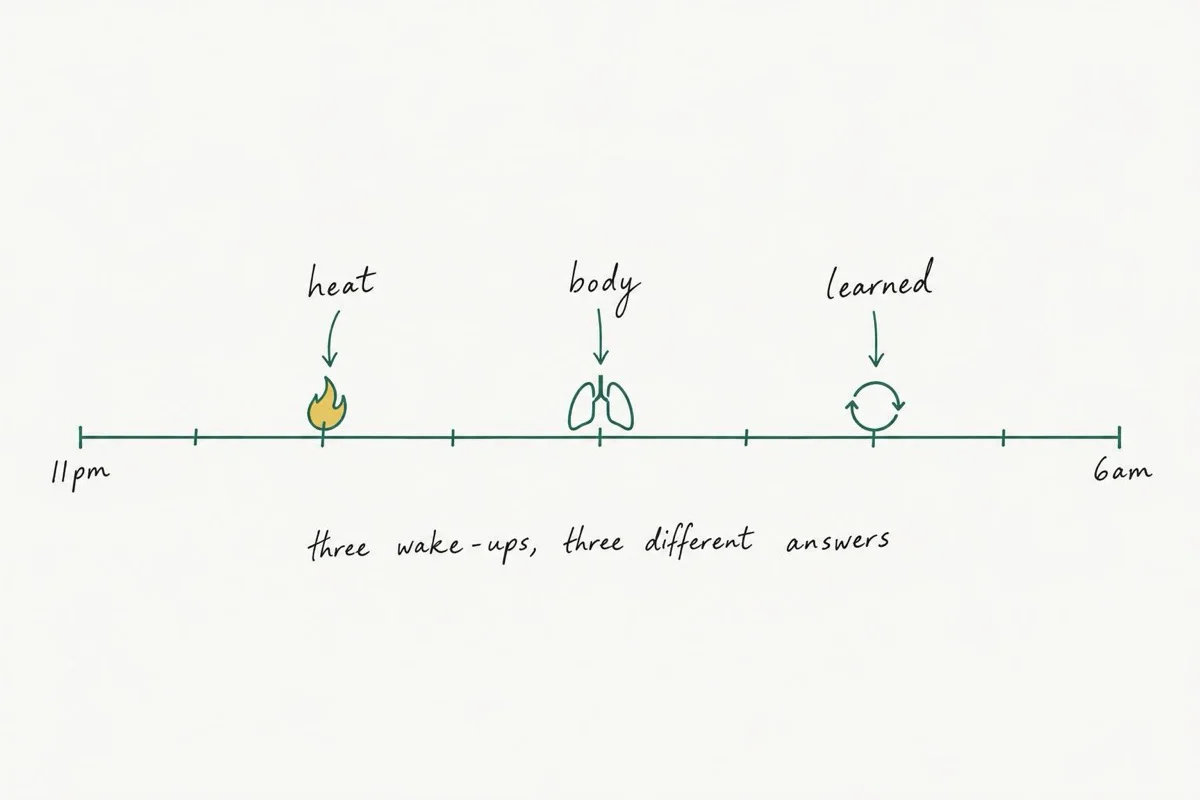
- The 2:00 a.m. to 4:00 a.m. Window: This is the "danger zone." Hormonal fluctuations can trigger acute thermoregulatory instability. You wake up hot, kick off the covers, and in the process of cooling down, you become fully alert.
- The 3:00 a.m. Thought Loop: Even if the heat subsides, the brain has learned to wake up. You begin to calculate hours of sleep lost or mentally rehearse the next day’s to-do list. This is "learned waking," and it persists long after the hormonal flashes subside.
- The Early Morning: The alarm rings, and the cycle of exhaustion begins again. By Thursday, this lack of restorative sleep manifests as irritability, cognitive fog, and reduced professional efficacy.
Supporting Data: Why "Natural" Remedies Often Fall Short
The market is flooded with supplements, yet the evidence for most "natural" sleep aids in the context of menopause is remarkably thin.
The Melatonin Myth
Pooled data from four randomized trials specifically targeting menopausal women showed that the effect of melatonin on sleep quality was not statistically significant. While it may help with circadian rhythm adjustments in some populations, it is not the panacea for the physiological wake-up triggers of menopause.
The Valerian Inconclusiveness
A 2024 umbrella review analyzed eight systematic reviews of valerian root for sleep disturbance. The consensus? The evidence is weak or inconclusive. Patients often try these supplements for two weeks, see no improvement, and assume the problem is their own lack of discipline, when in fact they were simply relying on tools that lack clinical backing for their specific condition.
The Three Pillars of Menopausal Wakefulness
To fix the sleep, you must identify the pattern. Menopause-related sleep problems are typically one of three distinct categories:
1. Heat-Driven Waking
This is the most recognized form. Research using actigraphy—a method of monitoring physical movement—found that 78% of objectively recorded nocturnal hot flashes coincided with a wake episode. In this scenario, the autonomic nervous system is essentially "tripping" the wakefulness mechanism to deal with the surge in body heat.
2. Body-Driven Waking
This category is frequently overlooked. As women age, the risk of sleep-disordered breathing rises. Data from the Sleep in Midlife Women Study shows an increase in the apnea-hypopnea index (AHI) during the menopause transition. Crucially, women with obstructive sleep apnea (OSA) rarely present with the classic "loud snoring" found in men. Instead, they report insomnia, fatigue, and low mood—symptoms that mimic standard menopause, leading to chronic underdiagnosis.

3. Learned Waking
This is the psychological hangover of the previous two patterns. Even after hormonal levels stabilize or hot flashes become less frequent, the brain maintains a conditioned response to wake up at 3:00 a.m. This is no longer a hormone problem; it is a behavioral one.
Official Responses and Clinical Guidelines
Professional bodies, such as the American College of Physicians (ACP), have shifted their focus toward evidence-based behavioral interventions. The ACP strongly recommends Cognitive Behavioral Therapy for Insomnia (CBT-I) as the first-line treatment for chronic insomnia in adults.
Unlike "sleep hygiene"—which involves keeping a dark, cool room—CBT-I is a structured medical intervention. It includes sleep restriction (limiting time in bed to match actual sleep time), stimulus control (getting out of bed if you cannot sleep to break the association with frustration), and cognitive restructuring. Trials specifically for midlife women have shown that CBT-I produces an improvement in insomnia severity scores of 5.2 points, significantly higher than any supplement.
The Clinical Pathway: What to Do Next
If you are struggling, the solution is to move away from "trial and error" and toward "data collection."
1. The One-Week Log
Before attempting any new remedy, keep a simple, one-week log. Track three things:
- The exact time of waking.
- Whether you felt a heat surge or night sweat.
- Symptoms of breathing issues (gasping, feeling unrefreshed, or reports of snoring).
2. When to Seek Professional Intervention
If your log reveals consistent symptoms of apnea—such as gasping, snoring, or profound daytime sleepiness—skip the supplement aisle. See your primary care physician or a sleep specialist immediately. These are not "menopause symptoms"; they are markers of a condition that requires medical testing (such as a sleep study).
3. Hormone Therapy (HT)
The North American Menopause Society (NAMS) maintains that Hormone Therapy is the most effective treatment for hot flashes and night sweats. If your sleep disruption is primarily heat-driven, a conversation with your clinician about the risks and benefits of HT is entirely appropriate and evidence-based.
Implications for Midlife Health
The most dangerous implication of "it’s just menopause" is the delay in diagnosis for other conditions. When you dismiss your symptoms as an inevitable part of aging, you miss the opportunity to address potentially treatable disorders like sleep apnea, thyroid issues, or chronic insomnia.
Furthermore, the "discipline" narrative is damaging. Expecting yourself to simply "sleep through it" while your body is experiencing a massive physiological transition is counterproductive. The goal is not to be a perfect sleeper, but to build a system that supports your specific biology.
Conclusion: Start with Logic, Not Supplements
The path forward is deceptively simple: stop the cycle of trying multiple remedies at once. By picking one wake-up time and holding it seven days a week, and by collecting one week of data to identify your specific wake-up pattern, you transition from a state of frustration to one of informed advocacy. Whether you end up utilizing CBT-I, exploring hormone therapy, or seeking treatment for sleep-disordered breathing, your path will be guided by evidence—not by the guesswork that keeps so many women awake at 3:00 a.m.
Disclaimer: This article is for informational purposes only and does not constitute medical advice. Always consult with your physician or a healthcare provider before beginning any new treatment or supplement regimen.