By Editorial Staff
Methane is a silent, invisible, and odorless gas that permeates our daily lives—found in everything from the natural marshes of our wetlands to the digestive systems of livestock and the furnaces of our homes. Yet, beneath this ubiquity lies a profound environmental challenge. As the second most significant contributor to global heating after carbon dioxide (CO2), methane is rapidly emerging as the most critical focal point in the fight against climate change.
While CO2 remains the primary driver of long-term warming, methane acts as a high-octane catalyst, accelerating the climate crisis with a potency that demands immediate, systemic intervention.

Main Facts: The Potency of Methane
Methane ($CH_4$) is a hydrocarbon composed of four hydrogen atoms bonded to a single carbon atom. It is abundant in nature, formed through both geological processes—where heat and pressure decompose organic matter over millions of years—and biological processes, known as methanogenesis, carried out by microorganisms called archaea in oxygen-free environments.
The danger of methane lies in its atmospheric behavior. When released, it absorbs heat energy reflected from the Earth’s surface and traps it in the atmosphere. Because methane is significantly more potent than CO2, its impact is disproportionate to its concentration. Over a 20-year period, methane traps approximately 86 times more heat per unit of mass than CO2. While its atmospheric lifespan is relatively short—about 12 years compared to the centuries that CO2 persists—this "short-lived" nature is precisely why curbing methane is the most effective strategy to slow global warming within the next two decades.
Chronology: A Rising Tide of Emissions
The trajectory of atmospheric methane since the Industrial Revolution has been one of exponential growth.

- Pre-Industrial Era: Atmospheric concentrations were relatively stable, balanced by natural "sinks" such as soil and the troposphere, which break methane down into carbon dioxide and water vapor.
- The Industrial Surge: Since the 18th century, human activity—primarily the expansion of fossil fuel extraction, intensive livestock agriculture, and waste management—has overwhelmed these natural sinks.
- 2000–2020: Data indicates a concerning "exceptional growth" in methane emissions, particularly from tropical and permafrost wetlands, exacerbated by climate-driven changes in temperature and precipitation.
- 2021 (COP26): The Global Methane Pledge was launched in Glasgow, with nations committing to a 30% reduction in methane emissions by 2030 compared to 2020 levels.
- 2023–Present: Despite international pledges, atmospheric methane reached record highs. Concentrations have surged by 265% compared to pre-industrial levels, currently hovering around 1,934 parts per billion (ppb).
Supporting Data: The Measurement Gap
Understanding methane requires two methodologies: "bottom-up" and "top-down" assessments.
"Bottom-up" approaches calculate emissions from the ground, such as multiplying the average methane emitted by a single cow by the total number of livestock in a region. While useful, these models often fail to account for "super-emitters"—the 5% of leaks responsible for more than half of all industrial emissions.
"Top-down" approaches utilize satellite imagery and high-altitude sensors to detect these massive, accidental leaks. Data from these technologies has been eye-opening; for example, one study found that direct measurements of U.S. oil and gas emissions were 60% higher than the estimates provided by the U.S. Environmental Protection Agency (EPA).

Key Sources of Emissions:
- Agriculture (40%): Primarily enteric fermentation in ruminant livestock and flooded rice paddies.
- Fossil Fuels (35%): Driven by oil and gas extraction (venting and leaks) and coal mining.
- Waste (20%): Methane released by decomposing organic matter in landfills and wastewater treatment facilities.
Official Responses and The "Bridge Fuel" Myth
For years, the fossil fuel industry promoted natural gas as a "bridge fuel," arguing that because it produces less CO2 than coal when burned, it should be the transition energy source of the future. This narrative is increasingly challenged by climate scientists and policymakers.
The International Energy Agency (IEA) and various climate research bodies have noted that when methane leaks—occurring at every stage of extraction, transport, and liquefaction—are accounted for, the climate impact of natural gas rivals or exceeds that of coal. A 2023 study concluded that Liquefied Natural Gas (LNG) has a 33% greater global warming potential over a 20-year period than coal.
Consequently, the "bridge fuel" argument is being dismantled. The U.S. Department of Energy has noted that current LNG infrastructure expansion is more likely to displace renewable energy investment than to replace coal. Critics, including environmental advocate Bill McKibben, warn that the "methane bomb" created by planned gas fields and export terminals will effectively neutralize any progress made in decarbonizing the power sector.

Implications: Public Health and Tipping Points
The implications of unchecked methane emissions extend far beyond global temperature charts.
The Health Toll
Methane is a precursor to ground-level ozone, a harmful air pollutant that triggers respiratory ailments and cardiovascular issues. Currently, methane-related ozone is estimated to contribute to half a million premature deaths annually. Reducing methane by one million metric tons could prevent thousands of asthma-related emergencies and hospitalizations, while also preserving millions of tons of staple crops like wheat and rice, which are damaged by ozone exposure.
Climate Tipping Points
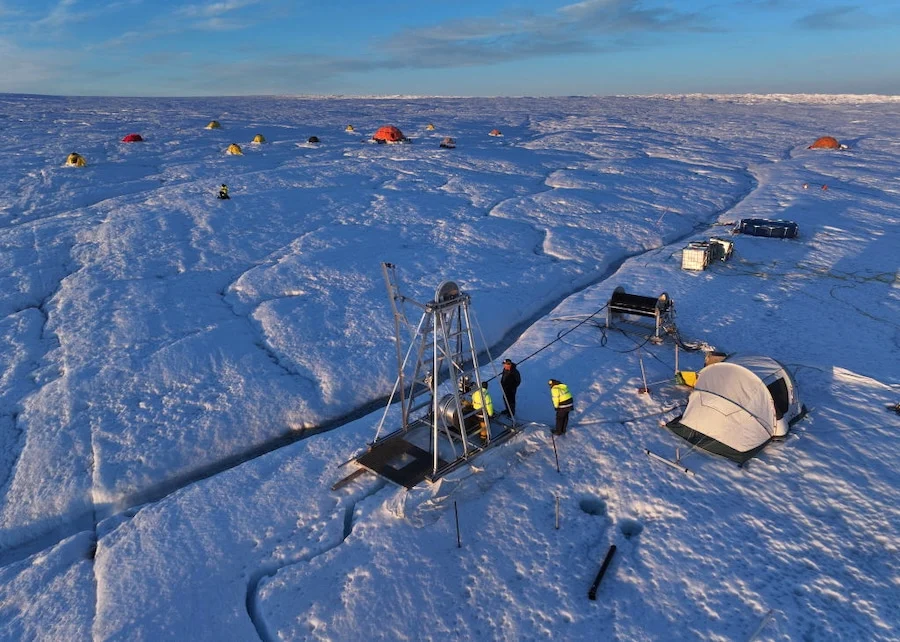
Methane is central to positive feedback loops—processes where global heating triggers further releases of the gas. The most prominent example is the thawing of Arctic permafrost. As temperatures rise, frozen soils containing ancient plant matter and microbes thaw, releasing massive quantities of methane that were sequestered for millennia. Once these tipping points are crossed, the process becomes self-sustaining and potentially irreversible, creating a vicious cycle of warming.

A Path Forward: Solutions and Systemic Change
To meet the Intergovernmental Panel on Climate Change (IPCC) target of limiting global warming to 1.5 degrees Celsius, methane emissions must drop by approximately 34% by 2030.
Technical and Policy Interventions
- Fossil Fuel Infrastructure: The IEA estimates that 70% of oil and gas methane emissions can be eliminated using existing technologies, such as leak detection and repair (LDAR) and the phasing out of gas-venting equipment.
- Agricultural Innovation: Implementing enteric methane inhibitors like seaweed supplements in cattle feed has shown potential to reduce methane from ruminants by over 50%. Additionally, "Alternative Wetting and Drying" in rice cultivation can significantly lower emissions from flooded paddies.
- Waste Management: Transitioning toward a circular economy, mandating the diversion of organic waste from landfills to composting, and upgrading wastewater treatment facilities to capture biogas are critical steps.
Individual Action
While systemic change is the primary requirement, individuals play a vital role in shifting demand:
- Dietary Shifts: Reducing meat and dairy consumption, or adopting plant-based alternatives, directly lowers the demand for livestock production, the single largest agricultural methane source.
- Energy Choices: Homeowners can replace gas stoves and furnaces with induction ranges and electric heat pumps, reducing domestic methane reliance.
- Civic Engagement: Perhaps the most impactful individual action is supporting organizations working to stop the global LNG buildout. By lobbying for municipal composting and holding policymakers accountable to the Global Methane Pledge, citizens can ensure that the "unprecedented" goals discussed at climate summits are translated into concrete, audited policy.
Conclusion
Methane is both a formidable threat and a strategic opportunity. Its high potency and short lifespan mean that we are not merely waiting for the long-term results of carbon sequestration; we are witnessing the immediate climate benefits of stopping methane leaks. By targeting the "super-emitters" in the fossil fuel industry, transforming our food systems, and eliminating waste-management inefficiencies, humanity has the technical capability to drastically alter the course of the climate crisis. The barrier is no longer technology—it is the political will to challenge the status quo.