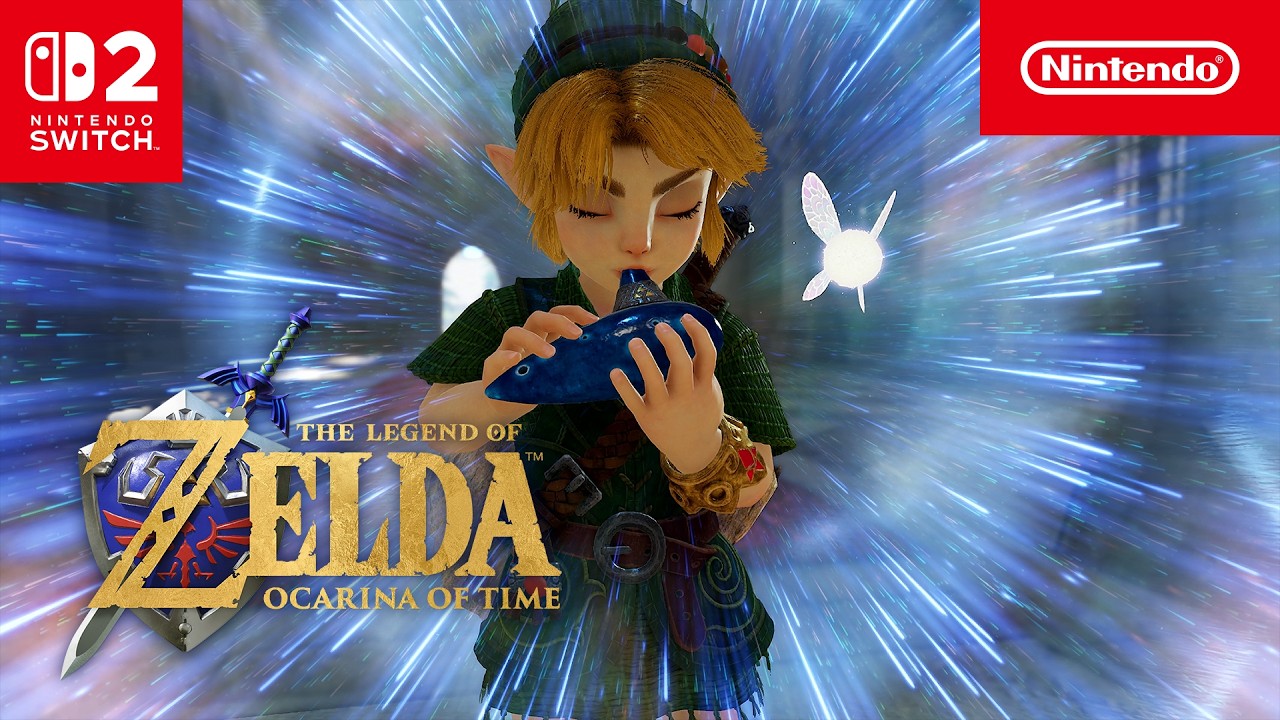
The announcement of The Legend of Zelda: Ocarina of Time for the Nintendo Switch 2 initially sent shockwaves through the gaming community. When early promotional materials suggested a hyper-realistic visual overhaul, long-time fans expressed deep concern, fearing that the ethereal, dreamlike quality of the 1998 classic would be lost to the cold, sterile pursuit of graphical fidelity. However, as hands-on previews and in-depth developer insights have surfaced, those fears have largely evaporated.
Nintendo’s latest project is far more than a mere graphical facelift. It is a comprehensive reconstruction that balances the reverence for a foundational pillar of gaming history with the technical possibilities of modern hardware. By blending nuanced aesthetic choices with a stubborn commitment to the original’s core gameplay loops, Nintendo is attempting to bridge the gap between two decades of game design.
The Evolution of Hyrule: A Chronology of Vision
The development of this remake represents a pivotal moment in Nintendo’s history. As the franchise approaches its 40th anniversary, the company has turned its gaze backward to its most critically acclaimed title. The journey began with a fundamental question: how do you update a game that many consider "perfect" without stripping away the very soul that made it iconic?
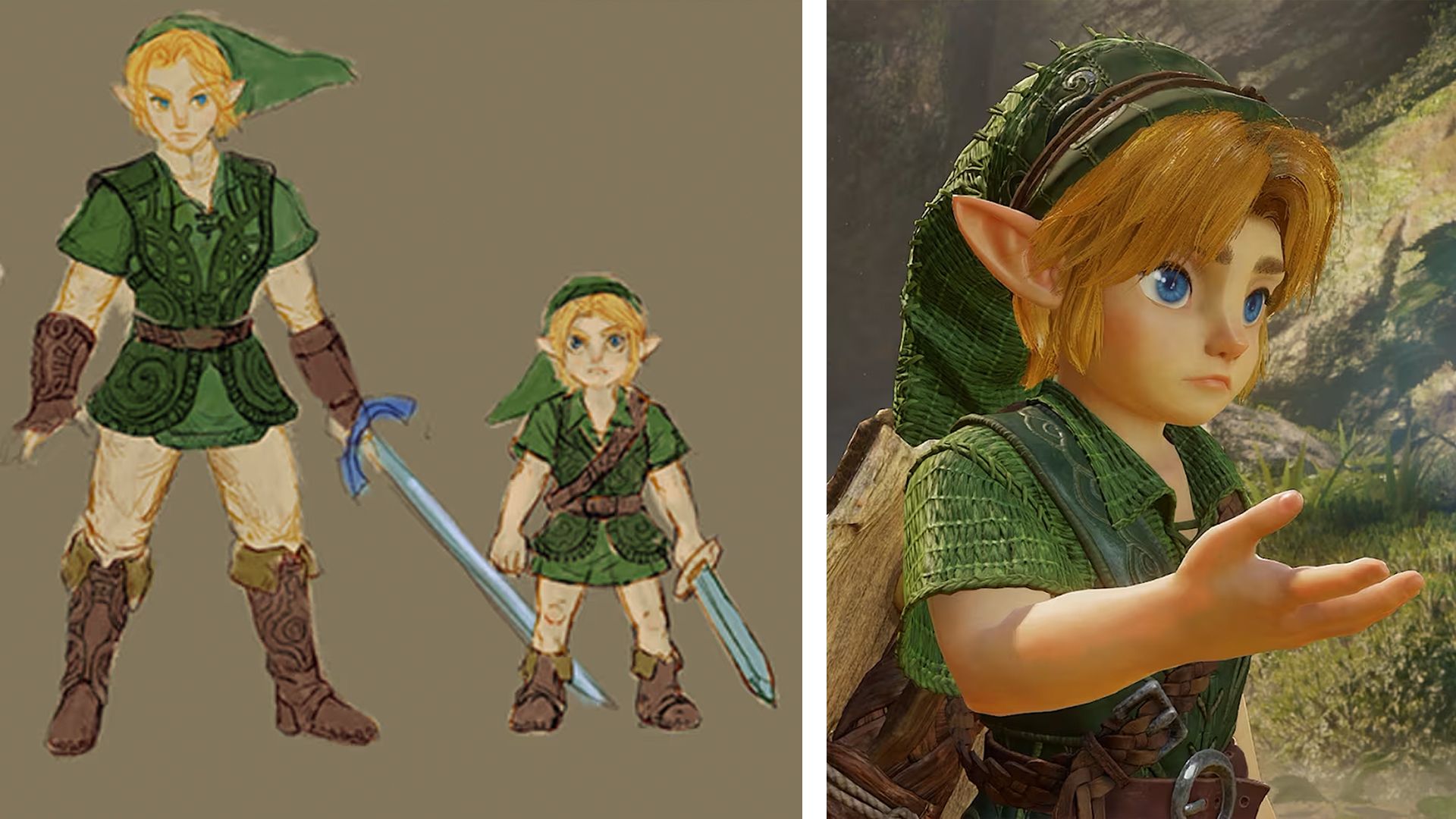
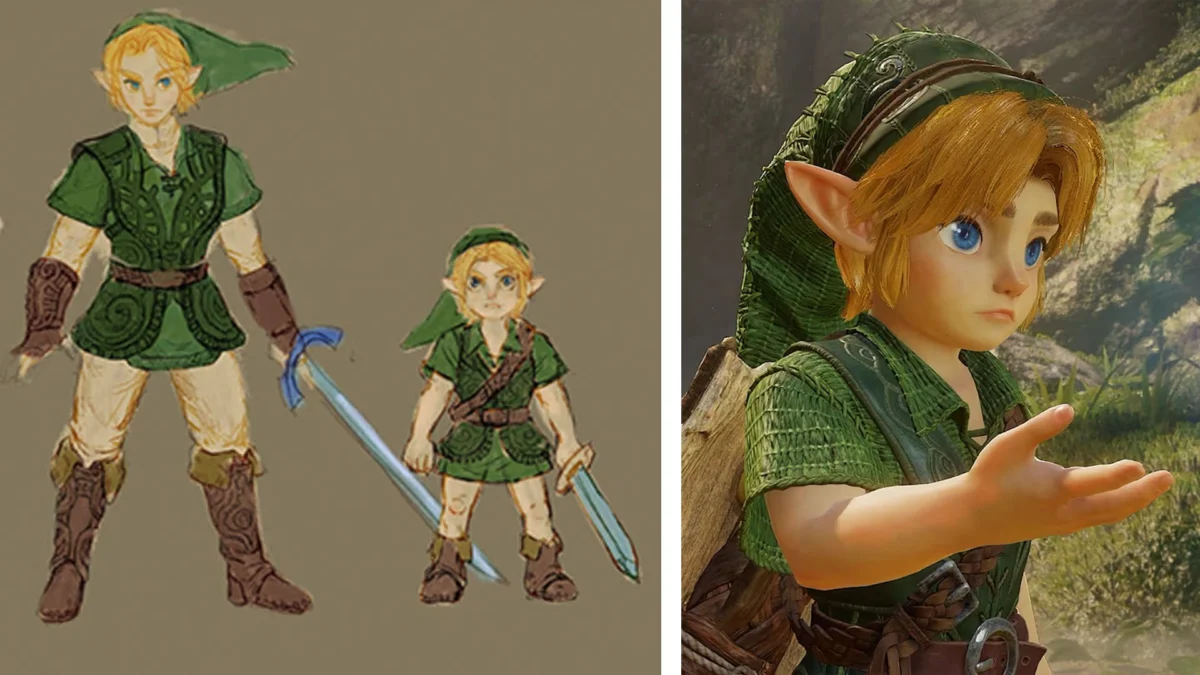
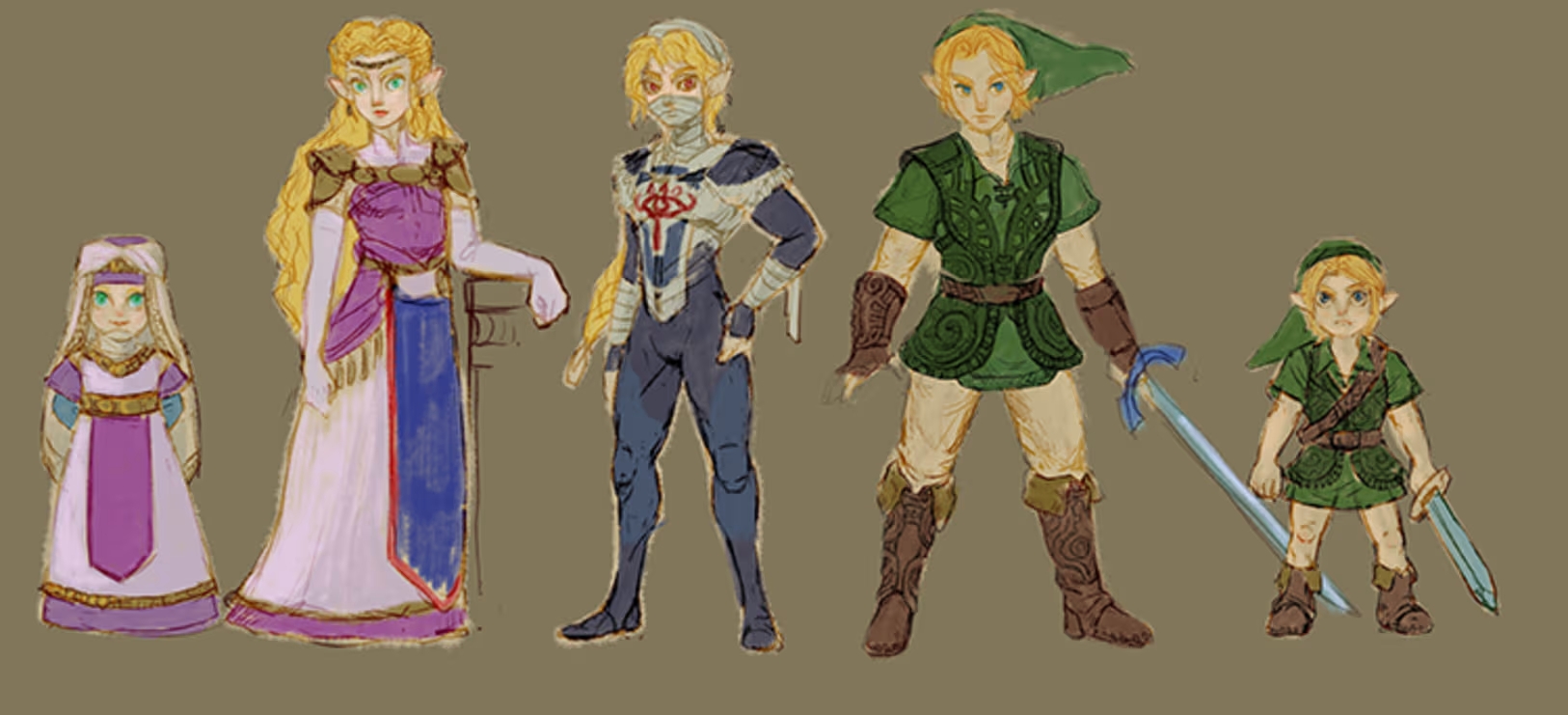
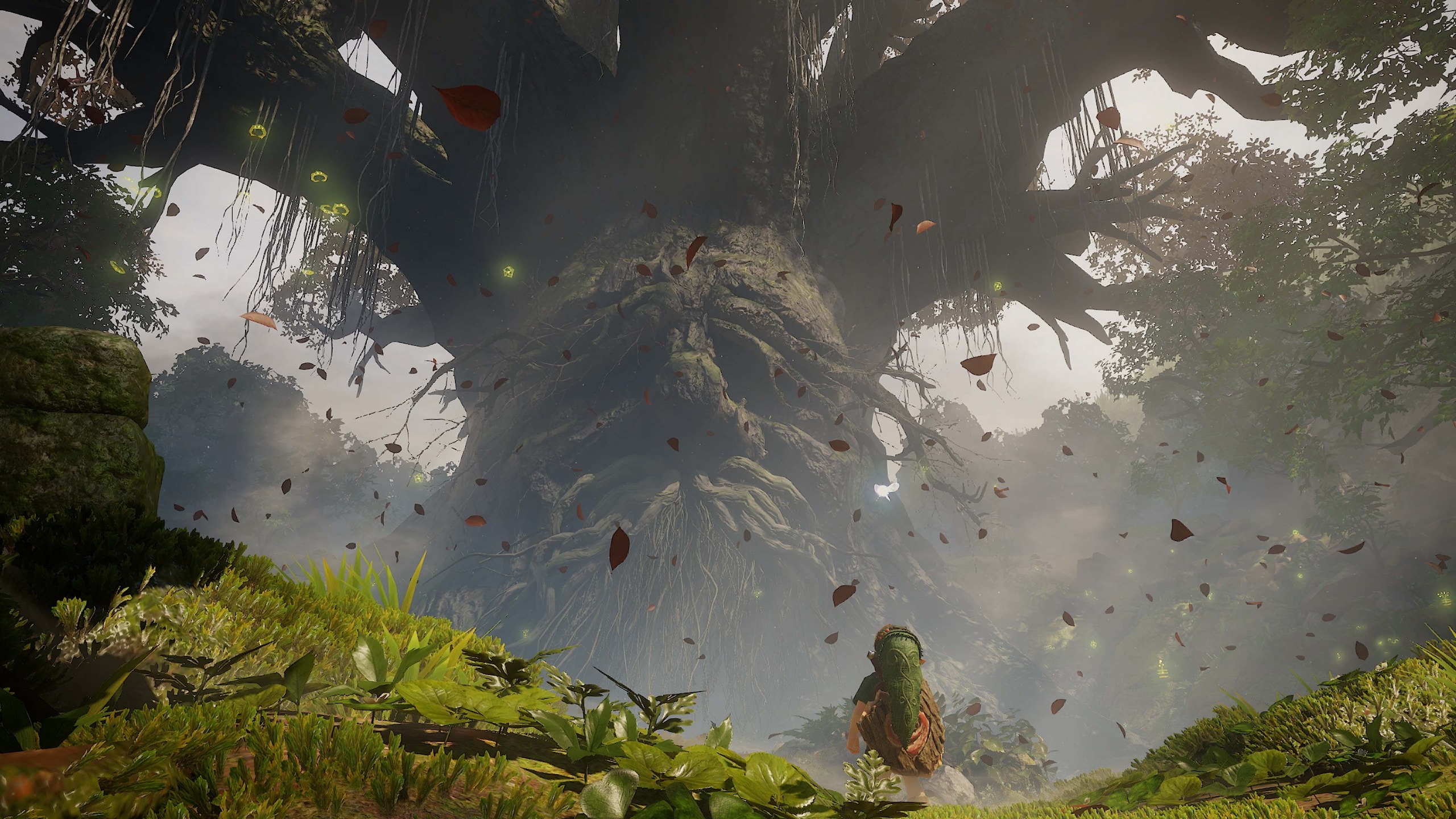
Initial development stages focused on feasibility studies and technical benchmarks. The team, drawing from the vast archives of the original 1998 production, first began by recreating the Great Deku Tree in high-definition 3D. This served as a "North Star" for the art department. Once the visual language was established, the team moved into character modeling, ensuring that the silhouette and iconic features of Link and Zelda remained recognizable even as the fidelity increased by orders of magnitude.
Throughout 2024 and 2025, the team engaged in iterative playtesting, stripping back experimental features—such as the aforementioned warp points—that threatened to disrupt the carefully calibrated "discovery" rhythm of the original game. Now, as the November 5, 2026, release date approaches, the industry is looking at a title that represents the culmination of nearly three years of meticulous, surgical refinement.
The "Puppet-Show" Aesthetic: Striking a New Visual Balance
Perhaps the most intriguing revelation from the recent "Ask the Developer" series is the artistic philosophy behind the new look. Art Director Aya Shida has been instrumental in steering the visual team away from the "realistic" trap. Instead, the team adopted the concept of a "puppet-show" feel—a nod to the tactile, analog nature of practical effects found in classic fantasy cinema.
Shida’s vision was not to replicate reality, but to create a "convincing sense" of place. "Neither puppet shows nor practical effects films reproduce reality exactly as it is," Shida noted. "Even so, both create a convincing sense that the characters truly exist within their respective fantasy worlds."
This philosophy extended to the most minute details. The development team didn’t just add high-resolution textures to Link’s tunic; they researched historical weaving techniques. They examined materials in museums and even experimented with creating their own fabric from thread to understand how clothing should move, fray, and weather in a harsh, fantasy environment. This level of attention ensures that while the game looks "next-gen," it retains a grounded, handmade quality that prevents it from feeling like a sterile tech demo. The goal was to ensure that even after 28 years, a player could look at a character from a distance and immediately recognize them, despite the modern polygonal density.
Structural Integrity: Why Some Changes Were Ruled Out
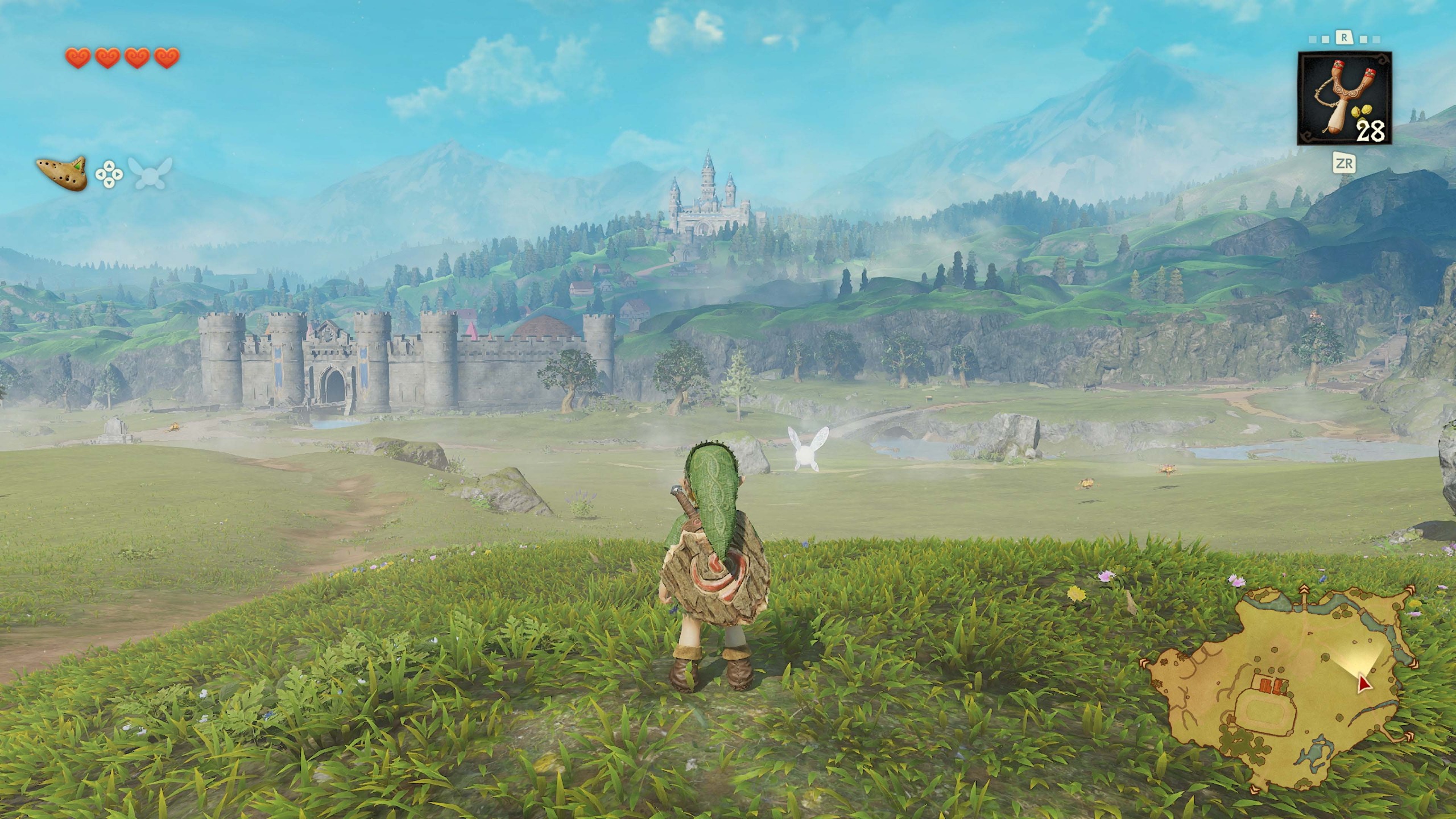
A remake of this magnitude naturally invites questions about "quality of life" improvements. In an era where open-world games like Breath of the Wild prioritize freedom and rapid traversal, the original Ocarina of Time can feel restrictive. Eiji Aonuma, the series producer, famously admitted to wanting to implement warp points across Hyrule Field to alleviate the perceived tedium of travel.
In the original, players famously traversed the map by "spamming" the forward roll, a movement quirk that became a signature of the game’s speedrunning culture. Aonuma initially viewed this as a deficiency to be corrected. However, the development team discovered something profound during playtesting: the act of traversing the field was not a chore—it was the game’s heartbeat.
"Through this development process, we were reminded once again just how important those moments [of discovery] are to the very structure of the game," Aonuma explained. The "tedium" of the journey was actually a crucial pacing tool, forcing players to engage with the environment, spot secrets, and absorb the atmosphere. By removing the warp points, the developers chose to honor the original pacing, proving that some "flaws" are actually essential components of a game’s design language.
However, not all modern conveniences were rejected. The introduction of a dedicated jump button—a departure from the automatic "ledge-hop" mechanic of the 90s—marks a significant shift in combat and traversal. This adjustment, while requiring a learning curve for veterans, provides a level of agency that modern players expect, particularly during the more intense, "fiddly" combat encounters that defined the N64 era.
Official Perspectives: The Philosophy of the Remake
The rationale for this project goes beyond simple profit or nostalgia. Aonuma’s comments suggest that this remake serves a pedagogical purpose within Nintendo’s internal culture. As the company looks toward the next 40 years of the franchise, there is a recognized need for the current generation of developers to deeply internalize the "DNA" of the original Ocarina of Time.
"By learning the game structure and development style behind the original, and by actually rebuilding it as a full remake, it may trigger new insights that they can carry forward into future development," Aonuma stated. This suggests that the Ocarina of Time remake is as much a training ground for Nintendo’s future talent as it is a product for consumers. It is an exercise in structural archaeology—digging through the code of the past to understand why the series became a global phenomenon in the first place.
The Implications for Future Zelda Titles
The release of this title on the Nintendo Switch 2 on November 5, 2026, will likely set a new benchmark for how legacy content is treated. If the game succeeds, it confirms a specific roadmap for Nintendo: a commitment to "reimagining" rather than "remastering."
The success or failure of this project will also hinge on whether the audience accepts the "puppet-show" aesthetic. In a market saturated with photorealistic graphics, Nintendo’s choice to prioritize artistic cohesion and "tactile" visuals is a bold stance. It reaffirms the company’s position that the Zelda series is not a tech showcase, but a storytelling medium.
Furthermore, the decision to retain the original’s exploration structure, despite the availability of modern travel mechanics, suggests a growing trend in game design: a pushback against the "convenience culture" of modern gaming. By forcing players to engage with the world on the developer’s terms, Nintendo is betting that the joy of discovery is more valuable than the convenience of skipping the journey.
Conclusion: A Legacy Reborn
The Ocarina of Time remake is a rare beast in the current landscape of video games. It is a title that balances the weight of history with the hunger for modern innovation. By obsessing over the texture of a tunic, the weight of a jump, and the necessity of a long walk across a field, the developers have demonstrated a profound respect for the source material.
As November 2026 approaches, the anticipation is no longer about whether the game will look "realistic." Instead, the conversation has shifted to whether it will feel "authentic." If the insights provided by Aonuma and Shida are any indication, the game is set to be a masterclass in modernizing a classic without sacrificing the very essence that made it a legend. For the Zelda franchise, this is not just a return to the past; it is a vital preparation for the future.