WASHINGTON — As families and educators gear up for the upcoming academic transitions, the perennial challenge of managing syllabi, tracking shifting assignment deadlines, and maintaining rigorous study habits has taken center stage. In response to mounting demand from parents, teachers, and students alike, educational organization platforms have rolled out their newly updated, comprehensive digital toolkit: the completely refreshed Student Binder Printables for the 2026–2027 academic cycle.
Designed to mitigate the cognitive overload associated with the first weeks of school, the newly expanded collection aims to transition students from a state of academic reactive scrambling to proactive time management. Featuring over a dozen distinct layouts, the system bridges the gap between chaotic schedules and disciplined execution, catering to learners ranging from middle school novices to collegiate scholars.
Main Facts: What the 2026–2027 Student Binder Entails
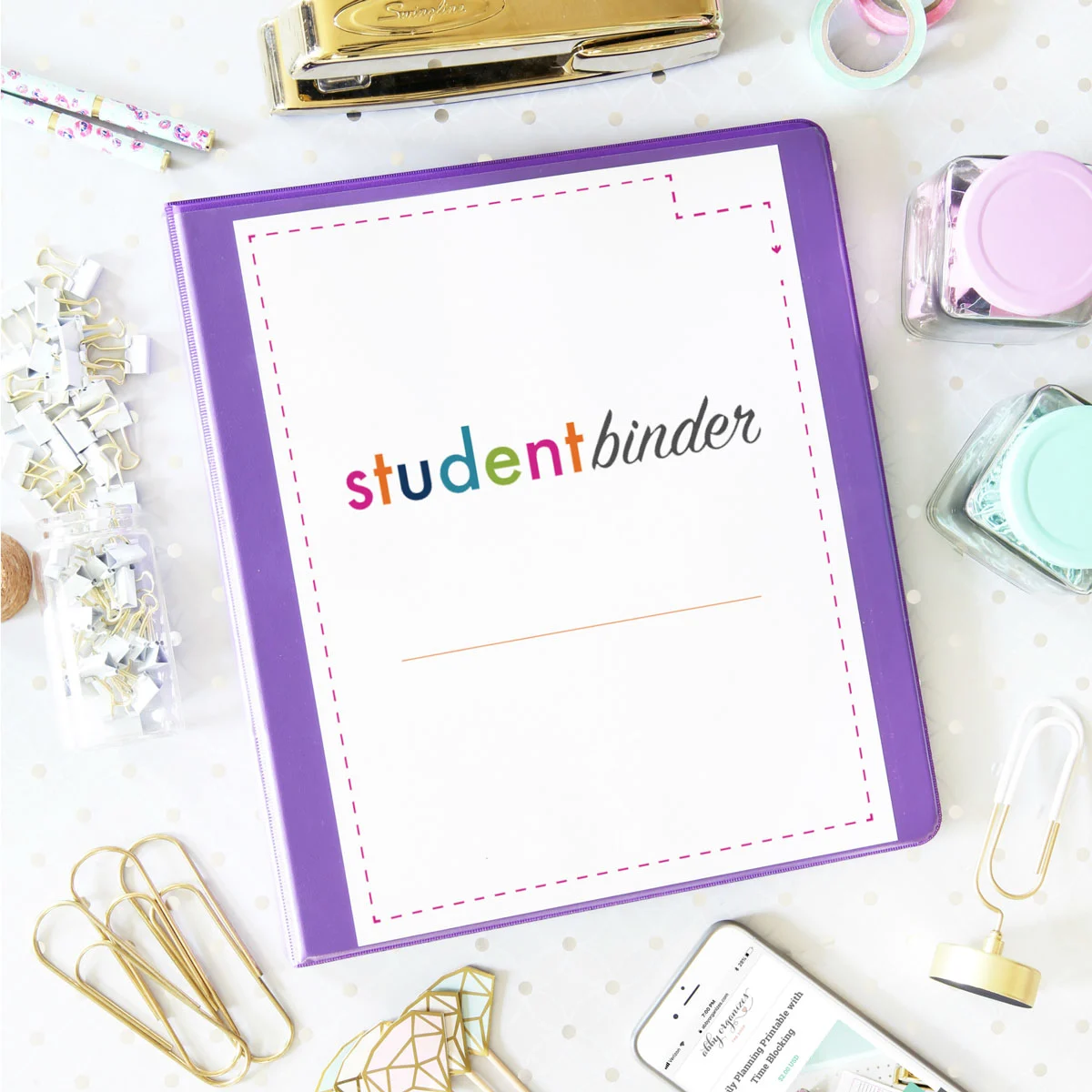
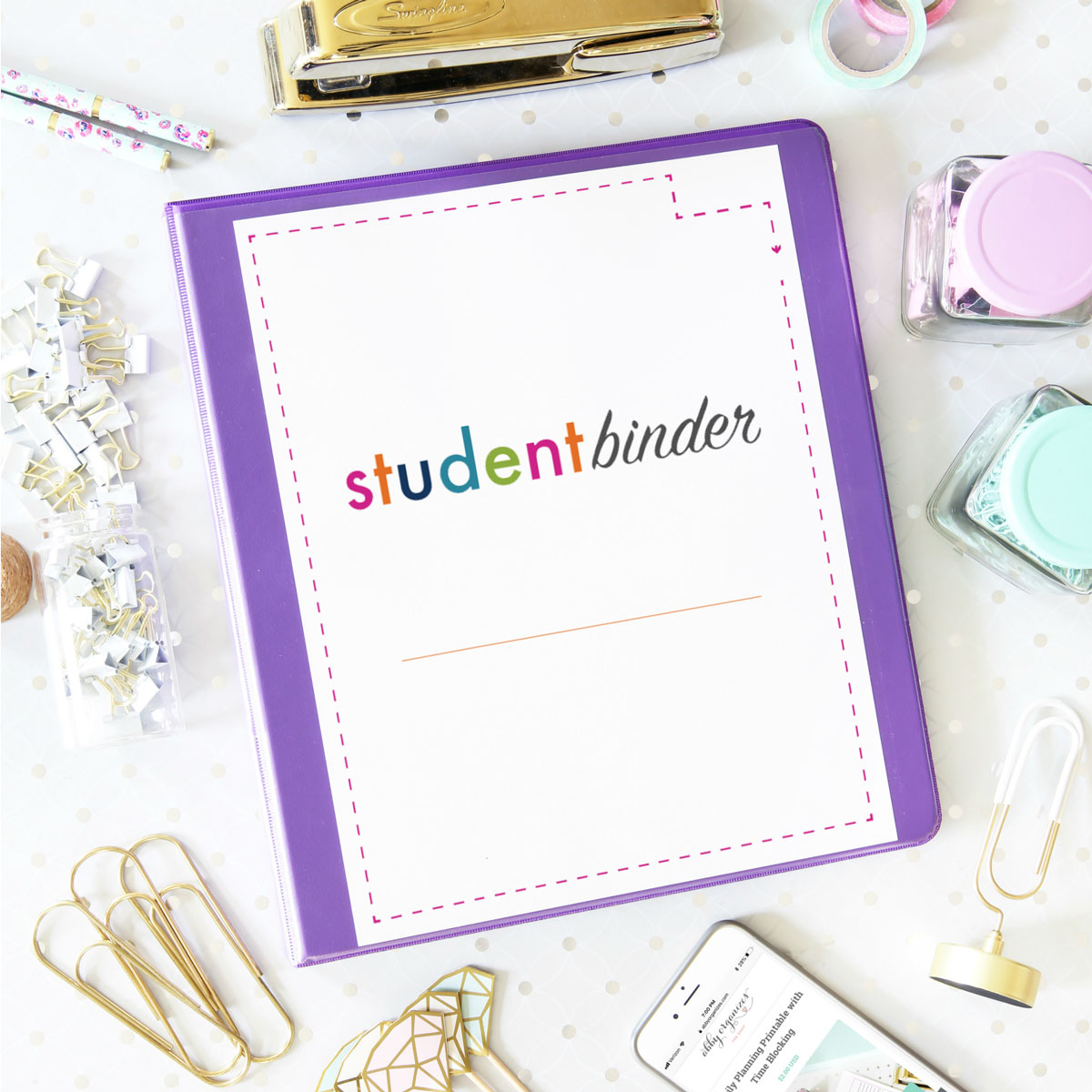
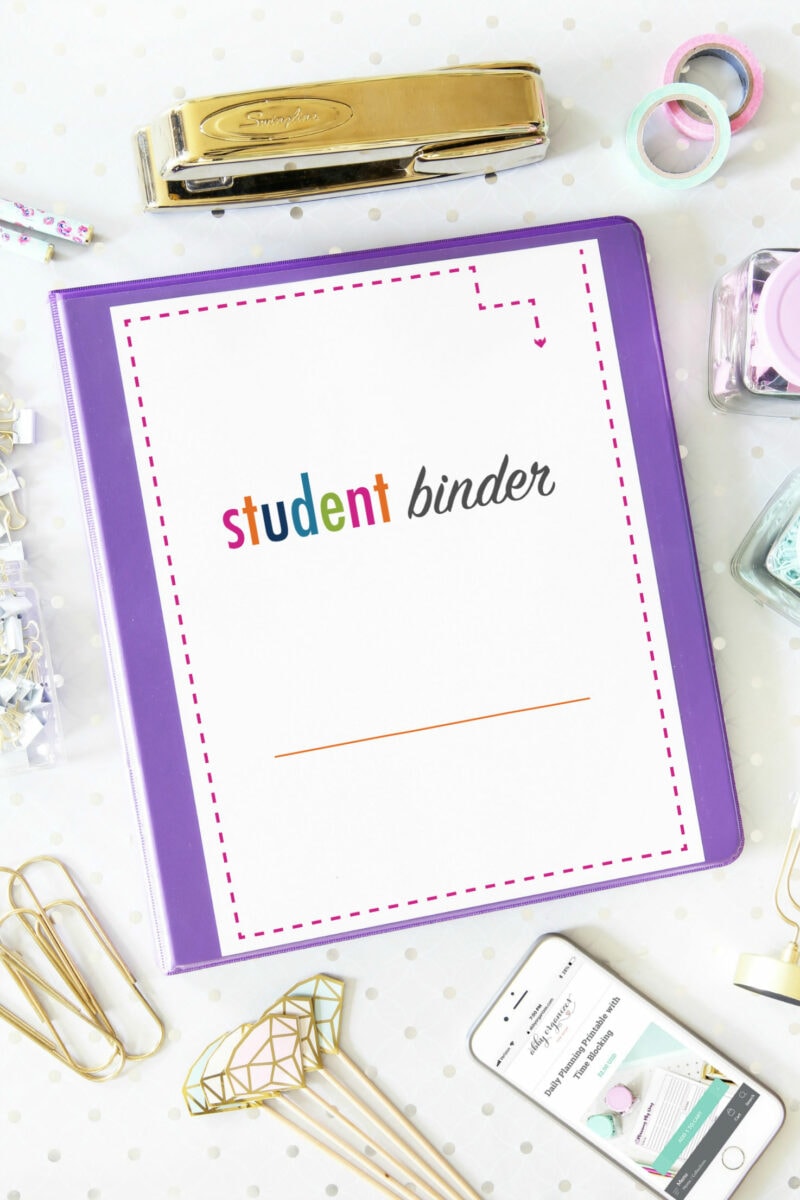
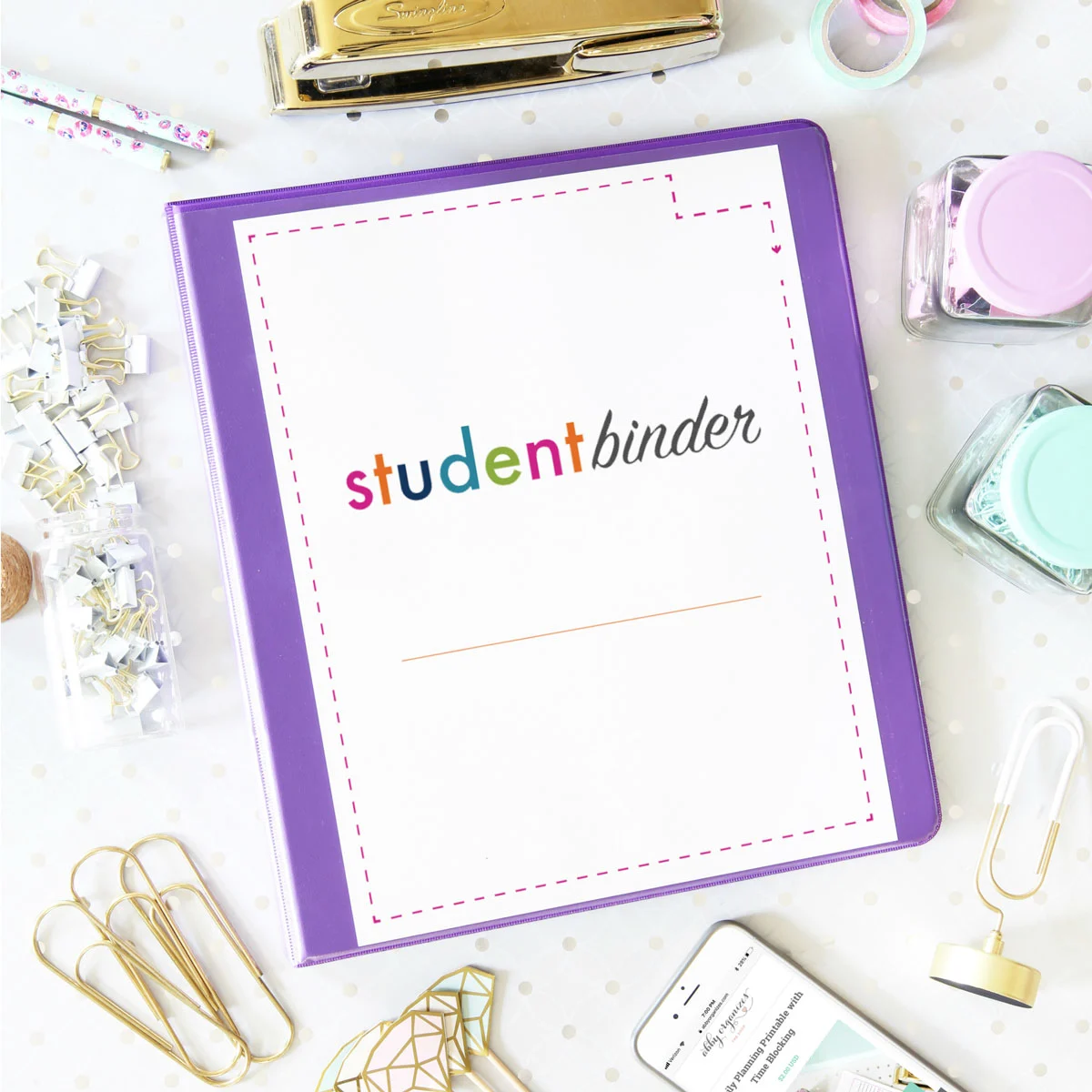
The newly released student binder framework is an extensive, multi-section digital download engineered to centralize all vital school-related data. Rather than relying on scattered notebooks or confusing digital apps that easily slip from a student’s attention, this physical-digital hybrid system emphasizes tactile planning.
Dual Aesthetic Options: Addressing historic feedback from parents—particularly those seeking versatile choices for children who prefer alternatives to traditional pastel palettes—the kit is available in two distinct color schemes: a vibrant, warm scheme and a clean, cool blue alternative.
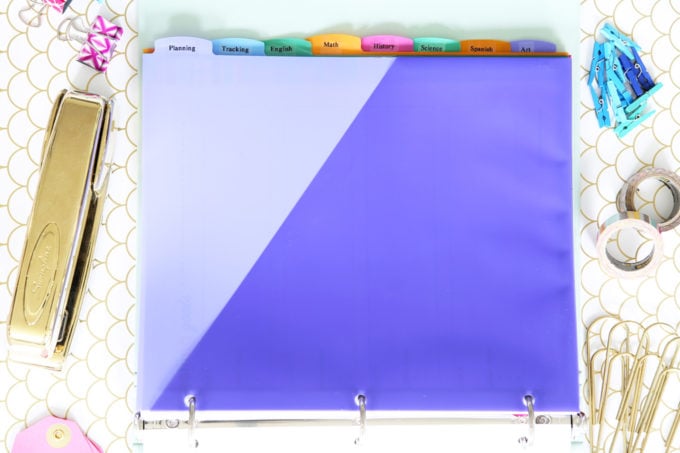
Comprehensive Architecture: The binder is broken down into three core operational sectors: Planning, Tracking, and Subject-Specific management.
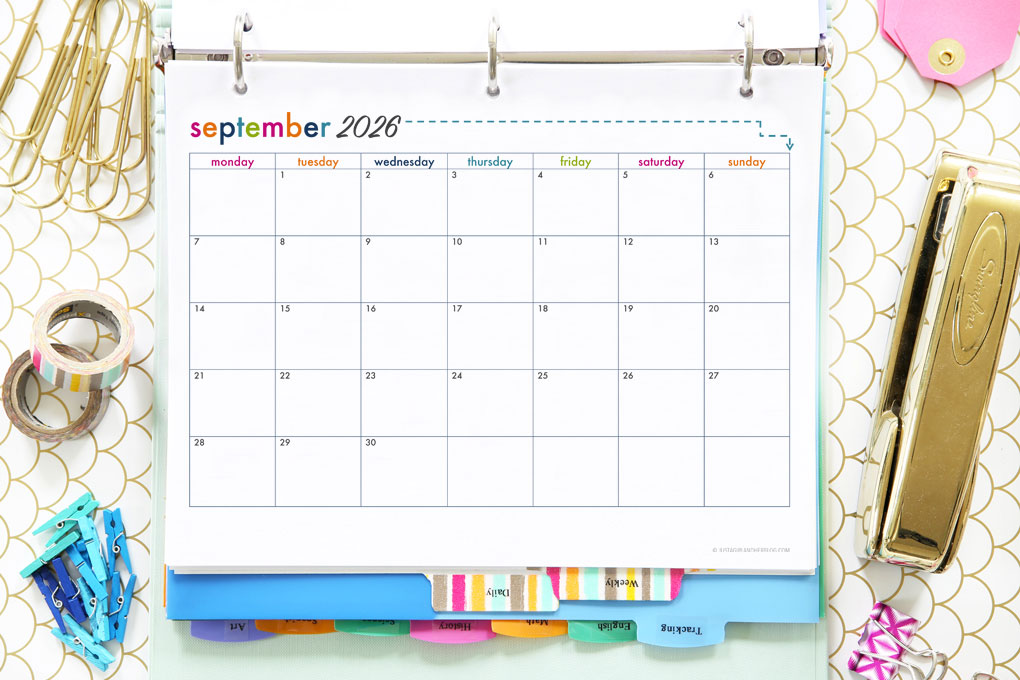
Extended Longevity: Unlike standard academic calendars that expire prematurely, the newly dated monthly calendar pages span from July 2026 through December 2027, offering a full year-and-a-half of forward-looking organization. Undated options are also included for infinite reusability.
Accessibility: The complete suite is integrated into popular online printable libraries, allowing users to instantly access and print pages on demand using standard office supplies like card stock and three-ring binders.
Chronology of the Release and Development
The journey toward the 2026–2027 iteration of the student binder reflects a continuous loop of consumer feedback, iterative design, and strategic timing ahead of the peak back-to-school shopping window.
Early Spring 2026: Development began following a surge of inquiries on education and lifestyle blogs, with community members asking when the next generation of student organizational tools would debut.
Late Spring to Early Summer 2026: Designers and former educators collaborated to refine existing templates, particularly focusing on time-blocking layouts and expanded grade-tracking columns. The calendar metrics were updated to officially encompass the 2026–2027 academic timeline.
Mid-Summer 2026: Final quality assurance checks were completed for printing formats, ensuring compatibility with standard home desktop printers and various paper weights, including durable card stock for binder covers and dividers.
August 2026 (Official Launch): The updated system officially went live, accompanied by comprehensive visual guides, tutorials on time-blocking, and dedicated support sections addressing frequently asked organizational questions.
Supporting Data: The Anatomy of Academic Organization
To understand the utility of the new binder printables, one must examine the specific modules included in the layout. Educational researchers have long noted that externalizing working memory—writing down assignments, goals, and routines on physical paper—significantly reduces anxiety and improves academic retention.
1. The Planning Sector
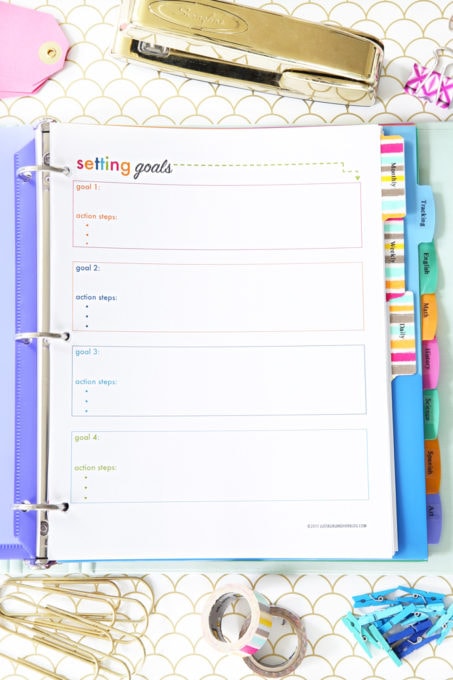
Goal-Setting Sheets: Encourages macro-level academic visioning. Students articulate milestones for the upcoming year and break them down into actionable micro-steps.
Class Schedule Matrix: A centralized grid tracking course titles, meeting times, classroom locations, and instructor contact details.
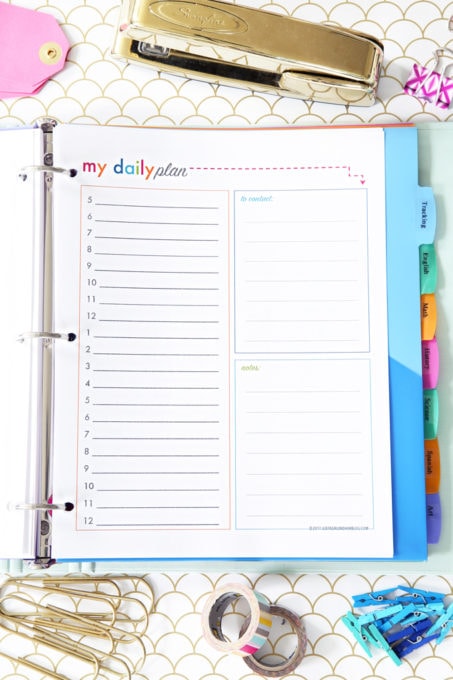
Monthly & Weekly Spreads: Includes the July 2026–December 2027 dated calendars alongside flexible, undated layouts. The two-page weekly planner divides each day by the hour, supporting advanced productivity frameworks such as time-blocking.
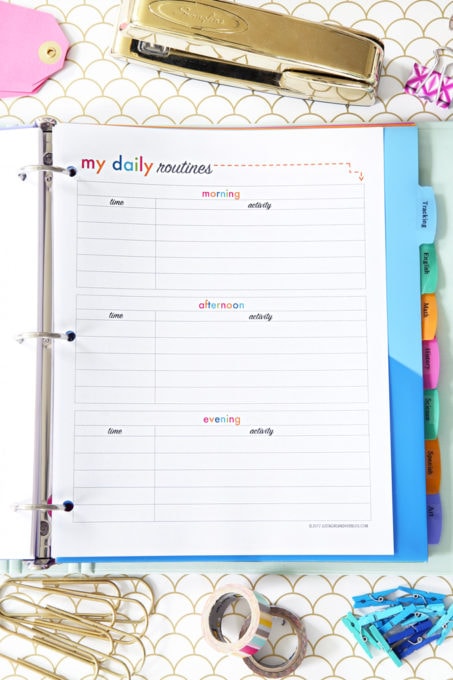
Daily Routines Checklist: Promotes sustainable habits by categorizing daily tasks into morning preparations (packing backpacks, lunches), afternoon duties (homework, chores), and evening wind-down procedures (selecting outfits, reviewing tomorrow’s schedule).
2. The Tracking Sector
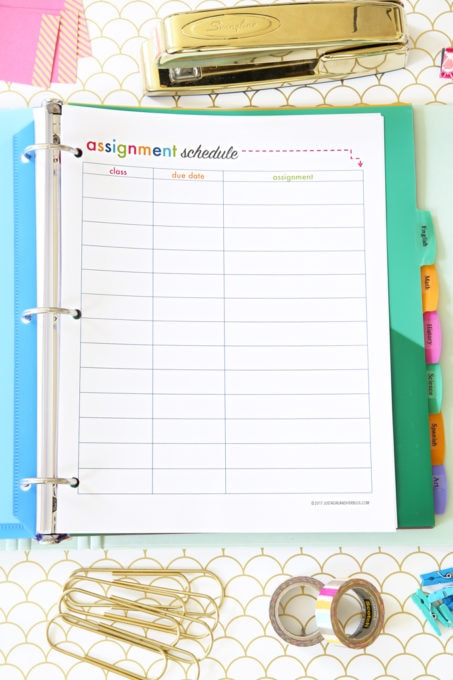
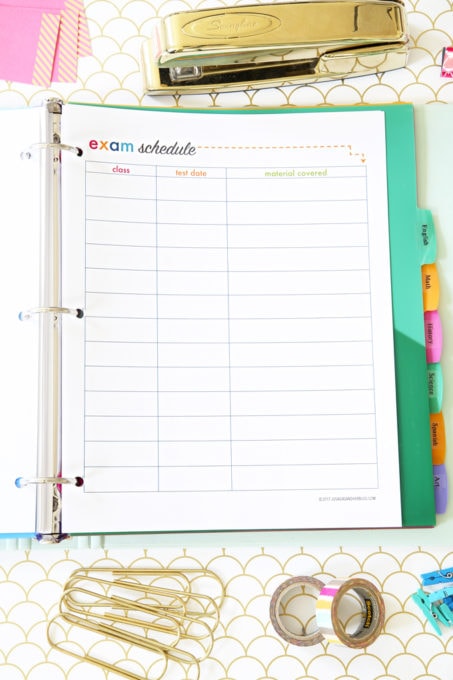
Assignment & Exam Schedules: Designed to counteract the "syllabus shock" typical of the first week of classes. These dedicated logs aggregate due dates across all subjects to prevent overlapping deadlines from catching students off guard.
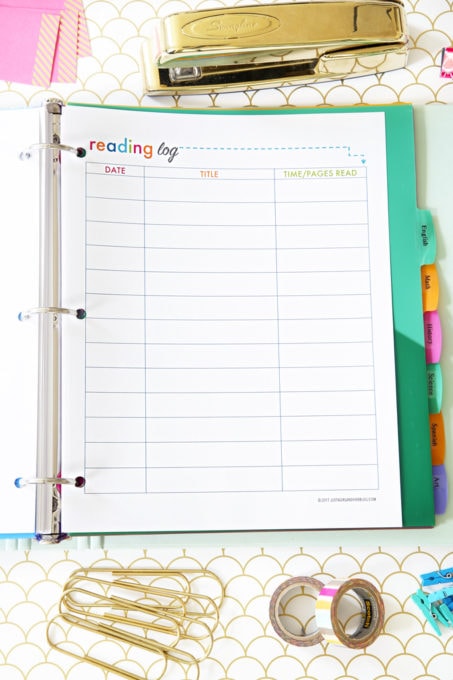
Reading Log: Developed in collaboration with former literacy instructors, this page tracks pages and minutes read, reinforcing foundational reading habits across all grade levels.
3. Subject-Specific Modules
Each academic subject gets its own dedicated tab—complete with pockets and color-coded dividers—housing three essential tools:
Grade Tracker: Features dedicated columns for individual assignment scores alongside a running cumulative total column on the far right, eliminating end-of-quarter grade surprises.
Standardized Notes Pages: Clean, structured line-ruled sheets designed for consistent note-taking, brainstorming, or list-making during lectures.
Project Planner: A specialized breakout sheet designed to manage complex, multi-step school projects by itemizing research phases, rough drafts, visual aids, and final presentation deadlines.
Official Responses and Creator Insights
The creator behind the popular printable system shared insights into why these traditional organizational formats remain vital in an increasingly digital world.
"Over the past few months, the most common question I received was simple: ‘When are you going to update the student binder?’" noted the lead designer and former educator in a statement accompanying the launch. "We know that everyone won’t need every single printable in this kit, but providing a robust menu of options allows students, parents, and even working professionals to curate a system that uniquely matches their cognitive style."
Addressing the addition of the alternative color palette, the creator added:
"As a boy mom, I completely understood the requests for palettes that lean away from traditional pinks. By offering a sophisticated blue color scheme alongside our classic options, we ensure that every student feels a sense of ownership over their academic workspace right from day one."
Educators and parent-teacher associations have similarly praised the initiative, emphasizing that low-tech organizational aids bridge the equity gap for students who may not have immediate access to high-end digital tablet planners or expensive commercial agendas.
Implications for the Upcoming Academic Year
The launch of the 2026–2027 Student Binder Printables arrives at a critical juncture for student mental health and academic performance. As schools nationwide grapple with post-pandemic learning recovery, executive functioning skills—such as planning, prioritizing, and self-monitoring—have been identified as key indicators of student resilience.
Mitigating Academic Anxiety
The transition between educational tiers (such as moving from elementary to middle school, or middle school to high school) routinely spikes student anxiety. By breaking down the academic year into manageable daily routines, predictable grade-tracking metrics, and transparent project milestones, tools like these shift the locus of control back to the learner.
Long-Term Habit Formation
Beyond immediate grade improvements, the methodologies embedded in the binder—such as hourly time-blocking and regular goal evaluation—translate directly into professional project management and workplace productivity skills later in life.
Accessibility and Cost-Efficiency
In an economic climate where commercial planners can cost upwards of thirty to forty dollars, providing a modular, print-at-home framework free of charge democratizes access to high-level organizational infrastructure. Families can print exact quantities of what they need, replacing damaged or lost sheets instantly without repurchasing an entire book.
As the 2026–2027 school year officially gets underway, the availability of these refreshed printables offers a practical, aesthetically pleasing roadmap for students aiming to reclaim control over their time, minimize stress, and lay the groundwork for long-term academic achievement.