By Global Family Finance Correspondent
In an era where personal finance rarely makes the cut in standard K-12 public school curricula, parents are increasingly tasked with bridging a glaring educational divide. While children spend thousands of hours mastering algebra, history, and biology, graduating high school without knowing how to balance a checking account or manage credit card debt remains a widespread reality.

To combat this systemic gap, a growing number of households are turning routine family trips into immersive economic workshops. By shifting the responsibility of travel accounting from adults to children, parents are discovering that financial literacy doesn’t have to be taught through dry lectures or punitive restrictions. Instead, family vacations are becoming the ultimate real-world training ground for lifelong fiscal responsibility.
Main Facts: The Blueprint of Vacation-Based Financial Education
The core philosophy behind this trend is simple: transform abstract financial concepts into tangible, interactive experiences. Rather than sheltering children from the costs associated with travel, proactive parents are pulling back the curtain on how travel is funded, budgeted, and executed.

The strategy relies on a multi-step framework implemented long before the suitcases are packed:
- Sinking Funds and Debt-Free Travel: Families utilize dedicated savings accounts—often referred to as sinking funds—putting aside small amounts weekly throughout the year. This ensures that trips are fully paid for in advance, preventing the post-vacation hangover of credit card debt.
- Transparent Category Allocation: Before departure, parents establish clear spending categories (such as lodging, transportation, food, excursions, and souvenirs) and assign strict financial limits to each.
- Delegated Tracking: Once on the road, the daily responsibility of recording every single transaction is handed over directly to the children.
- Cloud-Based Accountability: Utilizing collaborative digital tools like Google Sheets via mobile devices, kids actively input expenses, letting automated formulas calculate remaining balances in real-time.
Chronology: From Piggy Banks to Cloud Spreadsheets
To understand how modern family finance education has evolved, one must look at how the approach develops across a child’s upbringing.

- Early Childhood: Financial education traditionally begins with physical piggy banks, allowance charts, and cash-based reward systems for chores. Children learn the basic mechanics of earning and saving physical currency.
- Pre-Teen Years: As children grow, physical cash gives way to digital awareness. Parents introduce foundational budgeting concepts, showing kids how household expenses function on a macro level.
- Pre-Trip Planning Phase (Months Before Departure): Months prior to a summer vacation, families calculate the anticipated cost of travel. Parents introduce the concept of sinking funds, demonstrating how disciplined, incremental saving eliminates the need for emergency borrowing.
- On-the-Road Execution (The Vacation Itself): Throughout the trip, the chronological rhythm of spending changes. Every time a purchase is made—whether it is a tank of gas, a museum ticket, or an ice cream cone—the children log the transaction. They actively monitor the dwindling "left-to-spend" numbers, turning fiscal constraint into an ongoing family dialogue.
- Post-Trip Reflection: Upon returning home, families review the spreadsheet data together, analyzing where they stayed under budget, where they overspent, and what adjustments might be necessary for future endeavors.
Supporting Data: The Digital Shift in Household Economics
The integration of technology into family budgeting has revolutionized how children interact with money. According to recent financial literacy studies, children who engage in active, digital budget tracking demonstrate a significantly higher retention rate of economic principles compared to those who rely solely on passive observation.
- Accessibility: Modern cloud-based spreadsheets allow instantaneous updates across smartphones, tablets, and laptops, making financial tracking as second-nature to digital-native youth as checking social media.
- Behavioral Shifts: Studies show that when children are given a stake in tracking collective funds, their impulse-buying behavior drops drastically. By visualizing the impact of a purchase on a shared digital dashboard, kids naturally begin to self-regulate. For instance, children frequently calculate allowable daily spending limits—such as, "We can spend $45 a day for the rest of the trip and stay under budget"—showcasing advanced predictive reasoning.
- The Memorability Factor: Anecdotal evidence from families utilizing this method highlights how playful accountability sticks with kids. Whether it’s playfully holding parents accountable for an overpriced $6 gas station snack or debating the trade-off between an expensive theme park excursion and a modest souvenir, the lessons learned outlast the vacation photos.
Official Responses and Expert Insights: Reframing Financial Mindsets
Financial advisors, child psychologists, and parenting experts universally praise experiential learning models like vacation budgeting for their ability to reshape a child’s emotional relationship with money.

"We’re framing budgeting not as a tedious chore or a punishment meted out when money is tight, but as a positive, empowering action they can take to improve their financial picture at any income level," notes one leading family finance advocate.
Experts emphasize that money management is frequently shrouded in adult anxiety. When children are shielded entirely from the realities of household budgeting, they often grow up associating financial tracking with stress and scarcity. By introducing budgeting in a positive context—like a vacation—parents demystify the process.
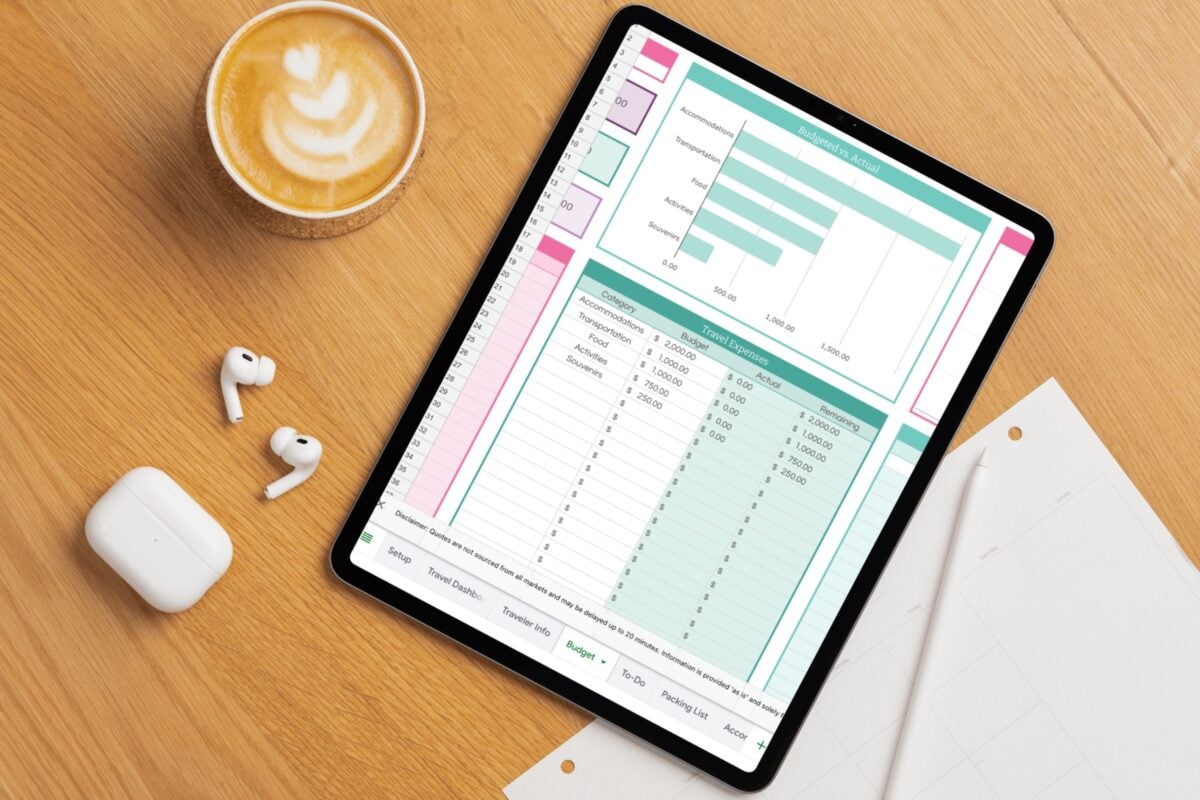
Furthermore, financial planners point out that teaching kids how to say "no" to smaller, immediate desires in order to fund larger, long-term goals is the cornerstone of wealth-building. Vacation budgeting provides a low-stakes simulator for this critical life skill. If a child overspends in the souvenir category, families can model how to reallocate funds from another bucket, teaching adaptability and problem-solving without catastrophic real-world consequences.
Implications: Preparing the Next Generation for Economic Independence
The long-term implications of embedding financial literacy into everyday family life extend far beyond a well-managed summer trip.

Mastering Budgeting Basics
By introducing tracking and allocation early, parents instill habits that persist into adulthood. Regardless of whether these children grow up to earn modest salaries or high-income brackets, the foundational confidence to steward money wisely remains intact. They understand that a budget is not a restriction on their freedom, but rather a roadmap that allows them to afford the things that truly matter.
Fostering Critical Decision-Making
Life—much like a vacation—requires making hard choices. Resources are finite, and individuals cannot have everything they want instantly. By involving children in the trade-offs of travel planning, parents cultivate critical thinking skills. Kids learn to evaluate opportunity costs: Is this souvenir worth sacrificing tomorrow’s planned excursion? These micro-decisions lay the neurological pathways required for making major adult financial choices, such as purchasing a home, managing student loans, or planning for retirement.

Bridging the Educational Gap
As educational systems continue to lag in providing comprehensive personal finance training, the burden falls heavily on the home. Simple, repeatable strategies like delegating vacation tracking prove that parents do not need advanced degrees in economics to raise financially savvy children. They simply need intentionality, the right digital tools, and the willingness to let their kids take the wheel.
Conclusion: Starting Your Own Family Financial Journey
Ultimately, teaching kids about money on vacation proves that financial education can be both practical and deeply enjoyable. By turning a spreadsheet into a family game and everyday purchases into educational touchpoints, parents are equipping the next generation with the tools they need to thrive.

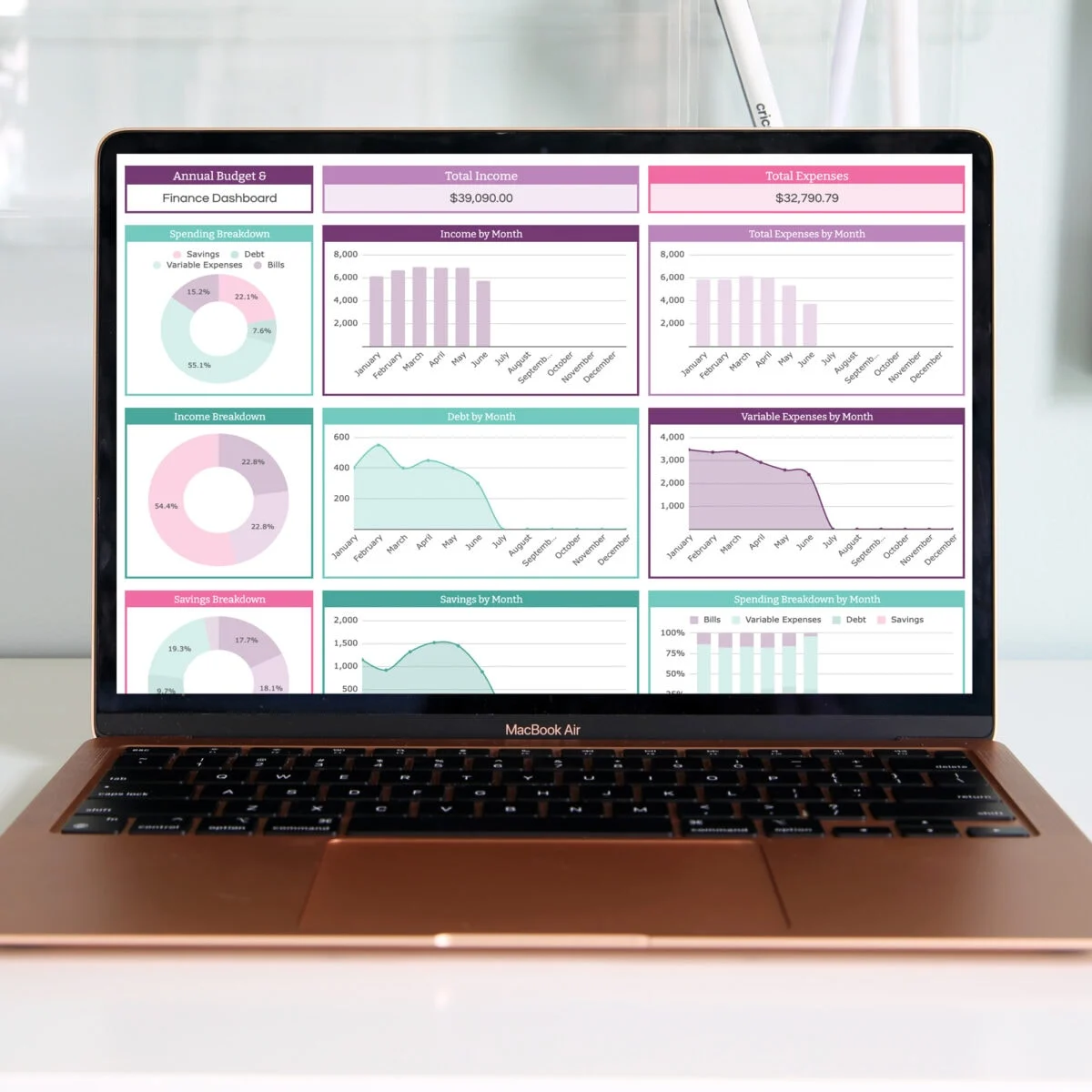
For families looking to replicate this strategy, accessible resources such as specialized Travel and Vacation Planning Spreadsheets or basic Monthly Budget templates offer a seamless entry point. By closing the financial knowledge gap at home, parents can send their children out into the world prepared not just to survive, but to achieve true financial independence.