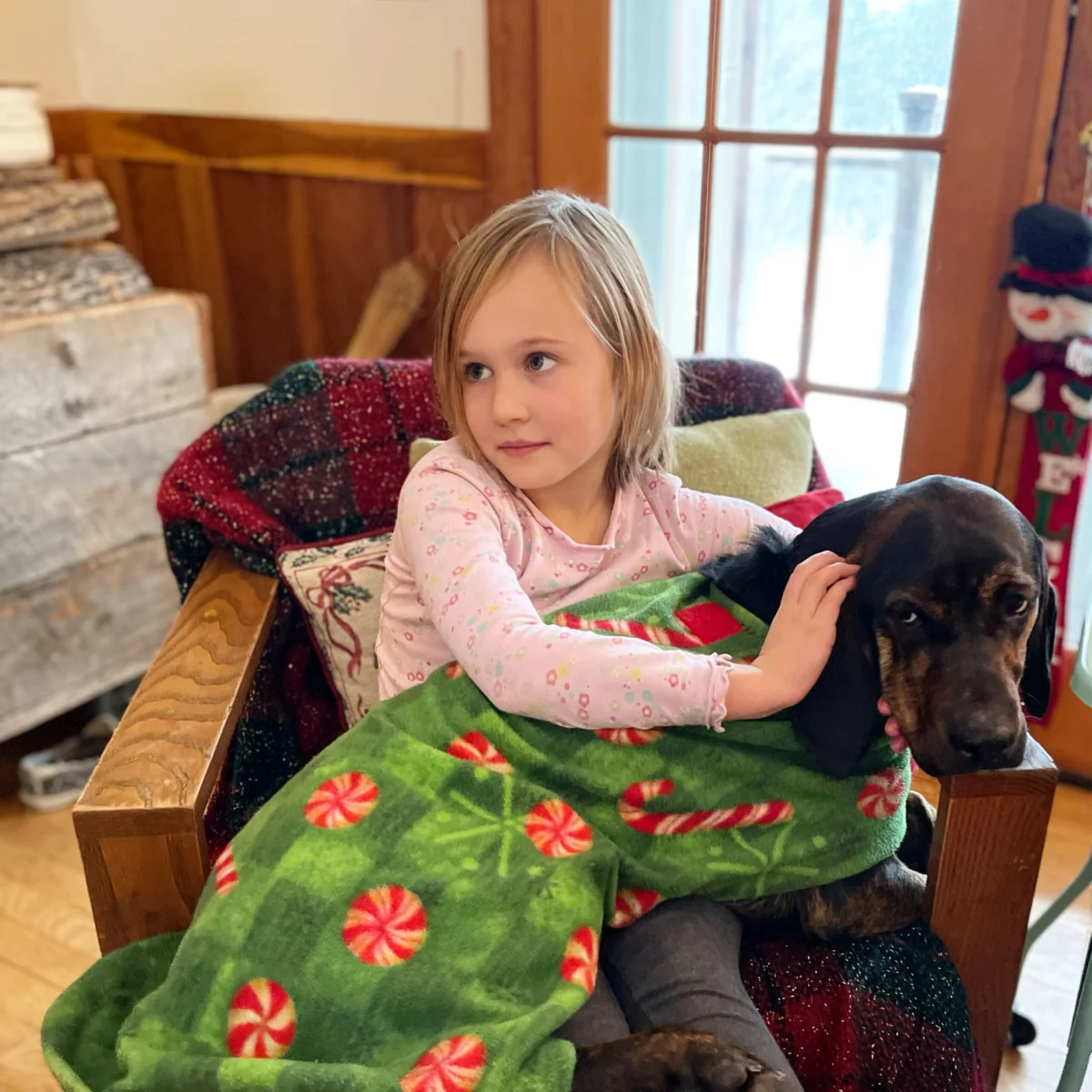
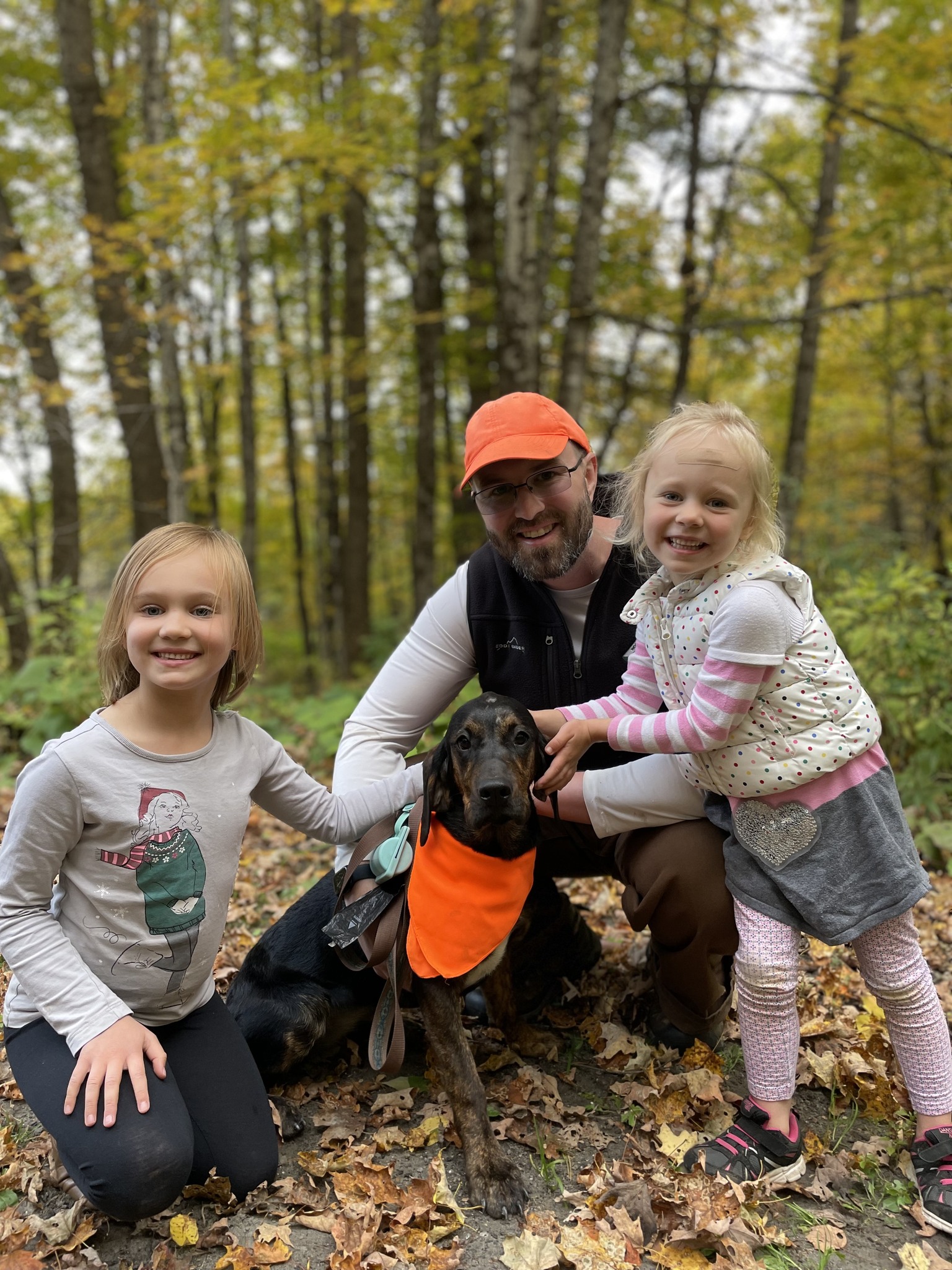
In the landscape of modern family life, few additions are as universally celebrated as the adoption of a rescue dog. It is an act of compassion, a promise of companionship, and a milestone for many households. However, beneath the heartwarming photos of children cuddling pets lies a complex reality of logistics, finances, and emotional labor that is rarely discussed. For one family, the four-month tenure of Genevieve, or "Gigi," the hound, became a profound lesson in the limitations of good intentions and the harsh fiscal and emotional realities of pet-induced behavioral challenges.
The Arrival: A Chance Encounter
The story of Gigi began in late September 2022, when she appeared in the yard of a friend, malnourished and covered in scratches. The dog bore no tags, and a subsequent veterinary scan confirmed she had no microchip. Despite the family’s best efforts to locate an owner through local advertisements and social media, no one came forward.
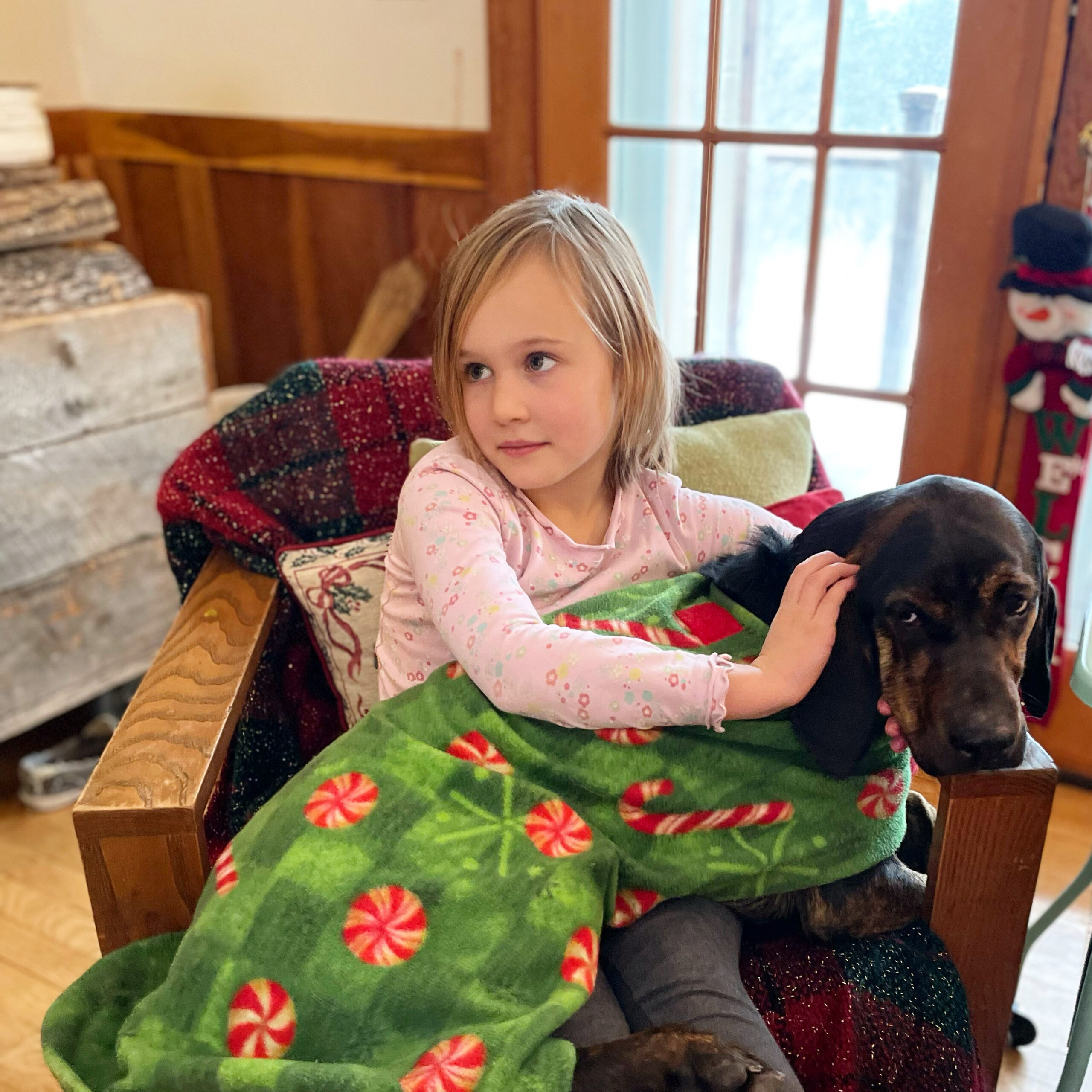
The prevailing theory, supported by her demeanor, was that Gigi had been a bear-hunting dog who had become separated from her pack. When the friends who found her realized they could not accommodate a second dog, the family stepped in. On October 3, 2022, Gigi was brought home. She was, by all accounts, a model companion: she loved hiking, remained quiet, and was gentle with the children. Yet, beneath this veneer of tranquility, a devastating secret remained hidden until the first time the family attempted to leave her alone.
The Chronology of a Crisis
The family’s struggle with Gigi was centered on severe, debilitating separation anxiety. Despite being crate-trained—a method that had proven successful with their previous dog—Gigi’s reaction to being left home alone was consistently catastrophic.
The Behavioral Approach
The family’s initial response was to treat the issue as a behavioral hurdle. They enlisted a professional dog trainer, who implemented a desensitization regimen. This involved leaving the home for mere seconds and gradually increasing the duration of absence. Despite the family’s diligence, they were unable to exceed a five-minute threshold before Gigi succumbed to panic. The trainer, perplexed by the stark contrast between the dog’s calm temperament around people and her extreme distress when isolated, could offer no effective solution.
Technological and Medical Interventions
Moving from behavioral training to technology, the family installed cameras to monitor Gigi’s behavior. When observation proved insufficient, they invested in a remote-controlled treat dispenser, hoping to reinforce calm behavior during their absences. Both methods failed to curb the dog’s panic.

The final stage of the attempt involved professional veterinary intervention. Over the course of several months, the family pursued a medical route, administering a variety of anti-anxiety medications, sedatives, and tranquilizers. Despite these efforts, none of the treatments mitigated Gigi’s distress. Every departure resulted in the same outcome: the dog would pace in circles, soil her crate, and exhibit physical signs of extreme trauma.
The Cost of Care: A Data-Driven Breakdown
The financial toll of these four months serves as a stark reminder of the "hidden" costs of pet ownership. The family spent a total of $2,373.25 in their attempt to accommodate Gigi’s needs. This figure includes:
| Item | Amount |
|---|---|
| Spaying, foster, and adoption fees | $600.00 |
| Initial vet care, vaccines, and testing | $497.78 |
| Professional dog training | $150.00 |
| Technology (Cameras/Treat Dispenser) | $128.77 |
| Medical/Medications | $268.60 |
| Supplies (Food, Beds, Gear) | $728.10 |
| Total | $2,373.25 |
For context, the family’s previous pet, a greyhound named Gracie, cost approximately $930 annually. The disproportionate expense incurred during the four months with Gigi highlights how quickly veterinary and behavioral costs can escalate when a pet has complex medical or psychological needs.

The Breaking Point: Balancing Priorities
By January 2023, the family reached an untenable crossroads. They were faced with two binary choices: either one parent remained home at all times, effectively ending the family’s ability to attend school events, social gatherings, or extracurricular activities, or they risked returning to a home in chaos.
Recognizing that this dynamic was negatively impacting their children and creating unsustainable stress for the adults, the family made the difficult decision to rehome Gigi. They contacted a foster-based rescue organization, which, after an evaluation, discovered that Gigi’s anxiety was rooted in her history as a pack animal. She required the presence of other dogs to feel secure. Today, Gigi has been successfully adopted into a new family with a multi-dog household, where she is thriving.
Implications for Prospective Pet Owners
This experience offers several significant takeaways for those considering pet ownership:
- The "Pack" Factor: The rescue organization’s assessment suggests that for certain working breeds or hunting dogs, isolation is not just an inconvenience—it is a physiological trigger for panic. Prospective adopters should research the history and temperament of breeds thoroughly before committing.
- The Hidden Costs: Beyond food and routine shots, pet ownership can involve significant, unexpected expenses. Emergency medical care, behavioral therapy, and specialized equipment can easily reach thousands of dollars in a very short window of time.
- The Myth of the "Perfect Fit": Even with the best intentions, some matches are simply not viable. The guilt associated with rehoming a pet is immense, yet it must be balanced against the family’s capacity to provide a healthy environment.
- The Alternative of Fostering: For families who are unsure if they are ready for the permanent responsibility of a pet, or who have demanding, active lifestyles, fostering can serve as a "part-time" solution. It allows families to provide love and care to animals in need without the long-term, 24/7 commitment of full ownership.
A Reflective Conclusion
The family’s journey with Gigi is not a cautionary tale against adoption, but rather a transparent look at the nuances of animal care. In the wake of this experience, the family has decided to forgo pet ownership for the foreseeable future, choosing instead to focus on their children’s current stage of life, which involves frequent family excursions and learning opportunities.
The "dog-sized hole" in their hearts is now filled through periodic dog-sitting, a compromise that satisfies the children’s desire for animal companionship while maintaining the family’s autonomy. The experience stands as a testament to the fact that, while love is the foundation of any relationship with an animal, it must be paired with an honest assessment of one’s lifestyle, resources, and emotional capacity. Sometimes, the most loving decision a person can make is to recognize that they are not the right home for a particular animal, and to facilitate their transition to a place where they can truly flourish.
As for the family, they continue to navigate life with the grace of those who have learned a hard lesson: that despite our best efforts, we are not always in control, and that is a reality one must learn to accept with empathy, both for the animal and for oneself.