For many families, the addition of a dog is a milestone of domestic joy—a source of companionship, adventure, and unconditional love. However, for the family behind the popular blog Frugalwoods, the dream of welcoming a new rescue hound named Genevieve, or "Gigi," turned into an arduous, months-long struggle that eventually forced a painful, life-altering decision. This is a story not just about a dog, but about the boundaries of caregiving, the high cost of behavioral rehabilitation, and the difficult realization that sometimes, the most loving choice is to let go.
The Arrival and Initial Connection
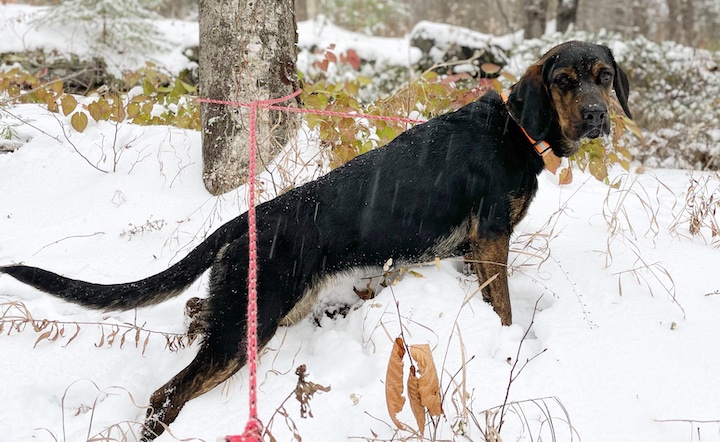
The story of Gigi began in late September, under circumstances that suggested a challenging past. Found emaciated and covered in scratches in a friend’s yard, the hound had no microchip and no identification tags. Despite extensive efforts to locate her original owners, the trail went cold. Given her condition and the rugged rural environment, it was widely suspected that Gigi had been a bear-hunting dog who became separated from her pack.
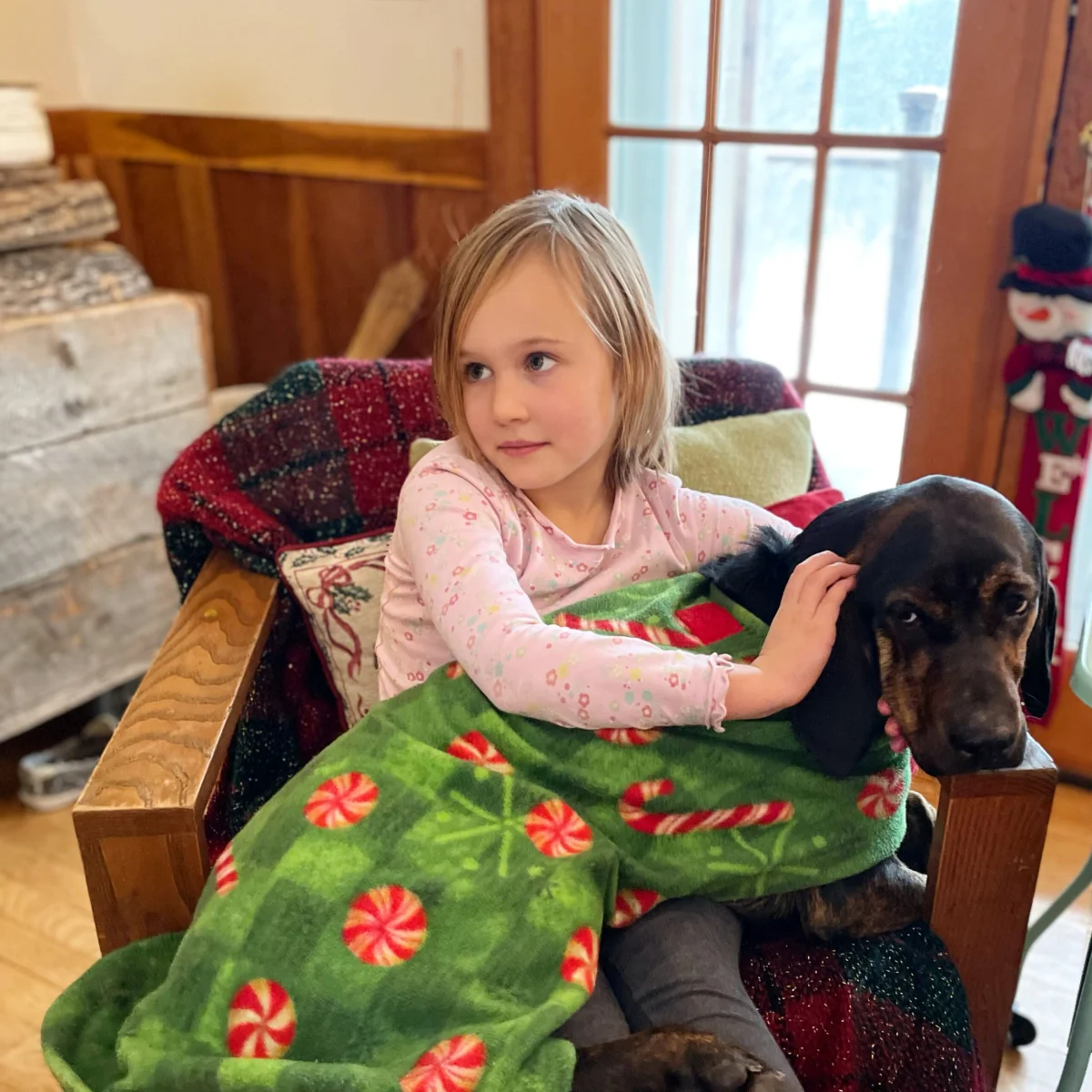
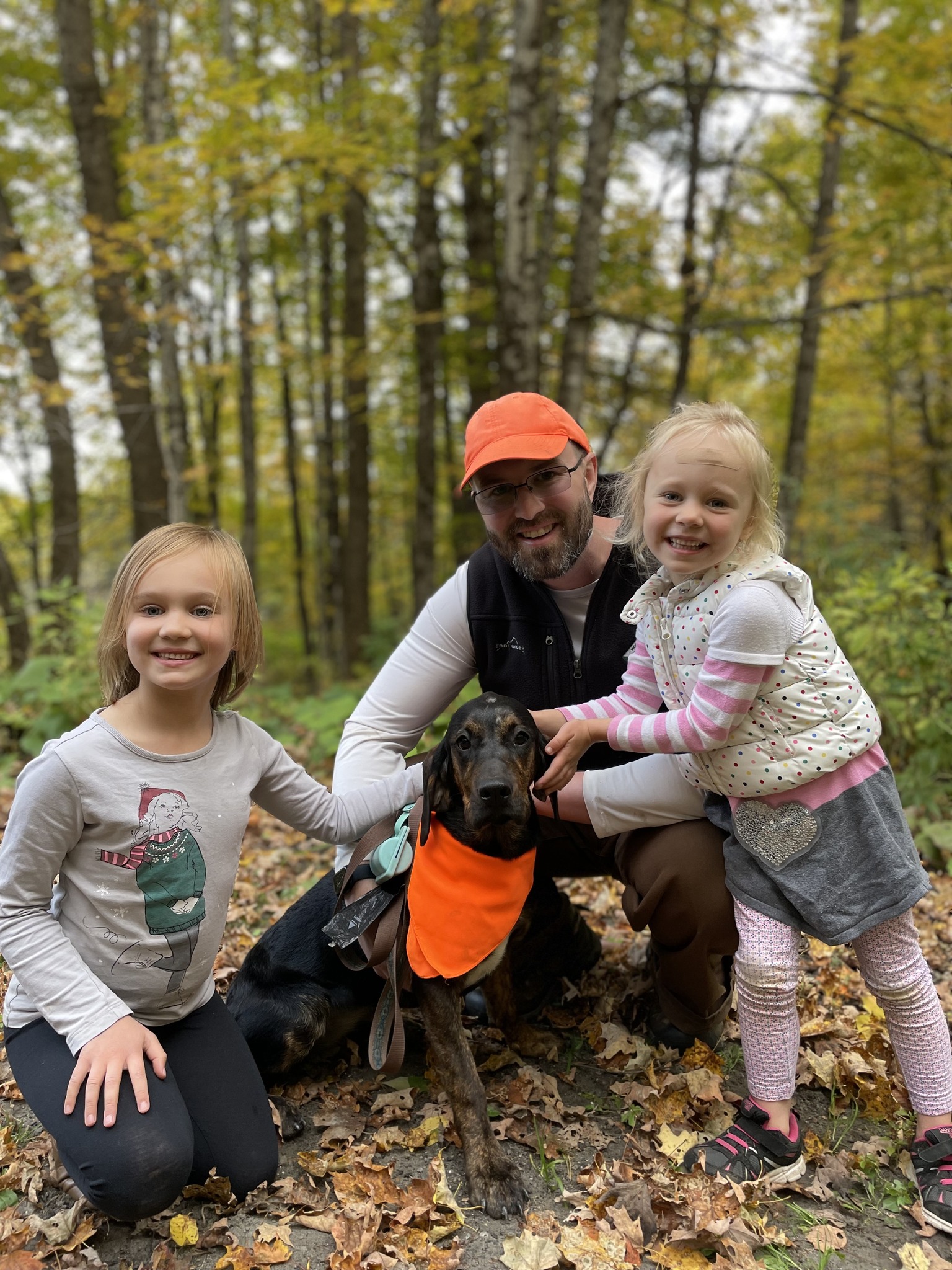
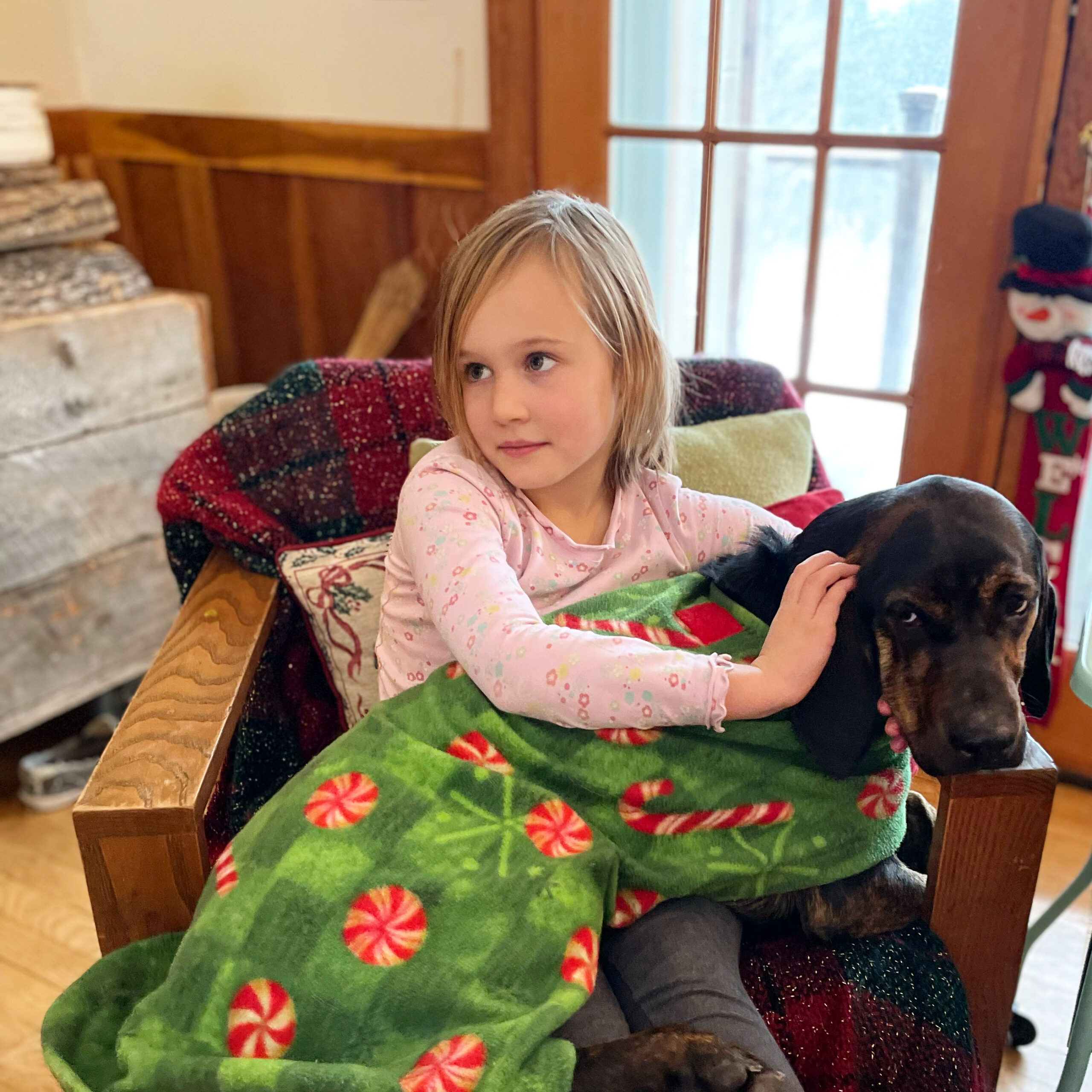
Unable to take in a second dog, the friends who found her were prepared to surrender her to a shelter. Recognizing the potential for a new family member, the Frugalwoods family intervened. On October 3, 2022, Gigi officially joined their household. By all accounts, she was a model companion in most settings: she was affectionate with the children, gentle on hikes, and exhibited a calm demeanor indoors. However, a significant, non-negotiable issue quickly surfaced: Gigi suffered from extreme, incapacitating separation anxiety.
A Chronology of Failed Interventions
The family’s journey to help Gigi navigate her anxiety was exhaustive, spanning three distinct phases of intervention.
Behavioral Modification
The family initially operated under the assumption that standard crate training would suffice. While Gigi willingly entered her crate to nap or avoid the chaos of young children, the enclosure became a site of terror the moment the family left the house. They enlisted the help of a professional trainer, embarking on a rigorous regimen of gradual desensitization. They practiced leaving the house for mere seconds, gradually increasing the duration. Despite their persistence, Gigi’s threshold for panic remained at five minutes; anything beyond that resulted in significant distress.
Technological Solutions
In a search for objective data, the family installed remote monitoring equipment. They first used a standard camera to observe her behavior, which only confirmed the severity of her panic. They then invested in a high-tech camera-and-treat-dispenser, hoping to provide positive reinforcement remotely. Despite these efforts, the dog remained inconsolable, continuing to pace, circle, and soil her crate whenever she was left unattended.
Medical Exploration
The final avenue explored was veterinary intervention. Over the course of several months, the family pursued every medical option recommended by their vet. This included a rotating series of anti-anxiety medications, sedatives, and tranquilizers. Despite strict adherence to these medical protocols, none of the treatments successfully alleviated the underlying anxiety.
The Breaking Point: A Family in Crisis
The impact on the human members of the household was profound. The necessity of having an adult present at all times meant that the family could no longer function as a unit. Simple activities—attending school events, going to church, or taking family trips—became logistically impossible.
The emotional toll was equally heavy. The children began to internalize the tension, and the parents found themselves caught in a cycle of constant cleanup and crisis management. The "Frugalwoods" author noted that the situation was unsustainable, forcing them to choose between their lifestyle and the specialized, 24/7 care that a dog with such severe trauma required.

Supporting Data: The Financial Toll
The commitment to Gigi was not only measured in emotional labor but also in significant financial investment. The family provided a detailed breakdown of the costs incurred during their four-month tenure with the dog, totaling $2,373.25.
| Item | Cost |
|---|---|
| Spaying, foster, and adoption fees | $600.00 |
| Initial vet care (vaccines, de-worming, microchip) | $497.78 |
| Subsequent vet visits and medication | $414.20 |
| Food, beds, toys, and supplies | $386.92 |
| Professional dog trainer | $150.00 |
| Camera and treat dispenser | $99.99 |
| Miscellaneous (licensing, vests, boots) | $224.36 |
| Total | $2,373.25 |
For comparison, their previous dog, a greyhound named Gracie, cost approximately $930 annually. This contrast serves as a stark reminder of the "hidden" costs of pet ownership, particularly when dealing with health or behavioral complexities that require intensive professional support.
Implications: The Search for a New Pack
After four months of exhaustion and heartache, the family made the difficult decision to rehome Gigi. They contacted a foster-based rescue organization that possessed the resources to place her in a more suitable environment.

The rescue team eventually discovered the key to Gigi’s behavioral puzzle: she did not necessarily need to be with humans at all times, but she did need to be with other dogs. As a former pack animal, her separation anxiety was rooted in the loss of her peers. She was eventually adopted into a home with several other dogs, where she has reportedly thrived.
Lessons Learned and Future Outlook
The experience served as a sobering lesson in the realities of rescue work. The author expressed a deep sense of failure, yet found comfort in the fact that they had provided Gigi with essential medical care, nutrition, and a bridge to a permanent, compatible home.
The family has concluded that, for the current stage of their lives, they are not in a position to adopt another pet. With children now ages 5 and 7, they are prioritizing the freedom to engage in spontaneous family activities and educational experiences—a luxury they were denied during their time with Gigi. They have adopted a new strategy for "pet fulfillment": acting as short-term dog-sitters for friends. This arrangement allows them to enjoy the companionship of a dog without the long-term, around-the-clock responsibility that their current lifestyle cannot accommodate.
A Note on Resilience
The article concludes with a reflection on the unpredictability of life. Much like their recent experience with the severe flooding in Vermont—which caused significant damage to their property—the experience with Gigi reminded the family that they are not always in control of their circumstances.
While the "dog-sized hole" in their hearts remains, the family has reached a place of acceptance. They emphasize that this story is not a cautionary tale against pet adoption, but rather an honest, transparent look at the sacrifices required when things do not go to plan. It is a testament to the importance of recognizing one’s limitations and the necessity of prioritizing the health and well-being of the entire family unit.
For the Frugalwoods, the lesson is clear: true stewardship sometimes means recognizing when you are not the right fit for a creature in need, and having the courage to ensure they find the life they truly deserve.