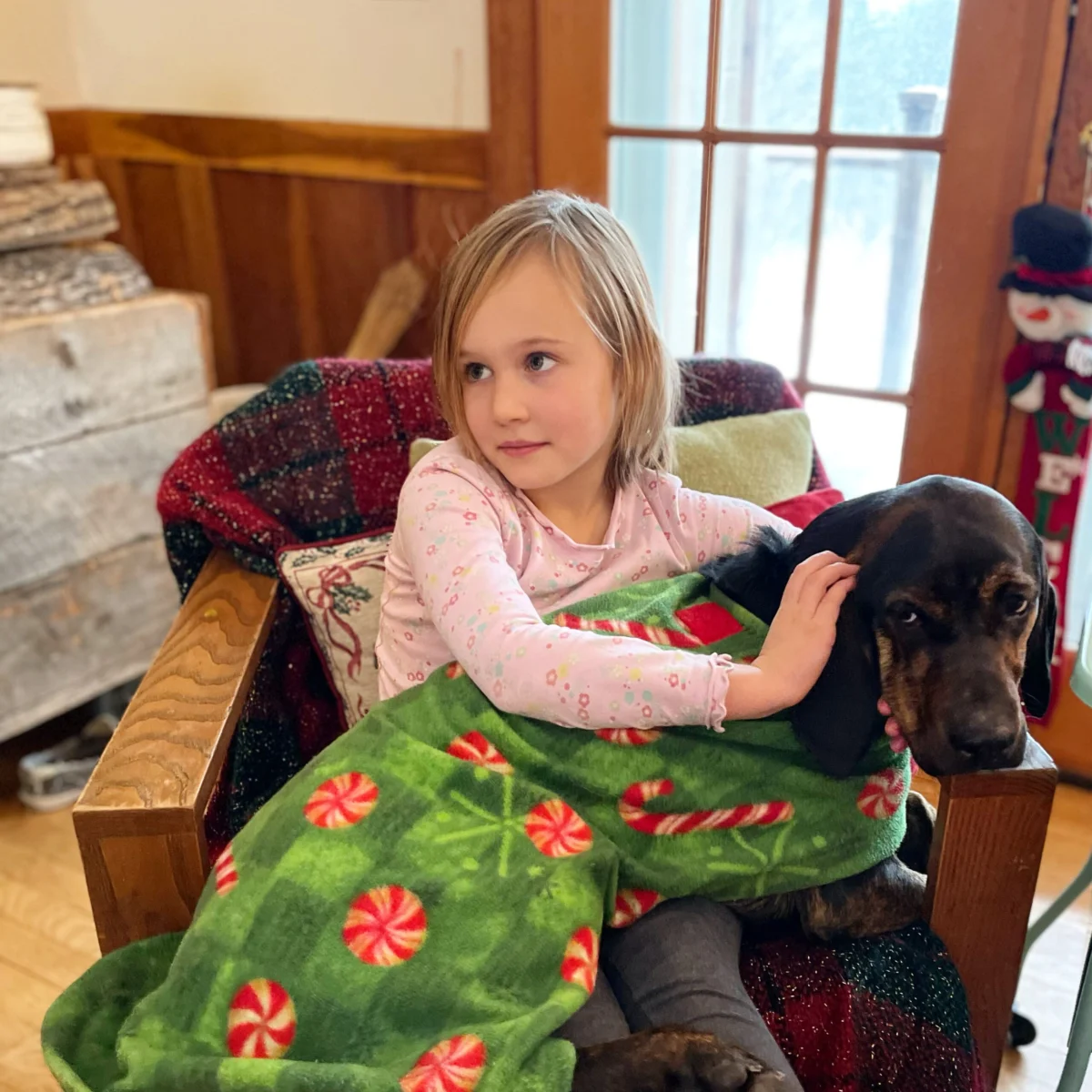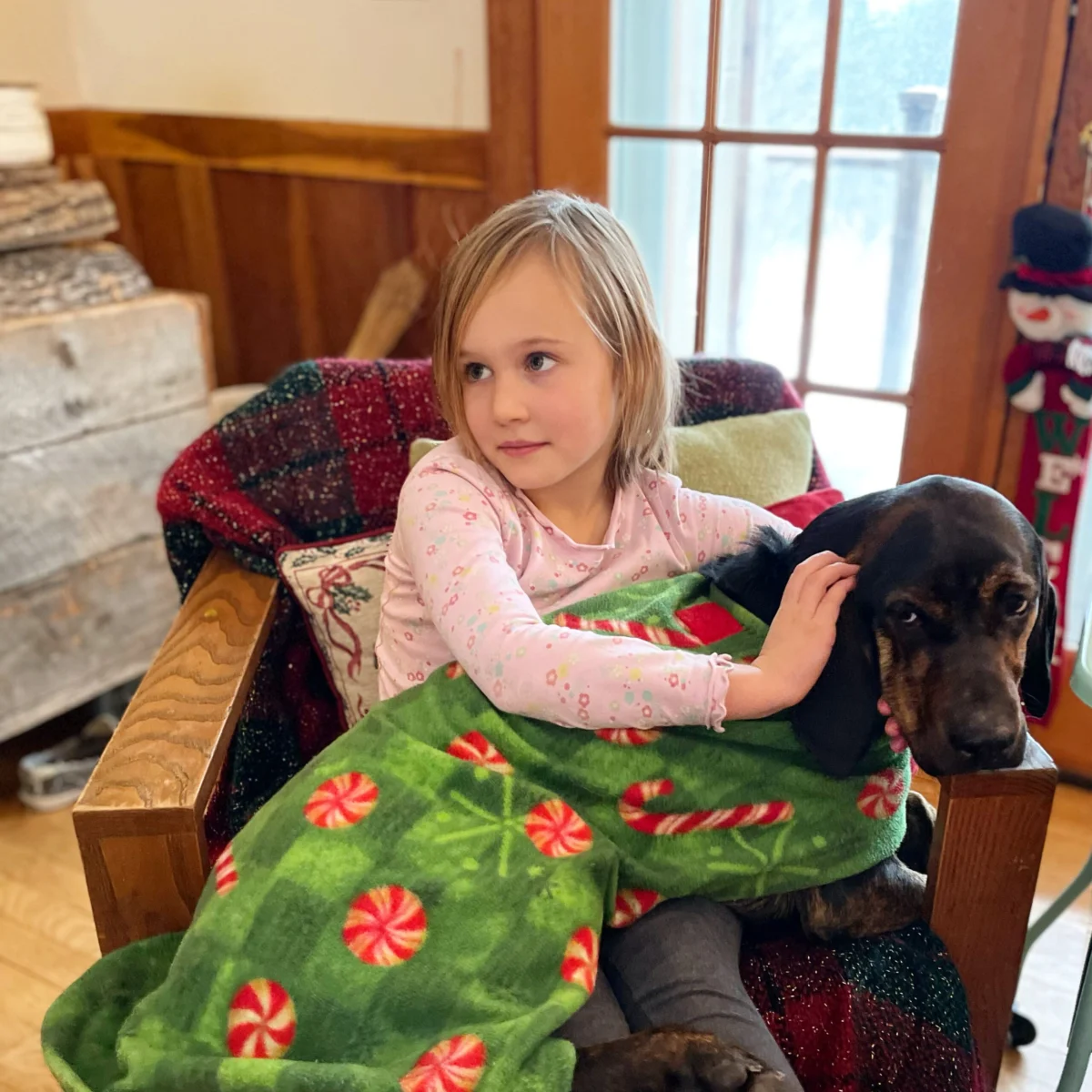
For many families, the addition of a dog is a milestone marked by joy, companionship, and the strengthening of the domestic bond. However, for the family behind the popular blog Frugalwoods, a recent attempt to rescue a stray hound named Genevieve—or "Gigi"—turned into a profound, costly, and ultimately heartbreaking lesson on the realities of pet ownership, behavioral incompatibility, and the limitations of good intentions.
What began as an act of kindness in the autumn of 2022 quickly evolved into a four-month odyssey that would test the family’s patience, financial resources, and emotional resilience. As the family reflects on the ordeal, their story serves as a sobering reminder that while the heart may lead the way in rescue efforts, the reality of daily life often dictates a much more difficult path.
A Chance Encounter: The Arrival of Gigi
The story of Gigi began in late September 2022, when a disheveled and emaciated hound appeared in the yard of friends of the Frugalwoods family. The dog was covered in scratches, bore no identification tags, and possessed no microchip. Local outreach efforts to locate an owner yielded no results.
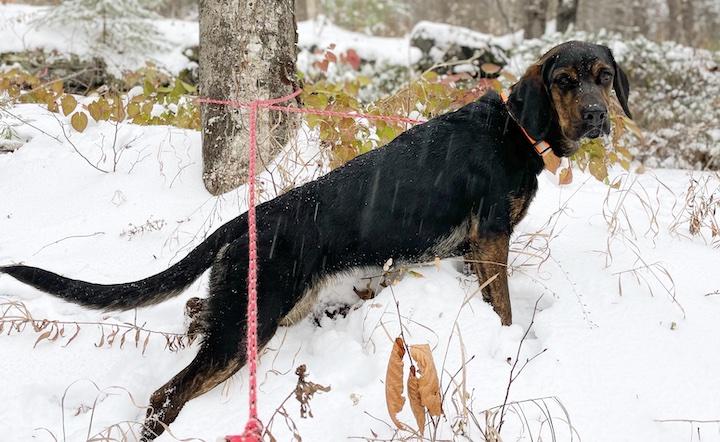
The prevailing theory among those involved was that Gigi had likely served as a bear-hunting dog—a role that typically requires high endurance and pack-oriented social structures—before becoming separated from her handlers. When the friends, who already owned a dog, realized they could not provide a permanent home for the hound, the Frugalwoods family stepped in. On October 3, 2022, they officially welcomed Gigi into their home.
The Chronology of a Failed Transition
Initial optimism was high. Gigi was described as a gentle, intelligent, and affectionate companion who integrated seamlessly into the family’s outdoor-oriented lifestyle. She was an ideal hiking partner and behaved well in the presence of the family’s children. However, a significant, non-negotiable issue quickly surfaced: Gigi suffered from extreme separation anxiety.
The Behavioral Struggle
The family immediately implemented crate training, a method that had proven successful with their previous dog. While Gigi enjoyed the crate while the family was present—often seeking it out for naps or to escape the energetic chaos of the children—her demeanor shifted entirely the moment the family stepped out the door.
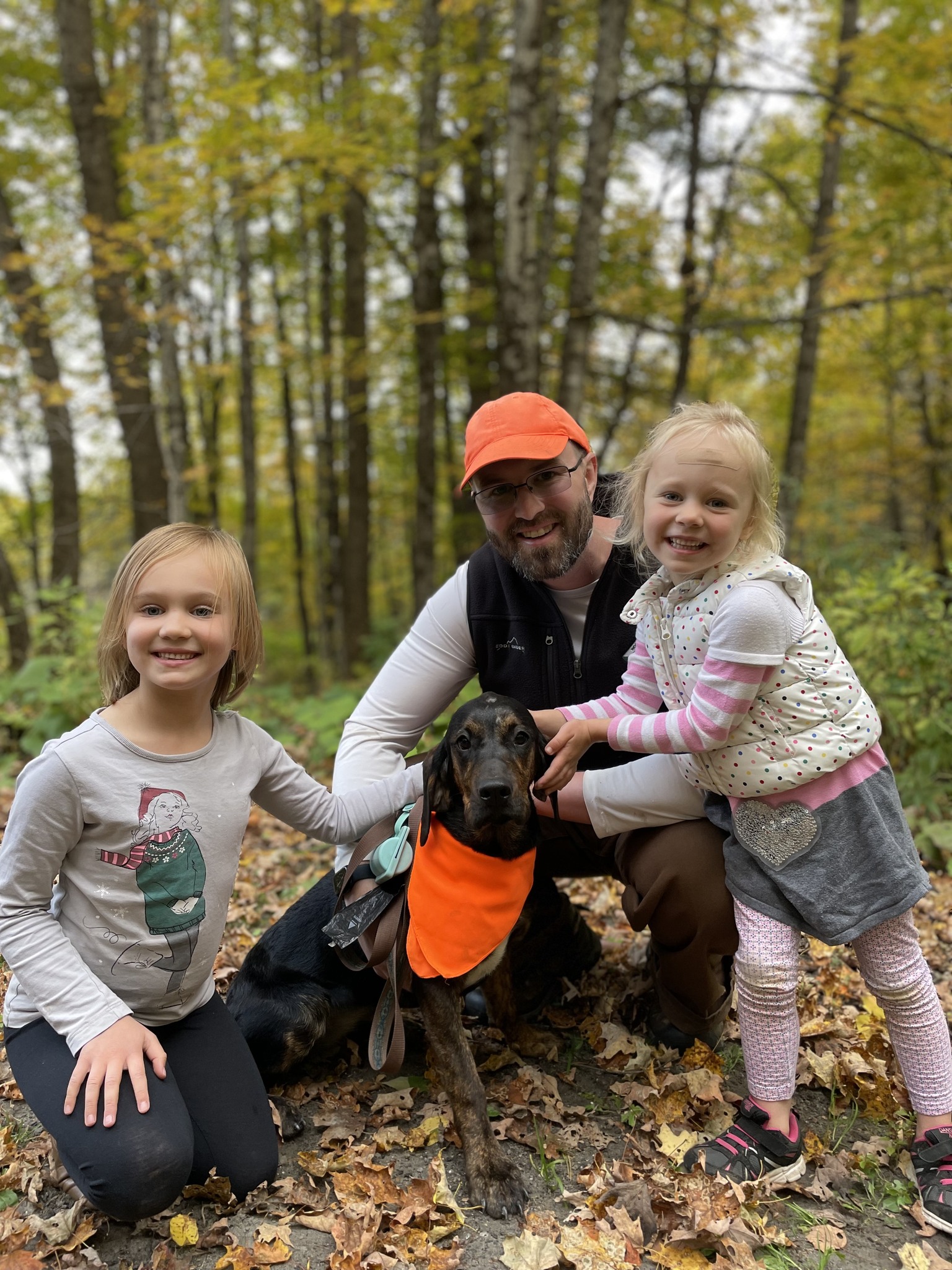
Even with short-term departures, Gigi experienced what could only be described as a full-blown panic attack. Her distress manifested in destructive behavior, including vocalization and the loss of bladder and bowel control within the crate.
The Escalation of Intervention
Over the next four months, the family pursued every available avenue to resolve the crisis:
- Behavioral Modification: They enlisted the services of a professional dog trainer, adhering to a strict regimen of desensitization. Despite consistent effort, progress stalled at the five-minute mark; any absence longer than that triggered an immediate panic response.
- Technological Solutions: The family invested in high-definition monitoring equipment, including a camera and a remote treat-dispensing system. The goal was to provide positive reinforcement while they were away, but the technology proved ineffective against the severity of Gigi’s anxiety.
- Medical Intervention: The family sought extensive veterinary guidance. This led to a series of prescriptions, ranging from mild anti-anxiety medications to sedatives and tranquilizers. Despite the financial and emotional toll of these repeated clinical visits, no medical solution provided relief.
The Breaking Point
By January 2023, the family reached an impasse. The requirement to constantly have one adult at home to "babysit" the dog meant the family could no longer participate in communal activities, school events, or even brief day trips. The situation placed significant strain on the parents and, by extension, the children.

Recognizing that their lifestyle could not sustain a dog with such profound, unmanageable needs, the family made the agonizing decision to surrender Gigi to a foster-based rescue organization. The rescue later confirmed that Gigi’s anxiety was rooted in a deep-seated need for a pack; she thrived in environments where other dogs were present, but could not cope with being the sole canine in a household. She has since been successfully adopted into a home with other dogs.
Financial Implications of the Rescue
The Frugalwoods family kept meticulous records of the costs incurred during their four-month journey with Gigi. Their transparent accounting highlights the often-unforeseen expenses associated with rescue animals, particularly those with special needs.
| Item | Amount |
|---|---|
| Spaying & Rescue Fees | $600.00 |
| Initial Vet/Vaccinations | $497.78 |
| Subsequent Vet/Meds | $414.20 |
| Food, Toys, & Misc. Supplies | $390.25 |
| Training Sessions | $150.00 |
| Tech (Cameras/Treat Dispensers) | $128.77 |
| Miscellaneous (Gear/Licensing) | $192.25 |
| Total | $2,373.25 |
For comparison, the family’s previous pet, a greyhound, cost approximately $930 annually. The $2,373.25 spent on Gigi in a quarter of a year underscores the financial volatility inherent in pet ownership, especially when behavioral issues necessitate specialized veterinary and training services.

Implications for Future Ownership
The family’s experience serves as a cautionary tale regarding the romanticization of animal rescue. While the impulse to save a vulnerable animal is noble, the Frugalwoods family now emphasizes the necessity of matching a pet’s temperament to the specific rhythm of a family’s life.
The "Dog Aunt" Philosophy
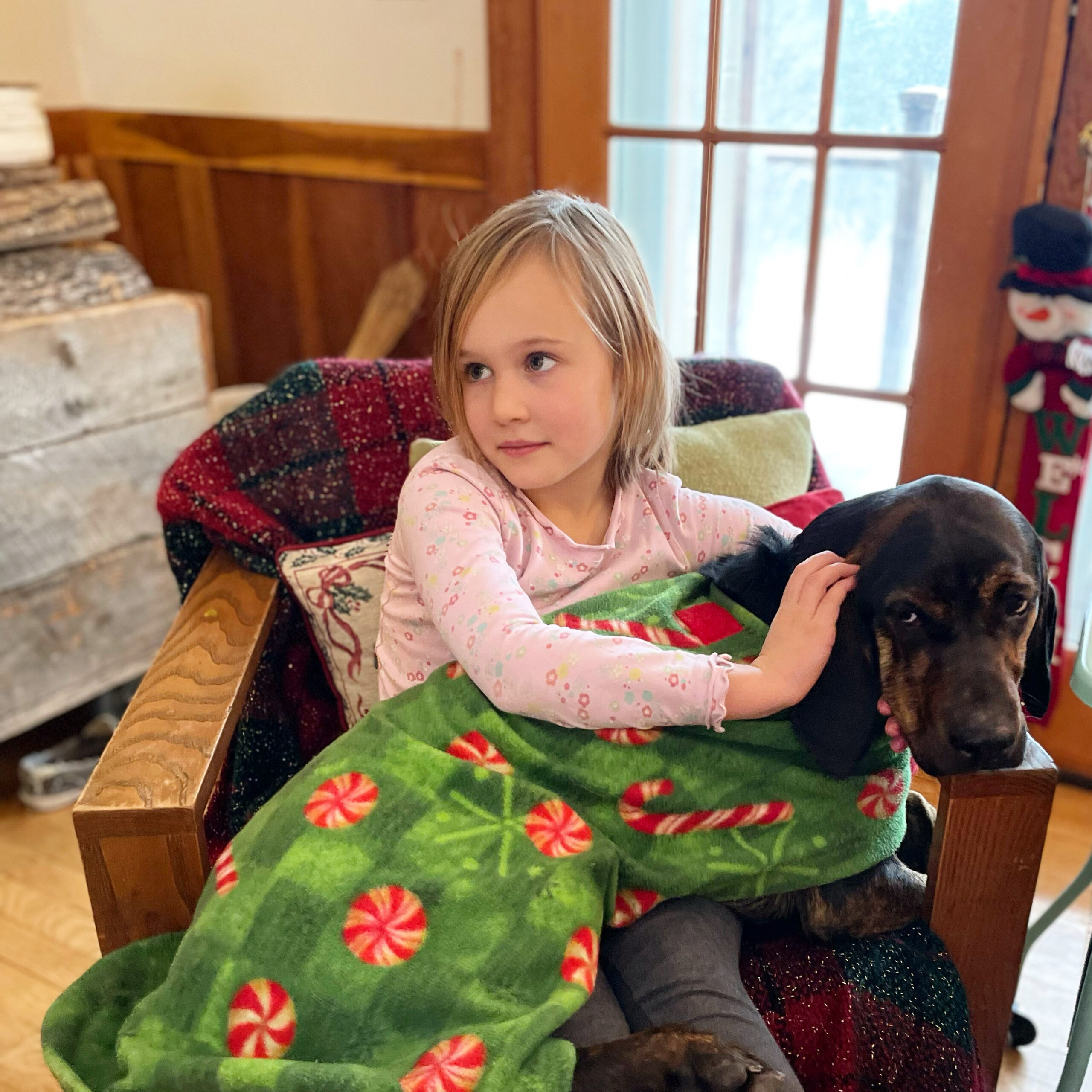
In the wake of this experience, the family has decided against immediate pet ownership. They have instead adopted a "dog aunt" approach, offering to care for friends’ dogs on a short-term basis. This arrangement provides the children with the joy of animal companionship without the long-term, unsustainable pressures of ownership.
This model allows them to maintain their current, active lifestyle while still enjoying the benefits of a canine presence—a compromise that currently satisfies both the children’s curiosity and the parents’ need for flexibility.
Reflections on Priorities
The broader implication of this story is a candid look at values. By prioritizing the family’s ability to engage with their community and the development of their children, they have chosen to wait until their circumstances—and their lifestyle—are more conducive to the demands of a permanent pet.
Conclusion: A Lesson in Humility
Reflecting on the experience, the family admits to feelings of failure as pet owners. Yet, they find solace in the fact that they provided Gigi with medical care, nourishment, and, ultimately, a pathway to a permanent home where her specific social needs are met.
This narrative acts as a reminder that the "perfect" pet for one household may be an impossible fit for another. It is an exploration of the boundaries between compassion and practicality. As the family continues to navigate their life in Vermont—even amidst unrelated environmental challenges like recent flooding that damaged their property—they remain at peace with the decision. They learned that while love is a necessary component of pet ownership, it is not a substitute for the resources, time, and environmental compatibility required to sustain a healthy, thriving animal-human relationship.