
For millions of freelancers, entrepreneurs, and commission-based professionals, the traditional "fixed-salary" approach to personal finance is a relic of the past. When your income fluctuates, the standard advice to "allocate 30% to housing" or "save 20% of your paycheck" can feel not only unrealistic but paralyzing. However, financial experts increasingly argue that those with variable earnings—perhaps more than any other group—are the ones who need a robust, disciplined budget the most.
Managing money with an irregular income is less about predicting the future and more about building a system that absorbs volatility. By shifting the focus from monthly salary expectations to cash-flow management, families can transform financial anxiety into a structured path toward long-term wealth.
1. The Reality of Variable Income: Understanding the Foundation
The primary barrier to budgeting for self-employed individuals is the psychological fear that a budget will be "restrictive." Many view budgeting as a leash that prevents them from enjoying their money. In reality, a well-constructed budget acts as a financial roadmap, providing the autonomy to make informed decisions rather than reactive, stress-based ones.

The first step in this journey is accepting that your income will fluctuate. Instead of fighting this, you must build your lifestyle around your "floor"—the lowest expected income you generate in a slow month. By anchoring your essential expenses to this baseline, you ensure that you remain solvent during lean periods. This creates a margin of safety, allowing you to treat high-income months as opportunities for growth rather than a license for lifestyle inflation.
2. Strategic Chronology: Building a System that Lasts
Establishing a sustainable financial routine does not happen overnight. To successfully manage irregular income, one must follow a methodical approach to tracking, planning, and adjusting.
Phase I: The Audit
Before you can budget, you must have a clear understanding of your "burn rate." For at least three months, track every single expenditure. This data collection phase is crucial; it reveals the difference between essential survival costs (mortgage, utilities, groceries) and discretionary spending.

Phase II: Setting the Baseline
Once you have your data, set your budget based on your lowest-earning months. This is your "survival budget." It covers only the absolute necessities. By doing this, you ensure that your fixed obligations are always met, regardless of how the business performs.
Phase III: The "Buffer" Implementation
Once your survival budget is established, the next priority is the creation of a "buffer fund." This is a specific category of savings separate from your traditional long-term emergency fund. This fund acts as a shock absorber. In months where you earn more than your baseline, the excess should be directed here until the buffer is sufficient to cover one or two months of living expenses. This effectively "smooths out" your income, allowing you to pay yourself a consistent "salary" from your business checking account to your personal account.
3. Supporting Data: The Importance of Emergency Reserves
Financial volatility requires a higher liquidity ratio than a steady-paycheck lifestyle. While traditional advice often suggests a $1,000 starter emergency fund, those with irregular income should view that as a mere starting point.

According to standard financial best practices for independent contractors:
- The First Milestone: $1,000 to $2,000 for minor, immediate emergencies.
- The Second Milestone: One month of essential expenses. This prevents a slow month from becoming a catastrophe.
- The Third Milestone: 3 to 6 months of essential expenses. This provides the peace of mind required to make long-term business decisions without the pressure of immediate financial desperation.
The key to achieving these milestones is automation. By setting up automatic, recurring transfers to a high-yield savings account, you remove the human element of hesitation. If the money never hits your primary checking account, you are significantly less likely to spend it on discretionary items.
4. Professional Perspectives: Managing Surplus
What happens when you have a "banner month"? This is where most people falter. The tendency is to upgrade one’s lifestyle immediately. Financial advisors emphasize that the hallmark of a successful budgeter is the "Prioritization List."

Before a high-earning month begins, create an ordered list of where that extra cash should go. This might include:
- Debt Acceleration: Paying down high-interest liabilities.
- Sinking Funds: Setting aside money for annual expenses like insurance premiums, car maintenance, or property taxes.
- Future-Proofing: Maximizing retirement contributions or investing in professional development.
- Strategic Splurges: Allocating a pre-determined percentage to non-essentials to prevent "burnout" from being overly restrictive.
By pre-determining these priorities, you eliminate the temptation to make emotional, impulsive purchases during a month where the bank account looks healthier than usual.
5. Implications: The Freedom of Data
Budgeting is fundamentally an exercise in data management. As you track your transactions over time, patterns will emerge. You may find that your grocery spending is consistently 15% higher than your estimates, or that you are overspending in entertainment categories.

The Power of Flexibility
A budget is a living document, not a stone tablet. If a category is consistently over-budget, it is not necessarily a sign of failure; it is a sign that your initial estimate was unrealistic. Adjust the numbers. If you find that your total income is consistently lower than your baseline expenses, the implications are clear: you must either find ways to increase your revenue streams or cut fixed costs.
Having this data at your fingertips provides a sense of control that is impossible to achieve when you are "guessing" your way through the month. It allows for proactive adjustments—such as picking up a side project or delaying a planned expense—before a financial crisis occurs.
6. Tools for Success: Digital vs. Analog
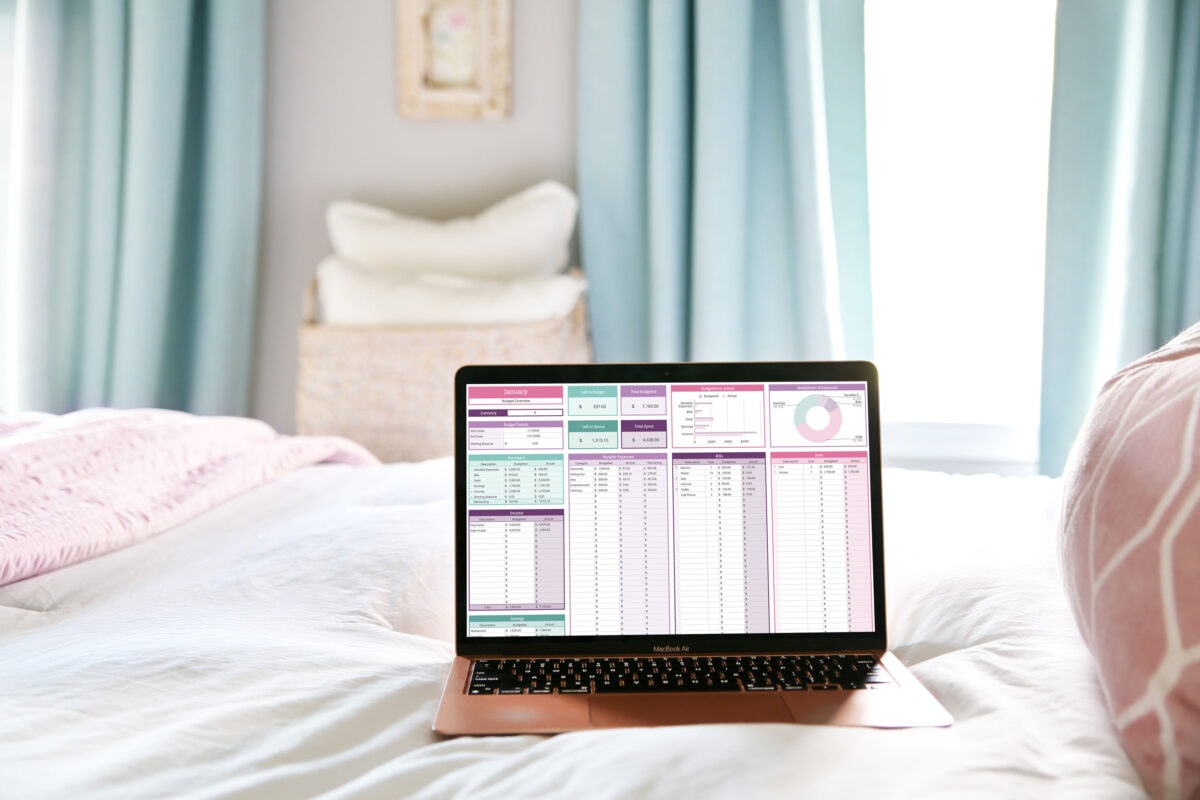
While the methodology remains the same, the tools used to execute it can vary. Many individuals find that spreadsheet software (like Excel or Google Sheets) is the gold standard for irregular income management.

Spreadsheets allow for:
- Customization: Unlike rigid apps, spreadsheets can be modified to reflect unique business cycles.
- Mathematical Automation: Modern spreadsheets can perform complex calculations, such as calculating the average income over a six-month period to help determine a "draw" or "salary" for the owner.
- Visual Analysis: Charts and graphs can quickly show you whether you are hitting your savings targets or if your spending is outpacing your growth.
Whether you use a sophisticated app, a simple spreadsheet, or a pen-and-paper ledger, the most important aspect is consistency. The act of tracking is, in itself, a form of discipline that naturally leads to lower spending.
7. Conclusion: Beyond the Numbers
Budgeting on an irregular income is not merely about surviving the lean times; it is about creating a framework that allows your life and business to thrive. By setting conservative spending targets, prioritizing a robust buffer fund, and being intentional with surplus income, you remove the fear that often accompanies self-employment.
When you are no longer surprised by the fluctuations of your income, you gain the freedom to focus on what matters: your family, your business, and your future. Financial stability is not the absence of irregular income; it is the presence of a plan that can navigate it.
Disclaimer: This article is intended for educational purposes only and does not constitute professional financial, investment, or legal advice. Always consult with a qualified financial advisor or accountant regarding your specific financial situation before making major decisions.