WASHINGTON — As families and educators gear up for the upcoming academic year, a perennial challenge returns to the forefront of educational discourse: student organization. With cluttered backpacks, misplaced syllabi, and unexpected exam dates frequently derailing academic performance, the demand for structured, accessible planning tools has never been higher.
In response to this nationwide need, popular organizational resource platform Just a Girl and Her Blog has officially released its heavily anticipated, fully updated collection of free printable student binders. Designed for middle school, high school, and college students—as well as lifelong learners—the comprehensive toolkit aims to replace academic chaos with a streamlined system for success.
Main Facts: What Is the Printable Student Binder?
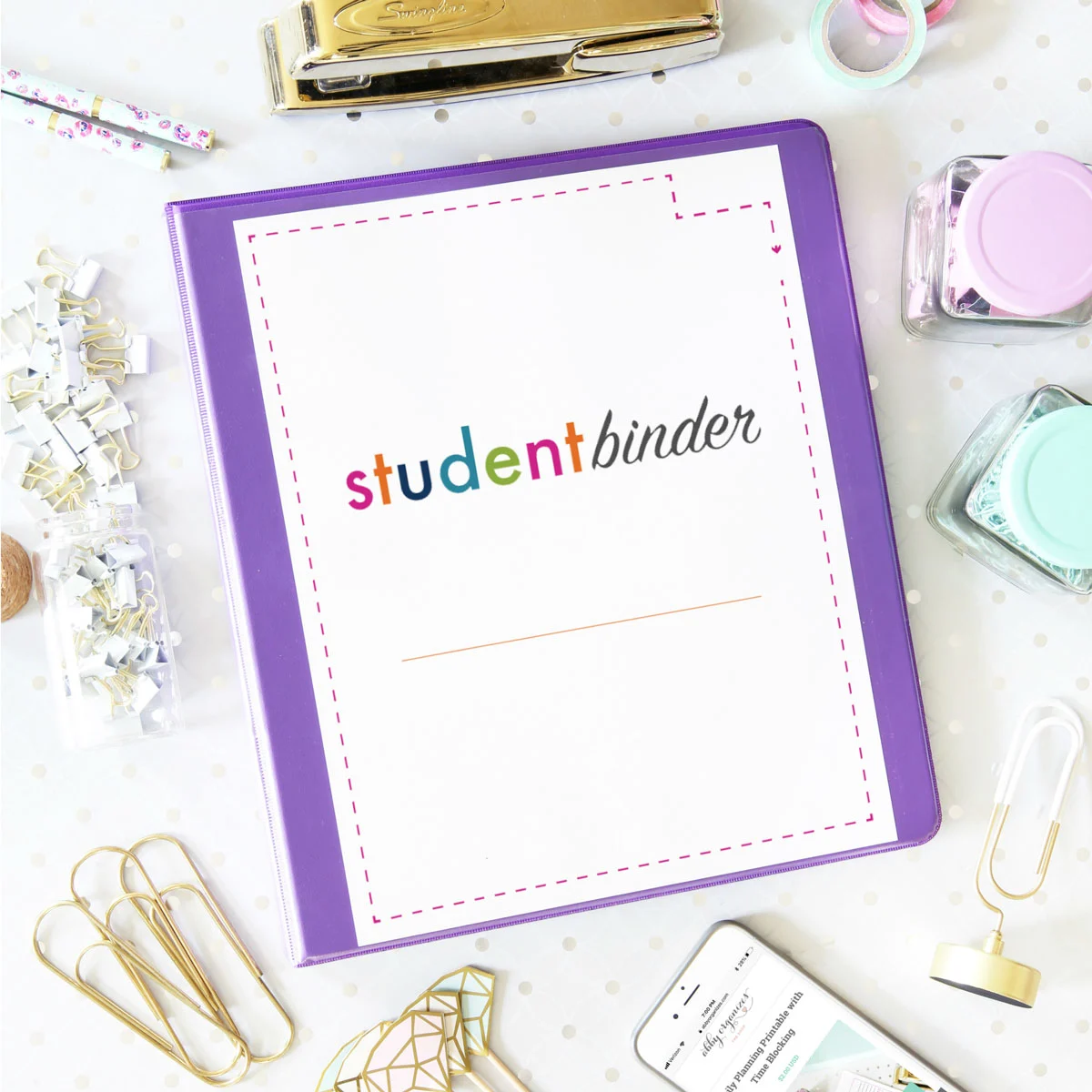
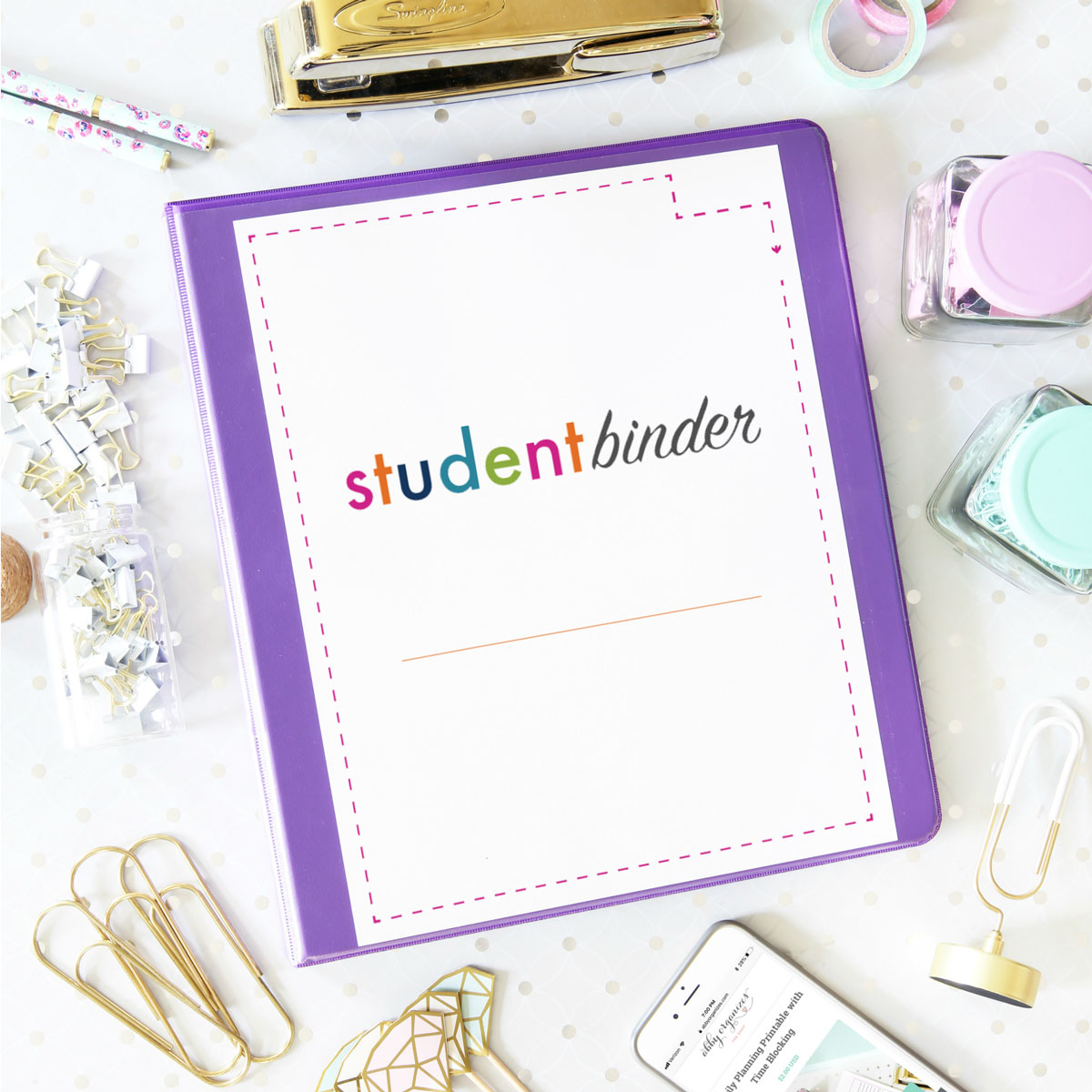
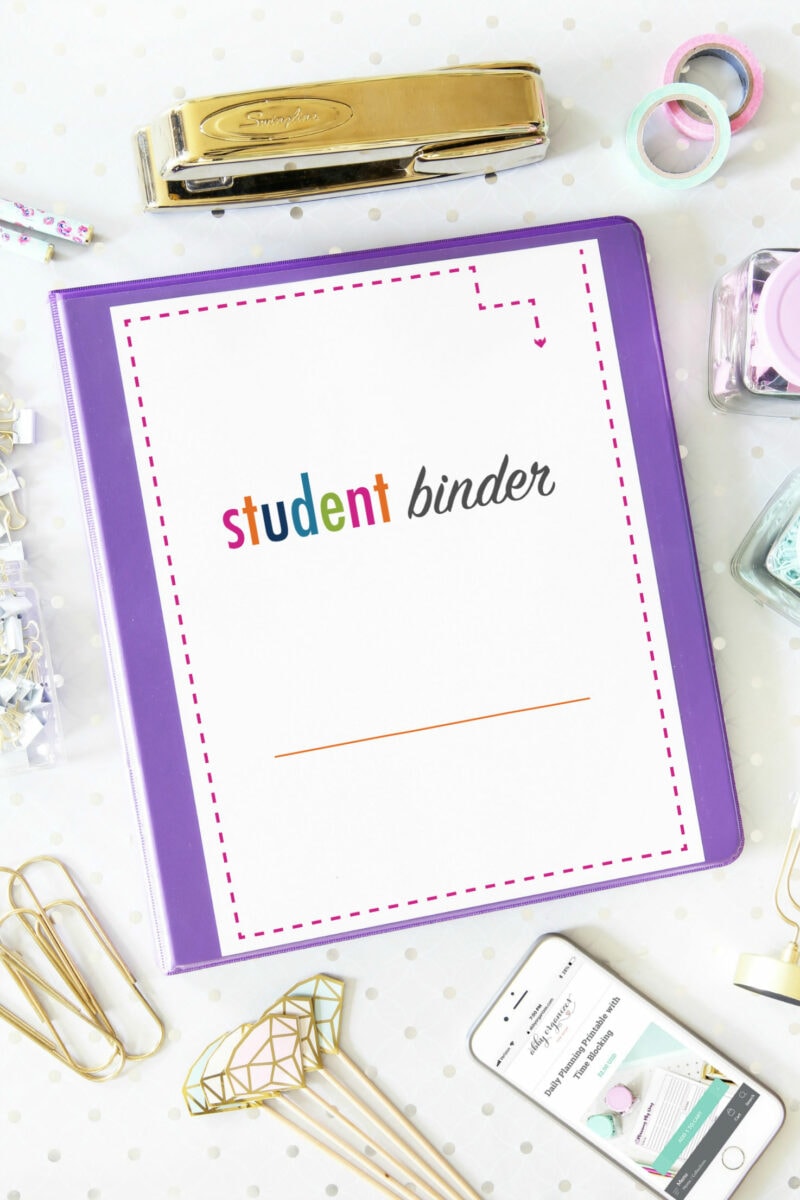
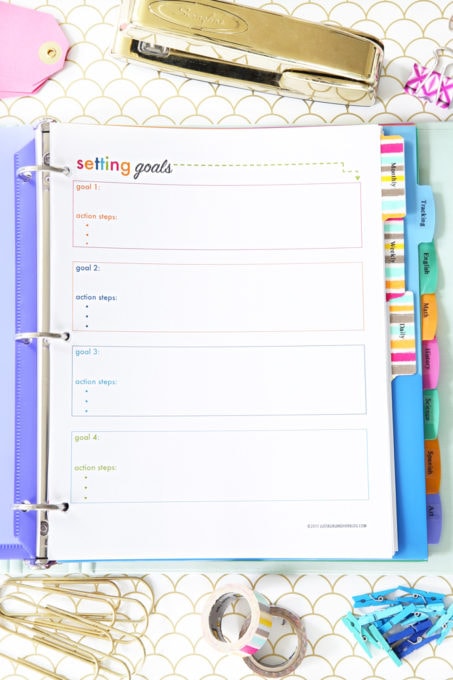
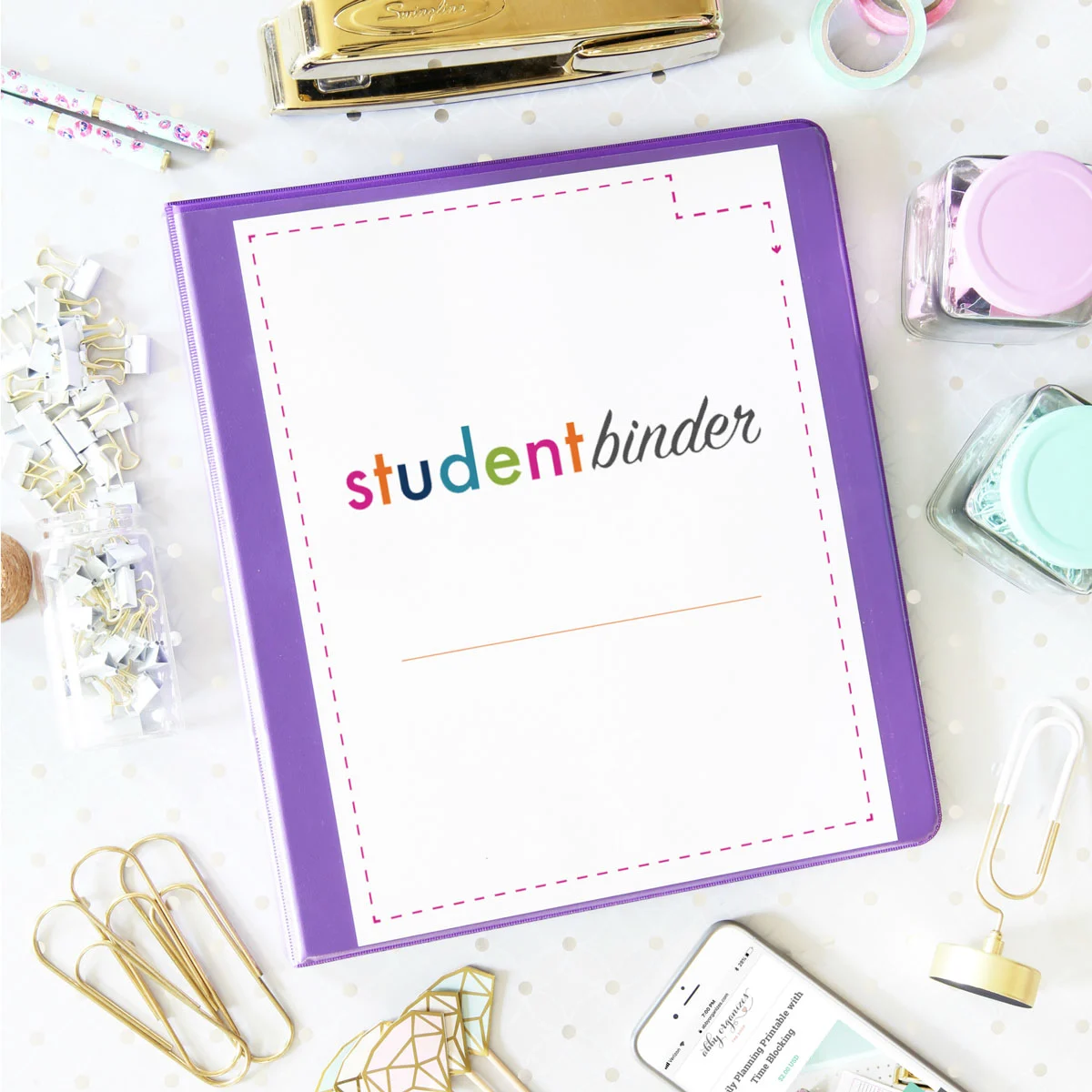
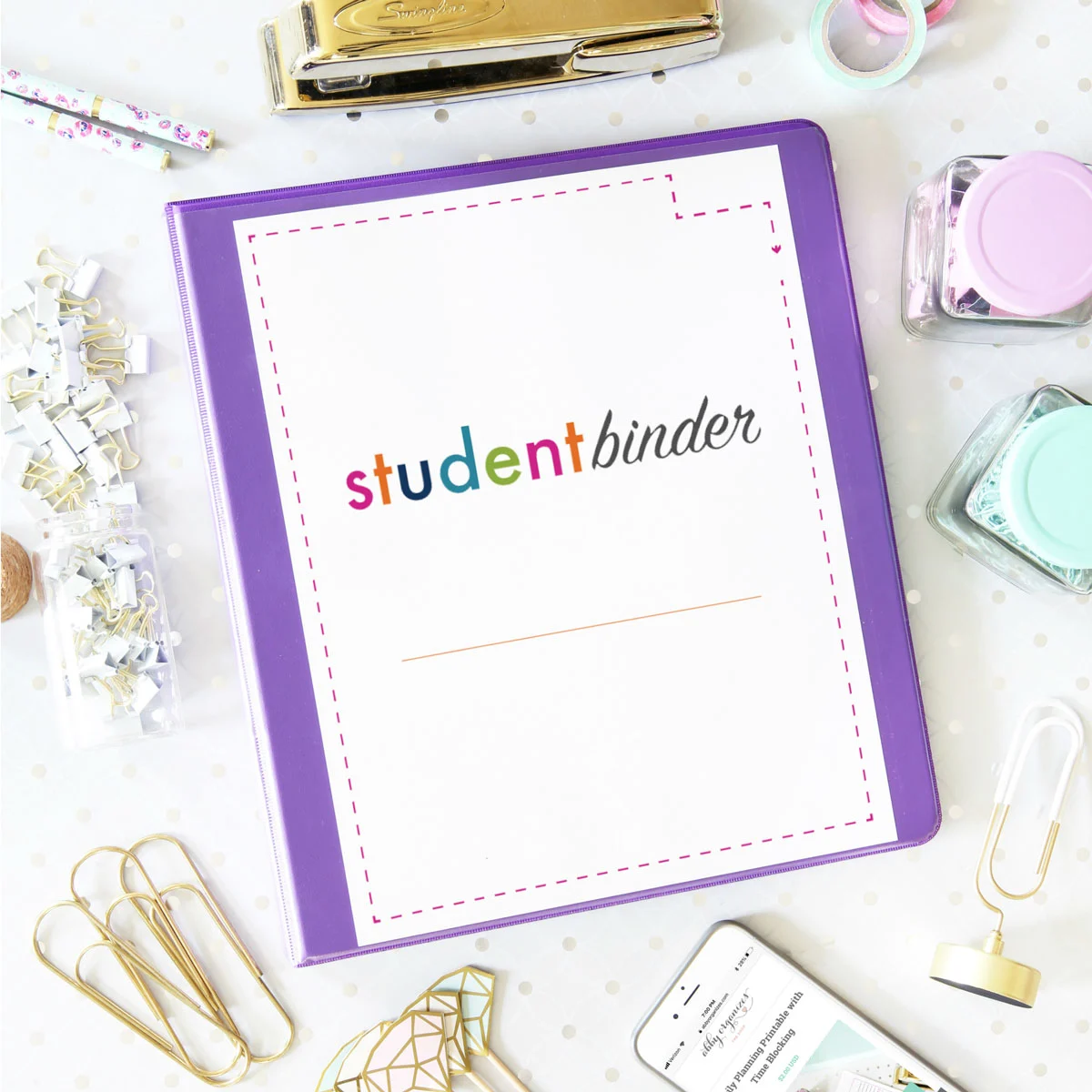
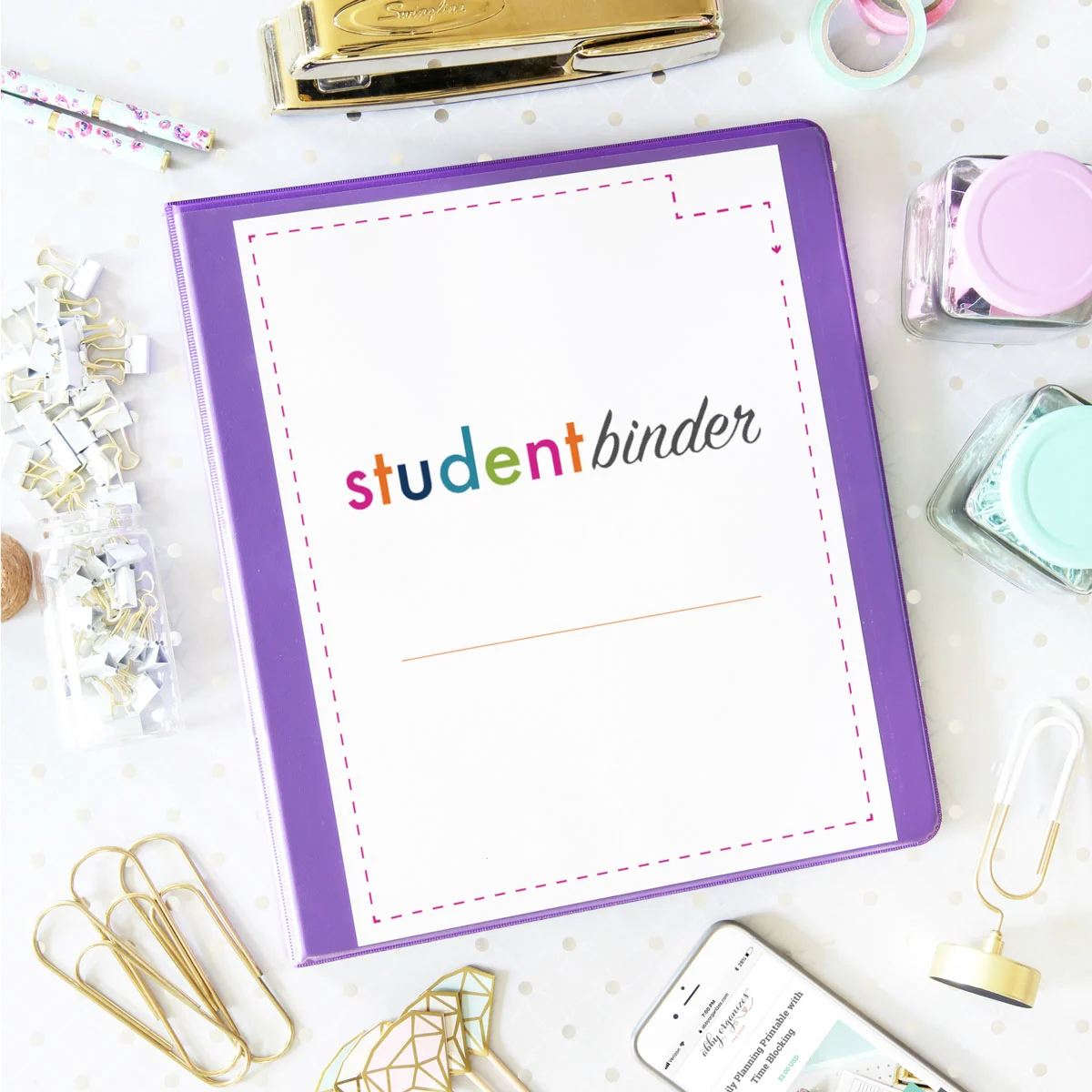
The newly launched student binder system is a completely free, highly customizable digital resource designed to help students track every facet of their academic lives. Available via the platform’s extensive Free Printable Library, the collection features over a dozen distinct layouts categorized into three core operational pillars: Planning, Tracking, and Subject Management.
Key elements of the release include:
Dual Color Schemes: To accommodate diverse aesthetic preferences and address years of requests from parents, the binder is offered in two distinct color palettes: a vibrant, signature color scheme and a clean, blue-toned alternative tailored for students (and parents) who prefer cooler hues.
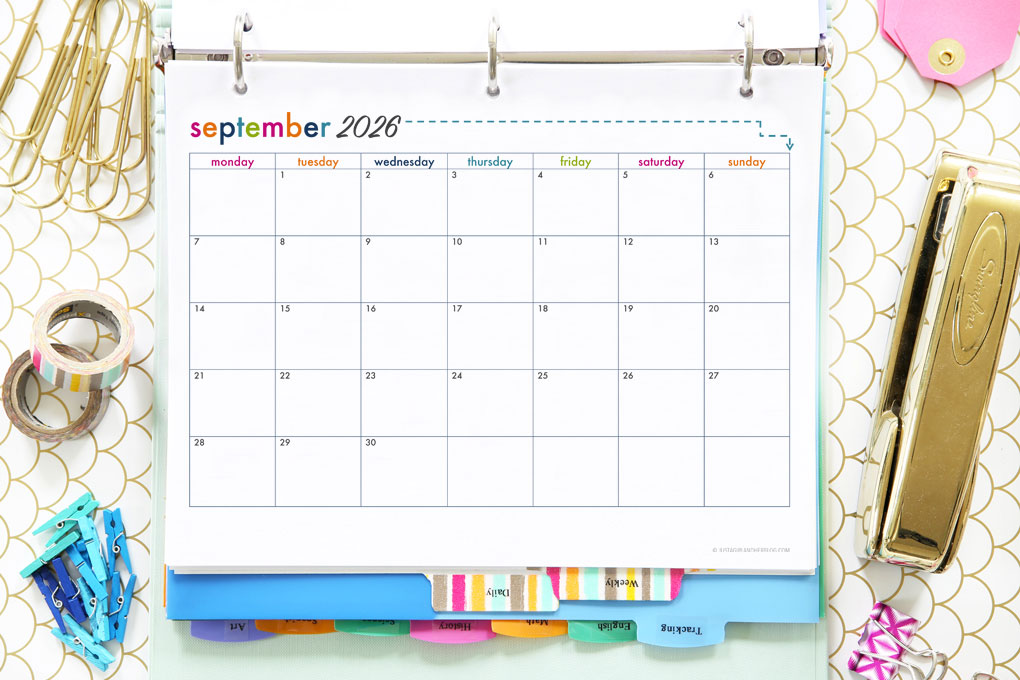
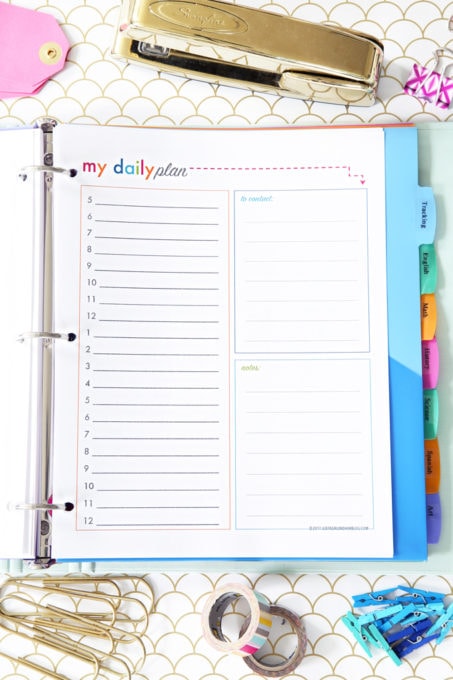
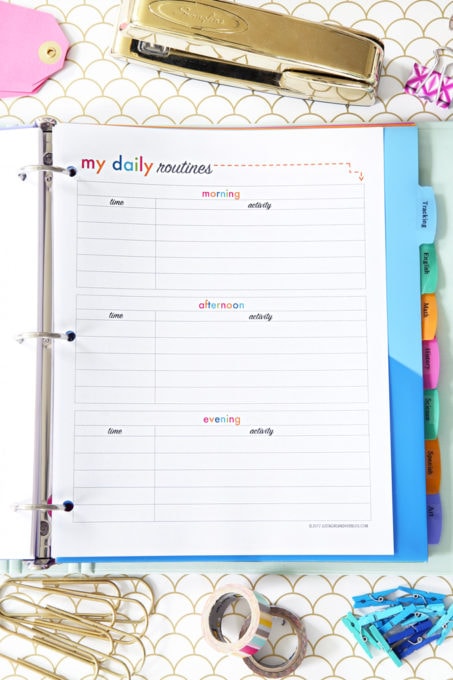
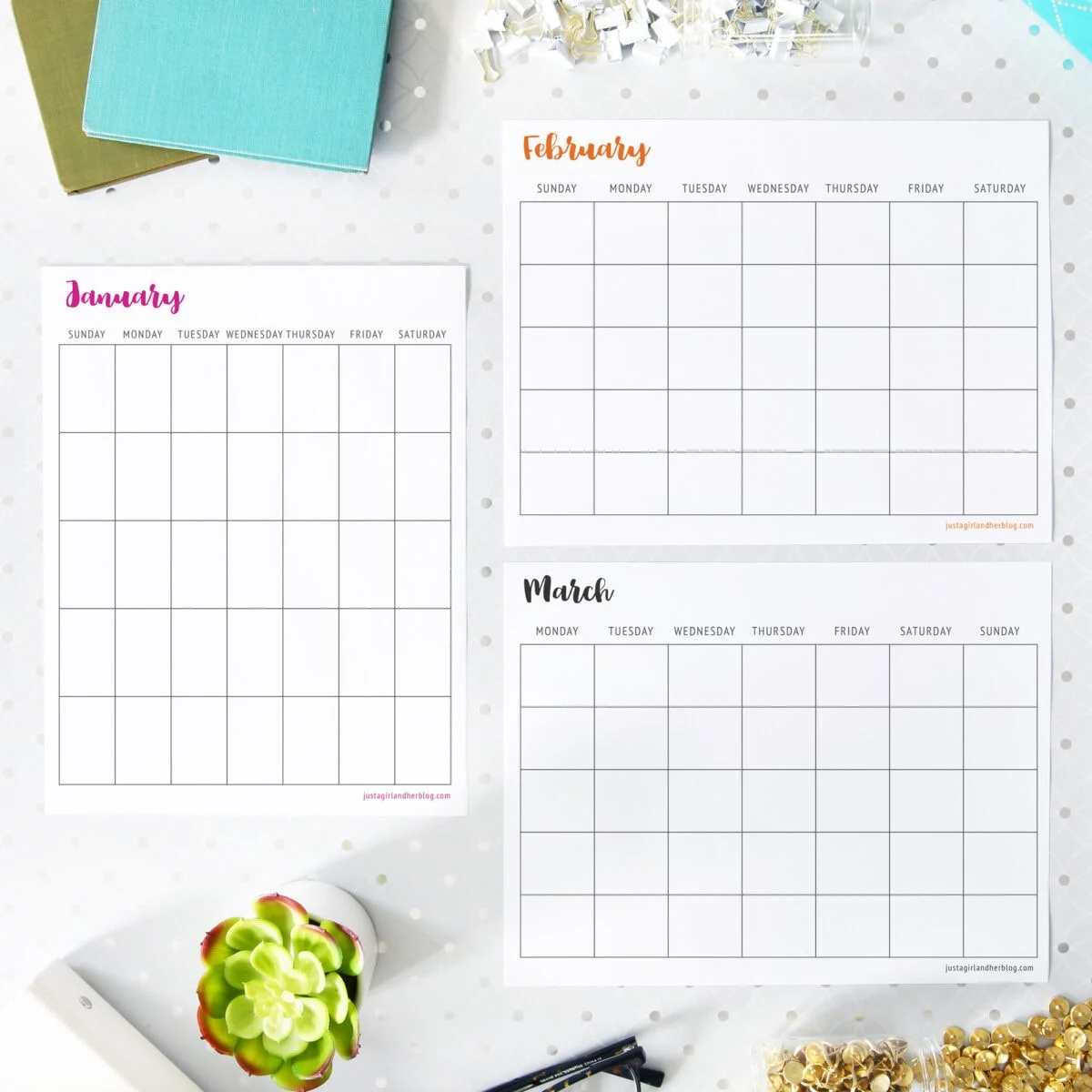
Comprehensive Time Management Tools: Ranging from dated monthly calendars extending through December 2027 to undated pages for perpetual use, the system incorporates time-blocking hourly weekly planners and daily routine trackers.
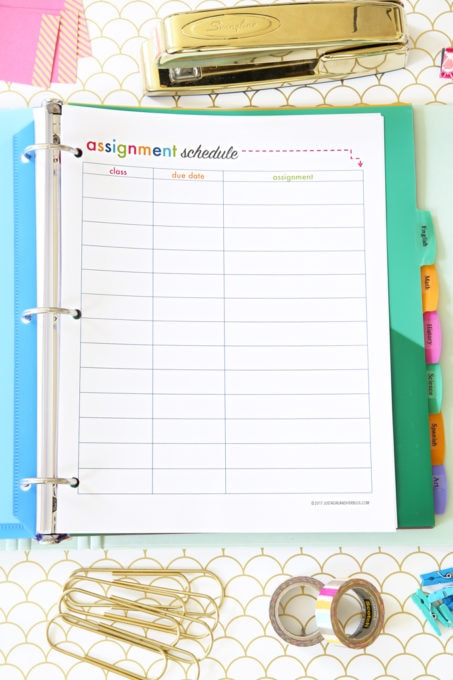
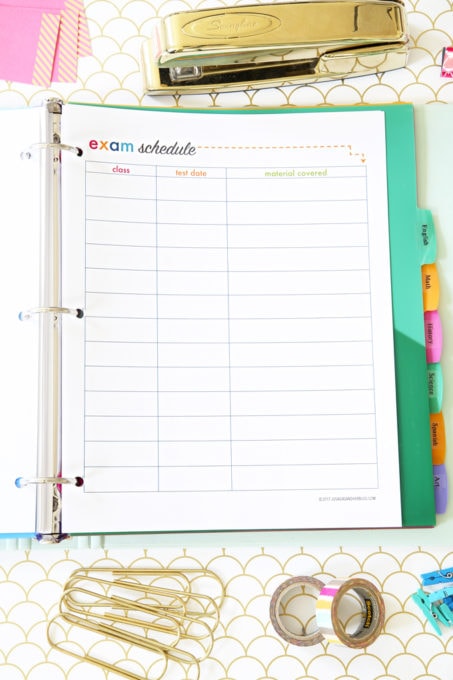
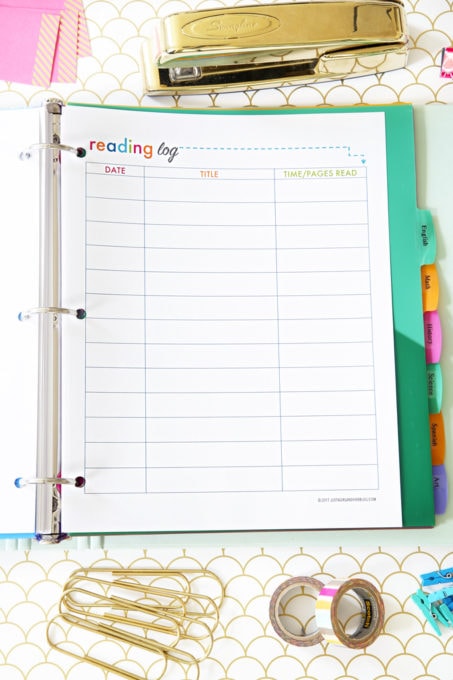
Academic Trackers: Dedicated sheets for tracking syllabi, upcoming assignment schedules, exam dates, reading logs, and cumulative grade trackers.
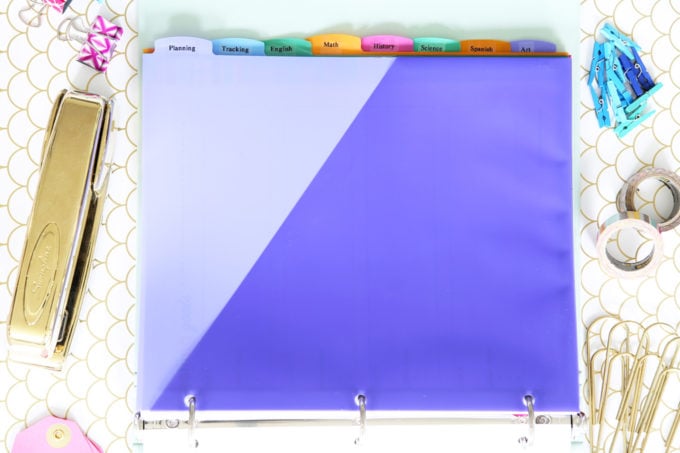
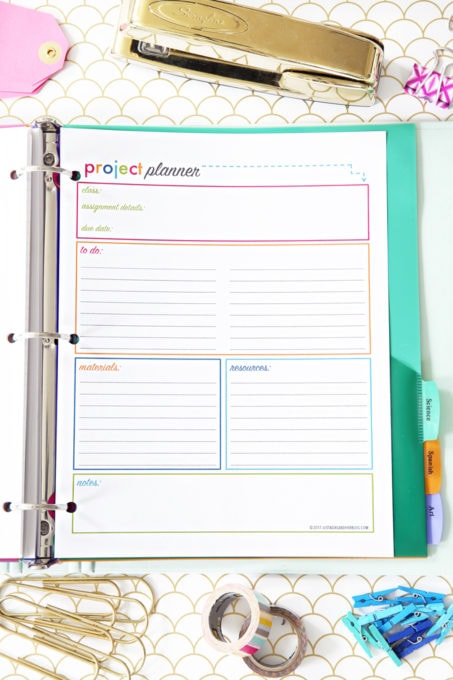
Subject-Specific Dividers: Reusable templates for class notes and complex multi-step project planners that can be duplicated for every class.
According to the creators, the overarching goal is to equip students with proactive tools rather than reactive panic, ensuring that grade surprises at the end of a semester become a relic of the past.
Chronology: The Evolution of the Ultimate Student Toolkit
The journey toward this comprehensive 2026–2027 release reflects years of iterative design driven by direct feedback from students, teachers, and parents:
Early Implementation & Initial Feedback: Years ago, educators and parents identified a major pain point in classrooms: students were receiving overwhelming volumes of syllabus information on day one without the structural framework to process it. Early iterations of the binder were launched to address basic scheduling needs.
The "Boy Mom" Feedback Loop: Following the initial rollouts, creators received a high volume of requests for neutral or non-pink colorways. This prompted the development of the secondary blue color scheme, ensuring inclusivity and broader aesthetic appeal.
Annual Refinements: Year after year, the binder has undergone continuous updates based on modern productivity methodologies—most notably incorporating time-blocking into daily and weekly schedules.
The 2026–2027 Launch: The current release integrates long-term calendar projections (spanning July 2026 to December 2027) alongside fully undated options, making it one of the most versatile digital-to-print organizational resources available online.
Supporting Data: The Science of Student Organization
While physical binders and pretty printables might seem purely aesthetic, mounting educational research underscores the vital importance of structured organization in academic achievement.
Cognitive Offloading: Psychologists note that writing down assignments, exams, and daily routines—known as "cognitive offloading"—frees up working memory, allowing students to focus mental energy on critical thinking, problem-solving, and comprehension rather than memorizing logistics.
Time Management Efficacy: Studies on university and high school retention rates consistently show that students who utilize structured time-blocking and weekly planners experience significantly lower levels of academic stress and higher grade point averages (GPAs).
Grade Transparency: According to academic counseling data, students who utilize running grade trackers are 40% less likely to experience severe grade drops at midterm or quarter evaluations, as they can spot downward trends early enough to seek tutoring or extra credit.
The Digital vs. Analog Debate: While smartphone apps dominate the tech landscape, educators frequently advocate for tactile, analog planning tools for younger demographics. Writing notes and schedules by hand has been shown to improve memory retention and comprehension compared to typing on screens.
Official Insights and Expert Perspectives
Although the resource originates from an independent lifestyle and organization blog, its design philosophy aligns closely with modern educational coaching strategies.
Former educators involved in the design process emphasize that the transition from middle school to high school, and subsequently to college, represents a massive leap in executive functioning requirements. In elementary school, teachers and parents usually manage a child’s schedule. By middle and high school, students are suddenly expected to juggle multiple teachers, differing classroom locations, conflicting project deadlines, and extracurricular activities simultaneously.
"I know I was always overwhelmed on the first day of class when I would get my syllabus from each teacher and immediately be bombarded by assignments and test dates," notes the system’s creator, a former English teacher. "The goal of these printables is to create a predictable, low-stress routine so that students can focus on learning the material rather than trying to figure out what day it is or when their next paper is due."
Education specialists further point out that involving students in the setup process—such as choosing their binder covers, printing pages on sturdy cardstock, and organizing color-coded subject tabs—fosters a sense of personal ownership and accountability over their academic journey.
Implications: Setting Students Up for Long-Term Success
The rollout of these free student binders arrives at a critical time when students face increasing pressures from academic competition, digital distractions, and packed schedules. The broader implications of adopting such an organizational system extend far beyond the classroom:
1. Building Lifelong Executive Functioning Skills
The habits formed in middle and high school—such as keeping track of deadlines, mapping out large projects into smaller action steps, and monitoring personal performance—directly translate into professional workplace skills. Time management, project planning, and routine building are core competencies demanded in nearly every modern career path.
2. Democratizing Access to Productivity Tools
In an era where commercial planner brands charge exorbitant prices for aesthetic stationery and academic agendas, providing a comprehensive, high-quality system entirely free of charge levels the playing field. Students from all economic backgrounds can access professional-grade organizational tools simply by downloading and printing the files.
3. Reducing Academic Burnout
By breaking down massive semesters into manageable weekly schedules, daily routines, and step-by-step project planners, students are less likely to fall into the trap of chronic procrastination and last-minute cramming. Lowering day-to-day friction directly contributes to improved mental health and reduced academic burnout.
How to Get Started
For students, parents, and educators looking to implement the system for the upcoming school year, putting together the binder requires minimal supplies:
A standard 3-ring binder
White cardstock (recommended for sturdy covers and subject dividers)
Colorful tab dividers (with or without pockets)
Basic stationery (pens, highlighters, and washi tape for customization)
Both full color-scheme sets can be accessed immediately by signing up via the platform’s official resource library. As families prepare to head back to school, tools like these serve as a reminder that a little bit of preparation can pave the way for a remarkably successful academic year.