
The digital journaling landscape experienced a significant shift this week as Day One, the industry-standard application for personal documentation, announced a restructuring of its subscription services. In an effort to balance legacy user needs with the burgeoning demands of artificial intelligence-assisted reflection, the company is rebranding its existing premium tier to "Day One Silver" while introducing an elite "Day One Gold" offering.
This move signals a broader trend in the productivity software sector, where developers are increasingly segmenting users based on their appetite for advanced, resource-intensive features versus those who prefer a traditional, streamlined journaling experience.
The Core Facts: A New Hierarchy of Journaling
At the heart of the announcement is the formal introduction of a three-tiered ecosystem. For the vast majority of users, the foundational experience remains unchanged:
- Day One Basic: This tier remains free and serves as an entry point for those looking to establish a consistent journaling habit without financial commitment.
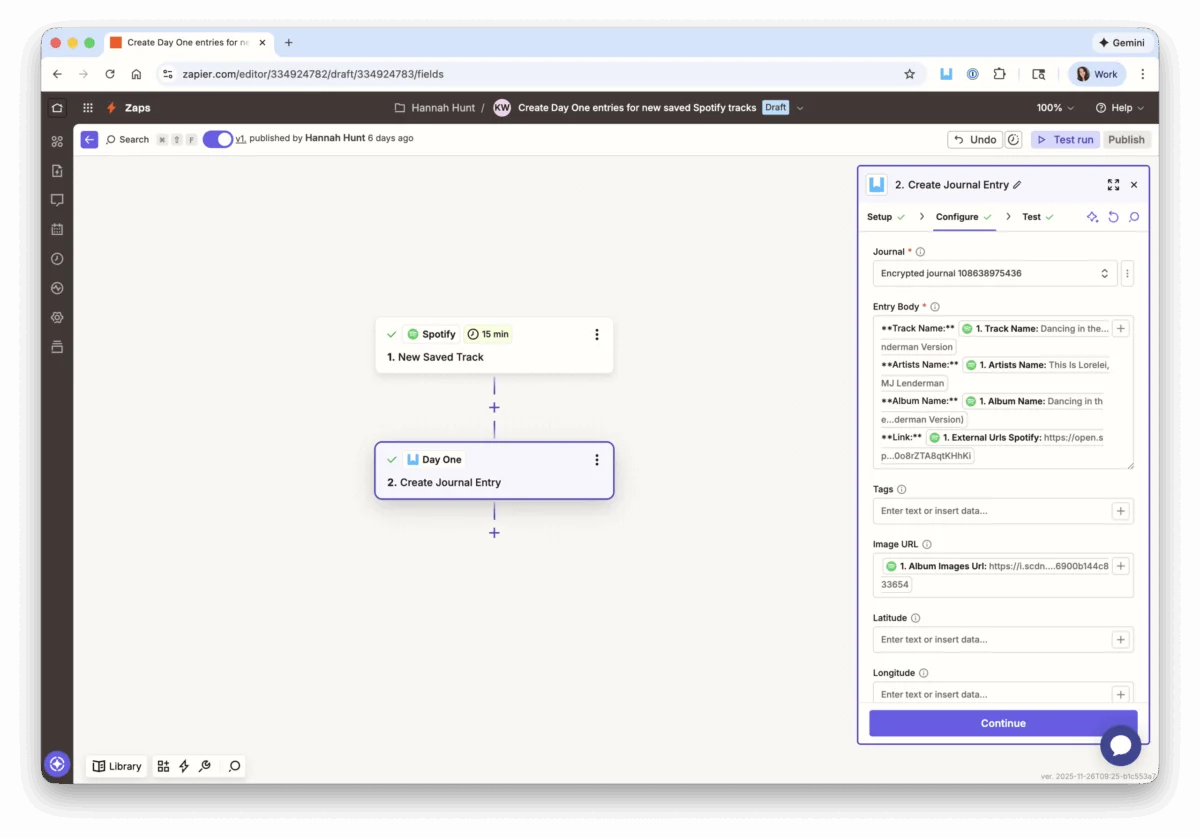
- Day One Silver: Formerly known as "Day One Premium," this tier maintains the status quo for current subscribers. It encompasses the comprehensive suite of features that have defined the app’s success, including cross-device synchronization, unlimited photo and video storage, high-fidelity audio transcription, and robust integrations with platforms like Strava, Zapier, and IFTTT. Subscribers at this level also retain their 25% discount on physical printed journals.
- Day One Gold: This new tier represents the company’s aggressive pivot toward "reflective intelligence." Gold subscribers gain access to all Silver features, augmented by AI-driven tools, deeper analytical insights, and an increased 35% discount on physical journals.
Chronology of Development: From Simple Recording to Insightful Reflection
The trajectory of Day One has always been defined by the balance between technological utility and the intimate nature of personal writing.
- The Early Years: Day One established its reputation as a "digital sanctuary," focusing on elegant design and secure, private data storage.
- The Integration Phase: In recent years, the app moved beyond text-only entries, adding multimedia support and third-party integrations to capture the "full picture" of a user’s life.
- The AI Threshold: The decision to introduce the Gold tier was not sudden. According to company insiders, the development team spent the last eighteen months prototyping how artificial intelligence could augment—rather than replace—the human reflective process.
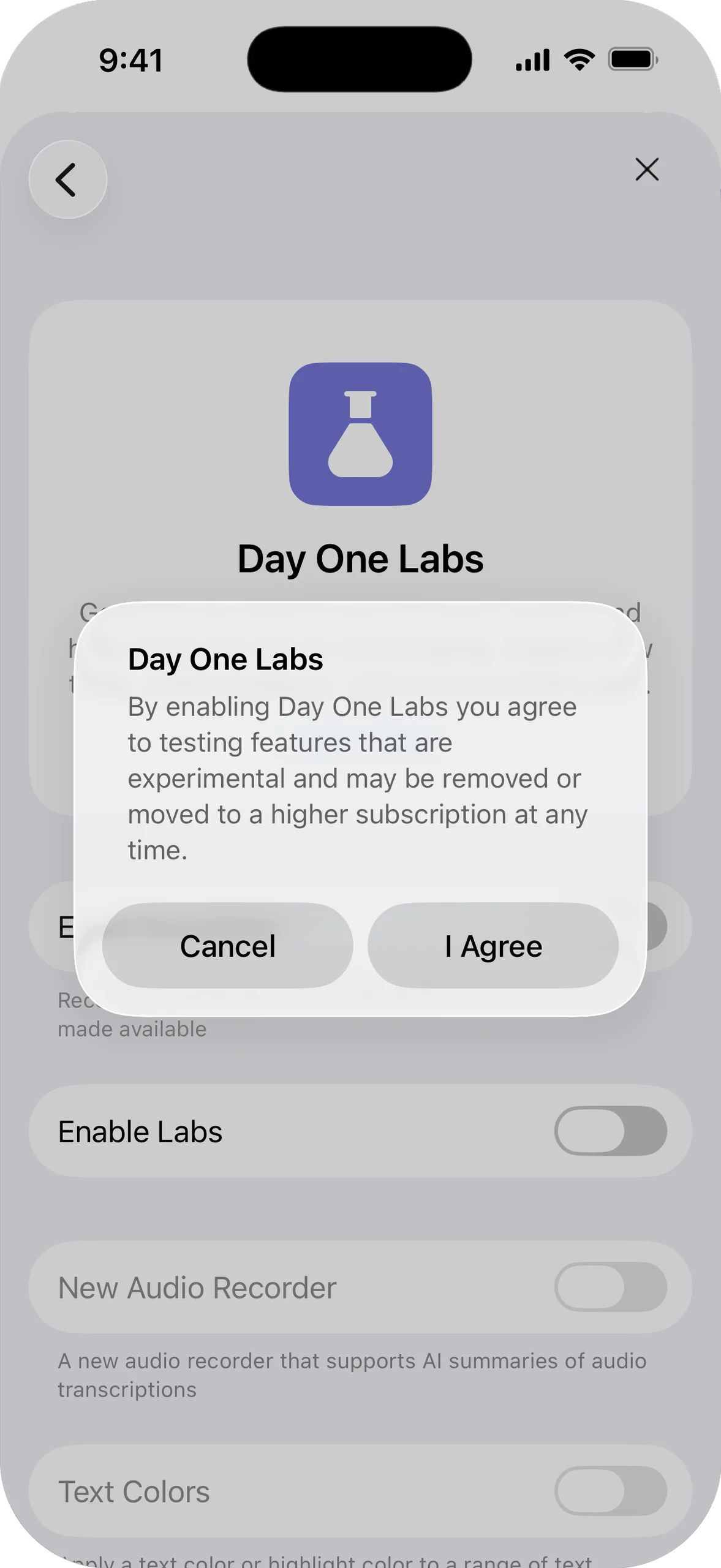
- The Launch: Following months of internal testing and "Day One Labs" experimentation, the company finalized the two-tier subscription structure in March 2026, aiming to ensure that the cost of high-compute AI features is covered by those who utilize them, without inflating the price for those who do not.
Supporting Data: Why the Shift?
The introduction of the Gold tier is fundamentally a response to the economics of generative AI. Running large language models (LLMs) and specialized reflection algorithms requires significant cloud-based computational power.
Day One’s leadership clarified that these costs are non-trivial. By creating a separate tier, the company can sustain the development of these power-intensive features while keeping the "Silver" tier at its historical price point.
Furthermore, user research conducted by the company indicated a distinct divide in their user base. One segment values the "data vault" aspect—storing memories securely—while another segment is increasingly seeking "co-pilot" features that help them synthesize their thoughts, identify patterns in their moods, and generate creative prompts to break through writer’s block. The Gold tier is designed to serve the latter group, offering tools that transform the journal from a static archive into an active tool for self-improvement.
Official Responses and Strategic Philosophy
The messaging from Day One emphasizes continuity and trust above all else. In a public statement, the company noted: "Many of you have trusted Day One with years of memories, reflections, and everyday moments. We don’t take that lightly. These changes are about making sure we can keep building something worthy of that trust."

The most critical aspect of the company’s response has been the addressing of the "Privacy Paradox." AI is often viewed with skepticism in the context of personal journals, where privacy is the paramount concern. To mitigate these fears, Day One has established a rigid policy regarding its new AI features:
- Opt-In Exclusivity: AI features are not enabled by default. Users must actively choose to engage with them.
- No Training on User Data: The company has explicitly stated that user content is never used to train its AI models. Any processing happens in a "momentary" fashion, with data discarded after the specific task (such as a reflective summary or a conversational chat) is completed.
- The "Gold vs. Silver" Promise: The company maintains that the Silver experience is "complete." There is no "feature stripping" occurring; instead, the Gold tier is additive, designed for those who want to leverage the latest technological advancements in their personal growth journey.
Implications: The Future of Digital Memory
The implications of this restructuring are far-reaching for both the user and the software industry.
For the User: The "Reflective Assistant"
The flagship feature of the Gold tier, "Daily Chat," marks a shift in how we interact with our own history. Instead of the traditional "blank page" approach, users can engage in a conversational interface that prompts them to elaborate on specific themes, such as career stress, personal milestones, or daily gratitude. By surfacing patterns—such as identifying that a user is consistently more productive on days they exercise—the software moves from being a ledger to being a coach.
For the Software Industry: Sustainable AI Monetization
Day One is effectively providing a blueprint for how SaaS (Software as a Service) companies can integrate AI without alienating their core user base. By isolating the AI costs into a premium "Gold" tier, they protect the utility of their core product. If this model proves successful, it is highly likely that other productivity suites—such as note-taking apps and task managers—will adopt similar tiered architectures to navigate the high costs of AI infrastructure.
The Balancing Act
The primary risk for Day One is "feature creep." By adding AI-powered image generation and reflective summaries, the app risks losing the minimalist aesthetic that made it a success. However, the company’s decision to keep the "Silver" tier as a pristine, distraction-free environment suggests they are acutely aware of this risk. They are betting that their users are capable of choosing their own path: the writer who wants a silent, secure place for their thoughts, or the researcher who wants an AI partner to help decode their life’s data.
Conclusion
The evolution of Day One into a two-tiered premium structure is a testament to the maturation of the journaling software market. As users move from simple recording to seeking deeper insights, the software is adapting to meet those expectations.
For the average user, the message is clear: the journal you have always known is here to stay, and it remains as reliable as ever. For those seeking to leverage the latest in artificial intelligence to better understand themselves, the "Gold" tier offers a new, experimental frontier. In an era of increasing digital noise, Day One’s commitment to privacy and intentionality remains the cornerstone of its identity, ensuring that whether you choose Silver or Gold, your memories remain your own.