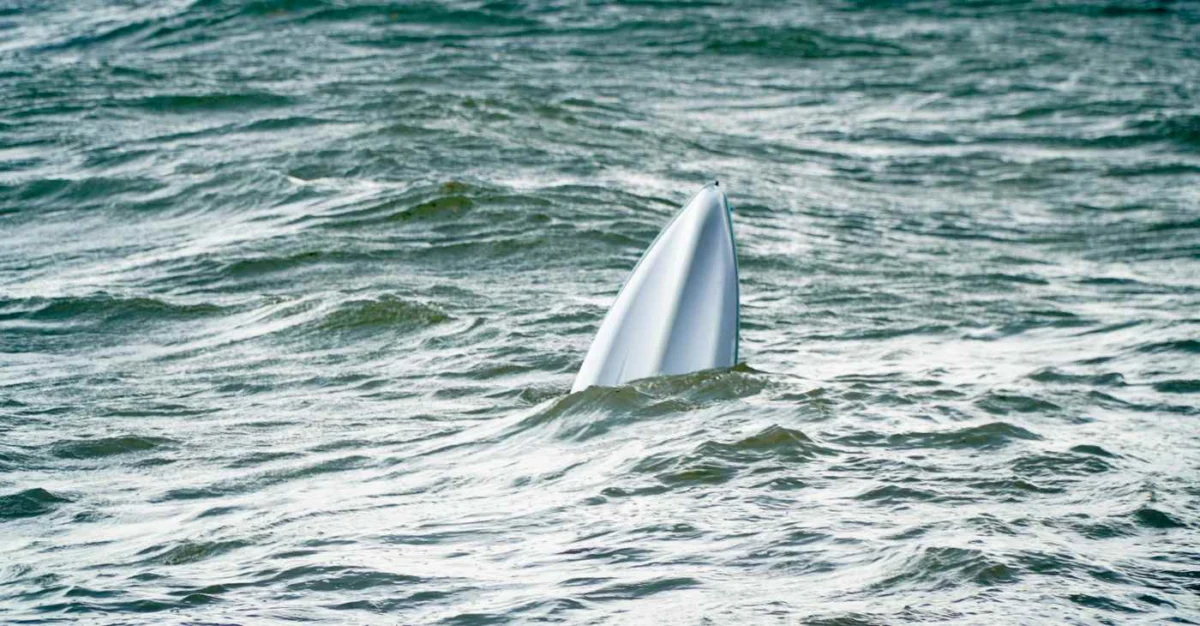
On the afternoon of July 4th, a day typically reserved for fireworks, family gatherings, and the celebration of American independence, a tranquil outing on Alvarado Lake in Midlothian, Texas, took a harrowing turn. What began as a recreational boat ride for Jason Horne, an off-duty firefighter from North Texas, quickly transformed into a high-stakes life-or-death rescue mission. In a display of profound bravery and professional intuition, Horne single-handedly intervened to save three children trapped beneath an overturned pontoon boat, an act he would later modestly characterize as the "grab of his career."
The Anatomy of an Emergency: Main Facts
The incident occurred as families across the region enjoyed the holiday on the water. According to reports from the Dallas Morning News, Horne was spending the day on his own vessel with his 12-year-old daughter when he noticed signs of distress in the distance. A jet ski and another boat were positioned near a third vessel that had capsized, leaving its occupants in immediate danger.
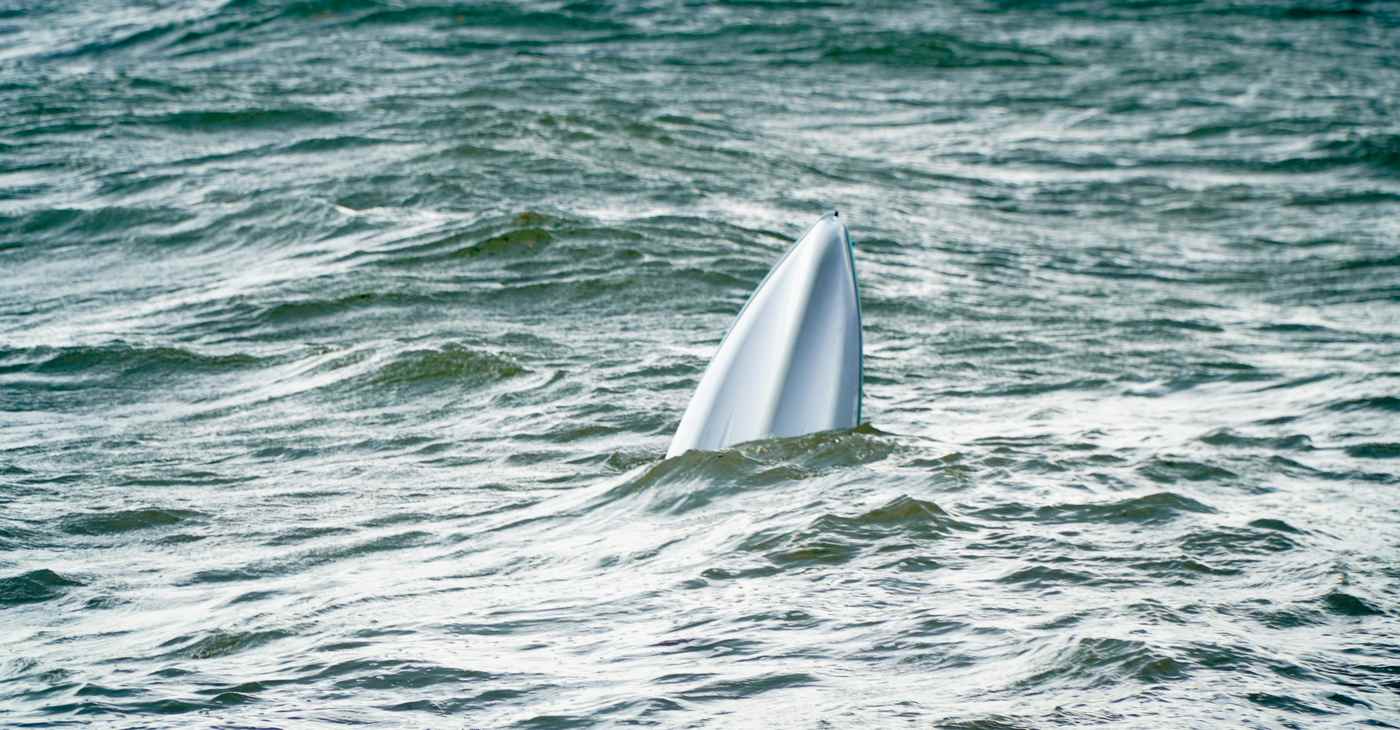
The victims—three children—had become pinned beneath the hull of the overturned pontoon. In the critical moments that followed, the presence of mind displayed by both the parents and the responding firefighter proved to be the difference between a holiday tragedy and a miraculous survival story. All three children were eventually pulled from the water, transported to local medical facilities, and, according to the Alvarado Fire Chief, have since made full recoveries.
Chronology of a Crisis
The sequence of events unfolded with terrifying speed. Horne recounted that while navigating the lake, his attention was drawn to a pilot waving frantically from a nearby jet ski. Recognizing the urgency of the situation, he instructed his daughter to remain safely on their boat while he dove into the water.
"The people were all yelling, ‘Our babies are under there,’" Horne recalled in an interview. Without hesitation, he swam to the overturned pontoon, submerged himself, and began searching for the victims.
The First "Grabs"
Under the surface, Horne discovered two of the children. Thanks to the parents’ foresight, all three children had been wearing life jackets, which kept them afloat despite being trapped in the air pocket beneath the capsized boat.
Horne successfully located the first child—a boy who was conscious but disoriented. After ensuring he was safe, Horne turned his attention to the second child, a young girl who was unresponsive. He managed to hoist her onto the top of the overturned pontoon. Climbing up beside her, he immediately began performing chest compressions, applying his professional training to clear her airways and restore circulation.
The Search for the Third Child
The situation grew more desperate when Horne learned there was a third child still trapped beneath the wreckage. He dove back into the murky, turbulent water but initially struggled to locate the child. The complexity of the scene was compounded by the debris of the boat. At this juncture, additional Good Samaritans arrived at the scene, providing the extra set of hands necessary to navigate the wreckage.
Together, they discovered the third child—a boy—who had become entangled in ropes and gear beneath the boat. Once he was retrieved and placed on the pontoon, the race against time began. As the vessels headed back toward the boat ramp, Horne continued to perform CPR on the young boy, refusing to yield until the group reached the shore.
Supporting Data and Technical Context
The "grab," a term commonly used in firefighting parlance, refers to the rapid acquisition and rescue of a victim from a hazardous environment. In structural firefighting, this often means pulling a person from a smoke-filled room; in this instance, it meant retrieving victims from a submerged, enclosed space.
The effectiveness of the rescue was dictated by three critical factors:
- The Use of Personal Flotation Devices (PFDs): The decision by the parents to equip the children with life jackets prevented them from sinking to the lake floor or becoming fully submerged in a way that would have made them impossible to reach quickly.
- Immediate Intervention: Horne’s ability to transition from "leisure mode" to "emergency response" within seconds minimized the duration of oxygen deprivation for the victims.
- Collaborative Effort: The transition from a solo rescue to a coordinated effort with other boaters highlights the vital role of bystander intervention in aquatic emergencies.
Official Responses and Medical Outcomes
Following the arrival at the boat ramp, the victims were transferred to the care of waiting emergency medical services (EMS). The Alvarado Fire Chief confirmed in a subsequent news release that all three children were stabilized and treated at a nearby hospital. Their survival is being attributed directly to the rapid, decisive actions taken on the water before professional equipment could be deployed.
While the community and the media have hailed Horne as a hero, the firefighter himself has remained remarkably humble. When contacted by the family of the children, who expressed their eternal gratitude for his intervention, Horne insisted that he was simply acting on instinct. "I was just trying to help those people," he stated, rejecting the label of hero.
Implications for Public Safety
This incident serves as a stark reminder of the dangers associated with recreational boating, particularly on busy holidays when water traffic is high and the potential for collisions or capsizing increases.
Water Safety Takeaways:
- Always Wear Life Jackets: As demonstrated in this incident, life jackets are the single most effective tool for preventing drowning.
- Situational Awareness: Horne’s ability to recognize the distress signal from a distance was a critical component of the response. Boaters should be trained to identify signs of distress, such as frantic waving or boats in unusual positions.
- The Importance of CPR Training: The fact that Horne was able to perform effective CPR while on a moving, unstable platform like a capsized pontoon highlights the necessity of universal training in life-saving techniques.
The story of the Alvarado Lake rescue is a powerful testament to the fact that first responders are never truly "off duty." The commitment to service, ingrained through years of rigorous training, remains a constant part of their identity.
Jason Horne’s actions on July 4th have sparked a broader conversation about the necessity of civilian preparedness. While not every citizen is a professional firefighter, the ability to perform basic life-saving maneuvers or to act as a coordinated unit in an emergency can fundamentally change the trajectory of an accident.
As the summer season continues, officials are urging all boaters to review their safety protocols and ensure that all passengers—regardless of age or swimming ability—are equipped with appropriate safety gear. The "grab of his career," as Horne calls it, will undoubtedly serve as a case study for the importance of quick, calm, and decisive action in the face of sudden, catastrophic loss.
The rescued children are currently home with their families, a fact that stands as the ultimate achievement for a man who, on a quiet holiday afternoon, chose to answer the call of duty despite having no obligation to do so. In the end, the impact of his actions transcends the label of "hero," representing a profound affirmation of the human desire to protect and preserve life at all costs.