
In an era defined by constant connectivity and the relentless pace of digital noise, the ancient practice of journaling is experiencing a profound renaissance. For many, the act of putting pen to paper—or, increasingly, fingers to screen—has evolved from a simple hobby into a critical tool for mental clarity and emotional regulation. At the forefront of this movement is Day One, a leading digital journaling platform that recently launched a new initiative to document how users are integrating reflection into their daily lives.
The company’s inaugural customer spotlight features Katie Seaman, a renowned mindfulness educator and coach, whose daily practice serves as a testament to the transformative power of intentional documentation. By shifting the focus from feature lists and technical specifications to the human experience, Day One is highlighting a growing trend: that the most powerful technology is often that which helps us better understand our own internal narratives.
The Core Philosophy: Journaling as a Mindfulness Practice
For Katie Seaman, journaling is far more than a repository for daily events; it is a dedicated space for presence. "Journaling is very similar to mindfulness," Seaman explains. "It offers us an opportunity to pause and notice how we are in the present moment."
This perspective aligns with the broader psychological consensus that expressive writing can act as a bridge between chaotic thought patterns and structured self-awareness. By formalizing the act of reflection, individuals like Seaman are able to externalize their internal state, creating a tangible record that fosters a sense of groundedness. In her practice, Day One functions not as an intrusive digital layer, but as a "trusted companion," a quiet space where she can process the complexities of her life without the distractions of social media or email.
Chronology of a Practice: From Habit to Archive
Seaman’s journey with journaling is a multi-layered process that has matured over time. While the digital convenience of the Day One app allows for instantaneous capture, she has also embraced the tactile nature of analog preservation.
The Evolution of the Routine
- The Daily Anchor: Seaman began with the goal of consistency, using the app to capture small, fleeting moments of the day. This established the neurological habit of reflection.
- Reflective Integration: As her practice deepened, the entries shifted from mere documentation of events to active analysis of emotions and mindfulness techniques.
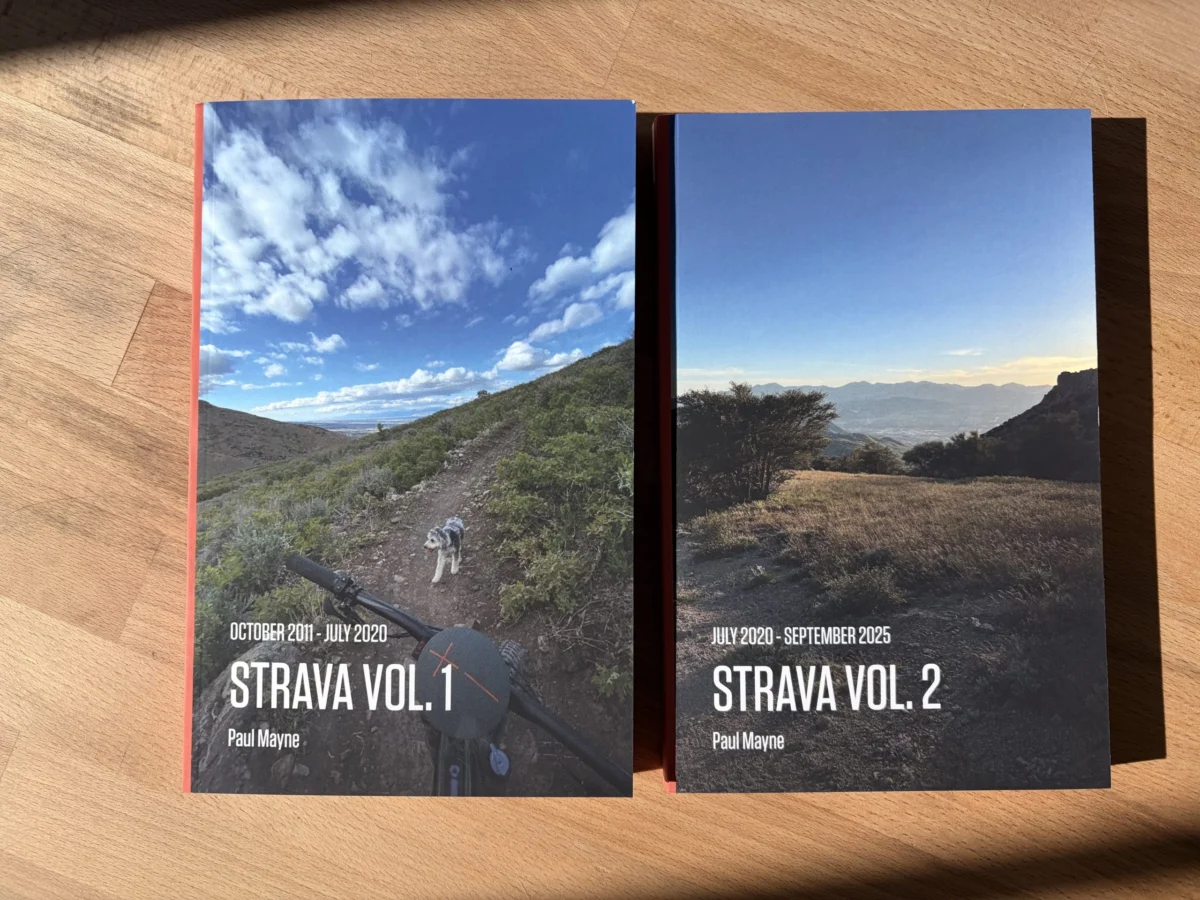
- The Tangible Archive: A significant milestone in her journey was the decision to print an entire year of her digital entries. This move underscored the importance of legacy; by creating a physical book from her digital archives, she transformed ephemeral thoughts into a permanent, readable record of her personal growth.
This transition from digital entry to physical artifact represents a hybrid approach to modern archiving. It suggests that while technology provides the ease required to sustain a habit in a fast-paced world, the value of that habit is often realized when the data is consolidated into a narrative that can be held and reflected upon.
Supporting Data: The Science of Intentional Reflection
While the story of Katie Seaman is anecdotal, it is supported by a burgeoning body of research regarding the psychological benefits of journaling. Studies in expressive writing consistently show that the act of writing about one’s experiences can lead to reduced stress, improved emotional regulation, and even tangible improvements in physical health.
- Cognitive Offloading: By "dumping" thoughts into a digital journal, users report a decrease in the cognitive load required to hold onto complex emotions or to-do lists, effectively freeing up mental bandwidth.
- The "Pause" Effect: Seaman’s emphasis on the "pause" reflects the core tenet of mindfulness-based cognitive therapy. The act of writing forces the brain to slow down, shifting from an automatic, reactive state to a deliberate, analytical one.
- Longitudinal Perspective: The ability to look back at previous entries—a feature simplified by digital platforms—allows for "temporal distancing." This enables individuals to see their current challenges as part of a larger, evolving narrative, often reducing the severity of perceived problems.
Official Perspectives: A Shift in Brand Strategy
The launch of the "Customer Stories" video series represents a strategic pivot for the team behind Day One. In a market saturated with productivity tools and self-improvement apps, the company is betting that the emotional resonance of user stories will serve as a stronger driver for adoption than a laundry list of software capabilities.
"At Day One, we believe journaling is more than a habit—it’s a way of showing up to your life," a spokesperson for the company noted. By moving away from technical marketing, the company is positioning itself as a partner in the "mindfulness economy." This shift recognizes that users are not just looking for a place to store data; they are looking for a framework to improve their quality of life.

The decision to pair the video content with a deep-dive interview on The Day One Podcast further reinforces this strategy. By offering long-form audio content, the company creates a multi-sensory experience that mirrors the mindfulness practices they advocate. It allows the audience to hear the nuance in Seaman’s voice as she discusses the challenges of staying grounded, effectively building a community of practice rather than just a user base.
Implications for the Future of Personal Tech
The implications of this shift are significant for both the technology sector and the individual user. As AI and automation continue to permeate every aspect of our digital lives, there is a counter-movement toward "slow tech"—tools that encourage deceleration, thoughtfulness, and human connection.
1. The Humanization of Data
As users become more wary of how their data is used by large tech conglomerates, there is an increasing demand for "personal-first" applications. Apps that prioritize private, introspective data—such as journals—are increasingly viewed as essential, safe havens.
2. The Integration of Analog and Digital
Seaman’s practice of printing her journals highlights a growing trend of "phygital" (physical-digital) interaction. Users are no longer content with data that lives solely in the cloud. They want the convenience of digital search and metadata tagging, combined with the permanence and intimacy of physical media.
3. Clarity as a Competitive Advantage
In a world of information overload, the companies that provide the most clarity, rather than the most features, will likely win the long-term loyalty of users. The move by Day One to emphasize clarity, meaning, and self-awareness suggests that the next generation of successful apps will be those that solve for human fragmentation rather than just time management.
Conclusion: Living with Greater Intentionality
The story of Katie Seaman is not merely about using an app; it is about the radical act of paying attention to one’s own existence. In an age where life is often lived on autopilot, the decision to document, reflect, and review is a revolutionary act.
As the team at Day One continues to roll out their new series, they provide a roadmap for others seeking to build similar practices. Whether through audio, text, or image, the goal remains the same: to foster a greater sense of self-awareness.
For those looking to start their own journey, the barriers to entry have never been lower. As Seaman’s experience illustrates, the most profound changes in life often stem from the smallest, most consistent daily choices. By capturing the present, we secure the past and prepare for the future, ensuring that we are not just moving through our lives, but truly showing up for them.
As we move forward into a year characterized by increasing uncertainty and rapid change, the ability to anchor oneself in the present—to pause, notice, and record—may prove to be the most vital skill of all. The invitation is open: the page is blank, the tools are accessible, and the only requirement is the willingness to begin.