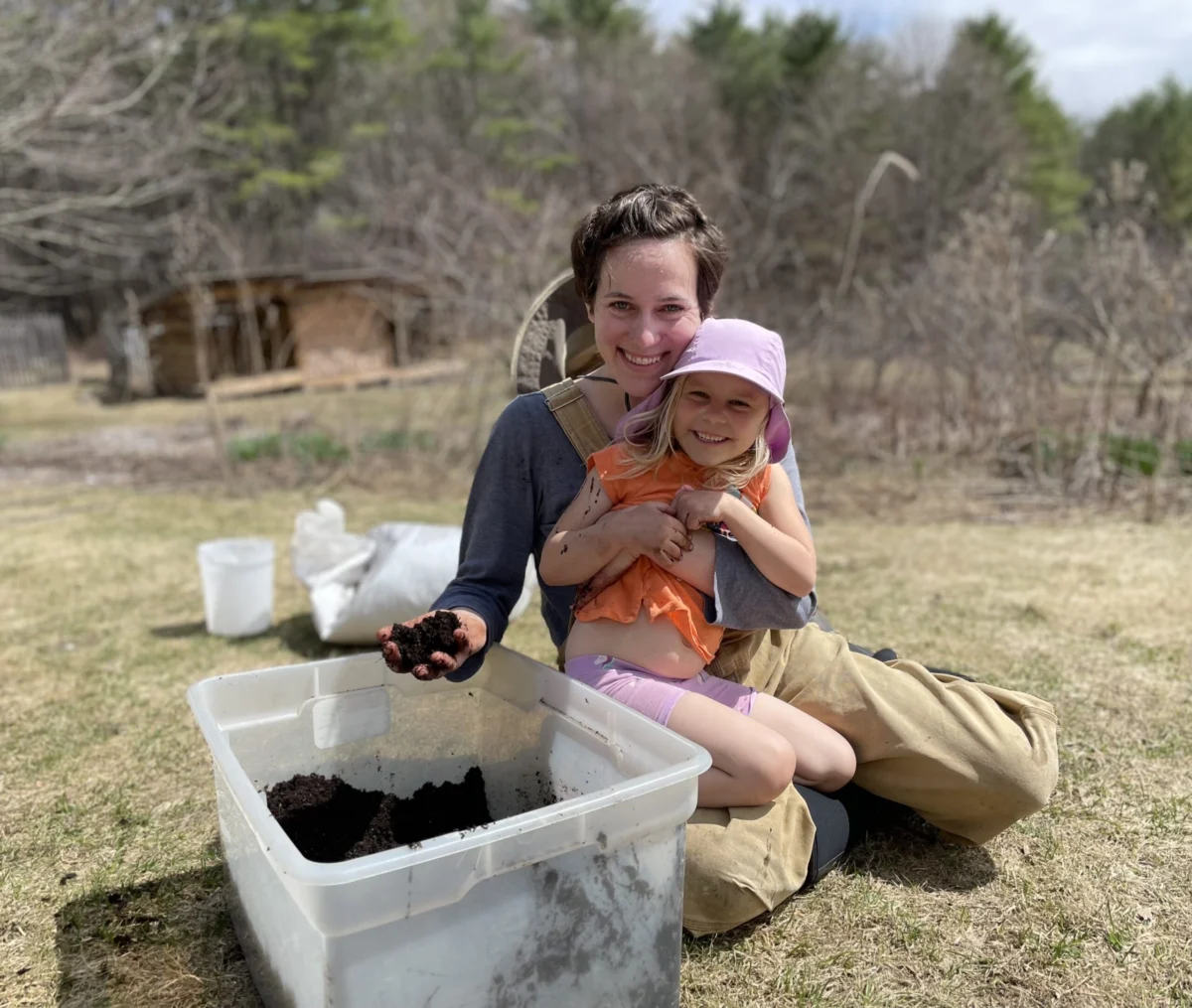
In May 2016, the authors behind the popular personal finance and lifestyle blog Frugalwoods traded the urban hustle of city life for a 66-acre homestead in the rural woodlands of Vermont. The move was fueled by a desire for autonomy, sustainability, and a departure from the traditional rat race. However, seven years into their rural residency, the couple is pulling back the curtain on the discrepancy between the "homesteading fantasy" and the grueling reality of self-sufficiency.
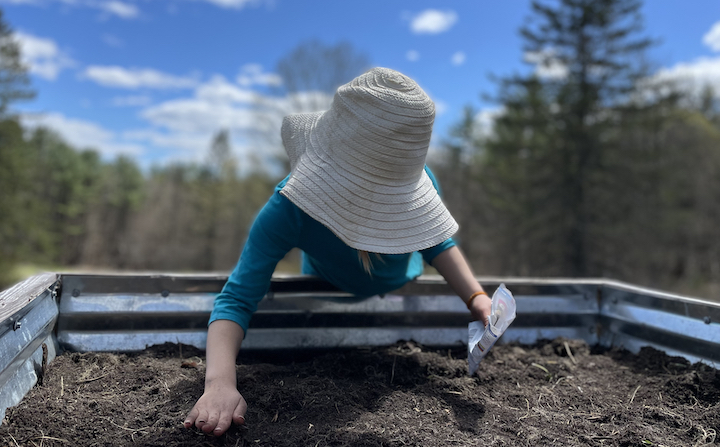
The primary lesson learned? The romanticized notion of absolute self-sufficiency—growing, harvesting, and preserving every calorie consumed—is often a path to burnout rather than bliss.
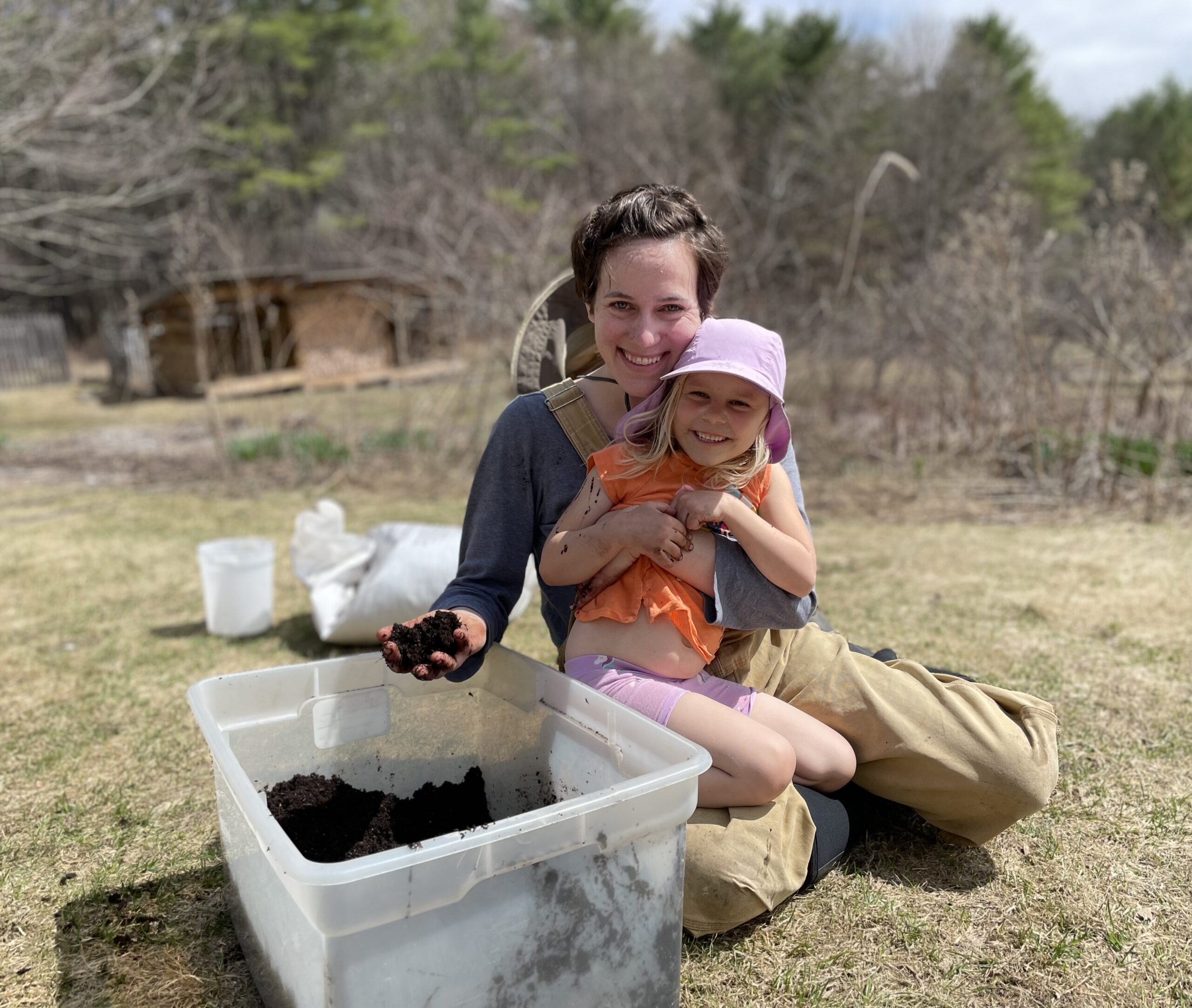
The Myth of the Modern Homesteader
Before transplanting their lives to the Vermont woods, the Frugalwoods team harbored a vision of a self-contained existence. This vision included a sprawling garden, a larder stocked with preserved goods, and a quiet, sustainable life reminiscent of Little House on the Prairie, albeit with the benefits of modern medicine and gender equality.

They imagined a life where they would raise meat chickens, keep pigs, maintain a dairy cow for home-churned butter, and subsist entirely on the yields of their own land. While they acknowledge that this lifestyle is objectively possible, they have come to a stark realization: it is not a lifestyle they are destined for, nor one they truly desire.

The central conflict arose when the couple discovered that full-time, subsistence-level gardening is, in effect, another "day job." By attempting to chain themselves to the rhythm of the garden, they inadvertently recreated the very pressures they had moved to the woods to escape.

A Chronology of Growth and Realization
The journey from city dwellers to seasoned homesteaders has been marked by several distinct phases of trial, error, and eventual recalibration.

- 2016: The transition to the 66-acre homestead. Initial excitement leads to the establishment of the first "big" vegetable garden, laying the groundwork for a massive, albeit naive, agricultural experiment.
- 2018: The "Kale and Chard Apocalypse." This was the turning point for the family. Following a bumper crop of 80 plants, the logistical nightmare of harvesting, washing, and processing these greens—which eventually required a child’s plastic swimming pool to manage—forced a re-evaluation of their goals.
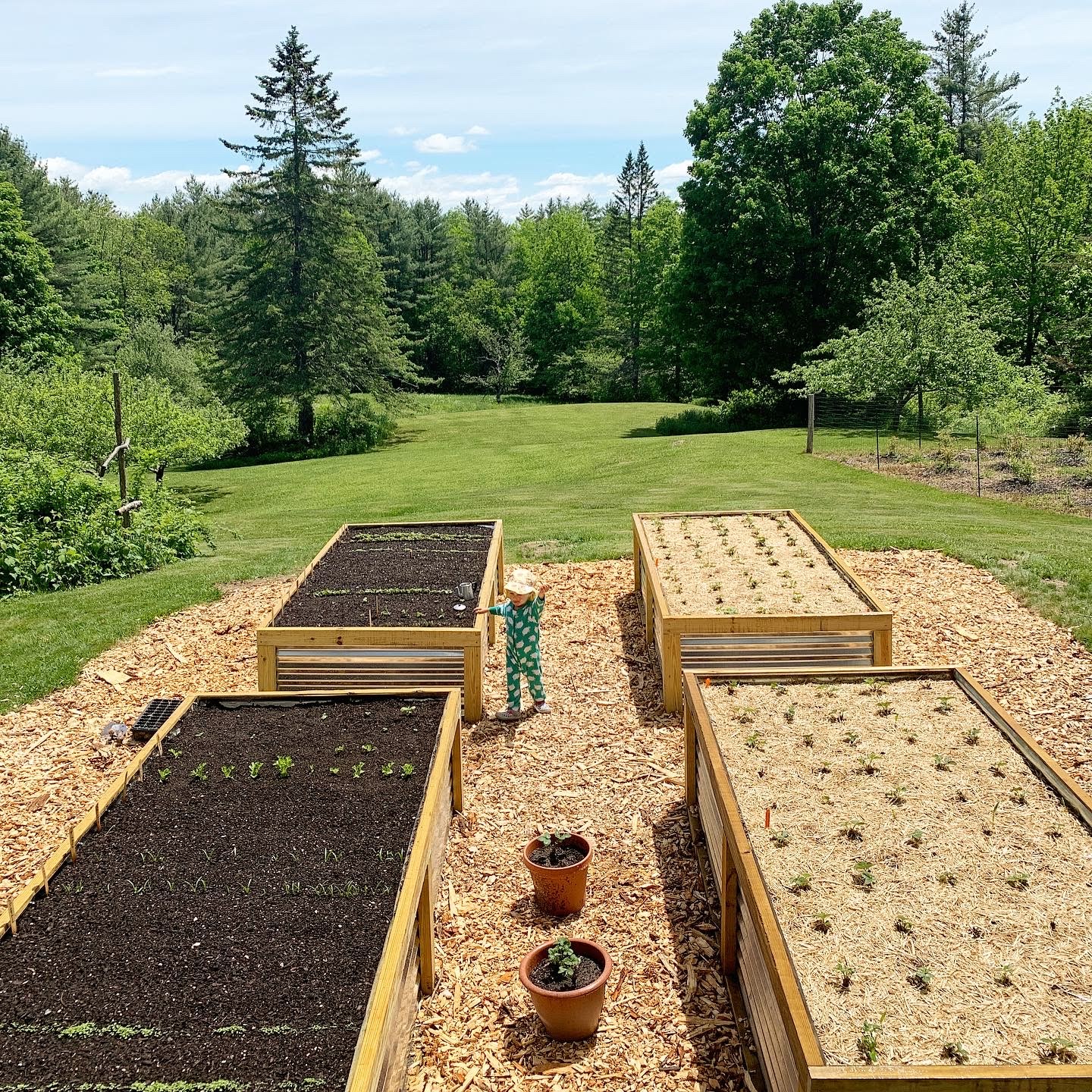
- 2020: A shift toward infrastructure. The couple moved away from massive, unmanageable plots and toward more sustainable, localized gardening, including the construction of raised beds situated closer to the main house for convenience.
- 2023: The era of "Balance." Seven years in, the Frugalwoods have accepted that they are not subsistence farmers. They have shifted their focus to "gardening for pleasure" rather than "gardening for survival."
The Economics of Effort: Supporting Local Agriculture
A crucial implication of this evolution is the couple’s newfound appreciation for their neighbors. Rather than feeling the guilt of failing to produce every carrot and tomato, they have embraced the role of the consumer, opting to purchase food from local farmers who have made the professional commitment to large-scale agriculture.

This change in perspective highlights a key economic truth often overlooked by aspiring homesteaders: the opportunity cost of labor. For the Frugalwoods, the time spent "chaining" themselves to the garden is time lost from family activities, hiking, and community engagement. By offloading the most labor-intensive food production to local experts, they preserve the "joy, time, freedom, and space" that were the original catalysts for their move.

Navigating the "Clever Varmint Patrol"
Beyond the labor of processing, the physical challenges of the land have proven to be a formidable adversary. The family refers to the local wildlife as the "Clever Varmint Patrol" (CVP).

The CVP has become a major factor in the family’s agricultural data. Every plum, cherry, or berry crop that ripens is often snatched by wildlife the moment it reaches its peak. Despite investing in various protective measures, such as netting and fencing, the results have been mixed. The reality of rural gardening is that the wildlife is often better at harvesting the fruit than the human inhabitants. This has taught the family to manage expectations regarding yield; when the environment or the local fauna wins, it is simply accepted as part of the rural ecosystem.
The Reality of Preservation
The process of canning and preserving food is perhaps the most romanticized aspect of the homesteading movement. However, the Frugalwoods underscore the physical and mental toll of this work.

Processing a single crop requires hours of standing, lifting, and managing heat in the kitchen—all while managing the needs of young children. Their experience with the "Kale and Chard Apocalypse" served as a cautionary tale; they found themselves with a surplus that they could not consume before it spoiled. This led to a demoralizing, yet necessary, lesson: there is a limit to how much food a family can realistically store and consume. They have since abandoned the goal of massive, long-term stockpiling in favor of moderate, enjoyable preservation.

Implications for Future Homesteaders
The Frugalwoods’ experience offers a masterclass in realistic expectations. Their "Showdown" between their "Old Self" and "Current Self" serves as a warning against the pressure of perfectionism.

Key Takeaways for Aspiring Rural Residents:
- Avoid the "Perfectionism Trap": You do not need to be a perfect homesteader to live a rural life. The goal should be personal fulfillment, not replicating an Instagram-ready lifestyle.
- Infrastructure Matters: Build systems (like raised beds near the house) that make gardening easier and more accessible, rather than creating a sprawling, high-maintenance plot that feels like an obligation.
- Know Your Capacity: It is okay to grow a little bit of this and a little bit of that. Gardening should not be a source of anxiety; if it starts to mirror the stress of an office job, it is time to scale back.
- Acceptance is Essential: Accept that sometimes the wildlife will eat your crops, the weather will ruin a harvest, and you will not have time to can every last vegetable. Embracing these failures is part of the rural experience.
Conclusion: Finding the Middle Path
As the Frugalwoods enter their eighth year of rural life, their approach to gardening has shifted from a rigid, industrial-scale mandate to a flexible, hobby-oriented practice. They continue to maintain raised beds, a small vegetable garden, and a variety of perennial fruit trees, but the frantic urgency of the early years has dissipated.

By letting go of the self-imposed pressure to be "perfect" homesteaders, the family has reclaimed their time and restored the balance they initially sought. The lesson is clear: for those considering a move to the woods, the greatest success is not measured in the number of mason jars on a shelf, but in the freedom to choose how you spend your days. The garden remains, but it no longer defines them—it merely accompanies them in their life of rural independence.