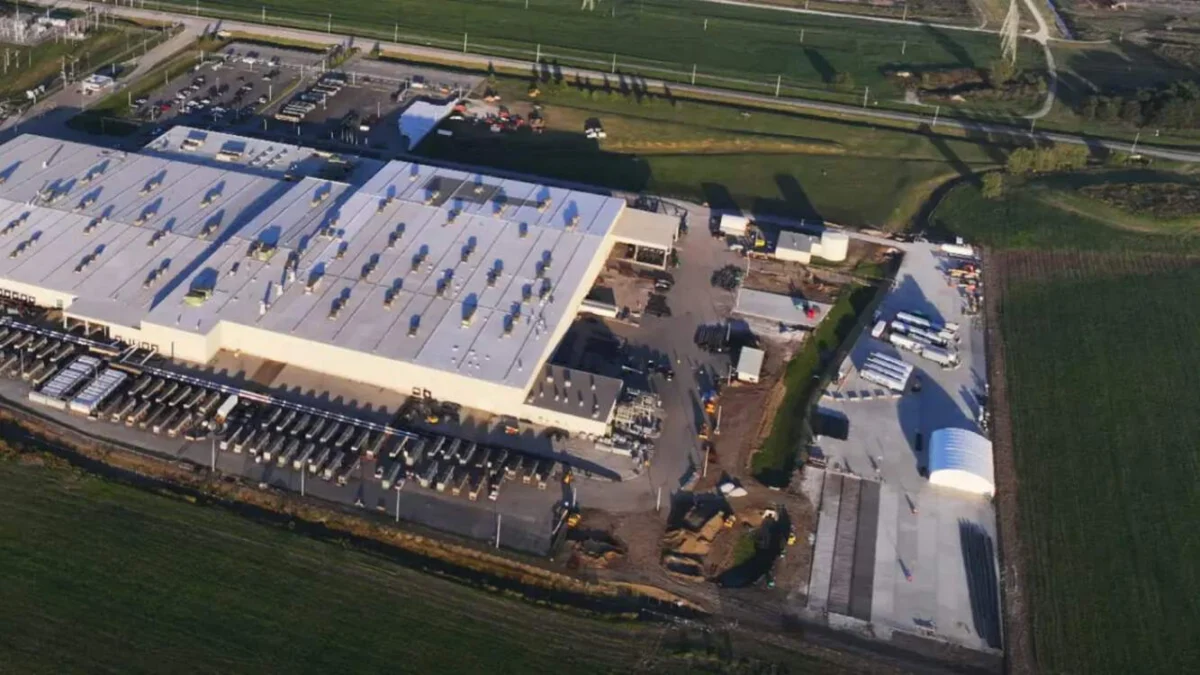
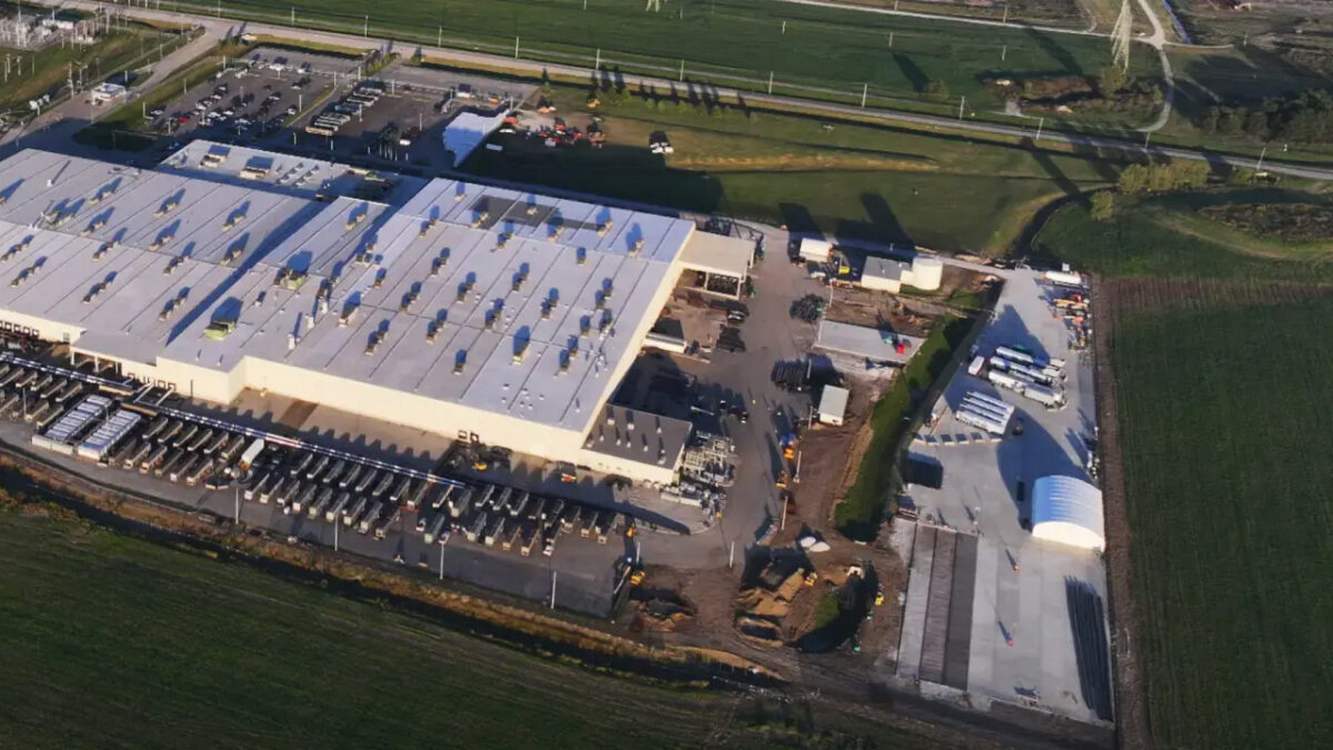
The rapid proliferation of artificial intelligence, machine learning, and cloud computing has necessitated a massive physical expansion of digital infrastructure. Across the United States, sprawling data centers—often referred to as the “factories of the 21st century”—have been popping up in rural and suburban landscapes alike. However, as these facilities consume vast quantities of electricity and water, a new political reality is emerging. In a coordinated shift in policy, several U.S. states have recently moved to terminate long-standing sales tax exemptions for data center operators, signaling that the era of “tax-free” digital expansion may be coming to a close.
Arizona, Washington, and Pennsylvania have all recently enacted legislation aimed at curbing tax incentives that were originally designed to lure tech giants to their regions. As public concerns over energy grid reliability and the environmental footprint of these facilities mount, state legislatures are finding bipartisan support for ending subsidies that were once considered essential for economic development.
The Economic Context: Why the Incentives Existed
To understand the current legislative reversal, one must look back to the early 2010s. When the cloud computing boom began, states were desperate to attract data centers. These facilities promised long-term investment, high-paying IT jobs, and a boost to local tax bases. To compete for these projects, state legislatures across the country offered aggressive tax breaks, most notably exemptions on sales taxes for the massive amounts of hardware—servers, cooling systems, and backup generators—required to build and maintain these facilities.
For over a decade, this “race to the bottom” was standard operating procedure. States reasoned that even with the tax breaks, the construction phase and the ongoing utility payments would provide enough economic benefit to justify the foregone tax revenue. However, the rise of generative AI has fundamentally altered the economics of these facilities. Today’s data centers are significantly more power-hungry and, in many cases, provide fewer long-term jobs than traditional manufacturing plants, as their operations are highly automated.
Chronology of Legislative Action: A Month of Change
The recent shift in policy occurred in a rapid succession of legislative moves throughout June and July 2026, marking a turning point in the relationship between state governments and the tech industry.
Arizona’s Budgetary Pivot
On June 15, 2026, Arizona Governor Katie Hobbs signed a state budget that effectively ended the tax-free status for energy consumption by data centers. The exemption, which had been in place since 2013, was originally intended to keep Arizona competitive with neighboring tech hubs. Under the new budget, data centers must now pay sales tax on the significant amounts of electricity they consume. Analysts suggest this move will generate approximately $38 million in annual revenue for the state, a figure that highlights just how much energy these facilities are drawing from the grid.
Washington’s Hardware Policy Shift
In Washington State, Governor Bob Ferguson took a targeted approach. On July 1, 2026, new legislation took effect that eliminates sales tax exemptions for the replacement of data center equipment. While initial construction may still benefit from some legacy policies, the state has now drawn a line in the sand regarding the "refresh cycle" of tech hardware. Because data centers constantly cycle through equipment to stay at the cutting edge of processing power, this change is expected to provide a consistent, recurring revenue stream for the state that was previously being lost to corporate exemptions.
The Pennsylvania Repeal
In late June, the Pennsylvania legislature passed a sweeping repeal of tax breaks that had been in place for five years. The decision was not merely about fiscal policy; it was a response to the outcry from local communities concerned about the impact of massive data centers on their power grids and local landscapes. The bill’s primary sponsor, Representative Greg Vitali, argued that the state was essentially subsidizing the world’s wealthiest companies at the expense of local taxpayers.
Official Responses: The Argument for Accountability
The political rhetoric surrounding these changes has been remarkably consistent across state lines. Lawmakers are increasingly framing these tax breaks as an outdated luxury that no longer serves the public interest.
Representative Greg Vitali’s Stance
Representative Greg Vitali (D-PA) has become a leading voice in this movement. During the debate in the Pennsylvania legislature, Vitali did not mince words regarding the companies benefiting from the old tax code. “We’re giving these sales tax exemptions to companies like Amazon, Microsoft, and Alphabet—companies that have net incomes in excess of $100 billion a year,” Vitali stated. “This is not needed.”
Vitali’s arguments reflect a growing sentiment that the “infant industry” justification for tax breaks no longer applies to the tech giants of the modern era. When the incentives were created, these companies were still scaling; today, they are some of the most profitable entities in human history.
The Fiscal Argument
Beyond the moral or political framing, the fiscal reality is compelling. The Pennsylvania legislative sponsor pointed to a projected half-billion-dollar gain in potential tax revenue over the next five years. For state governments struggling with aging infrastructure and the costs of transitioning to renewable energy, the prospect of reclaiming such large sums from highly profitable tech corporations is an increasingly attractive prospect.
The Implications: What This Means for the Future of AI
The shift in policy has far-reaching implications for the tech industry and the future of artificial intelligence development in the United States.
1. The Cost of Doing Business
As states end these exemptions, the total cost of ownership for building and maintaining a data center will rise. Companies that once looked at state-level tax incentives as a primary factor in choosing a location for a new facility may find that those calculations are no longer as favorable. This could lead to a slowdown in the construction of new data centers in states that are aggressively rolling back incentives.
2. Grid Reliability and Public Scrutiny
Data centers are among the largest consumers of electricity in the world. As these facilities face higher costs, they may be forced to pay more into the utility infrastructure, potentially funding the grid upgrades that many regions desperately need. However, if the tax burden is passed along to the consumer through higher utility rates, it could trigger further public backlash. The Tennessee model—where data center owners are now required to pay the full cost of electricity and infrastructure—serves as a template for other states looking to protect their citizens from rising utility costs.
3. The "Tax-Free" Era Closing
The legislative activity in Arizona, Washington, and Pennsylvania suggests a broader national trend. As more states realize that the economic promises of the early 2010s have not fully materialized, they are likely to follow suit. The “special status” once afforded to the data center industry is being revoked, and these facilities are increasingly being treated as any other high-energy-consuming industrial operation.
Challenges Ahead: Balancing Innovation and Infrastructure
While the move to end tax exemptions is popular with voters and fiscal conservatives, the industry warns of potential consequences. Proponents of data centers argue that these facilities are the bedrock of the modern economy and that by making it more expensive to build in the U.S., states may push investment overseas.
Furthermore, as AI becomes an essential component of healthcare, education, and defense, the demand for computing power will only continue to grow. Policymakers face a difficult balancing act: they must ensure that the growth of AI does not come at the cost of the taxpayer or the environment, while also ensuring that the U.S. remains a global leader in technological innovation.
Conclusion: A New Era of Oversight
The actions taken by Arizona, Washington, and Pennsylvania represent a significant shift in the power dynamic between big tech and state governments. By repealing long-standing tax breaks, these states have signaled that they are no longer willing to provide a "free pass" to companies that possess the resources to pay their fair share.
As the data center build-out continues, the conversation is moving away from “how do we attract these companies?” to “how do we ensure these companies contribute to the communities they occupy?” This shift is a direct response to citizen concerns regarding grid stability, environmental impact, and corporate accountability. As other states monitor these developments, it is highly likely that the legislative trend of ending data center tax exemptions will continue, marking a permanent change in the landscape of American digital infrastructure development.
The era of the "unrestricted" data center appears to be ending, replaced by a new era of fiscal responsibility and public scrutiny. Whether this will dampen the AI boom or simply force a more sustainable model of growth remains to be seen, but one thing is certain: the check is finally coming due for the giants of the digital age.