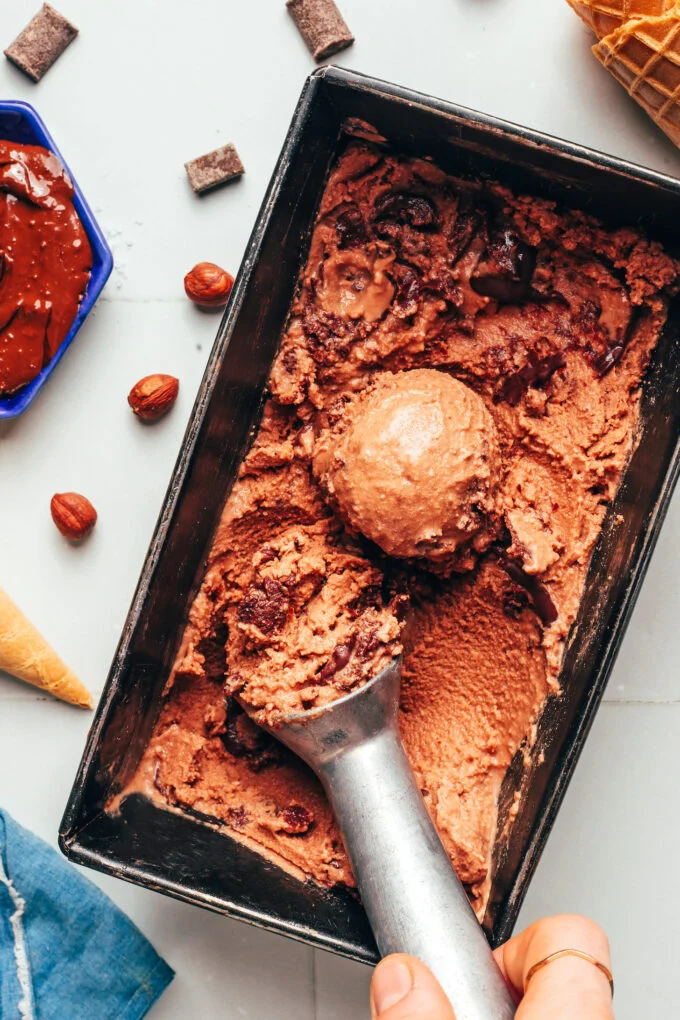
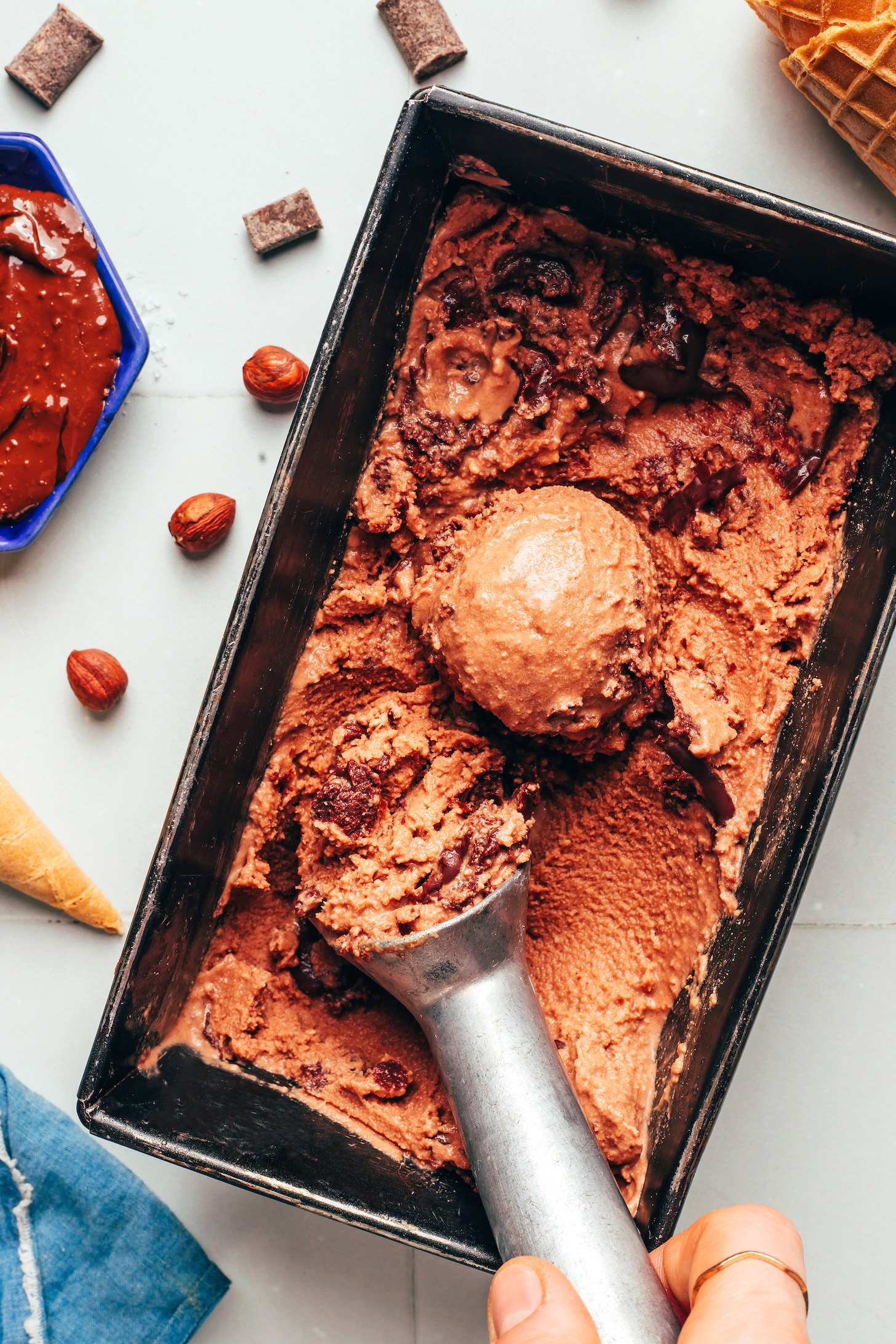
As temperatures begin to climb and the craving for cooling, indulgent treats reaches its seasonal peak, a new contender has emerged in the world of plant-based confectionery. Minimalist Baker has unveiled a revolutionary recipe for "Vegan Nutella Ice Cream," a six-ingredient masterpiece that balances the complex, nutty profile of roasted hazelnuts with the velvety richness of premium dark chocolate. This article explores the mechanics, the culinary science, and the broader implications of this dairy-free innovation, which is poised to become a staple for summer gatherings.
Main Facts: The Anatomy of a Vegan Masterpiece
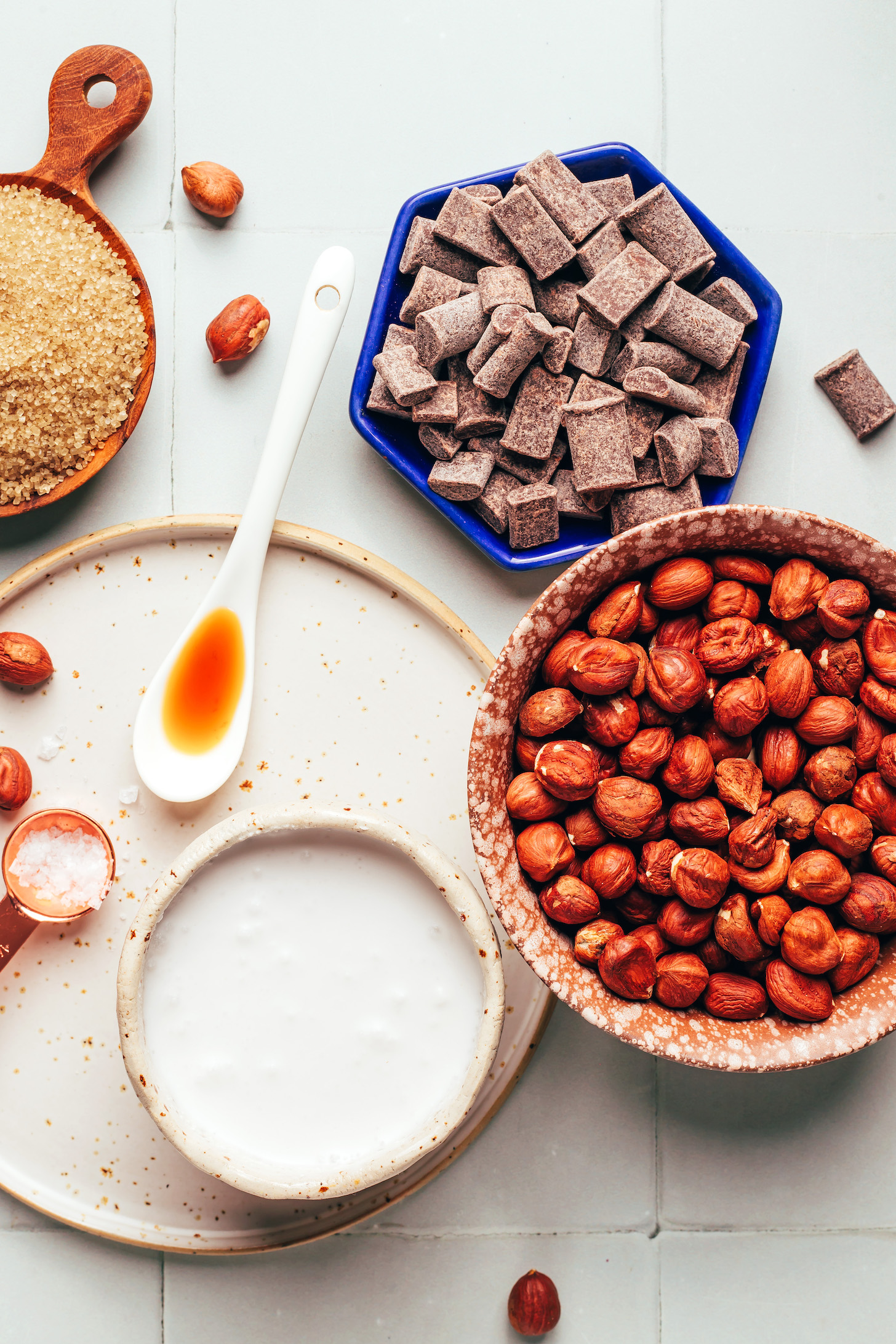
At its core, this recipe seeks to replicate the iconic, universally adored flavor profile of chocolate-hazelnut spread without the reliance on dairy, palm oil, or highly processed additives. The six-ingredient composition is a masterclass in culinary minimalism: roasted hazelnuts, high-quality chocolate, light coconut milk, cane sugar, vanilla, and a pinch of salt.
By leveraging the natural fats found in hazelnuts and coconut milk, the recipe achieves a "mouthfeel" that rivals traditional dairy-based gelato. Unlike commercial vegan ice creams that often rely on stabilizers or synthetic emulsifiers to prevent iciness, this approach utilizes the natural emulsion created by blending roasted nuts with coconut solids. The result is a dense, creamy, and deeply satisfying dessert that remains accessible to home cooks while delivering a sophisticated, artisanal quality.
Chronology: From Raw Nut to Frozen Delight
The production of this ice cream is a multi-stage process that prioritizes flavor extraction and texture management. Understanding the timeline is essential for those looking to replicate this at home.
1. The Roasting Phase (The Flavor Foundation)
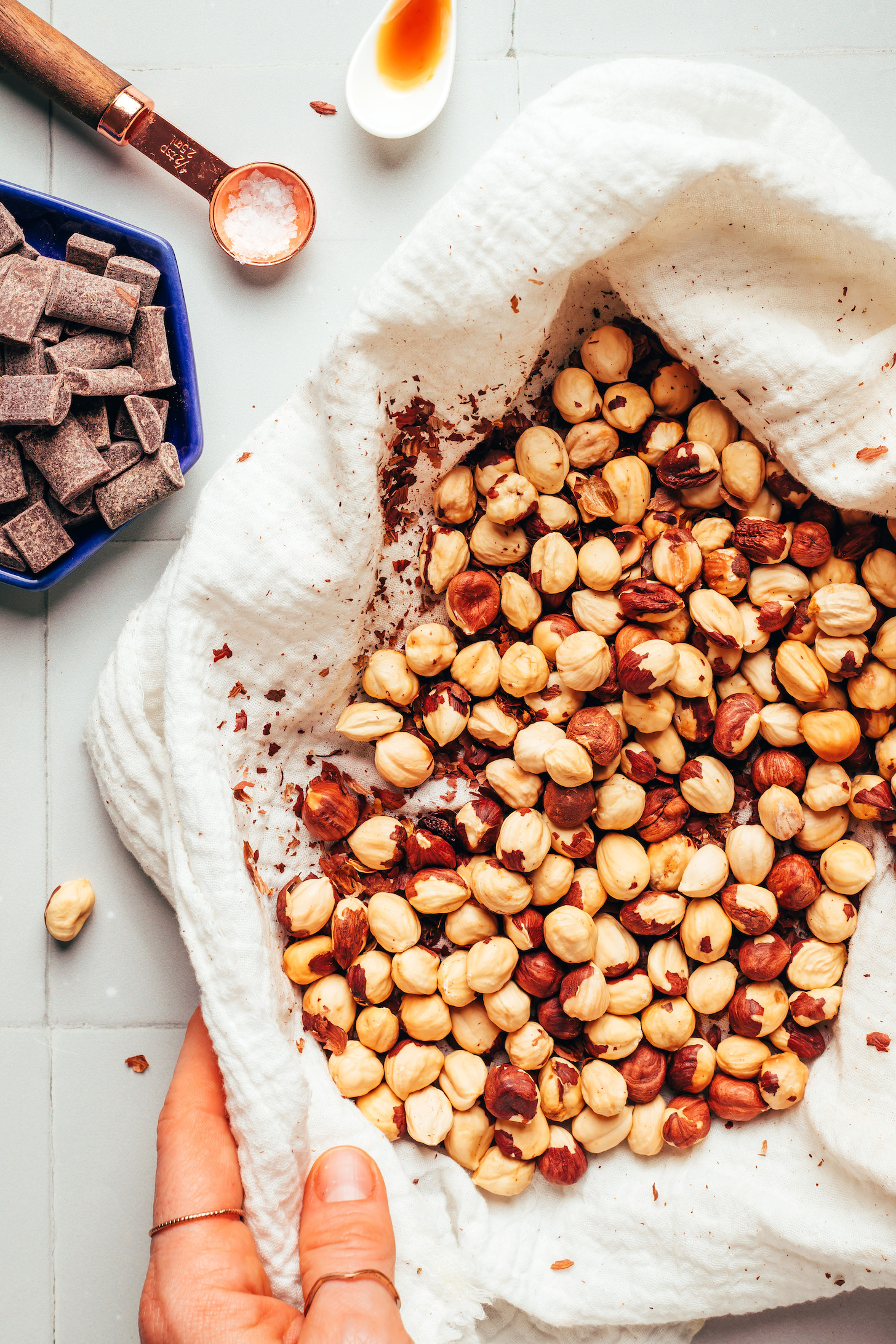
The process begins with raw hazelnuts. Roasting is not merely a cooking step; it is a chemical necessity. By heating the nuts, the baker activates the natural oils, which intensifies the aromatic profile and releases the bitter skins. Once toasted to a golden hue, the nuts are rubbed in a clean towel to remove these skins, a step that ensures the final texture remains silky rather than gritty.
2. The Emulsification (Creating the Base)
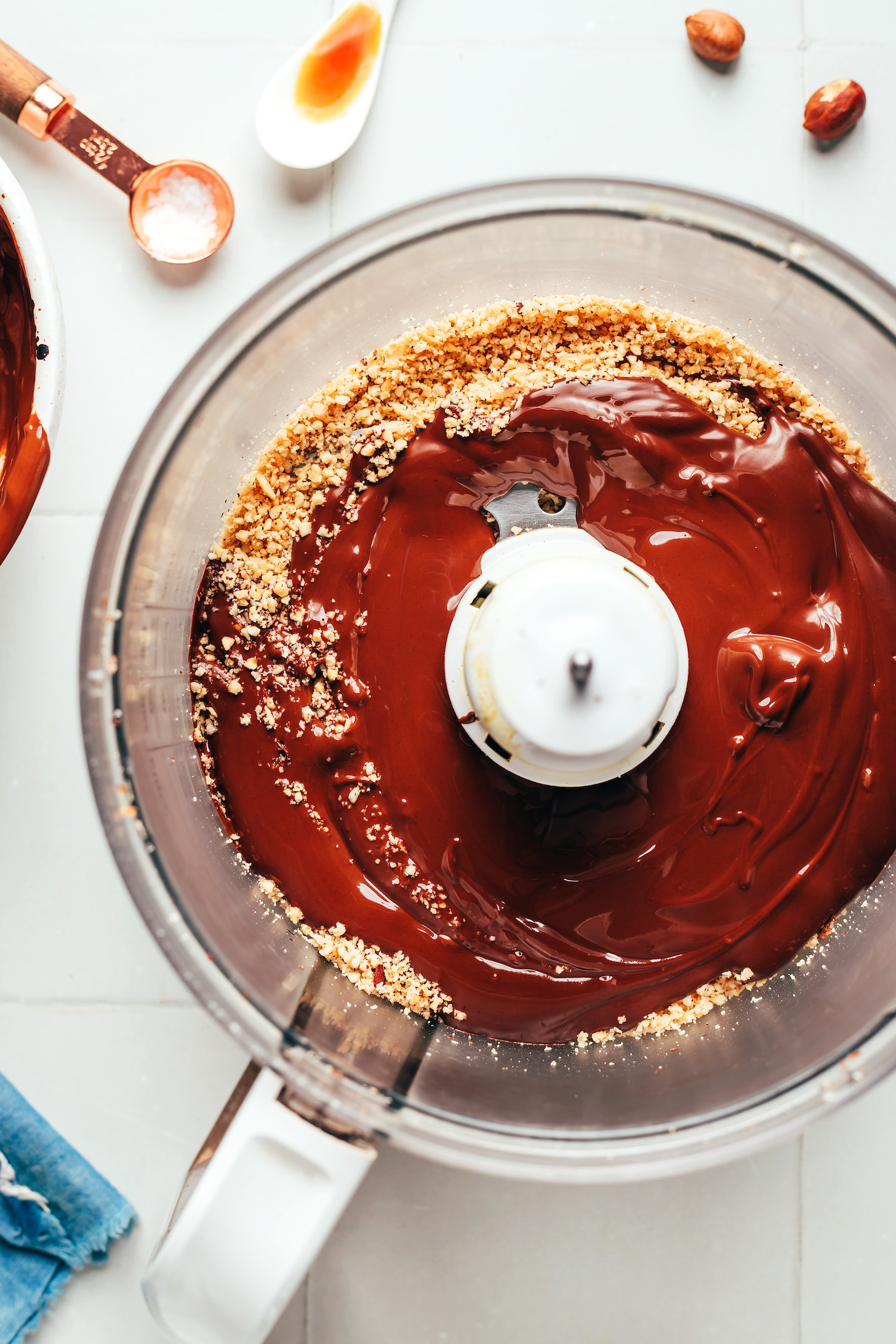
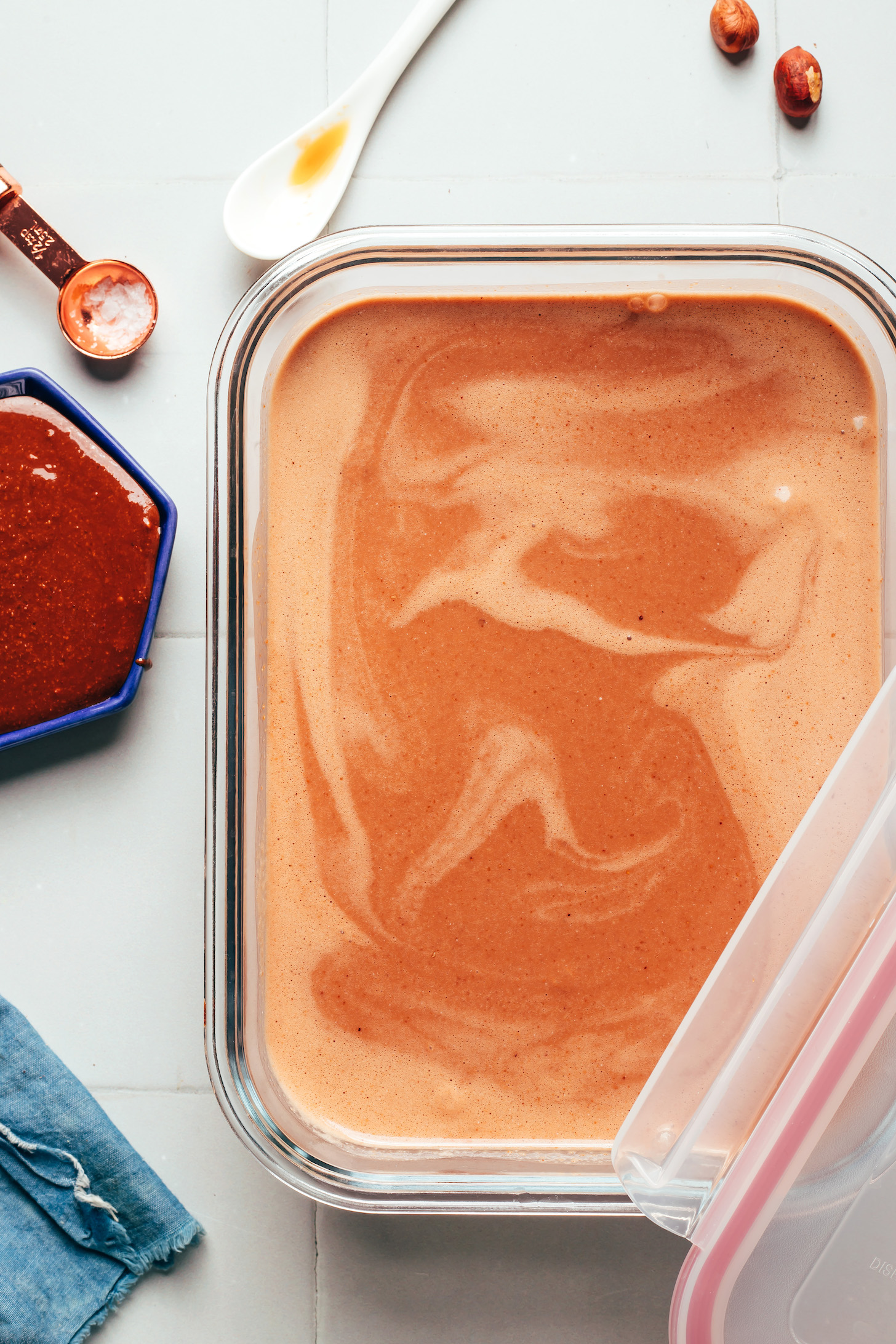
Once the hazelnuts are prepared, they are blended with melted chocolate. This creates an immediate, fresh "nut butter" that serves as the heart of the recipe. A portion of this mixture is set aside—a crucial strategic move—to be swirled in at the final stage. The remainder is integrated with light coconut milk, cane sugar, vanilla, and salt to create the liquid ice cream base.
3. The Cooling and Churning
Before the mixture ever sees an ice cream maker, it must undergo a mandatory chilling period. Refrigerating the base for at least one hour allows the fats to solidify slightly and the flavors to meld. This step is vital for the churning process; a colder base ensures that the ice cream maker can incorporate air more effectively, resulting in a lighter, "fluffier" texture.
4. The Final Swirl
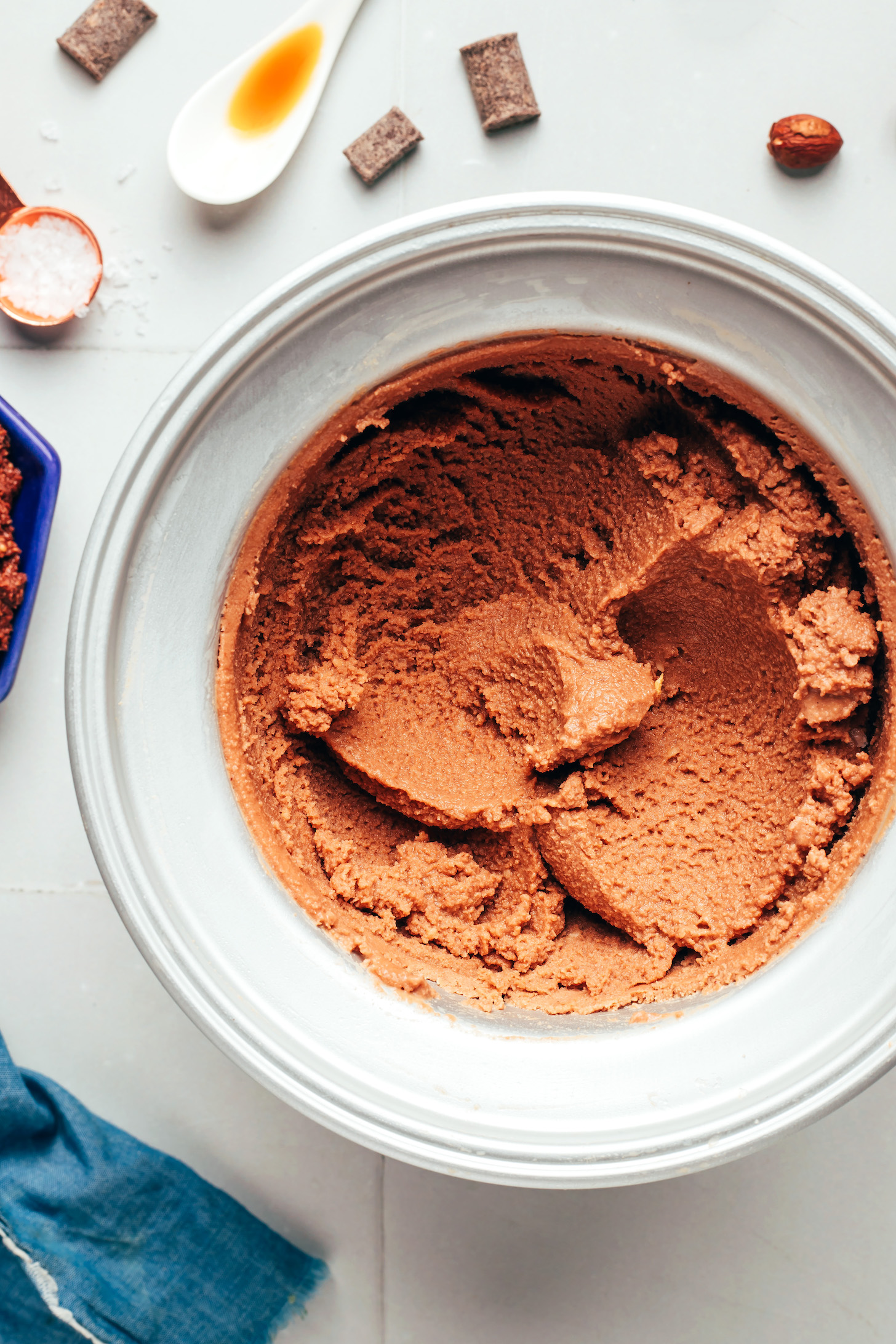
The final stage is the "fold-in." After approximately 30 minutes in the churner, the reserved chocolate-hazelnut mixture is ribbonsed through the soft-serve base. This creates the signature aesthetic and taste contrast—a core of creamy hazelnut ice cream punctuated by pockets of intense, concentrated chocolate-nut butter.
Supporting Data: Nutritional and Technical Specifications
For the health-conscious consumer, the transparency of this recipe is a significant draw. Each half-cup serving provides a controlled caloric intake while offering a profile free from cholesterol and trans fats.
- Serving Size: ~1/2 cup
- Calories per serving: 277
- Total Fat: 21.2g (primarily from heart-healthy monounsaturated fats found in hazelnuts)
- Sugar: 17g
- Protein: 3.6g
From a technical standpoint, the choice of "light" coconut milk is deliberate. While full-fat coconut milk provides more richness, it can often leave an overpowering coconut aftertaste. The use of light coconut milk—particularly brands containing guar gum or other natural emulsifiers—allows the hazelnut and chocolate notes to take center stage without the dessert feeling heavy or "greasy" on the palate.
Official Guidance and Best Practices
Minimalist Baker emphasizes that success in this recipe relies on the quality of the raw materials. Because there are only six ingredients, each one contributes significantly to the final product.
The Importance of Emulsifiers
The official recommendation for home chefs is to select a brand of coconut milk that includes emulsifiers. These substances—such as guar gum—are frequently misunderstood by the general public but play a critical role in ice cream chemistry. They bind water and fat molecules together, preventing the formation of large ice crystals during the freezing process. Without these, the ice cream would be prone to becoming a "hard brick" when stored in the freezer for long periods.
Freezer Management
The recipe is noted to be "freezer-friendly" for up to one month. However, like all homemade, preservative-free ice creams, the texture is best when consumed within the first week. If storing for longer periods, experts suggest placing a piece of parchment paper directly against the surface of the ice cream to prevent freezer burn and oxidation of the delicate nut oils.
Implications: The Shift Toward "Clean" Indulgence
The rise of recipes like this Vegan Nutella Ice Cream signals a broader trend in the culinary world: the democratization of high-end, dietary-inclusive desserts.
Accessibility for Dietary Restrictions
For those living with lactose intolerance or those adhering to a strictly plant-based lifestyle, the dessert menu has historically been limited to sorbets or highly processed, expensive store-bought alternatives. This recipe removes those barriers, providing a "gold standard" dessert that can be made in any standard kitchen with a basic ice cream maker.
The "Better-For-You" Movement
Consumers are increasingly wary of the ingredient lists on mass-produced treats. By choosing to make a chocolate-hazelnut spread at home—without the hydrogenated oils and excessive sugar found in commercial versions—home cooks are reclaiming control over their nutritional intake. This is not just a recipe; it is a manifestation of the "clean label" movement, where the value of a dish is determined by the simplicity and quality of its components.
Summer Culinary Culture
Finally, the introduction of this recipe highlights the evolution of the "summer ice cream party." As food culture moves away from pre-packaged, hyper-processed goods, there is a renewed interest in the "slow food" approach to sweets. Spending three hours from start to finish on a homemade dessert is no longer viewed as a chore, but as an act of hospitality and craft.
Conclusion: A New Standard for Home Chefs
The Minimalist Baker’s Vegan Nutella Ice Cream is more than a fleeting seasonal trend; it is a structurally sound, flavor-forward solution to the challenge of creating high-quality, dairy-free frozen desserts. By focusing on the fundamentals—high-quality roasting, proper emulsification, and the strategic layering of textures—this recipe provides a blueprint for anyone looking to elevate their dessert game.
Whether one is a long-time vegan, a Nutella enthusiast, or simply a curious home cook looking for a refreshing summer project, the results speak for themselves. The balance of creamy coconut, rich dark chocolate, and roasted hazelnut creates a sensory experience that proves plant-based eating does not require a sacrifice in flavor. As the weather warms, this masterpiece is likely to find its way into freezers across the country, cementing its status as a modern classic in the DIY dessert canon.
For those eager to experiment further, the versatility of the hazelnut-chocolate base allows for endless variations. One might fold in sea salt flakes for a salted-caramel effect, or perhaps add crushed gluten-free cookies for a textural crunch. Ultimately, the recipe serves as a reminder that the best desserts are often the simplest, provided they are made with intention, care, and the finest ingredients available.