WASHINGTON — As families and educators across the country gear up for the annual return to classrooms, the perennial challenge of academic organization has taken center stage. To combat the back-to-school scramble, lifestyle and organization platforms have rolled out comprehensive new resources designed to streamline the student experience. Among the most anticipated releases this season is the newly updated, highly sought-after comprehensive Printable Student Binder, engineered to alleviate the stress of syllabus week, assignment tracking, and time management for students ranging from middle school to college.
The release arrives in response to a surge of inquiries directed at creators over the past several months, all centering on a single pressing question: When would the student binder be updated for the new term? The newly revamped iteration answers that demand with an expansive suite of modular, aesthetic, and functional pages aimed at keeping learners on track from the first morning bell to final examinations.
Main Facts: What’s Inside the New Student Binder System?
The newly launched student binder system is designed to act as a centralized command center for academic life. Far beyond a simple notebook, the package includes over a dozen specialized layouts distributed across core functional categories: planning, tracking, and subject-specific management.
Key structural components of the printable kit include:
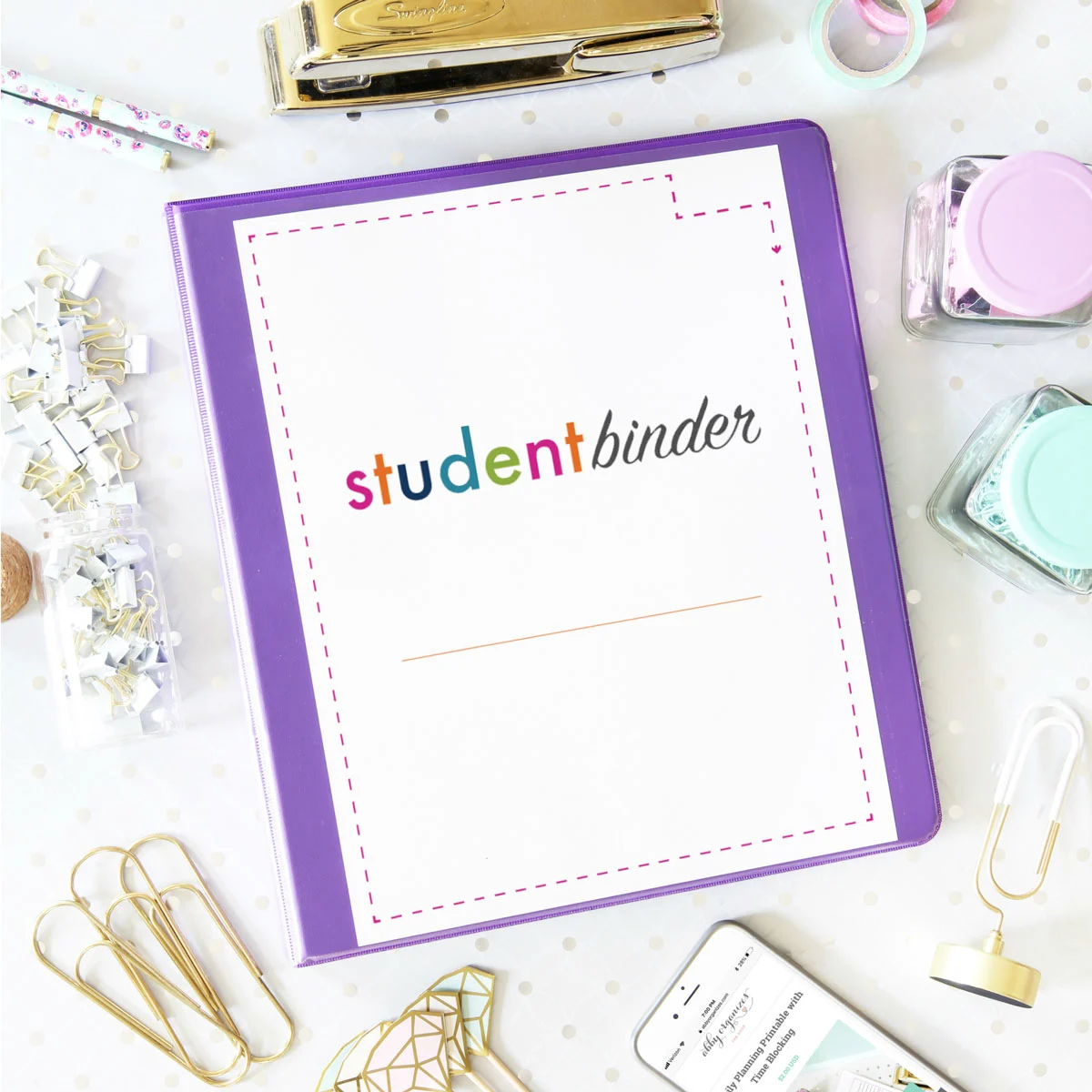
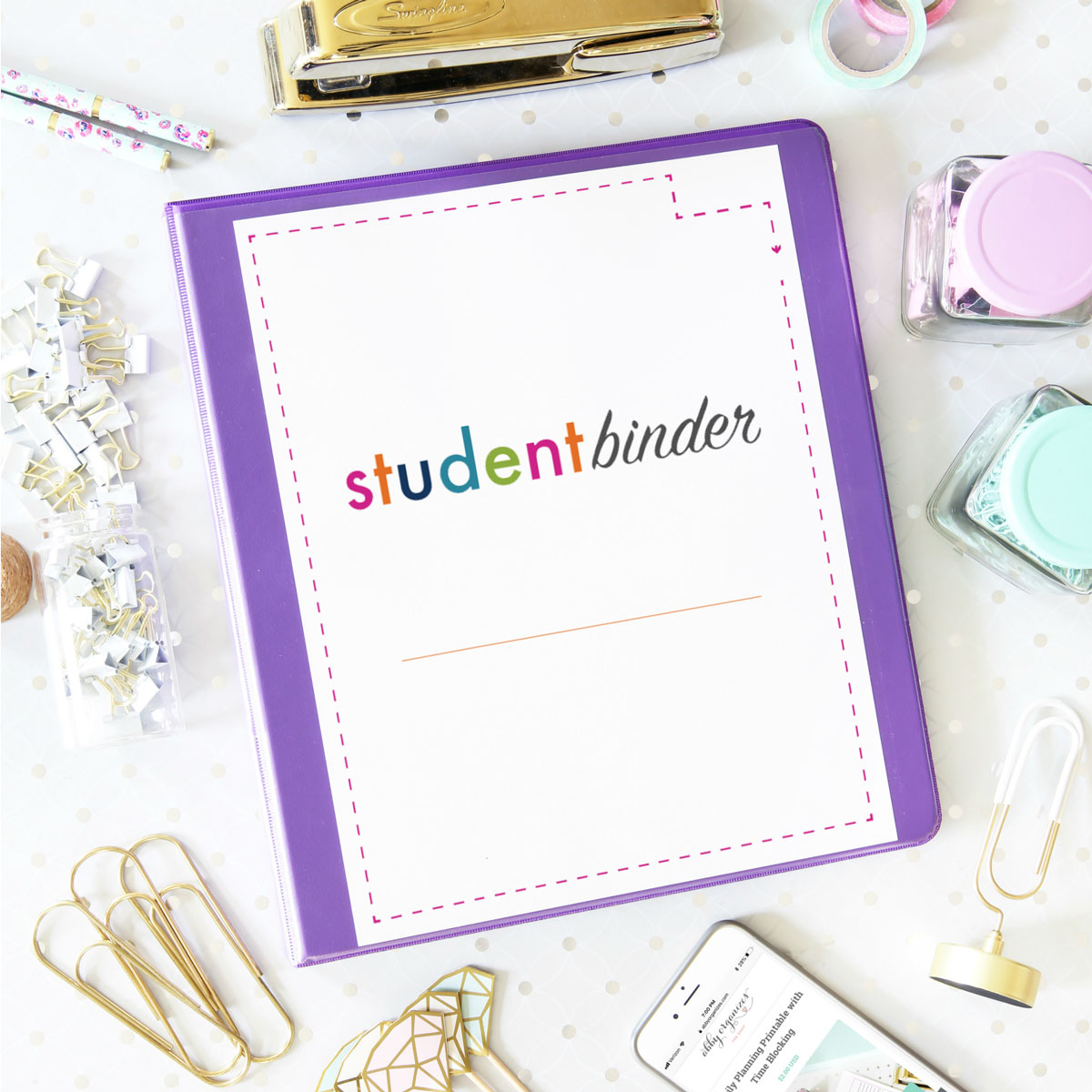
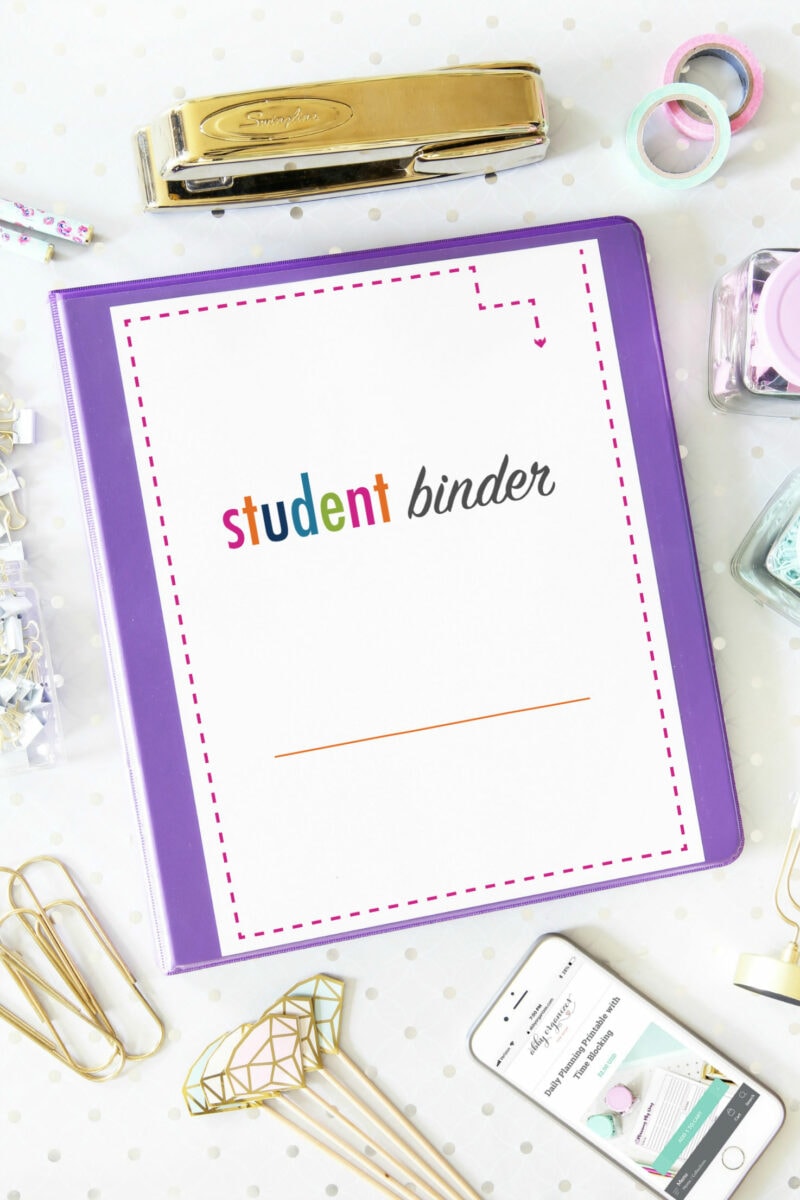
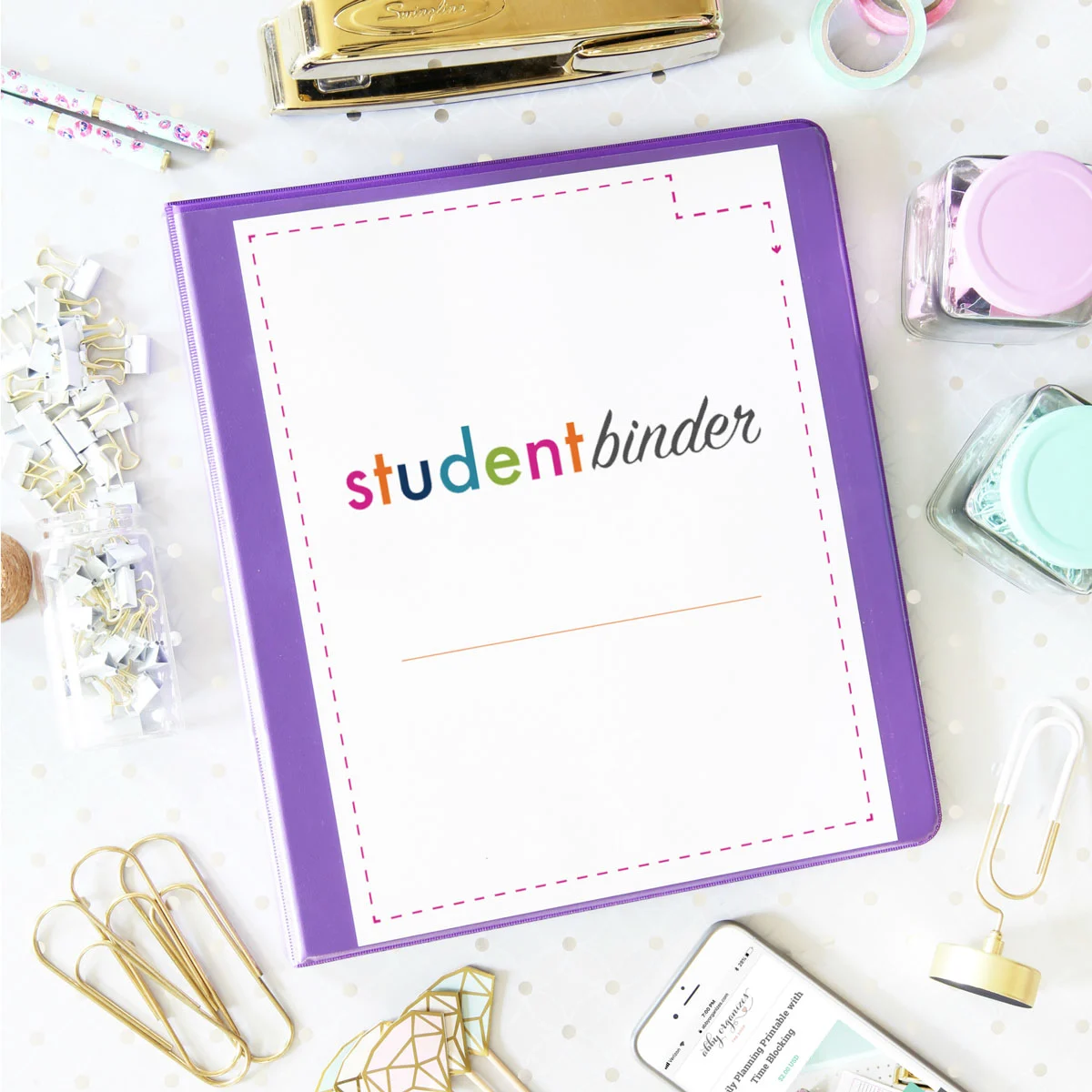
Customizable Covers: High-visibility, vibrant binder covers featuring dedicated spaces for student identification and emergency contact details.
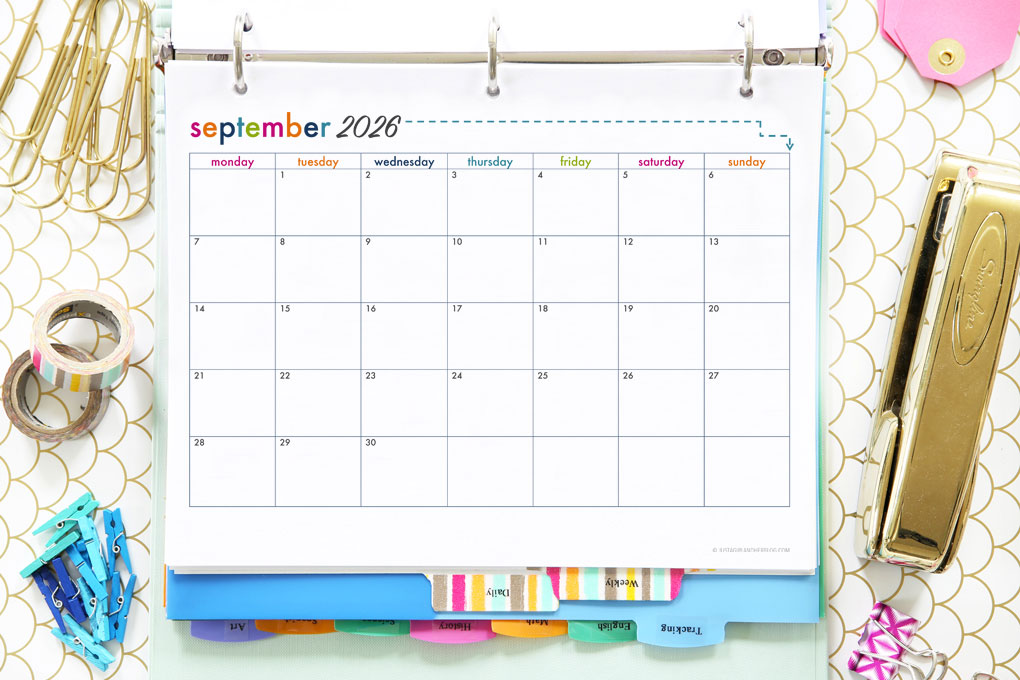
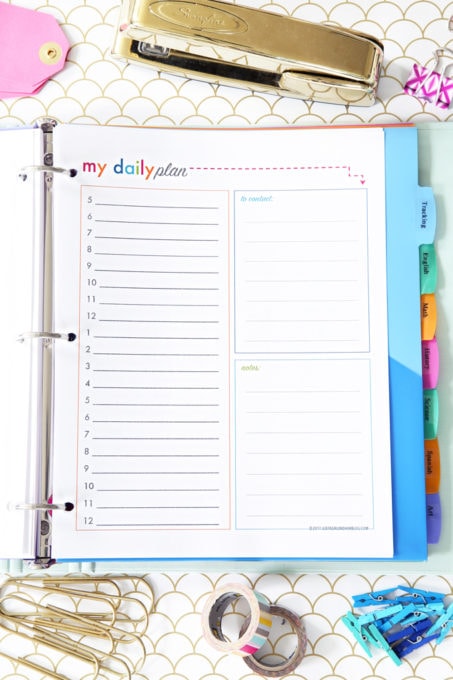
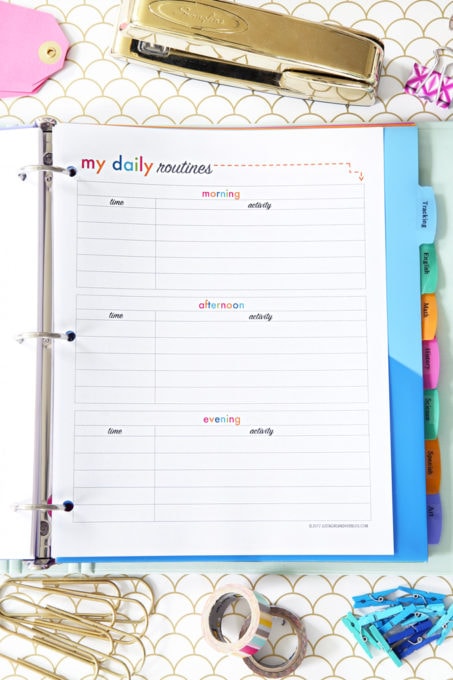
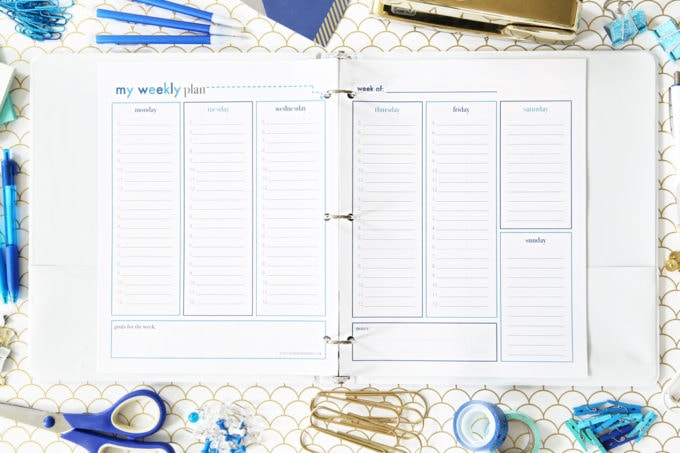
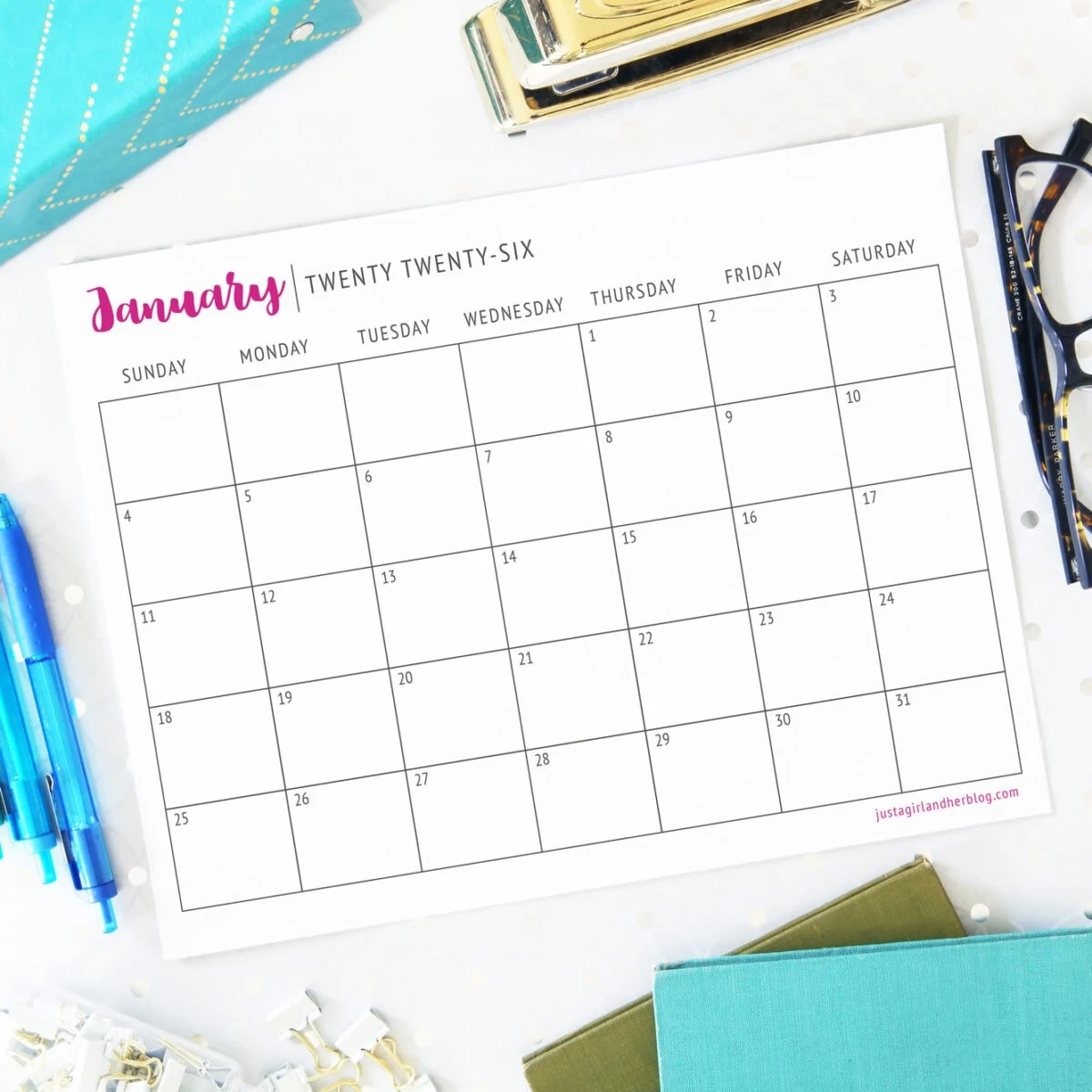
Comprehensive Planning Suite: Dated monthly calendar templates spanning multiple academic years, undated universal calendar sheets, two-page weekly planners with hourly time-blocking breakdowns, and dedicated daily routines trackers.
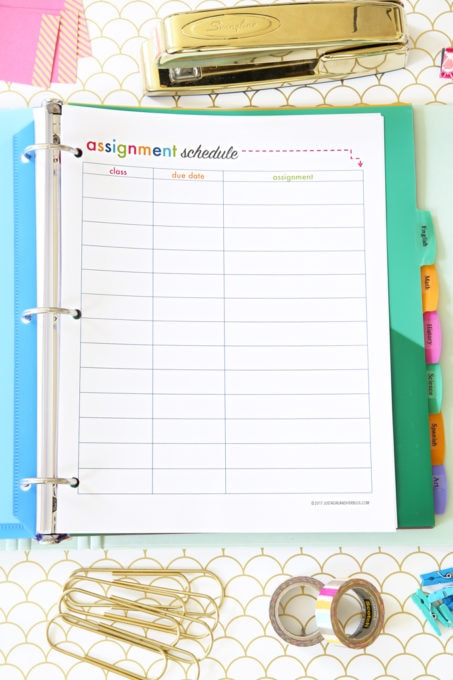
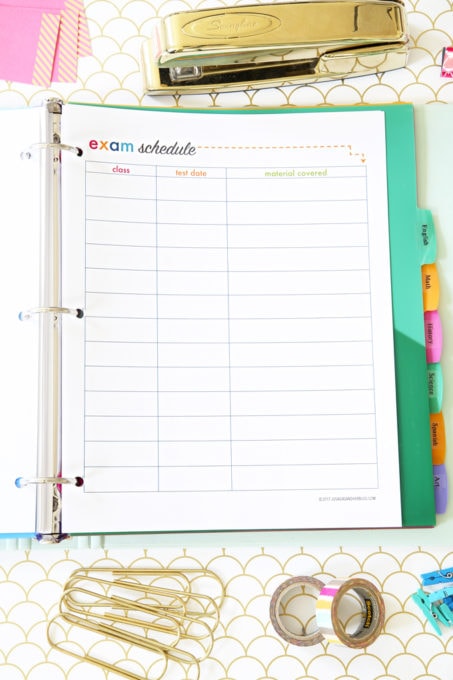
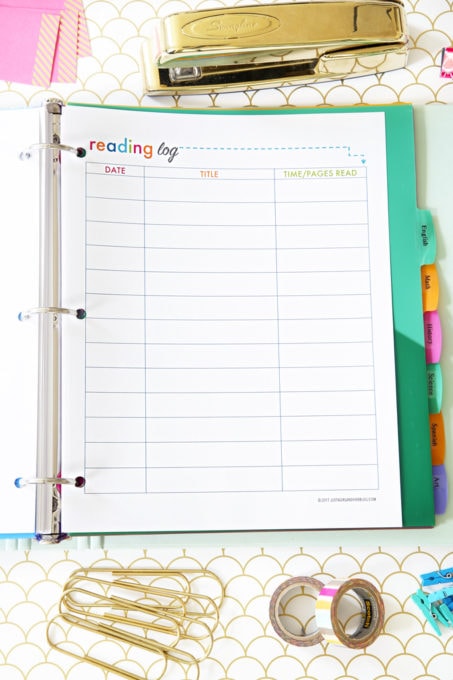
Academic Tracking Tools: Specialized assignment schedules, examination date logs, and a dedicated reading log to encourage literacy and track page-count goals.
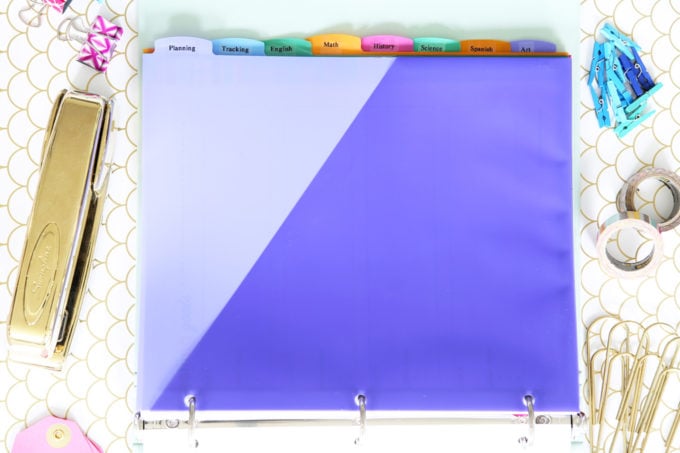
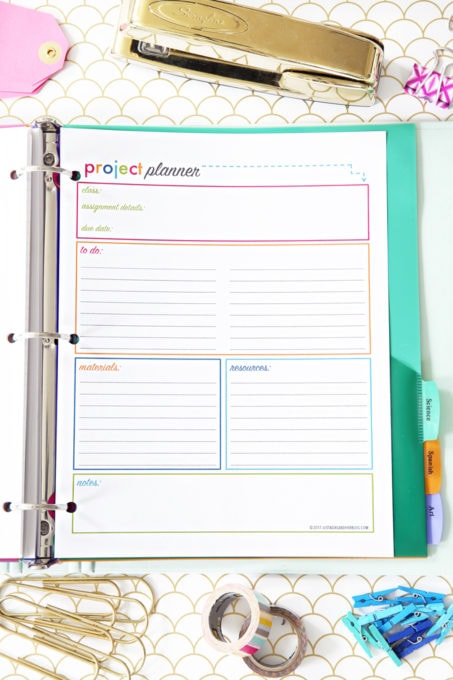
Subject-Specific Modules: Modular tab inserts accompanied by running-total grade tracking sheets, lined note-taking pages, and step-by-step project planners.
Dual Color Palettes: Acknowledging diverse aesthetic preferences—including requests from parents seeking gender-neutral or alternative colorways—the system is offered in both classic bright palettes and a sleek blue-toned alternative scheme.
Chronology: From Parent Inquiries to Digital Release
The trajectory of the student binder’s development reflects an iterative response to community feedback collected over several academic cycles:
Spring: As the previous academic year wound down, organizers began receiving an influx of user queries regarding updates for the upcoming school calendar, prompting preliminary design overhauls.
Early Summer: Creators addressed a persistent piece of user feedback from previous years: the heavy reliance on traditional color schemes. Development began on an expanded, versatile secondary color palette to better serve students who prefer alternative aesthetics.
Mid-Summer: Finalization of the date-specific templates—incorporating schedules stretching deep into future academic calendars—alongside time-blocking structures tailored for modern study habits.
Late Summer (Launch Window): The official rollout of the digital package, made available to subscribers and blog readers through an integrated resource library just as back-to-school shopping reaches its seasonal peak.
Supporting Data & Organizational Methodology
Educational research consistently demonstrates a strong correlation between structured time-management practices and academic performance. The inclusion of specialized frameworks within the printable binder is rooted in proven productivity methodologies.
The Power of Time Blocking
The inclusion of hourly weekly and daily planners facilitates time blocking—a productivity technique where a user divides their day into specific blocks of time dedicated to distinct tasks or groups of tasks. By visualizing the day hour-by-hour, students can compartmentalize attending lectures, completing laboratory assignments, participating in extracurricular activities, and setting aside mandatory downtime.
Mitigating Grade Surprises
Data from academic counseling groups indicates that one of the leading causes of mid-semester anxiety is a lack of real-time grade visibility. The binder’s dedicated grade-tracking sheets introduce a running-total column. Rather than waiting for official report cards or mid-term disclosures, students continuously log individual assignment and exam scores alongside cumulative averages. This proactive tracking ensures learners can identify struggling subjects weeks before final grades are locked in.
Goal Setting and Action Steps
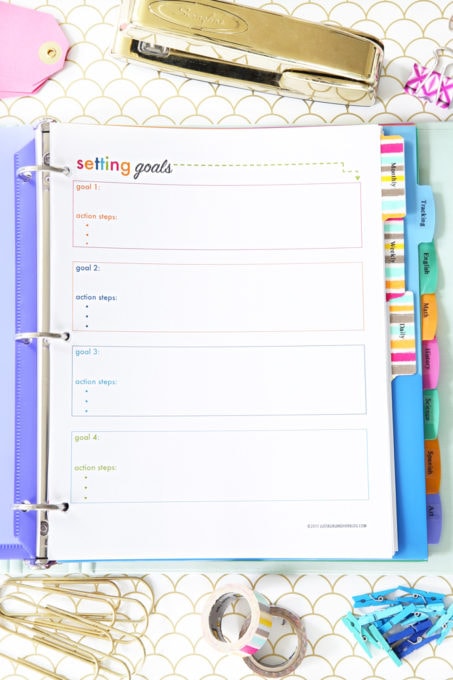
Behavioral psychologists have long noted that writing down specific goals significantly increases the likelihood of their attainment. The binder integrates a dedicated goal-setting framework that pushes users beyond abstract desires ("I want to do well in math") to concrete operational steps ("I will attend tutoring every Tuesday and review chapter flashcards for 20 minutes daily").
Official Responses and Creator Insights
The driving philosophy behind the binder’s iterative design centers on accessibility, customizability, and emotional readiness for the school year.
"Over the past few months, one of the most common questions I have received has been: When are you going to update the student binder?! Well, I’m thrilled to say that it is here," remarked the creator during the official launch. "This year’s binder still features multiple color scheme options and many, many printable pages that will help you stay organized throughout the school year."
Addressing the evolution of the project to include non-traditional color palettes, the creator noted the collaborative nature of the design process:
"In past years, I had several requests from parents for binder printables that weren’t quite so pink. As a fellow parent myself, I completely understood the need for more options, so I created a second color scheme option that would work wonderfully for any student who prefers cool tones."
Furthermore, organizers emphasized that the utility of the system extends beyond traditional K-12 and university attendees. Many of the fundamental planning tools—such as the weekly time-blockers, goal-setting pages, and monthly calendars—have been adopted by working professionals and lifelong learners looking to impose order on busy schedules.
Implications for the Academic Year Ahead
As school districts and universities navigate evolving curricula, digital fatigue, and shifting hybrid learning environments, the return to tactile, paper-based organizational tools represents a growing trend among students seeking cognitive relief.
Enhancing Executive Functioning
For many students, particularly those in middle and high school who are developing executive functioning skills, digital calendars on smartphones can introduce digital distractions (notifications, social media apps) during study periods. A dedicated physical binder creates a distraction-free zone where students physically interact with their schedules, write out their assignments by hand—a practice scientifically proven to enhance memory retention—and physically check off completed tasks.
Easing Family Stress
The back-to-school season frequently triggers organizational friction within households. By incorporating a "Daily Routines" printable that breaks responsibilities down into morning checklists (packing lunches, organizing backpacks), afternoon tasks (finishing homework, chores), and evening preparations (setting out clothes, reviewing the next day’s schedule), the binder functions as a collaborative roadmap for parents and students alike.
Ultimately, while the printables themselves are structurally simple, their systematic application provides a reliable scaffolding for academic success. By transforming the overwhelming avalanche of syllabi, test dates, and project requirements into manageable, color-coded sections, the updated student binder stands ready to empower a new generation of organized, focused learners for the upcoming academic year.