In an era dominated by sleek, cloud-synced digital interfaces and AI-driven scheduling apps, there is a surprising, counter-intuitive trend gaining momentum among productivity enthusiasts: the resurgence of the classic paper calendar. As we look toward the horizon of the coming year, the release of the 2026 free printable calendar series marks more than just a logistical update; it represents a cultural shift toward intentional, tactile time management.
For many, the transition from a digital screen to a printed page is not a step backward, but a deliberate choice to foster focus and clarity. With the official release of these 2026 resources, we examine why these simple, printable tools have become the most sought-after assets for organizers, students, and professionals alike.
Main Facts: The 2026 Organizing Movement
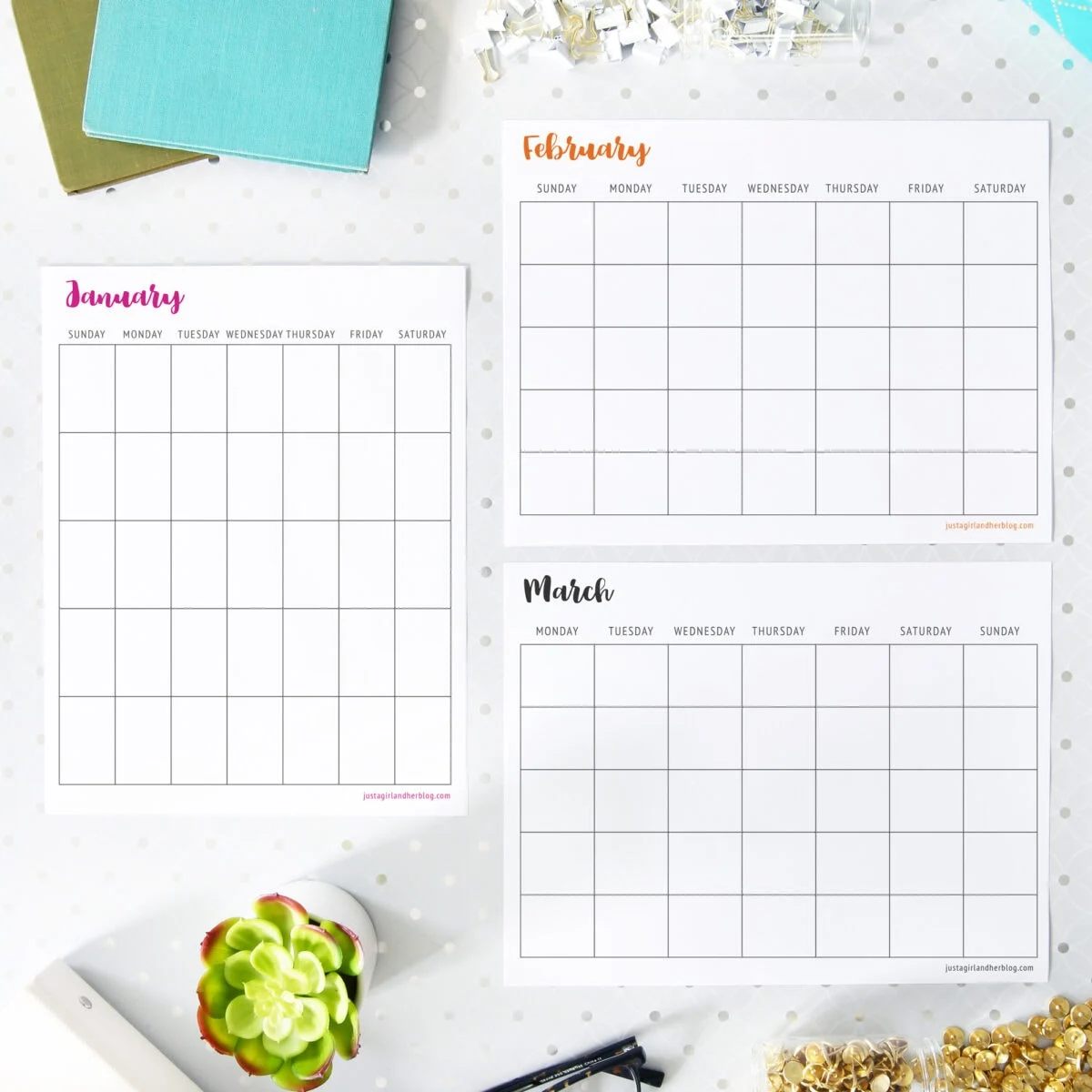
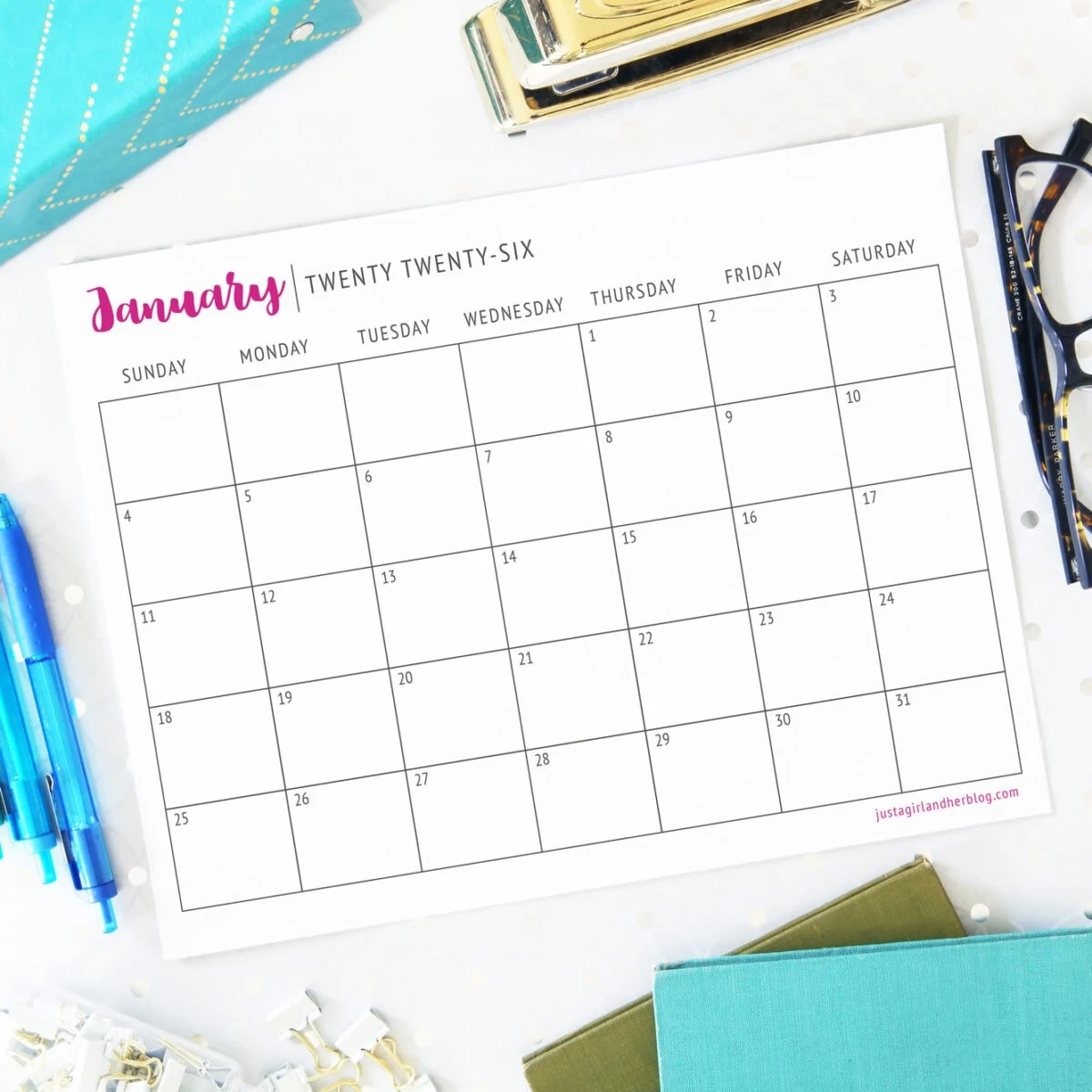
The 2026 printable calendar collection has been curated to address a specific void in the modern workflow: the "digital fatigue" caused by endless notifications and screen-based planning. Designed for maximum accessibility, these calendars are formatted for standard 8.5" x 11" paper, making them compatible with virtually every home or office printer.

Key Features of the 2026 Collection:
- Universal Compatibility: Designed to fit into standard three-ring binders, wall displays, or desk organizers.
- High-Resolution Aesthetic: Featuring clean lines and intuitive layouts, the design focuses on minimizing visual clutter to maximize functional space.
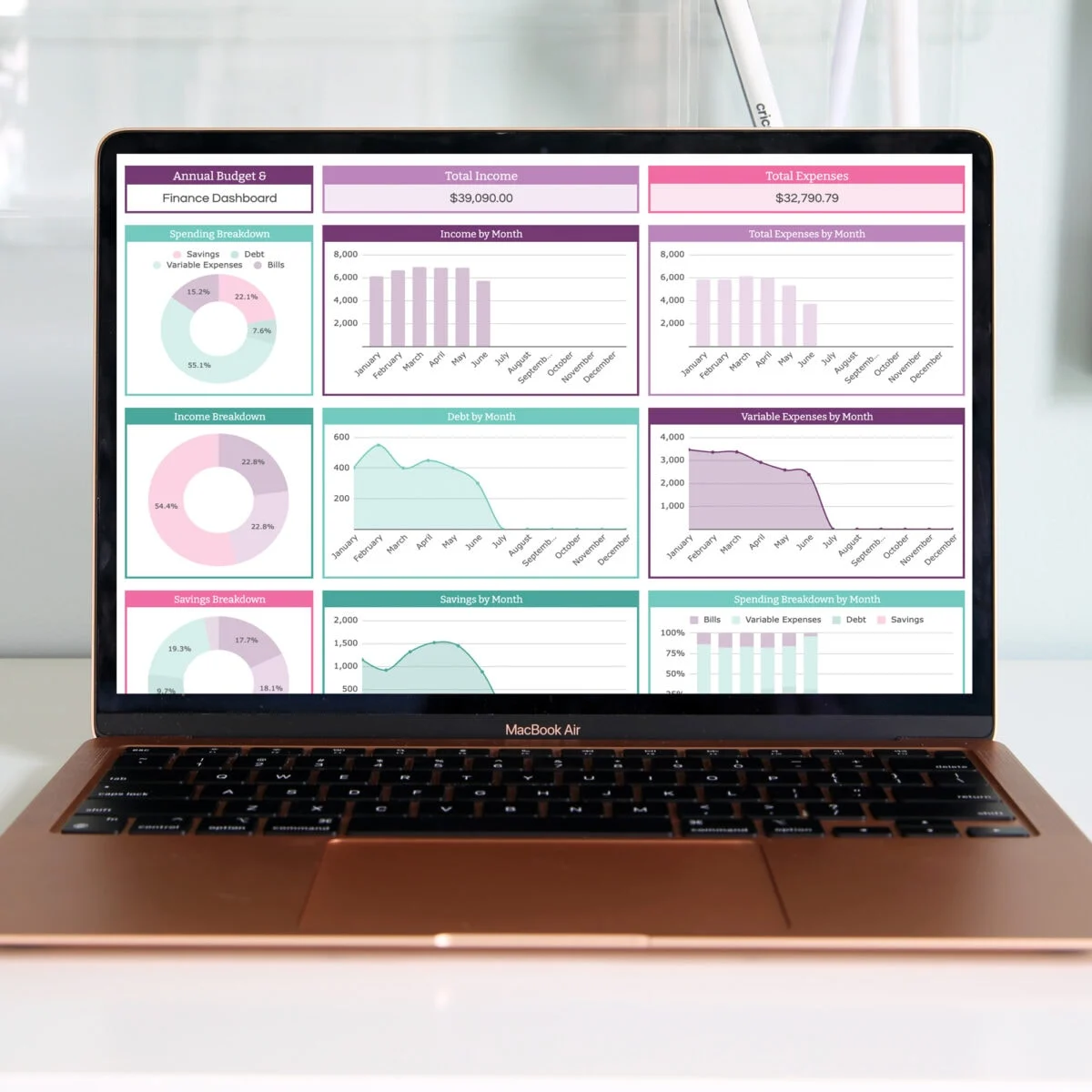
- Versatility: Beyond simple date tracking, the grid-based layout allows for color-coding, habit tracking, and project management.
- Zero-Cost Barrier: By providing these tools for free, the initiative democratizes access to professional-grade organization.
Unlike complex software that requires a learning curve, these printables operate on the principle of "frictionless entry." Users simply print, place, and begin. This immediacy is exactly why, even as early as April of the preceding year, demand for the 2026 templates began to surge.
A Chronology of Demand: Tracking the "Calendar Craze"
The lifecycle of an annual calendar release is a fascinating study in consumer behavior. Historically, calendar demand follows a seasonal curve, peaking in late Q4. However, the data for the 2026 release suggests a fundamental shift in how people view their long-term planning.

- Q2 2025 (April): The first inquiries regarding the 2026 calendar appeared. This early interest signaled a growing population of "proactive planners" who prefer to set their annual goals and structural foundations long before the year begins.
- Q3 2025 (July/August): Formal development and design finalization. During this phase, user feedback from previous years was incorporated, focusing on layout adjustments and whitespace optimization.
- Q4 2025 (Current Period): The official launch. As the fiscal and academic calendars align, the surge in downloads reflects the "back-to-school" and "end-of-year" preparation cycles.
- Q1 2026 (The Execution Phase): The transition from planning to action. This is where the physical, paper-based calendar becomes the primary point of truth for households and small businesses.
This chronology highlights a trend toward "extended planning." By securing a calendar months in advance, users are essentially locking in their commitments and creating a visual roadmap for the upcoming 12 months.
Supporting Data: The Science of Paper Planning
Why, in a world of smart devices, does paper remain the gold standard for many? Psychologists and productivity experts point to the "kinesthetic effect." Writing down a goal or an event engages the brain in a way that typing does not.
The Cognitive Benefit
When you write on a physical calendar, you are performing a complex cognitive task. You are processing the date, the commitment, and the spatial relationship of that event to the rest of your week. This sensory engagement significantly improves memory retention. Studies suggest that information written by hand is more likely to be remembered than information typed into a calendar app, which can easily be ignored or buried under a mountain of digital pings.

Visual Architecture
Digital calendars are often "hidden" behind locks, menus, and tabs. A physical calendar is a "persistent display." When pinned to a fridge or resting on a desk, it acts as a constant, passive reminder of upcoming deadlines. This visual architecture is essential for managing family schedules, group projects, and long-term milestones.
Official Perspective: The Creator’s Vision
Abby Lawson, the designer behind these resources, views the printable calendar not merely as a grid of numbers, but as a catalyst for life improvement.
"The goal," says Lawson, "is to provide a structure that is simple enough to be flexible, but clear enough to provide direction. We’ve seen users transform these sheets into everything from meal trackers to academic study schedules. When you strip away the complexity of an app, you’re left with the most important thing: your time."

The philosophy driving these designs is rooted in the belief that organization should be an enabler, not a chore. By keeping the design minimal and the distribution free, the project aims to remove the barriers that often prevent people from getting started on their goals.
Implications for Modern Productivity
The continued demand for 2026 printables has profound implications for how we define "productivity" in the modern age. We are witnessing a transition away from the "always-on" digital culture toward a "thoughtful" analog culture.
1. The Rise of "Slow Productivity"
The 2026 calendar isn’t just about speed; it’s about depth. By choosing a paper tool, users are intentionally slowing down their planning process, which leads to more thoughtful goal setting.

2. Family and Collaborative Syncing
In a household, digital calendars often suffer from fragmentation—everyone has their own phone, their own account, and their own notifications. A single, centrally located physical calendar provides a "single source of truth" that everyone in the family can see, touch, and understand at a glance.
3. The Power of Customization
Unlike rigid software, a printable sheet of paper is an open canvas. Users are increasingly using these calendars for bullet journaling, color-coded stickers, and decorative planning. This turns a mundane organizational task into a creative outlet, which increases the likelihood that the user will actually stick to their system.
4. Accessibility and Inclusion
By providing these tools as free downloads, the barrier to entry for effective organization is removed. Whether a user is a student on a budget, a busy parent managing a household, or a professional looking to declutter their workspace, the 2026 calendar serves as a universal tool for success.
Final Thoughts: Taking Control of 2026
As we approach the new year, the simple act of printing out a calendar is a declaration of intent. It is a signal that you are ready to own your time, manage your goals, and track your progress.
The 2026 calendar collection is not just a set of dates; it is a framework for your ambitions. Whether you use it to track exercise, monitor academic deadlines, or simply keep track of family birthdays, the value lies in the clarity it provides.
How to Get Started
To integrate these tools into your workflow:

- Download: Access the full suite of 2026 monthly templates.
- Print: Use quality paper to ensure durability throughout the year.
- Place: Choose a location that is central to your daily routine.
- Engage: Begin filling in your milestones and deadlines.
The simplest tools are often the most effective. In a world that is increasingly complicated, perhaps the best way to move forward is to return to the basics. Download your 2026 printable calendar today, and prepare to turn your goals into your reality.
Note: All free printables offered are for personal use only. They may not be sold or redistributed in any way by anyone other than their original creator, Abby Lawson. (c) Twenty-Three Publishing, LLC.