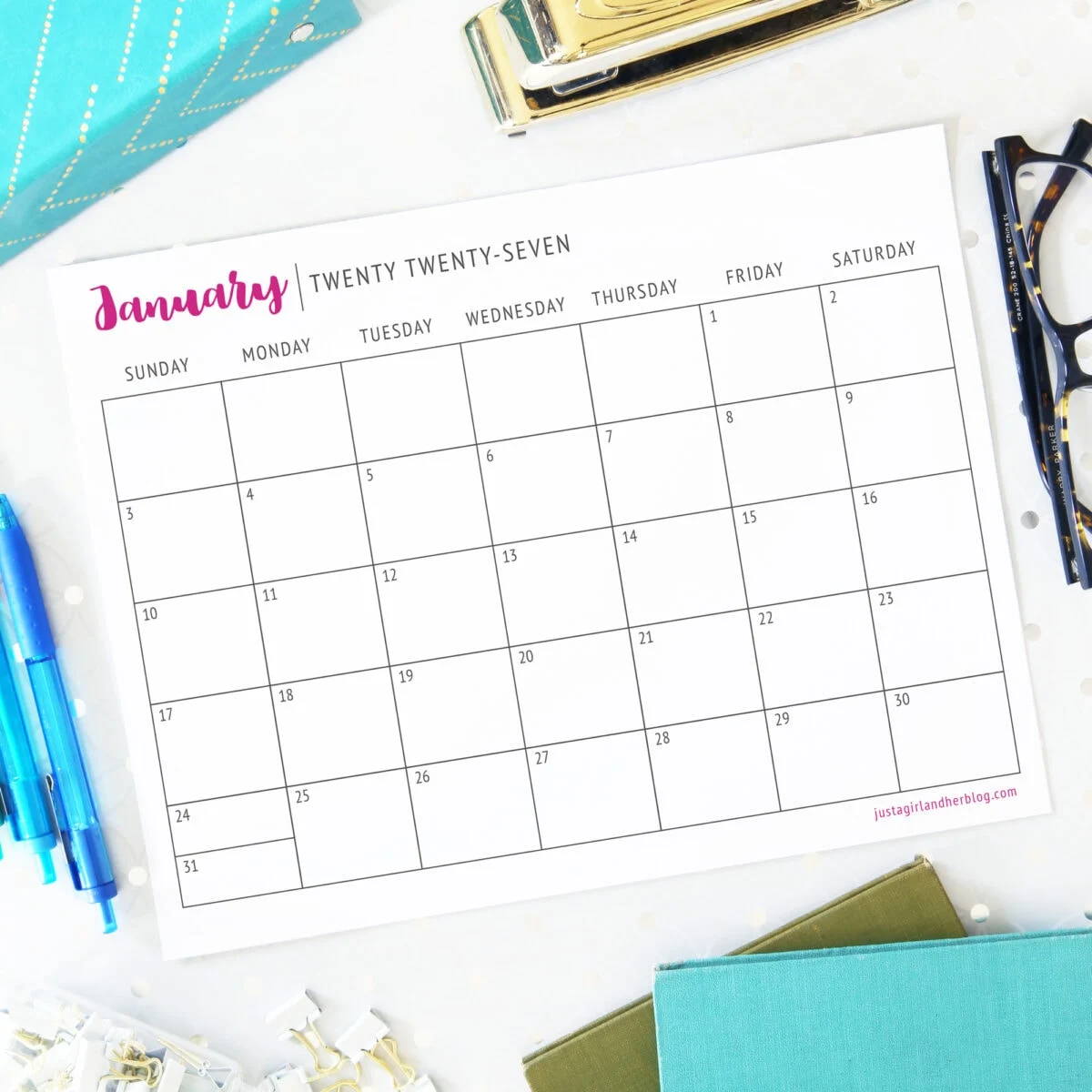
WASHINGTON — In an era dominated by hyper-connectivity, push notifications, and cloud-based scheduling applications, the demand for physical paper calendars is experiencing an unprecedented resurgence. Productivity experts and lifestyle creators report that inquiries for upcoming year planners are arriving earlier than ever, signaling a cultural pivot toward tangible, analog organization tools.
At the forefront of this movement is the newly released, highly anticipated Free Printable Calendar 2027. Designed to serve as a comprehensive life-management tool, the resource caters to a growing demographic of individuals seeking to unplug, de-clutter their mental bandwidth, and regain control over their schedules, personal goals, and daily activities.
Main Facts: The Return of Tactile Time Management
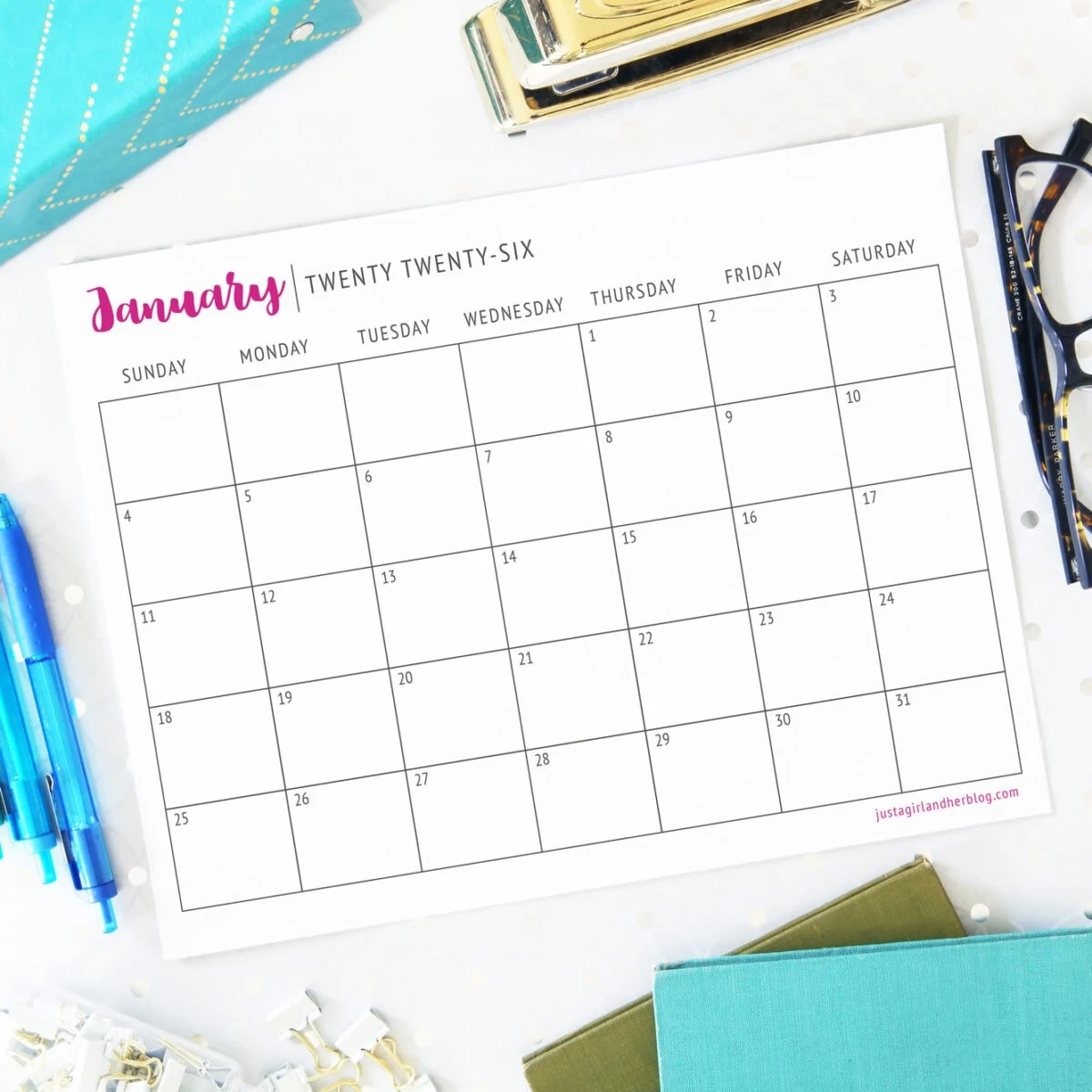
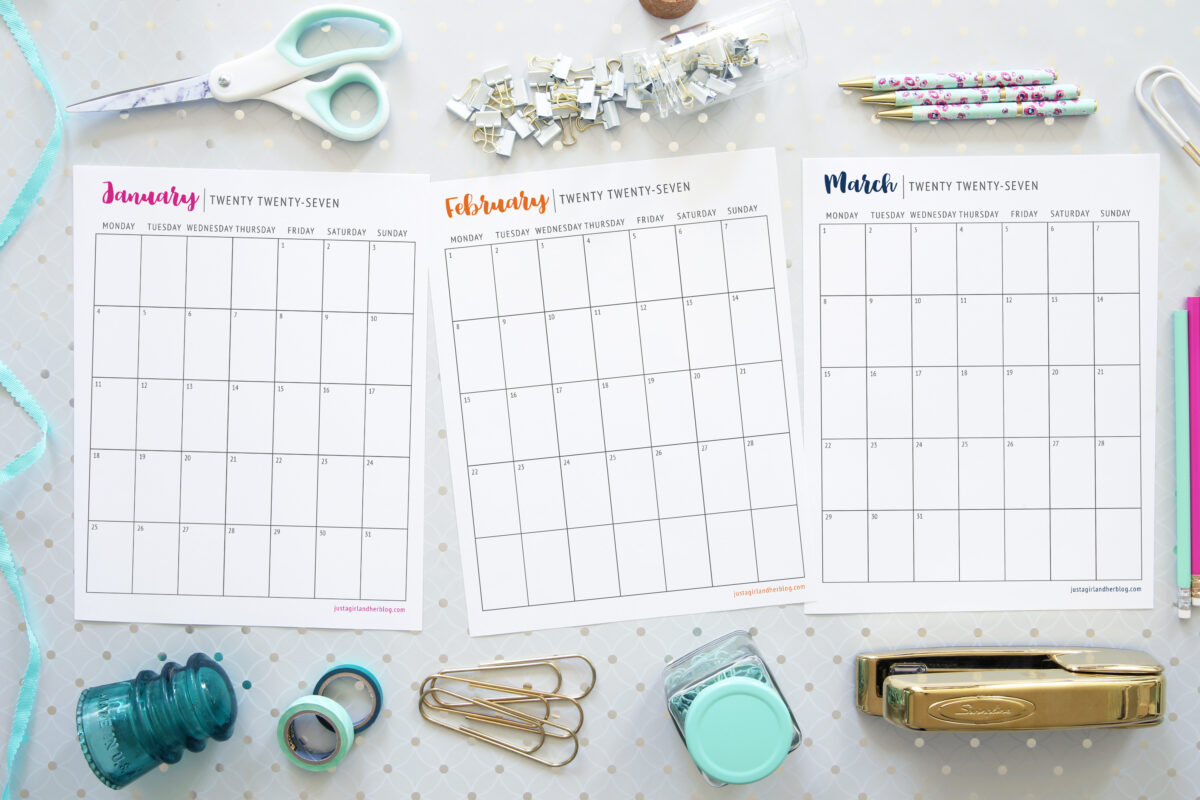
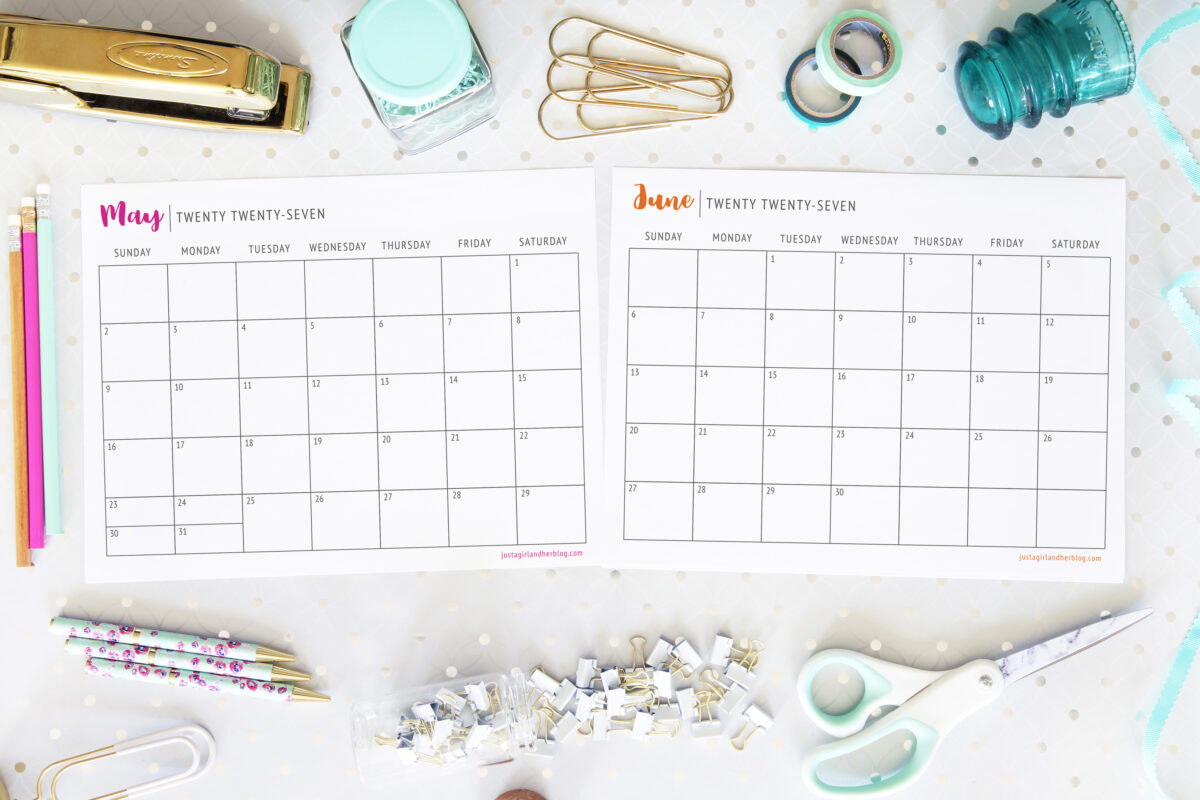
The core offering centers on a meticulously designed, highly adaptable monthly calendar series tailored for the year 2027. Engineered to fit standard 8.5” x 11” printer paper, the physical sheets can be mounted on refrigerators, inserted into three-ring binders, or kept on office desks for immediate visual reference.
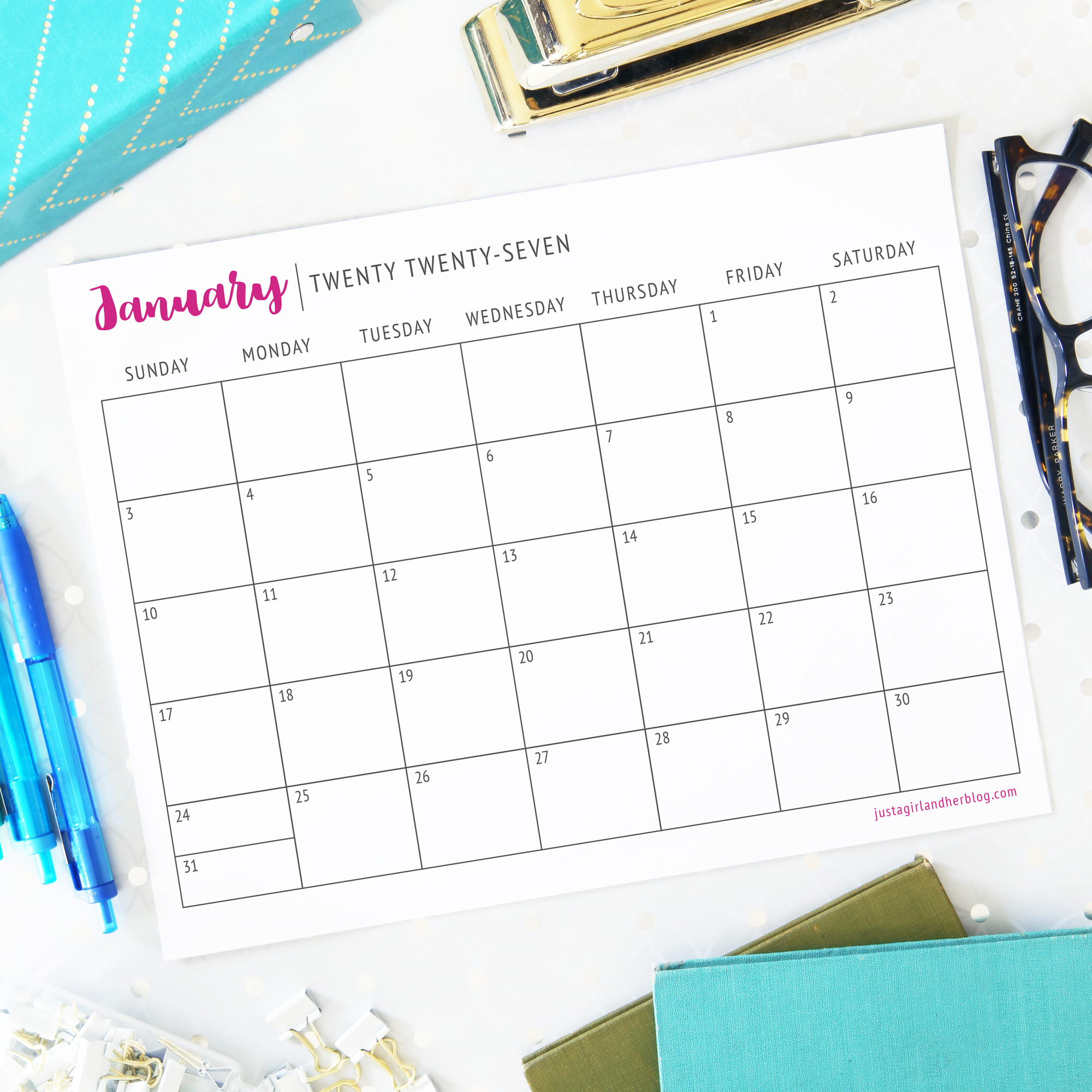
Unlike rigid, store-bought planners that often come with unwanted pages or pre-printed constraints, these free printable templates offer ultimate versatility. Users across various demographics—from working professionals and busy parents to students and entrepreneurs—are utilizing the templates not merely for tracking appointments, but for:
- Mapping out long-term personal and professional goals.
- Managing fitness routines, meal plans, and habit-tracking regimens.
- Organizing household maintenance schedules and academic deadlines.
- Keeping children’s extracurricular activities and family events transparently aligned.
The appeal lies in simplicity. By stripping away digital distractions, physical calendars provide a grounded, distraction-free environment for intentional daily planning.
Chronology: How the Early-Bird Planning Trend Evolved
The timeline for annual calendar releases has shifted dramatically over the past decade, driven largely by consumer eagerness to get a head start on upcoming objectives.
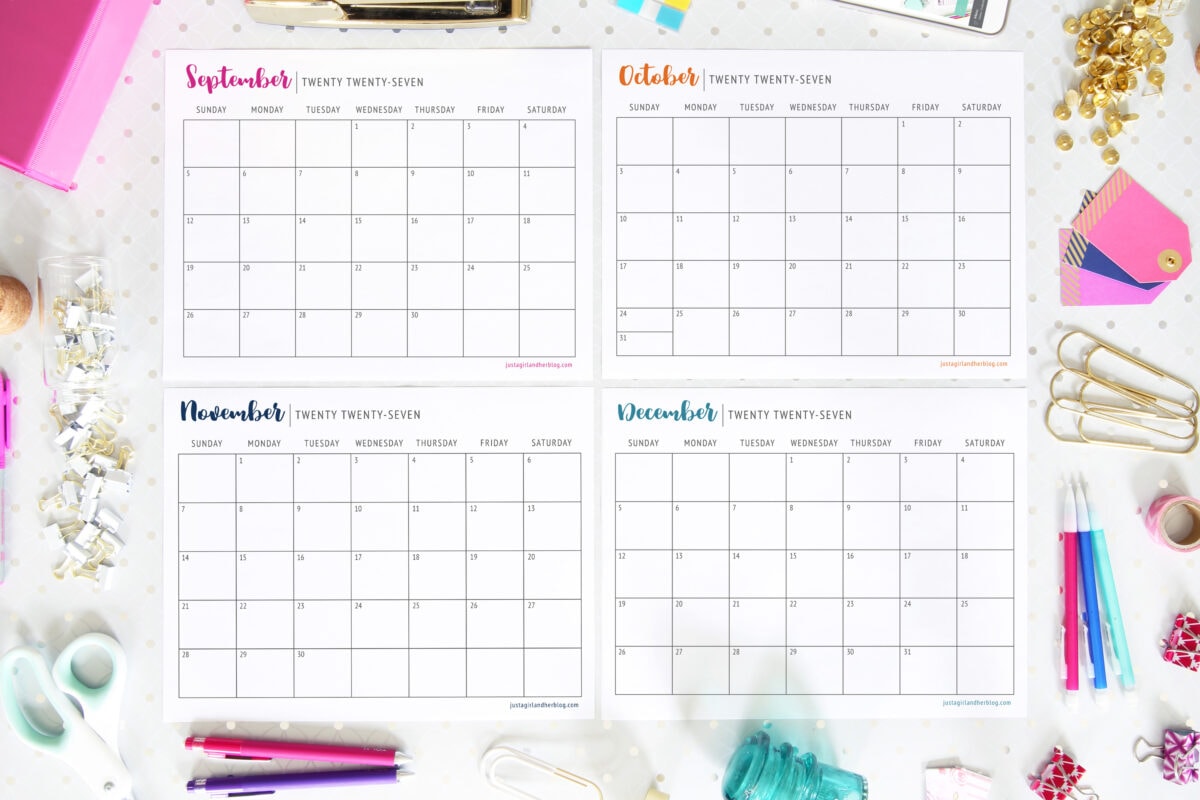
- Early Spring (April): The appetite for future organization tools manifests remarkably early. Organizers report receiving the first wave of inquiries regarding the 2027 calendars as early as April—months ahead of traditional holiday planning cycles.
- Mid-Summer (July): Design and formatting finalize, leading to the official digital rollout of the 2027 templates. This matches historical trends where holiday bank giveaways in previous decades saw patrons lining up for physical calendars well before autumn arrived.
- Late Autumn to Winter: The peak utilization period begins, as households and workplaces prepare to transition their organizational frameworks for the upcoming January start date.
- Ongoing Year-Round Integration: Rather than being viewed as temporary seasonal items, printable calendars have evolved into dynamic, cyclical tools where users print fresh months or switch layouts dynamically as their lifestyle needs change.
Supporting Data: The Psychology and Economics of Analog Organization
Market research into consumer stationery and productivity habits reveals striking insights into why physical planning tools continue to thrive despite widespread smartphone adoption.
- Cognitive Retention: Psychological studies consistently demonstrate that handwriting notes and appointments activates the reticular activating system (RAS) in the brain, improving memory retention and task commitment compared to digital typing.
- The "Unplugged" Movement: A significant percentage of younger demographics (Millennials and Gen Z) are actively incorporating analog practices into their digital routines to combat screen fatigue and digital burnout.
- Accessibility and Cost Efficiency: Premium planners can cost upwards of $30 to $60, making free, high-resolution printable alternatives an economically attractive option for households managing tight budgets without sacrificing aesthetic or functional quality.
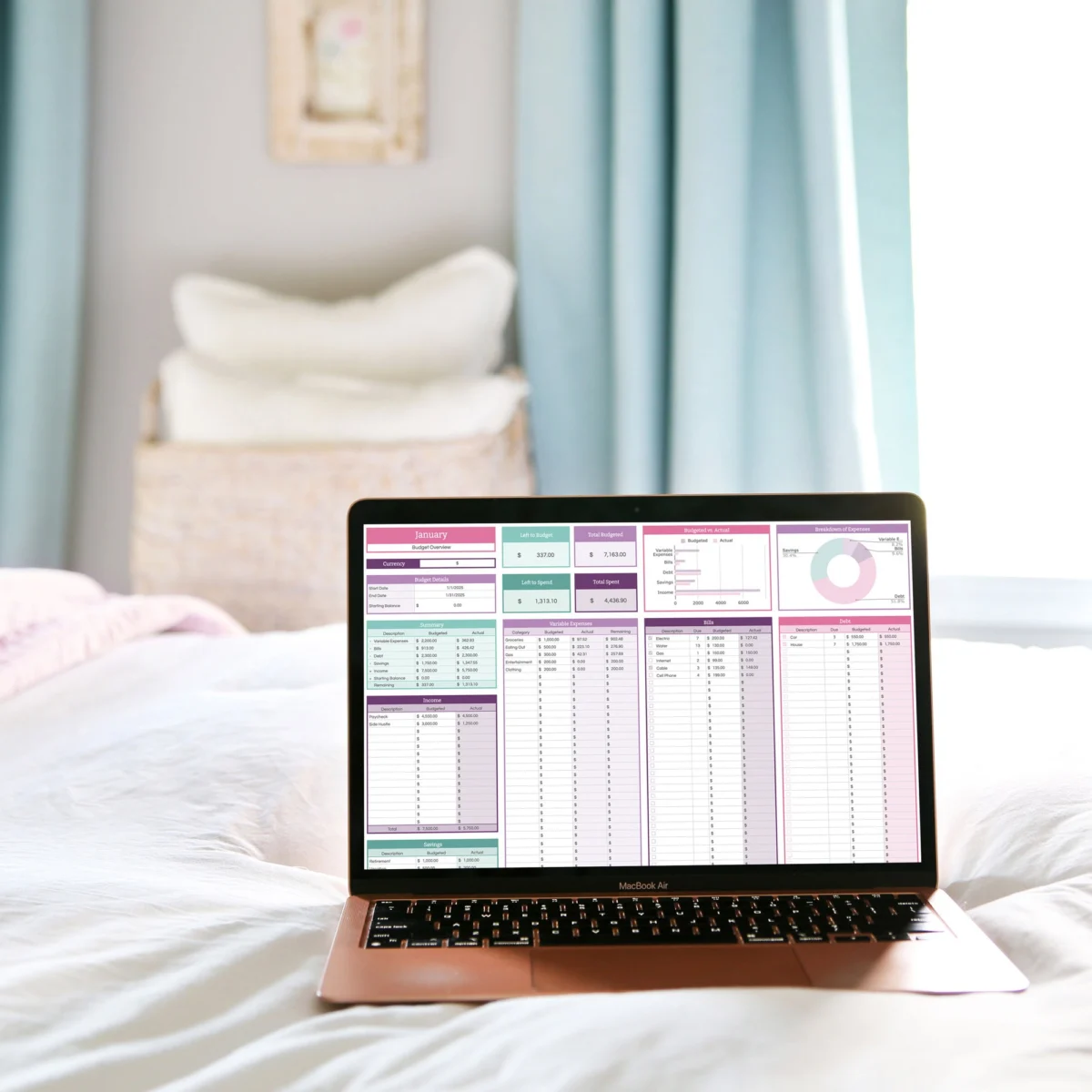
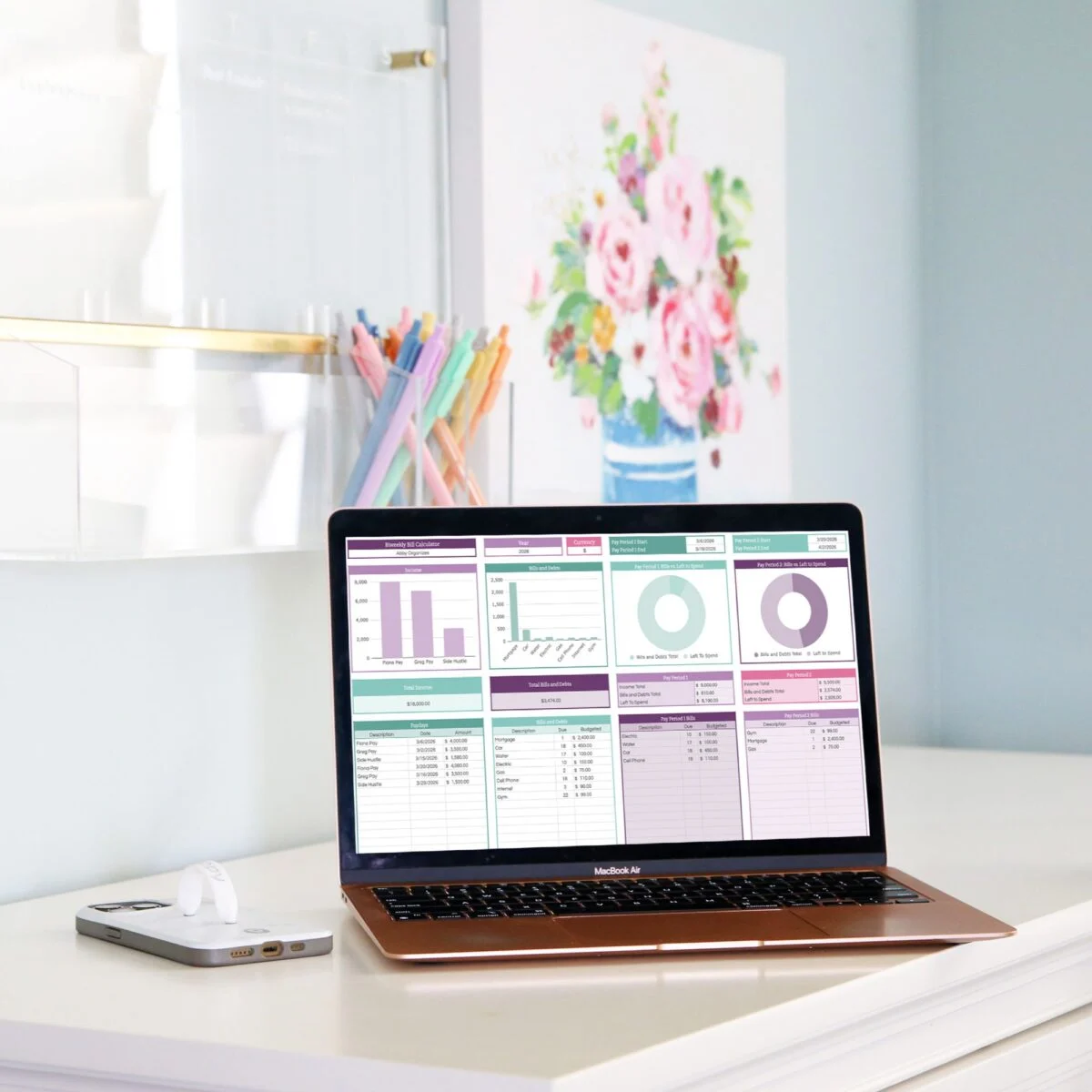
- Ecosystem Expansion: Platforms offering free printables frequently report massive libraries—often housing upwards of 65 distinct organizational templates—indicating that consumers desire modular planning systems where they can mix and match calendars, budget sheets, and chore charts.
Official Perspectives: Creators and Productivity Experts Weigh In
Creators and lifestyle strategists emphasize that the psychological benefits of organization extend far beyond simple time-management.
"Calendar people are a dedicated community," notes Abby Lawson, creator and designer behind the viral annual calendar releases. Reflecting on years of observing consumer habits—ranging from bank patrons hoarding holiday calendars in decades past to modern digital followers requesting printables months in advance—she highlights the profound emotional connection people have with these tools.
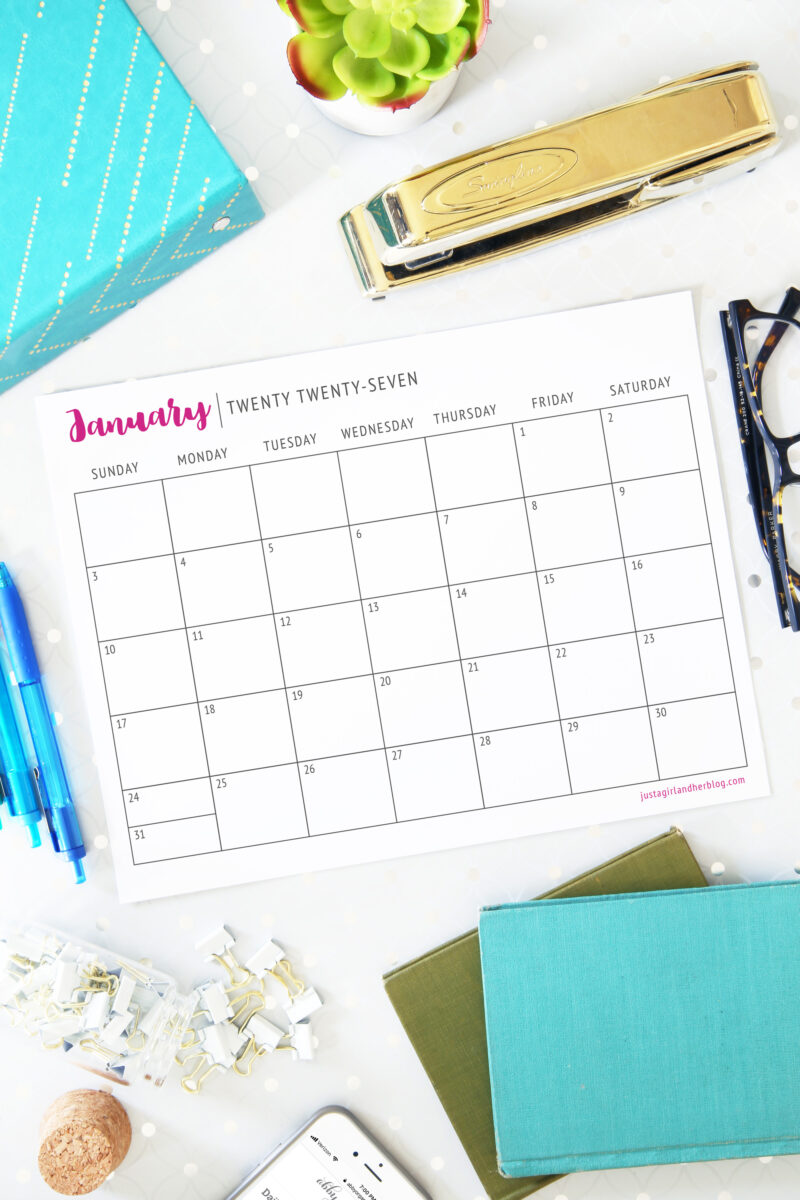
"There is something uniquely empowering about a blank monthly grid," Lawson explains. "It’s a fresh slate. When people feel overwhelmed by life, a simple piece of paper can spark the motivation needed to get the ball rolling on goals they’ve put off for months."
Productivity researchers echo this sentiment, noting that the act of physically checking off a box or writing down a deadline provides a dopamine reward loop that digital alerts simply cannot replicate. Furthermore, the tactile nature of hanging a calendar in a communal space, such as a kitchen or office bulletin board, fosters better household and team communication.
Implications: What the 2027 Calendar Surge Means for the Future of Work and Life
The massive early demand for the 2027 printables points toward broader shifts in how modern society approaches productivity and mental well-being.
1. Hybrid Productivity Models
Rather than treating analog and digital tools as mutually exclusive, consumers are adopting hybrid workflows. Many individuals use digital calendars (like Google Calendar or Outlook) for real-time notifications and professional syncs, while relying on physical, printed calendars for high-level macro planning, goal setting, and visual peace of mind.
2. The Rise of Personalized Micro-Publishing
The popularity of downloadable calendars highlights a shift away from mass-produced consumer goods toward customizable, print-on-demand resources. Users appreciate the autonomy to select specific layouts—whether horizontal, vertical, minimalist, or decorative—that match their personal aesthetic and workflow preferences.
3. Combating Digital Overload
As artificial intelligence, constant notifications, and remote work blur the lines between personal and professional time, tools that encourage physical separation from screens will likely see continued growth. The humble paper calendar serves as a low-tech anchor in an increasingly complex digital world.
Conclusion
As individuals look ahead to 2027, the desire for clarity, structure, and intentional living remains stronger than ever. Whether utilized as a family command center, a fitness tracker, or a professional deadline monitor, the free printable calendar stands as proof that sometimes the most effective technological innovations are the ones that require nothing more than a pen and a piece of paper.
For those looking to get a jump start on their 2027 schedules, the free printable calendars are now available for download across major lifestyle and organization platforms, providing a seamless bridge between aspiration and daily execution.