

Managing household finances can often feel like an uphill battle, particularly when personal income schedules do not neatly align with standard monthly billing cycles. For millions of workers paid every two weeks, the traditional approach to budgeting—assuming two tidy paychecks per month—frequently leads to confusion, mismatched cash flow, and unnecessary financial stress.
However, rather than serving as an obstacle to financial stability, a biweekly pay schedule can actually become a powerful strategic asset. With a structured approach and the right planning tools, households can streamline their expenses, eliminate guesswork, and capitalize on the hidden wealth generated by a 26-pay-period calendar.

Main Facts: The Mechanics of Biweekly Pay
The fundamental challenge of a biweekly pay schedule lies in simple arithmetic. When employees are paid every two weeks, they receive 26 paychecks over the course of a single calendar year. In contrast, individuals on a semi-monthly schedule—typically paid twice a month on fixed dates, such as the 1st and the 15th—receive 24 paychecks annually.
This seemingly minor difference of two extra paychecks per year creates a unique cash flow dynamic. Because most major household bills, such as mortgages, rent, and utility payments, operate on strict monthly schedules, aligning them with a 26-pay-period income model requires intentional organization.

- The Core Strategy: Financial experts recommend designing a baseline monthly budget funded by just two paychecks per month.
- The Surplus: Because 26 paychecks divided by 12 months equals more than two paychecks per month on average, this baseline strategy results in two distinct months out of the year where a household receives a third, "bonus" paycheck.
- The Opportunity: These extra paydays provide an extraordinary mechanism for accelerating debt reduction, building robust emergency funds, or fueling long-term savings goals.
Chronology: A Step-by-Step Blueprint for Biweekly Budgeting
Transitioning to a functional biweekly budget does not require an advanced degree in economics. By following a clear, chronological implementation process, households can transform chaotic spending habits into a predictable, streamlined system.
Step 1: Calculate Your True Net Income
The foundational step of any financial plan is understanding exact cash flow. Households must determine the precise net income (take-home pay) available from each individual paycheck.

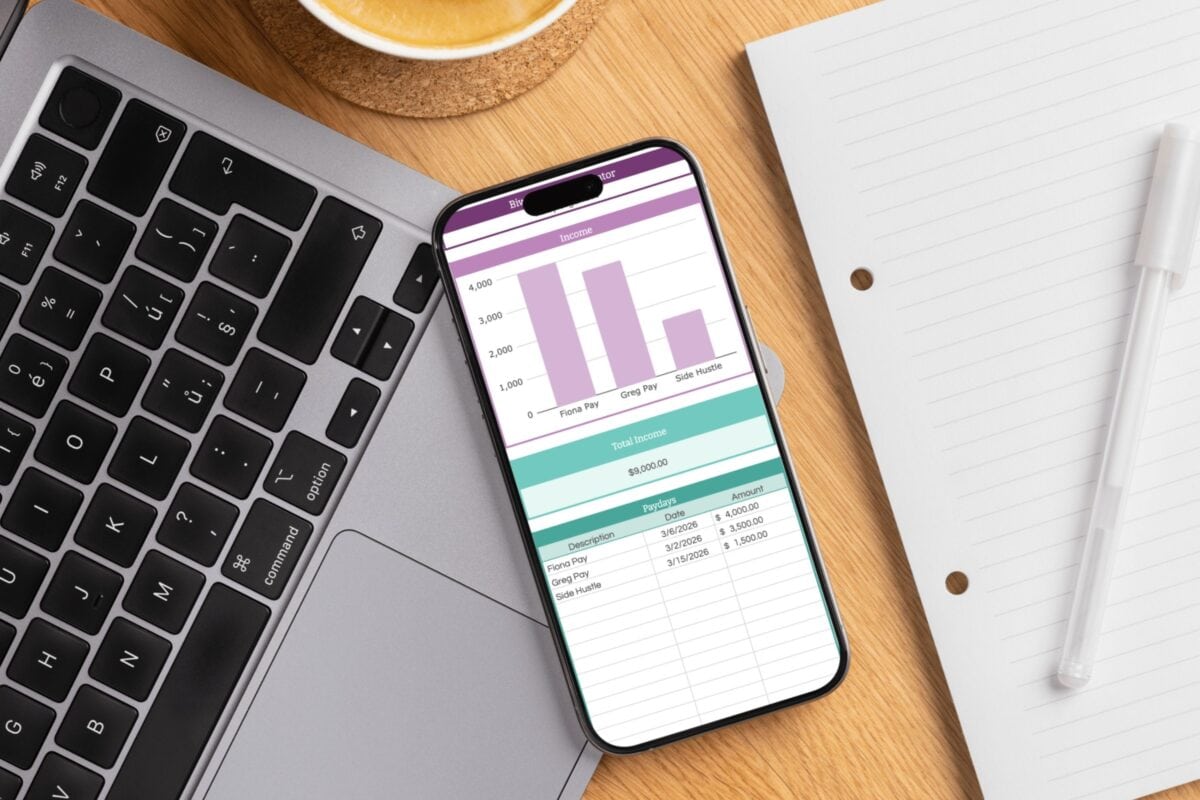
To create a complete picture, this calculation should incorporate all income sources, including secondary paychecks from spouses or partners, earnings from side hustles, and regular freelance income. Relying on exact figures rather than estimates ensures that subsequent spending plans are built on a solid reality.
Step 2: Conduct a Comprehensive Bill and Debt Inventory
Once income is established, the next phase involves analyzing outgoing expenses. Households should review bank and credit card statements from the previous month to compile an exhaustive list of every recurring bill and debt obligation.
- Data Collection: Note the exact name of the bill, its standard due date, and the average payment amount.
- Variable Bills: For utilities such as electricity and water that fluctuate seasonally, budget using a conservative, slightly higher estimate. It is always preferable to finish the month with a small surplus than to experience a cash shortage.
- Date Distribution: Evaluate how bills are distributed across the calendar. Ideally, the total expenses due in the first half of the month should roughly match those in the second half. If a major imbalance exists—such as 80% of bills falling due in the first ten days—households can proactively contact service providers to request a billing date adjustment. Many utility companies and lenders are highly accommodating.
Step 3: Categorize and Track Variable Expenses
With fixed bills mapped out, attention shifts to variable living expenses. These include categories such as groceries, automotive fuel, dining out, clothing, and entertainment.
For beginners, attempting to guess these numbers can be difficult. Financial advisors recommend tracking all spending for a single initial month to establish a baseline average. Once these historical trends are clear, realistic spending limits can be established for the second month and beyond.

Step 4: Account for Savings Contributions and Buffer Funds
A complete budget must account for the future, not just the present. Households should explicitly designate monthly contributions toward savings categories, including emergency funds, retirement accounts, and specific sinking funds for holidays, vacations, or annual vehicle maintenance.
Furthermore, biweekly earners heavily benefit from establishing a buffer fund. This is a dedicated, small-scale savings cushion kept separate from primary checking accounts. When paydays fall at awkward points in the monthly bill cycle, the buffer fund provides immediate liquidity to bridge temporary gaps, ensuring bills are never paid late. Borrowed funds are then replenished as soon as the next paycheck clears.

Step 5: Implement Weekly Expense Tracking
A budget is not a static document; it is a living management tool. The most successful budgeters practice active weekly oversight. Dedicating roughly 20 minutes each week—such as Friday mornings—to log transactions into a digital spreadsheet or tracking app allows households to catch overspending early and adjust remaining discretionary funds before a deficit occurs.
Supporting Data: The Impact of Planned Surpluses
When structured correctly, the math behind a biweekly budget reveals significant untapped potential. Consider the mechanics of the "third paycheck" months—those two specific months out of the year where the calendar yields three paydays instead of two.

If a household standardizes its living expenses around a two-paycheck baseline, the income from those two extra paychecks represents pure financial surplus. For an individual earning a net income of $2,000 per paycheck, those two surplus paydays inject an additional $4,000 into the household annually.
When directed toward high-interest debt or compounded savings instruments, this structural advantage can shave years off a debt-repayment timeline and accelerate milestones like homeownership or retirement readiness. Rather than treating these extra funds as accidental windfall money to be spent impulsively, households with a pre-ranked list of financial goals can channel these resources directly toward their next major objective.

Official Perspectives and Expert Insights
Financial literacy advocates and professional coaches consistently emphasize that the primary reason people abandon budgeting is psychological fatigue. Complex systems filled with rigid rules or cumbersome tracking methods frequently overwhelm beginners, causing them to abandon the process altogether.
According to personal finance organizers, simplifying the interface between irregular pay schedules and monthly obligations is the key to long-term adherence. By utilizing automated calculation tools—such as dedicated biweekly bill calculators and dynamic spreadsheets—users remove the cognitive friction associated with manual math.

Experts note that the act of simply paying attention to financial patterns triggers a natural behavioral shift. Households routinely discover that tracking expenses for as little as 20 minutes a week naturally curbs impulsive purchasing behavior, allowing them to save more aggressively without feeling deprived of lifestyle comforts.
Implications: Long-Term Financial Health and Stability
The transition to an optimized biweekly budget carries profound implications for household economic resilience. In an economic climate characterized by shifting living costs, having a transparent, highly organized spending framework provides a vital safety net.

- Reduced Financial Anxiety: Eliminating the guessing game of which paycheck covers which bill removes a major source of chronic stress for working families.
- Eradication of Overdraft Fees: By smoothing out cash flow discrepancies and maintaining a buffer fund, households drastically reduce the likelihood of accidental overdrafts and costly late fees.
- Accelerated Wealth Building: By weaponizing the two extra annual paychecks against debt or into targeted investments, families build long-term generational wealth far faster than those living paycheck-to-paycheck without a plan.
Ultimately, mastering a biweekly budget changes the relationship an individual has with money. It shifts the financial mindset from reactive survival to proactive planning, empowering households to take full control of their financial destinies with confidence and clarity.