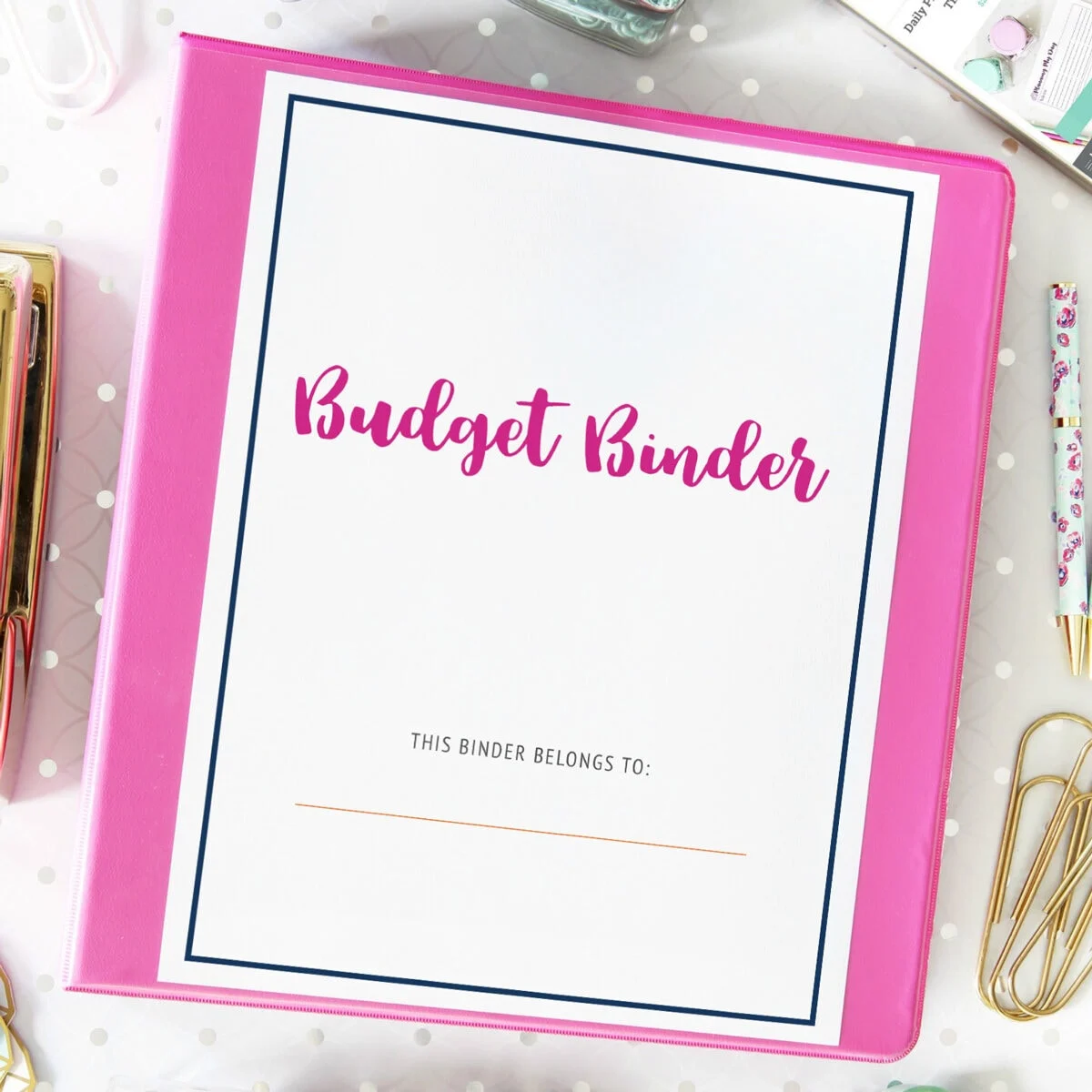
As the calendar turns toward 2026, millions of households are once again confronting the perennial challenge of financial management. Whether you are looking to aggressively pay down high-interest debt, build a robust emergency fund, or simply gain better visibility into your monthly cash flow, the path to prosperity begins with organization. To aid in this pursuit, the highly anticipated 2026 Budget Binder has officially been released, offering a comprehensive, free-to-use system designed to transform how families track their income and expenses.
Main Facts: A Tool for Financial Clarity
The 2026 Budget Binder is not merely a collection of forms; it is a strategic framework designed to help individuals transition from passive spending to active financial management. By digitizing or printing these resources, users can establish a tangible record of their financial health.
The core philosophy behind this initiative is simple: you cannot manage what you do not measure. By tracking every dollar, users are empowered to identify "leaks" in their budget—frequent, often unnoticed expenditures—that, when eliminated, can lead to significant annual savings. The binder serves as a centralized hub, housing everything from long-term financial goals to the granular details of daily recurring payments.
Chronology: The Evolution of Personal Budgeting
The movement toward DIY financial planning has seen a resurgence over the last decade. Historically, households relied on manual checkbook registers and paper ledgers. In the early 2010s, the landscape shifted toward complex software and mobile applications. However, in recent years, there has been a notable return to "analog" planning.
The current trend favors physical binders because they force a level of intentionality that digital apps often lack. By physically writing down an expense, the user creates a psychological "friction" that can deter impulsive spending.
- Late 2025: Initial user feedback and requests for an updated 2026 template began flooding in, highlighting a continued desire for structure as inflation and holiday debt weigh on consumer confidence.
- January 2026: The official launch of the 2026 version, featuring refined templates that account for modern subscription-based economies and updated goal-setting methodologies.
Supporting Data: Why Budgeting Matters
The necessity for such tools is underscored by recent economic data. According to various personal finance studies, individuals who utilize a written budget are 30% more likely to save for emergencies and 50% more likely to pay off debt within a three-year window compared to those who "wing it."
The Psychology of Goal Setting
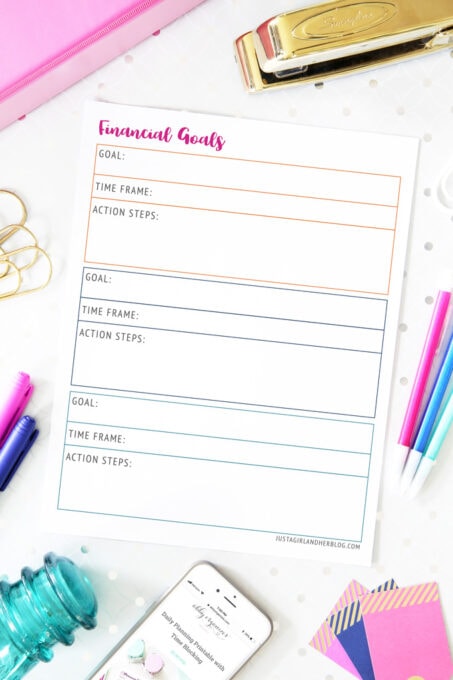
The 2026 binder emphasizes the "Financial Goals" page, which is strategically placed at the front of the binder. Behavioral economists suggest that setting specific, measurable, achievable, relevant, and time-bound (SMART) goals is the single most effective way to modify spending behavior. When an individual writes down a goal—such as paying off student loans by December 2026—and pairs it with concrete action steps (e.g., "increase monthly payment by $100"), the likelihood of success increases exponentially.
Tracking Recurring Expenses
One of the most significant pitfalls for the modern consumer is the "subscription trap." Between streaming services, cloud storage, and gym memberships, recurring costs often go unchecked. The 2026 binder includes a dedicated section to audit these costs. By reviewing bank statements from the previous three months, users often discover "zombie subscriptions"—services they no longer use but continue to pay for. Identifying these alone can often result in $50 to $200 of reclaimed monthly cash flow.
Official Methodology: Components of the 2026 Binder
The binder is structured to guide the user through a logical flow of financial assessment. The following components are considered the "pillars" of the system:
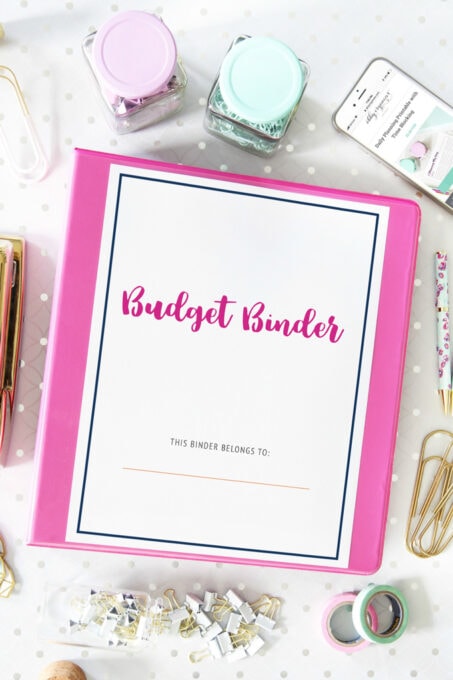
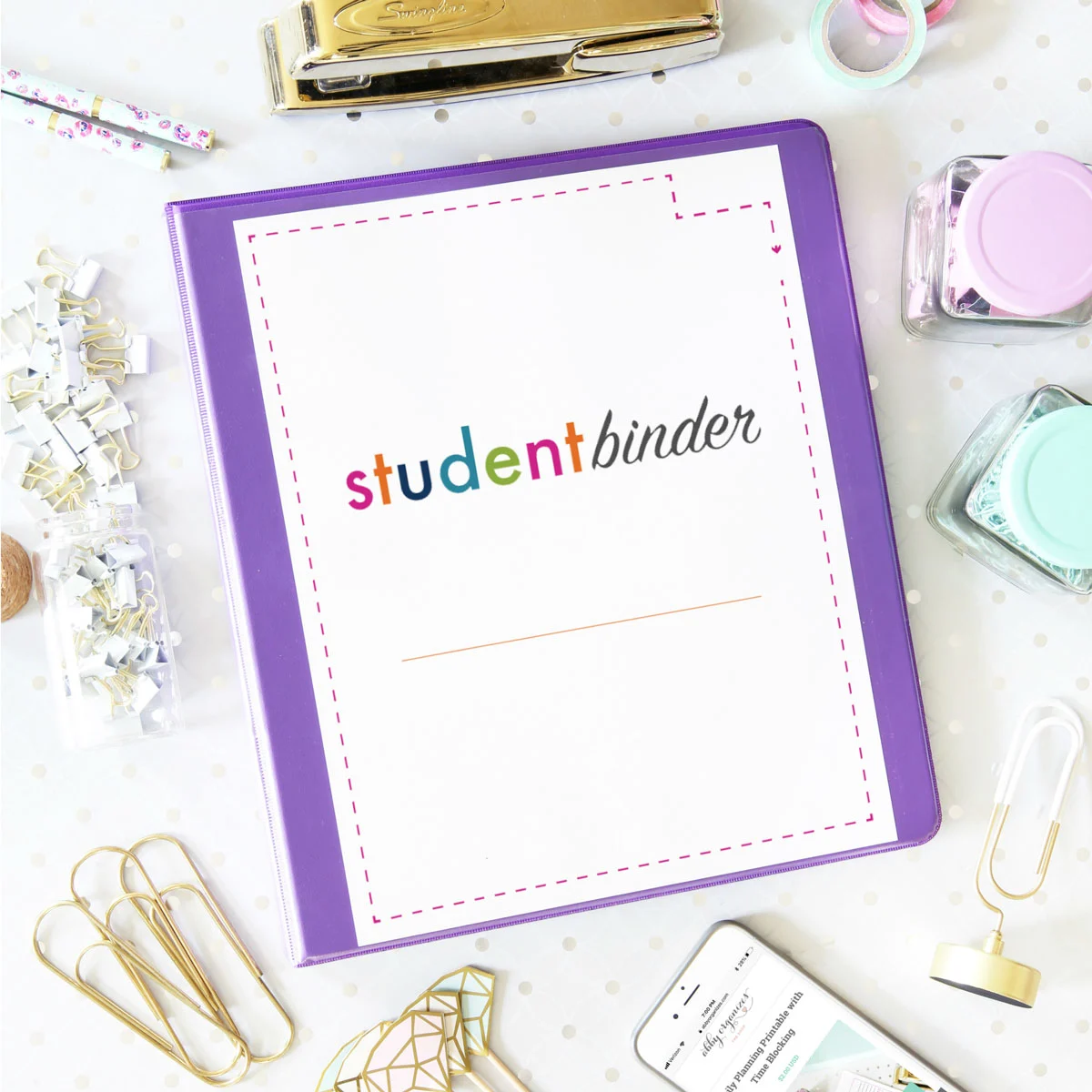
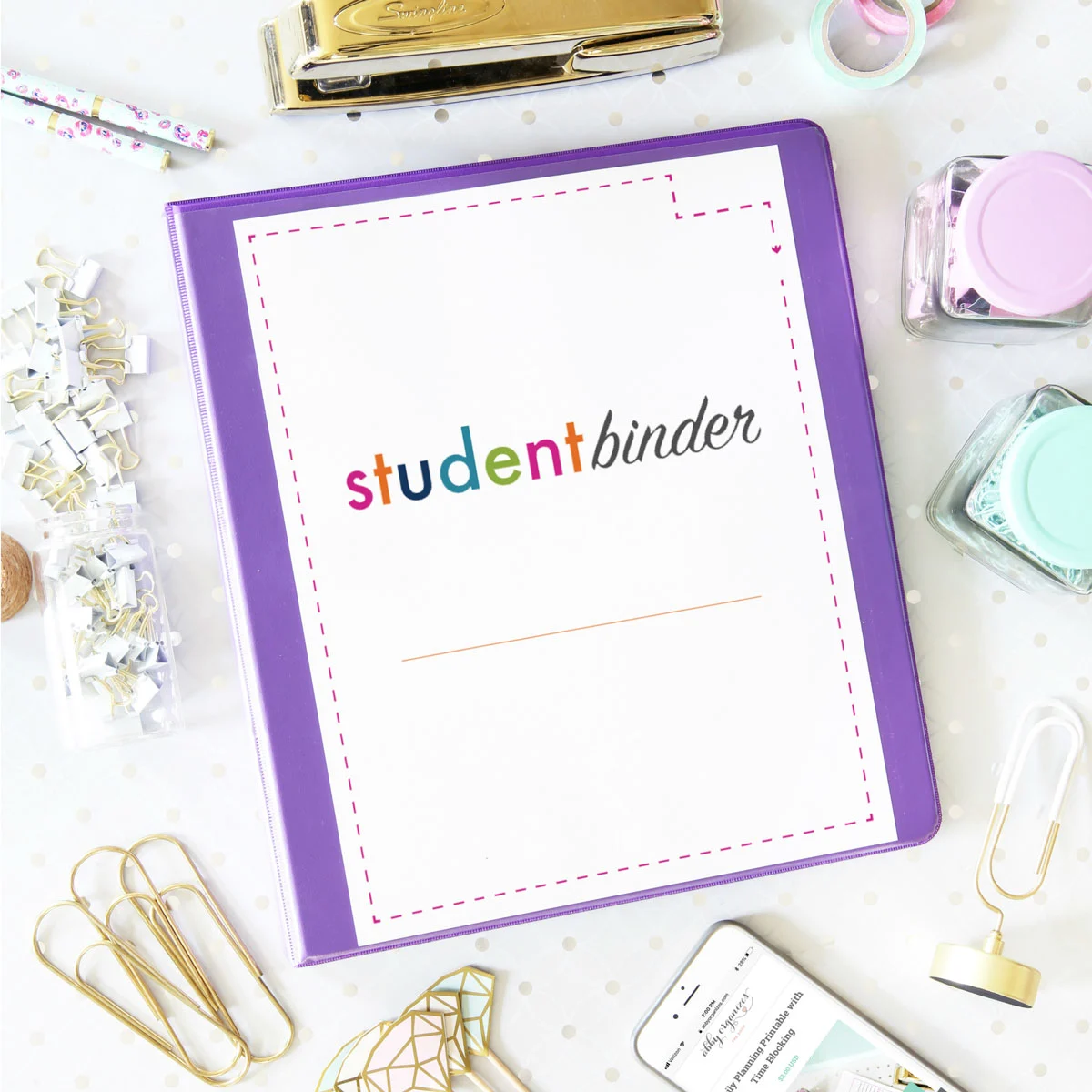
1. The Cover Page
While seemingly aesthetic, the cover page serves as a psychological anchor. Personalizing the binder with one’s name fosters a sense of ownership and accountability.
2. The Goal-Setting Sheet
This is the "North Star" of the binder. It encourages users to define their "why." Whether it is buying a home, paying off debt, or saving for a vacation, this page serves as a reminder during times of financial temptation.
3. The Recurring Expenses Tracker
This section is designed to manage fixed costs. It includes space for the bill name, amount, due date, and a monthly checklist. This ensures that no payment is missed, thereby avoiding late fees and protecting the user’s credit score.
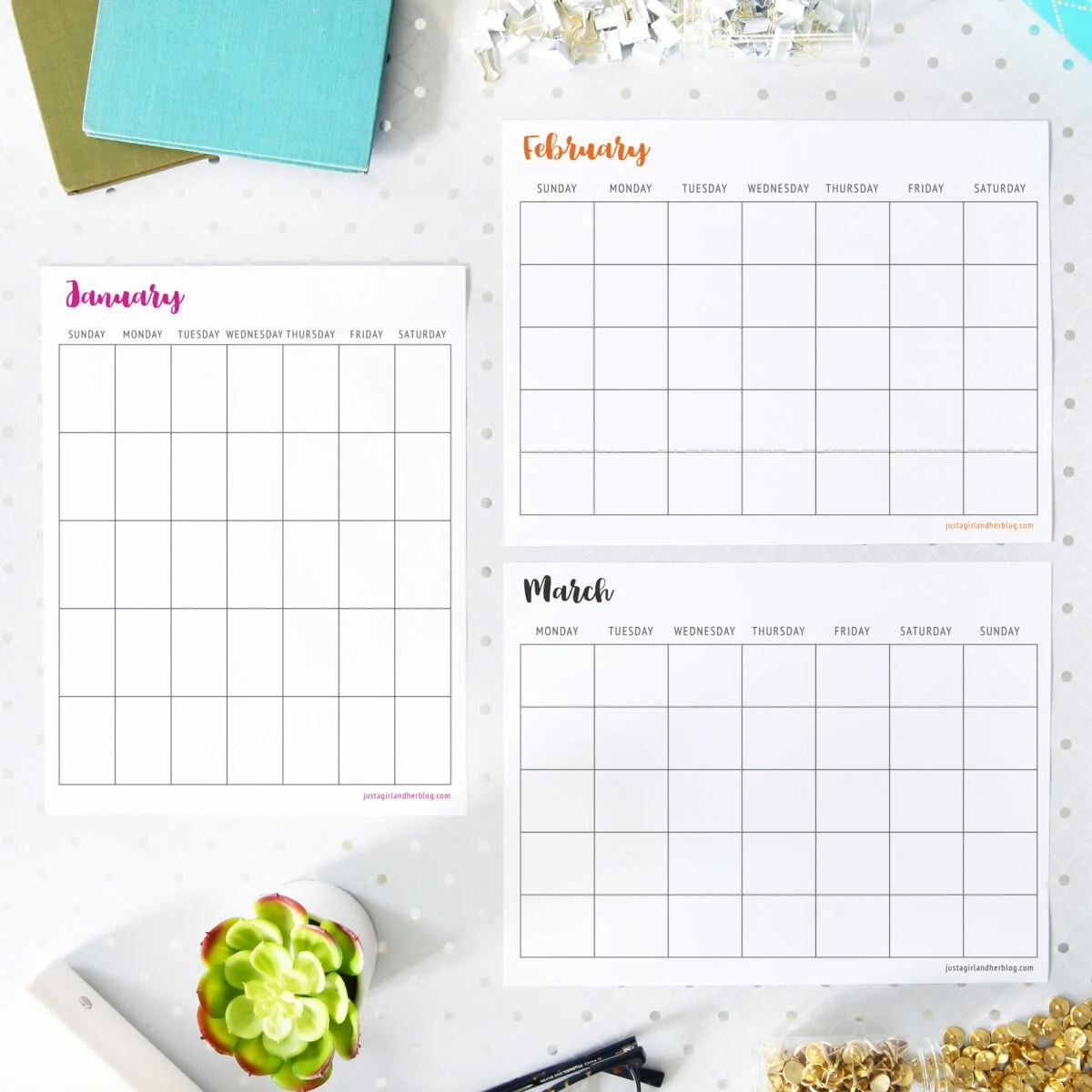
4. Monthly Expense Tracking
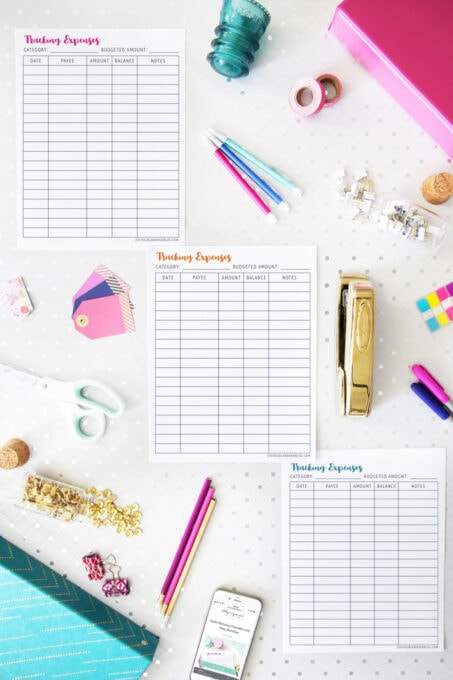
This is the "checkbook register" of the system. Users categorize expenses (e.g., Groceries, Utilities, Entertainment) and track spending against a predetermined limit. This real-time feedback loop is crucial for mid-month adjustments.
5. The Monthly Check-In
The final piece of the puzzle is the review. At the end of every month, users reflect on their performance. What went well? Where did they overspend? What is the plan for the next month? This iterative process allows for a "course correction" rather than a total abandonment of the budget.
Implications: Building a Better Future
The implications of adopting a structured budget are profound. Beyond the immediate benefit of debt reduction, the habit of budgeting fosters a "wealth mindset." It moves the individual from a state of reacting to their bank balance to proactively directing where their money should go.

Long-Term Financial Health
Financial experts often note that the primary obstacle to wealth accumulation is not a lack of income, but a lack of control. By using the 2026 Budget Binder, users are effectively practicing the "pay yourself first" principle. When expenses are tracked and controlled, the surplus can be diverted into high-yield savings accounts, retirement funds, or investment vehicles.
Managing Holiday Debt
The release of the binder at the start of the year is intentional. Many households enter January with significant "holiday hangover" debt from December spending. Using the binder to categorize these debts and create a repayment schedule is the most effective way to avoid carrying that debt into the second half of the year.
How to Access the Tools
The 2026 Budget Binder is available for free download. By signing up for the associated newsletter, users gain access to this document, along with a broader library of over 300 pages of organizational printables. This ecosystem of resources is designed to help users streamline every aspect of their household management.
Conclusion: A Call to Action
The journey toward financial freedom is not a sprint; it is a marathon that requires daily, disciplined effort. The 2026 Budget Binder provides the map, but the user must provide the commitment.
As we move further into 2026, the question is not whether you have enough money, but whether you have enough clarity. By taking the time to set goals, track your recurring payments, and review your monthly habits, you can take control of your financial narrative. Whether you are a student, a parent, or a retiree, the principles of budgeting remain the same: spend less than you earn, save the difference, and plan for the future.
Disclaimer: This article is for informational purposes only and does not constitute professional financial advice. Always consult with a certified financial planner or tax professional regarding specific financial decisions or investment strategies.
Summary of Key Steps for Success
- Download and Print: Start by creating your physical binder to ensure your data is always accessible.
- Audit Your Spending: Use your last three months of bank statements to fill in your recurring expenses.
- Define Your Goals: Be specific. Instead of "save more," try "save $5,000 for an emergency fund by December."
- Stay Consistent: Schedule a weekly 15-minute "money date" to update your tracking sheets.
- Reflect and Adjust: Use the end-of-month check-in to refine your strategy for the following month.