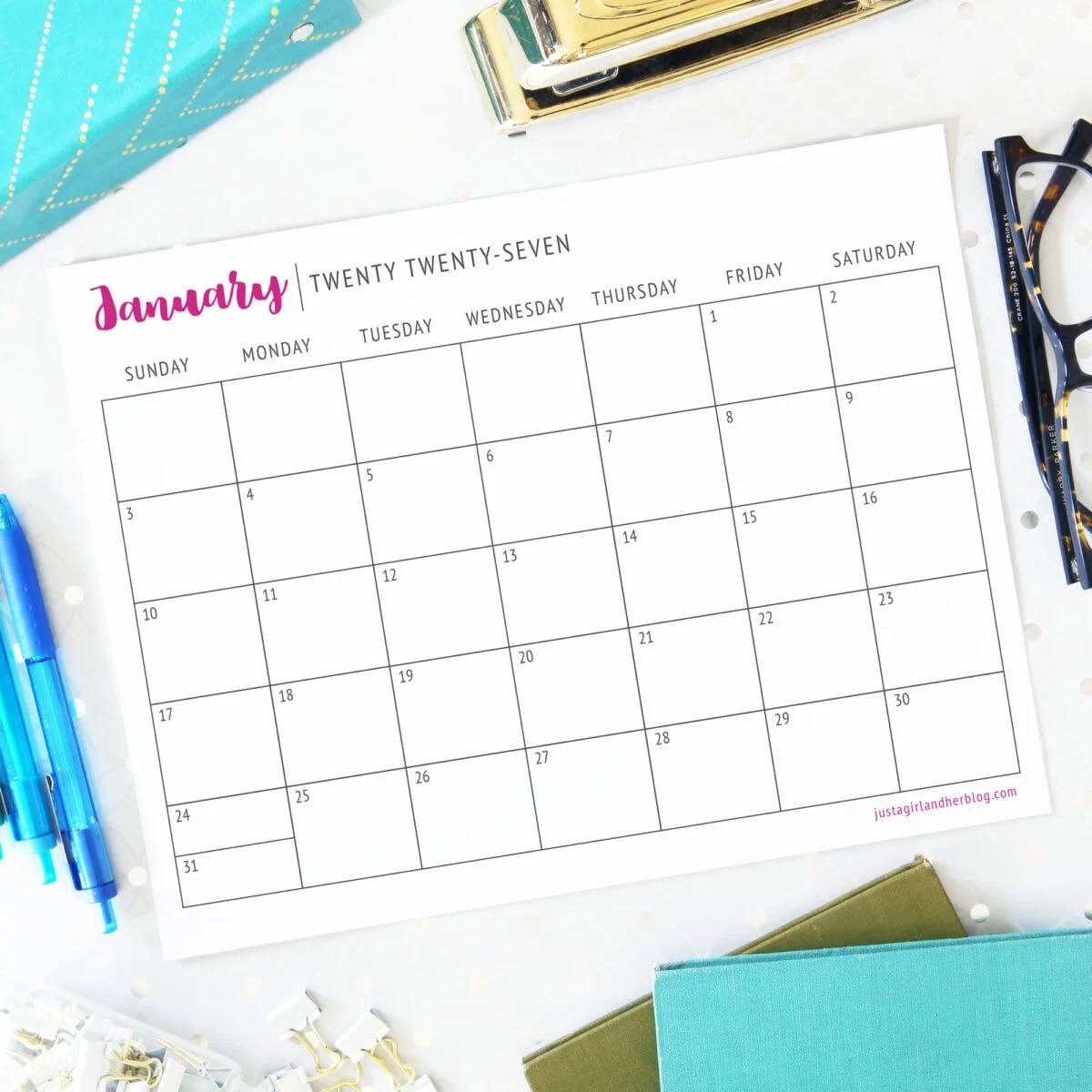
WASHINGTON, D.C. — In an era dominated by digital notifications, cloud-synced applications, and screen fatigue, a surprising counter-trend continues to thrive among productivity enthusiasts, students, and busy families: the tactile satisfaction of pen-and-paper planning. Addressing this growing demand for analog organization tools, lifestyle and organization platforms have rolled out their highly anticipated annual lineup of free resources, highlighted by an expansive, customizable collection of printable calendars for 2027.
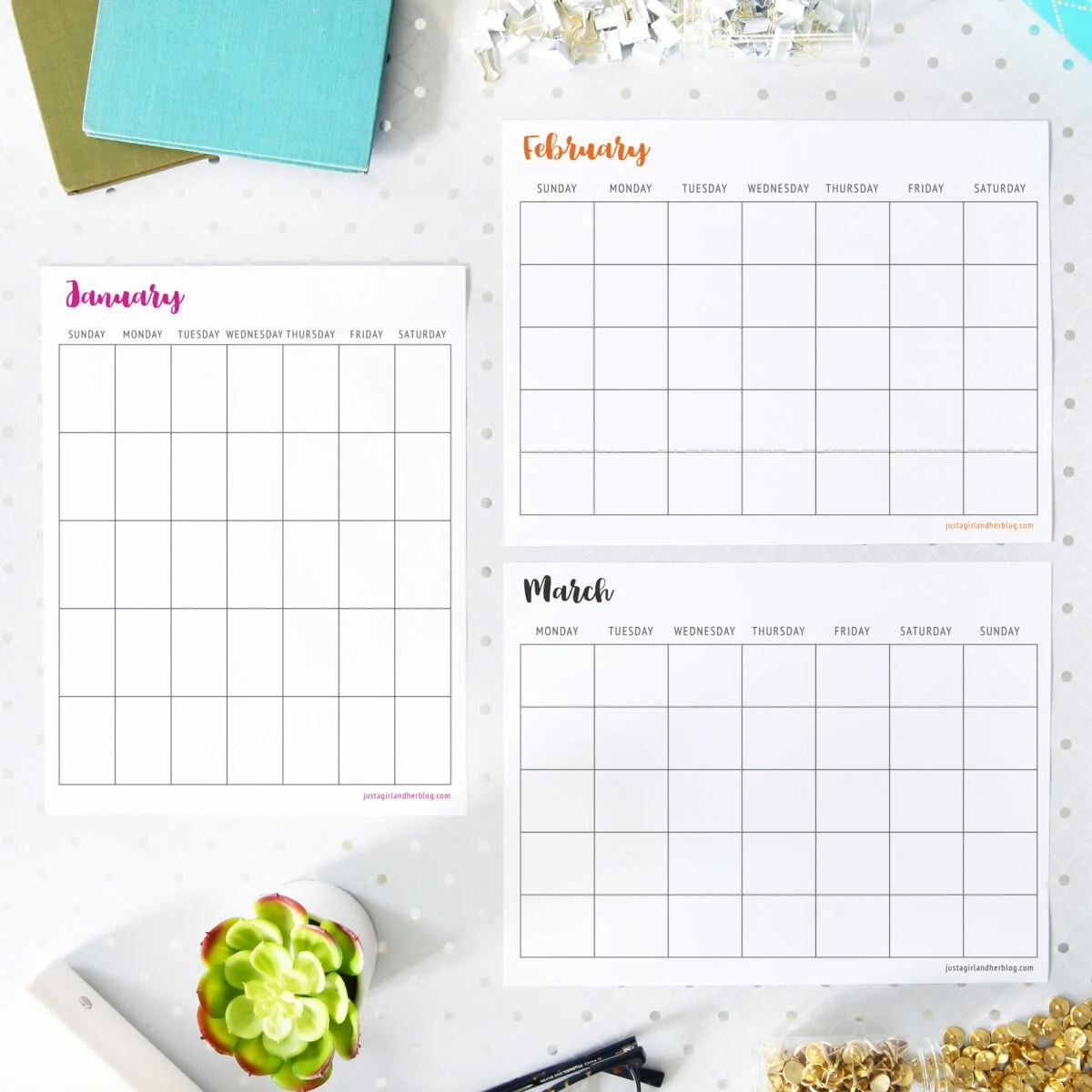
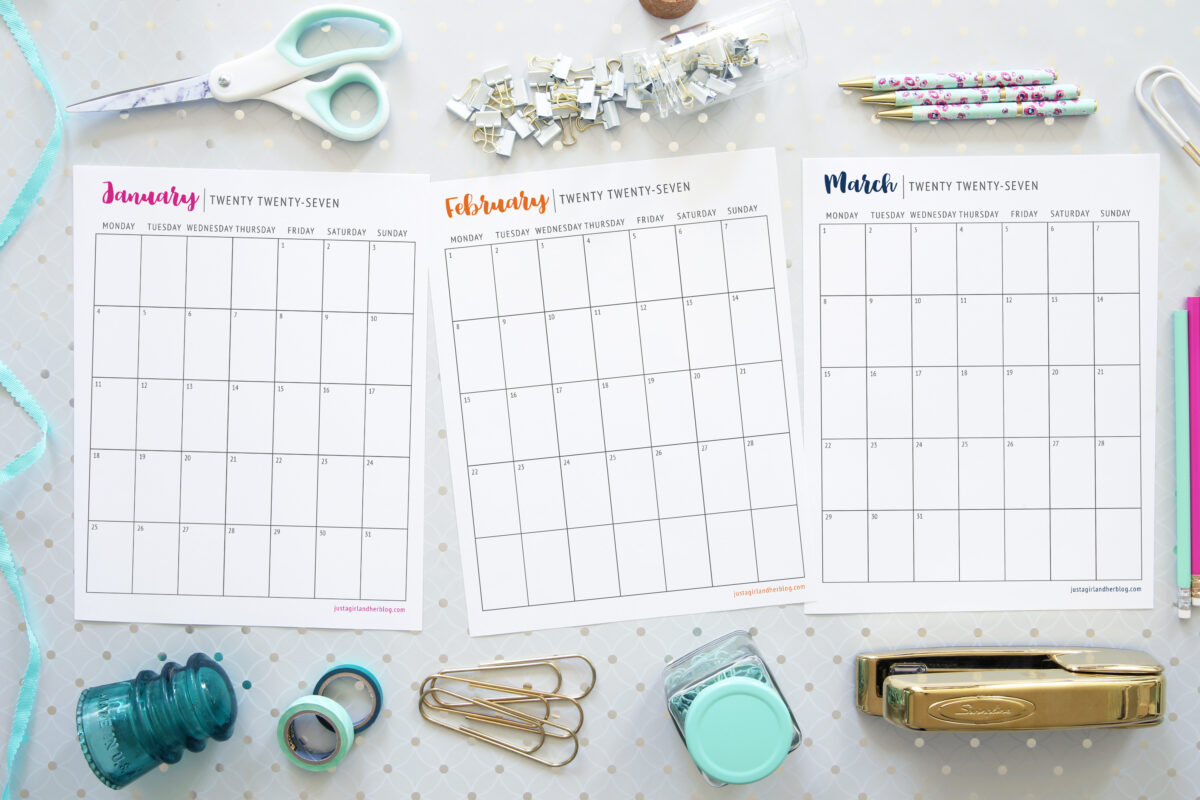
Designed to accommodate diverse scheduling preferences, international standards, and workflow aesthetics, the newly released suite includes eight distinct layout variations. These range from traditional Sunday-start grids to international Monday-start configurations, landscape and portrait orientations, and completely undated templates for ultimate long-term flexibility.

Main Facts: The 2027 Printable Calendar Ecosystem
The newly released suite of organizing tools aims to bridge the gap between creative expression and functional time management. Key features of the 2027 collection include:
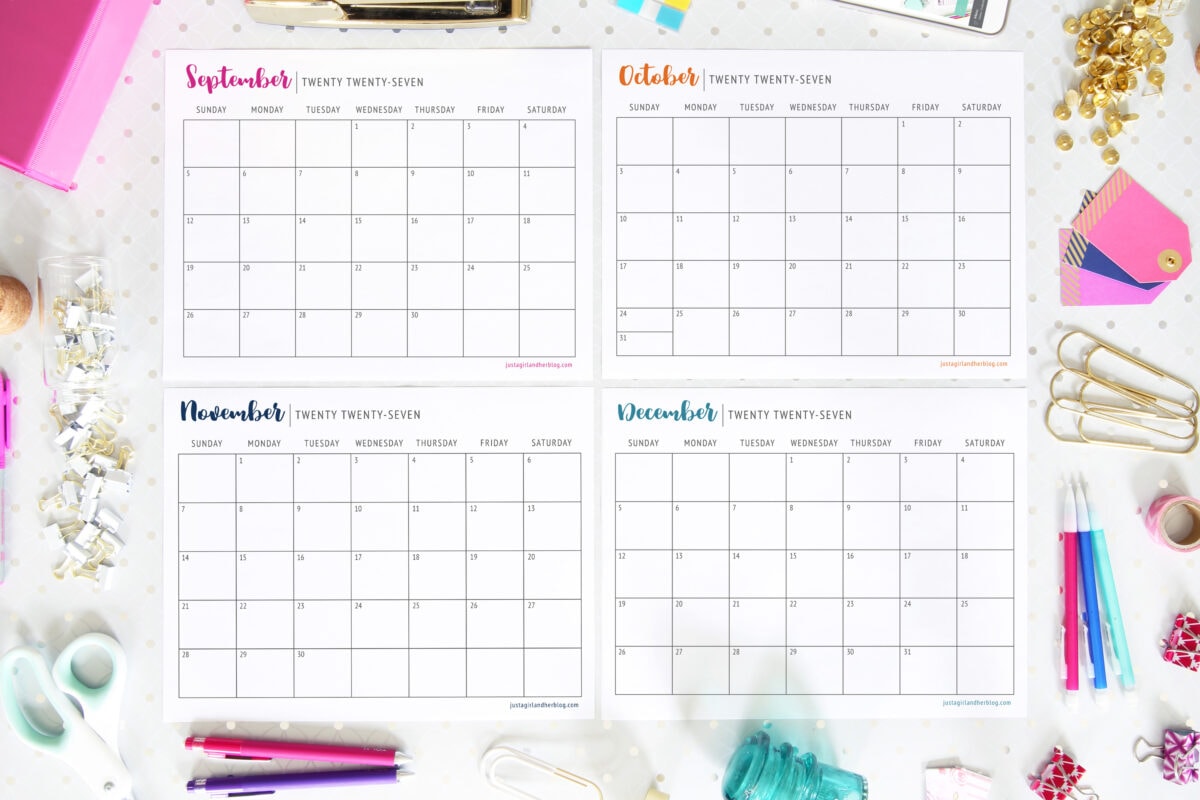
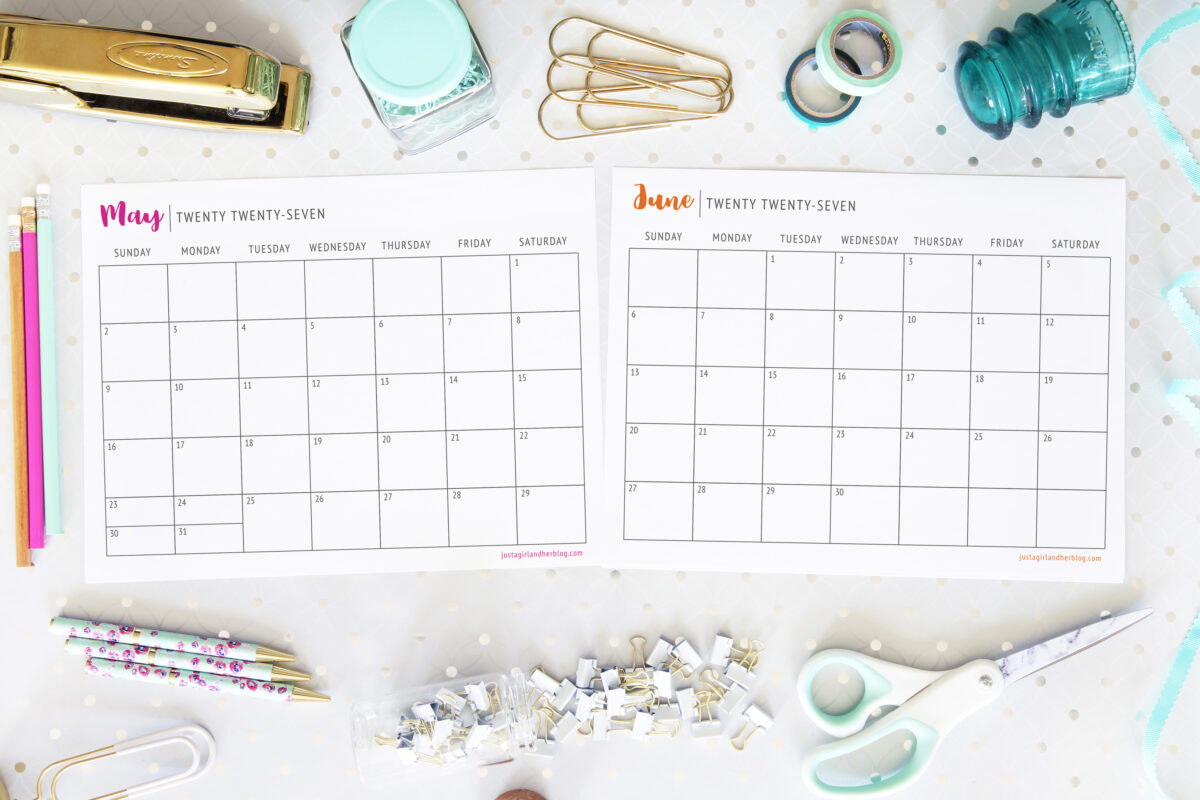
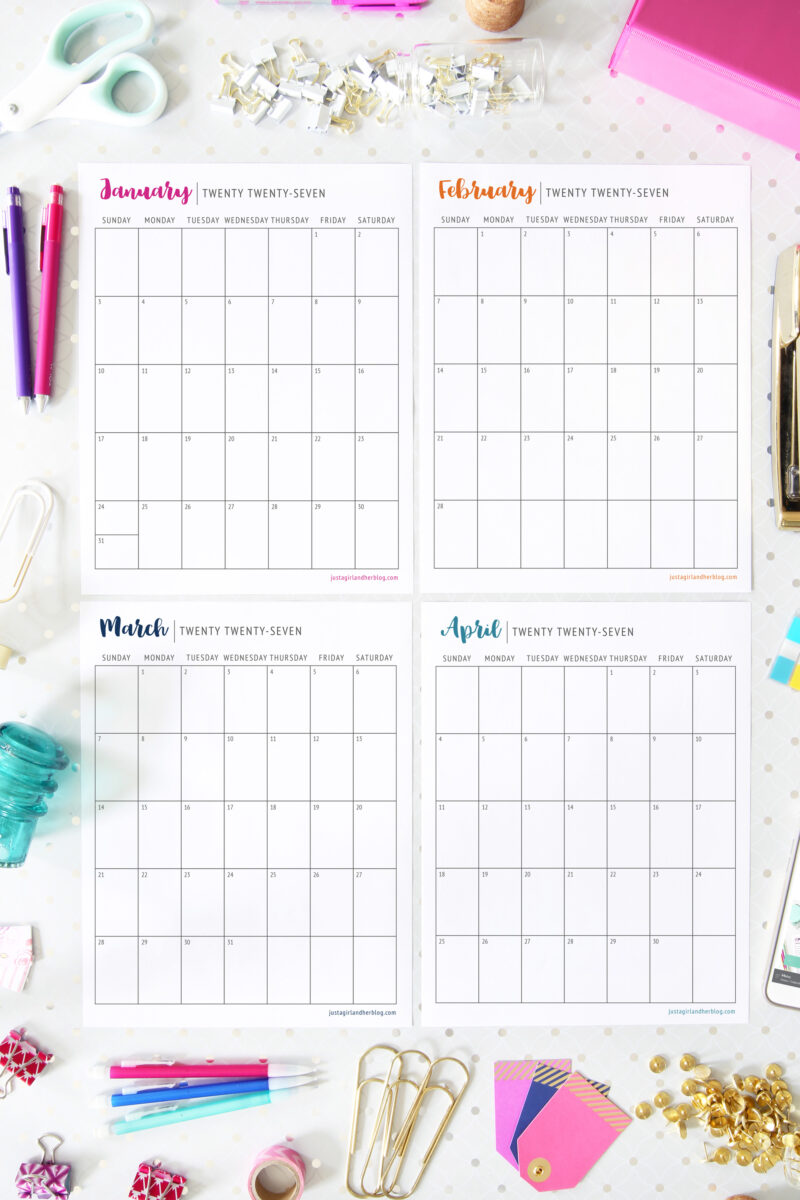
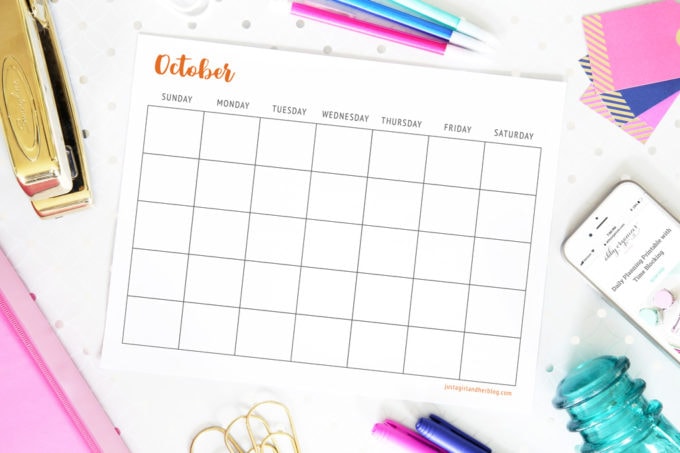
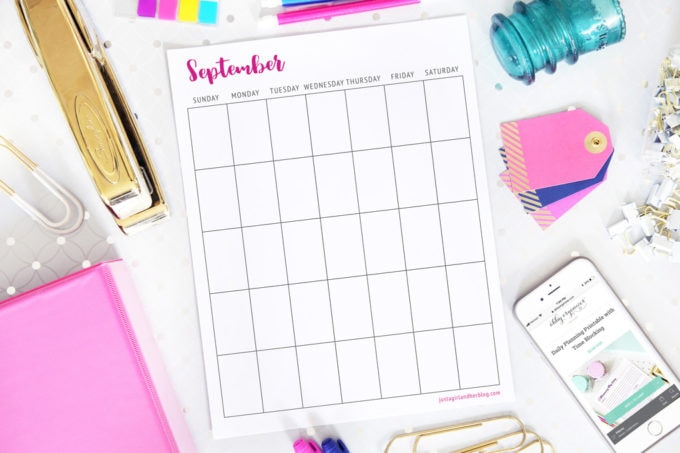
- Diverse Orientations: Users can choose between landscape (horizontal) layouts, ideal for desktop display and wide-view scheduling, and portrait (vertical) layouts, which snap effortlessly into three-ring binders.
- Flexible Week Starts: Catering to both domestic and international preferences, the collection offers traditional United States Sunday-start configurations alongside Monday-start formats widely favored in Europe, global business sectors, and academic institutions.
- Dated and Undated Options: While the primary 2027 dated editions provide immediate utility for the upcoming year, the inclusion of undated monthly templates allows users to repurpose the frameworks for future years, specialized project timelines, or custom habit-tracking systems.
- Accessibility and Cost: True to the long-standing tradition of leading organization blogs, the entire collection is offered entirely free of charge for personal use, downloadable via high-resolution PDF formats.
Chronology: Evolution of the Printable Planner Trend
The resurgence of printable planners is not a sudden market shift, but rather a gradual evolution driven by consumer demand for customization.
- Early Digital-Analog Hybrid Era (2018–2020): As mainstream calendar apps became ubiquitous, users reported feeling overwhelmed by digital clutter. Organization bloggers began designing rudimentary PDF calendar pages as a creative outlet, discovering high demand for printable resources that could be pinned to bulletin boards or slipped into refrigerators.
- The Customization Boom (2021–2024): Feedback loops between creators and users revealed that a "one-size-fits-all" calendar was ineffective. Introduction of the "Monday-start" and "undated" variants transformed static downloads into adaptable toolkits for international audiences and students.
- The 2027 Comprehensive Release (Mid-2026): Anticipating forward-planning habits, developers and content creators initiated the early rollout of 2027 calendars. This strategy allows meticulous planners, homeschool educators, and corporate project managers to map out complex yearly milestones months in advance.
Supporting Data: Why Paper Planning Endures
Despite the proliferation of scheduling software—ranging from Google Calendar to enterprise project management platforms—research into cognitive psychology and workplace productivity highlights persistent benefits associated with physical writing.
Cognitive Retention and Goal Setting
Studies in educational psychology consistently demonstrate that writing information down by hand activates the Reticular Activating System (RAS) in the brain, filtering unnecessary data and focusing attention on prioritized tasks. When individuals utilize printable monthly calendars to break down massive annual goals into manageable weekly and daily steps, their completion rates increase significantly.
Flexibility Versus Structure
Data gathered from lifestyle portals indicates that users consume organization printables across three primary categories:
- Family Logistics: Tracking children’s school events, extracurricular schedules, meal plans, and domestic chores.
- Professional Project Management: Mapping marketing campaigns, content calendars, and quarterly milestones without the visual fatigue of multi-tab software.
- Academic Scheduling: Coordinating semester syllabi, examination periods, and study blocks.
The inclusion of both vertical and horizontal layouts addresses ergonomic preferences. Landscape calendars maximize horizontal writing space for dense event descriptions, whereas vertical portrait layouts provide expansive side margins—a favorite feature for "list-makers" who append detailed action items directly beneath their monthly grids.
Official Responses and Creator Insights
The driving force behind these widely utilized printables emphasizes that the core philosophy of organization is not perfection, but intentionality.
In statements accompanying the 2027 rollout, creators highlighted the collaborative nature of designing these resources:
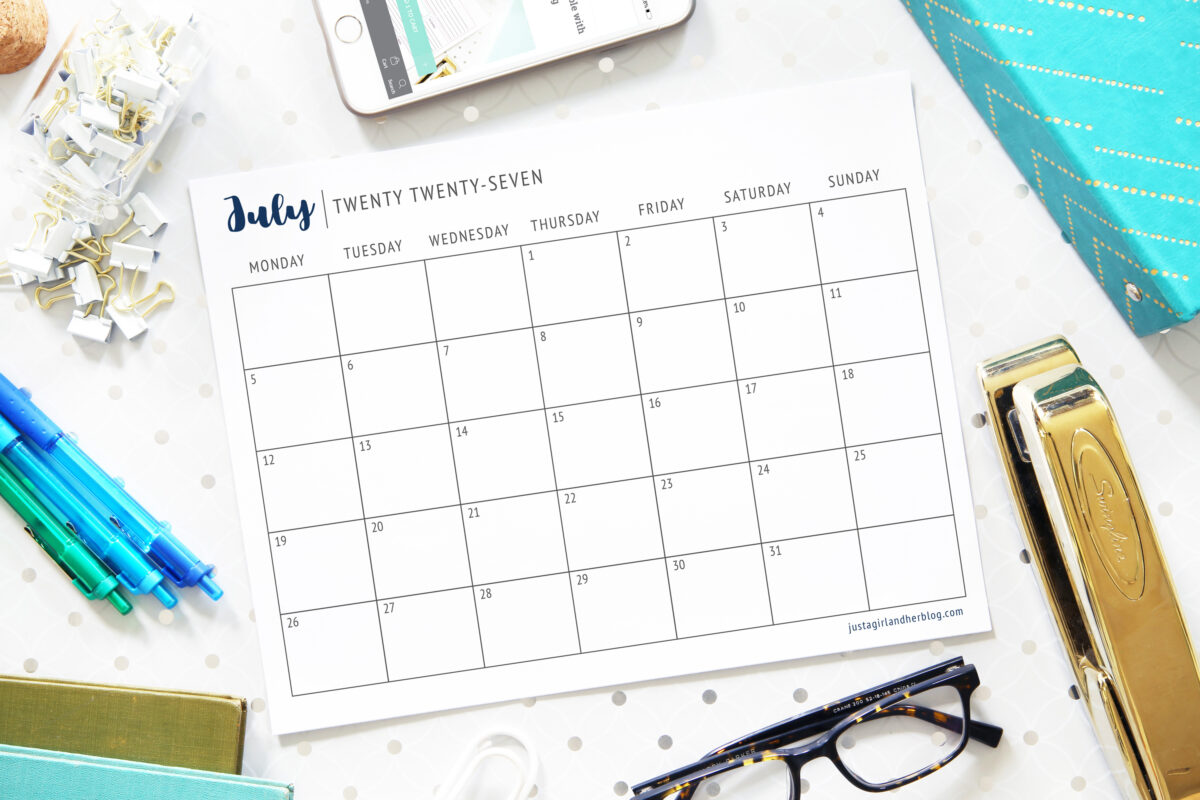
"Recently, I’ve been getting a bunch of requests for different variations of the calendar printables, such as a vertical calendar, an undated calendar, or a calendar with a Monday start rather than Sunday. Well, who am I to deprive people of the calendars they really need? So I created a bunch of different options for you to grab."
Experts in the productivity space note that digital tools often create an illusion of productivity through endless configuration, whereas a printed, static page forces a user to commit to decisions. By offering choices that respect regional calendar standards—such as the Monday-start calendars tailored for international readers and work-week strategists—creators have ensured high cross-demographic adoption.
Furthermore, digital archivists note the inclusion of legacy links, allowing users to access previous iterations (such as 2026 versions) or transition seamlessly into broader home management libraries containing over 300 pages of specialized organizing printables.
Implications: The Future of Personal Productivity
The sustained popularity of free printable resources carries several implications for the future of personal organization and consumer behavior.
1. The Blended Productivity Model
Modern consumers rarely rely exclusively on paper or digital formats. Instead, a hybrid model has emerged: high-level, real-time alerts remain on smartphones, while macro-planning, goal setting, and creative brainstorming are offloaded to physical printables. This dual approach minimizes screen time while maintaining administrative efficiency.
2. Democratization of Design
The open-access distribution model—where high-end, professionally designed graphic stationery is provided free to the public—disrupts traditional commercial stationery markets. Consumers no longer need to purchase expensive, rigid planners that may only meet 60% of their organizational needs. Instead, they can curate a bespoke binder system tailored precisely to their professional and personal lives.
3. Sustainability and Personalization
While printing at home consumes paper, the targeted nature of print-on-demand organizing reduces mass industrial waste associated with unsold, pre-printed commercial planners. Users print only what they need—whether that is a single month, an undated template, or a specialized weekly schedule.
Conclusion and Access Information
As individuals look ahead to organizing their schedules, setting ambitious milestones, and tracking significant life events for 2027, the availability of versatile, beautifully designed printables offers a refreshing pathway to clarity.
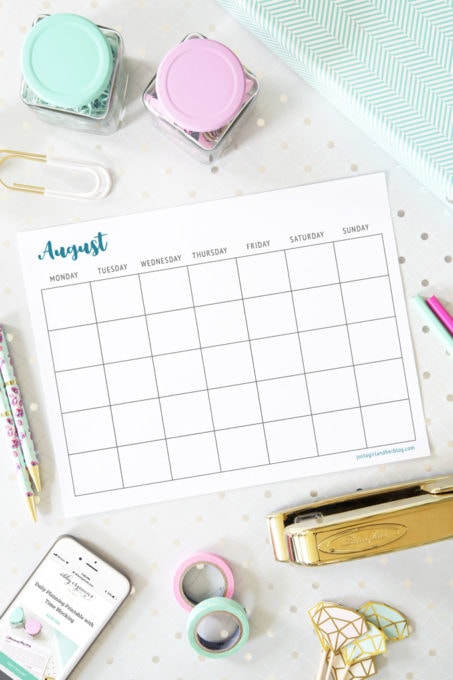
Whether opting for a landscape Sunday-start grid for family command centers or a vertical Monday-start portrait layout for professional binders, users can access the complete collection of 2027 monthly calendars, along with expansive libraries of complementary organizing printables, through online lifestyle and productivity portals.
Note: All free printables provided across these platforms remain protected under copyright law (© Twenty-Three Publishing, LLC) and are strictly designated for personal, non-commercial use.