EDITION: BACK-TO-SCHOOL SPECIAL REPORT DATE: ACADEMIC YEAR PREPARATION DESK
Main Facts
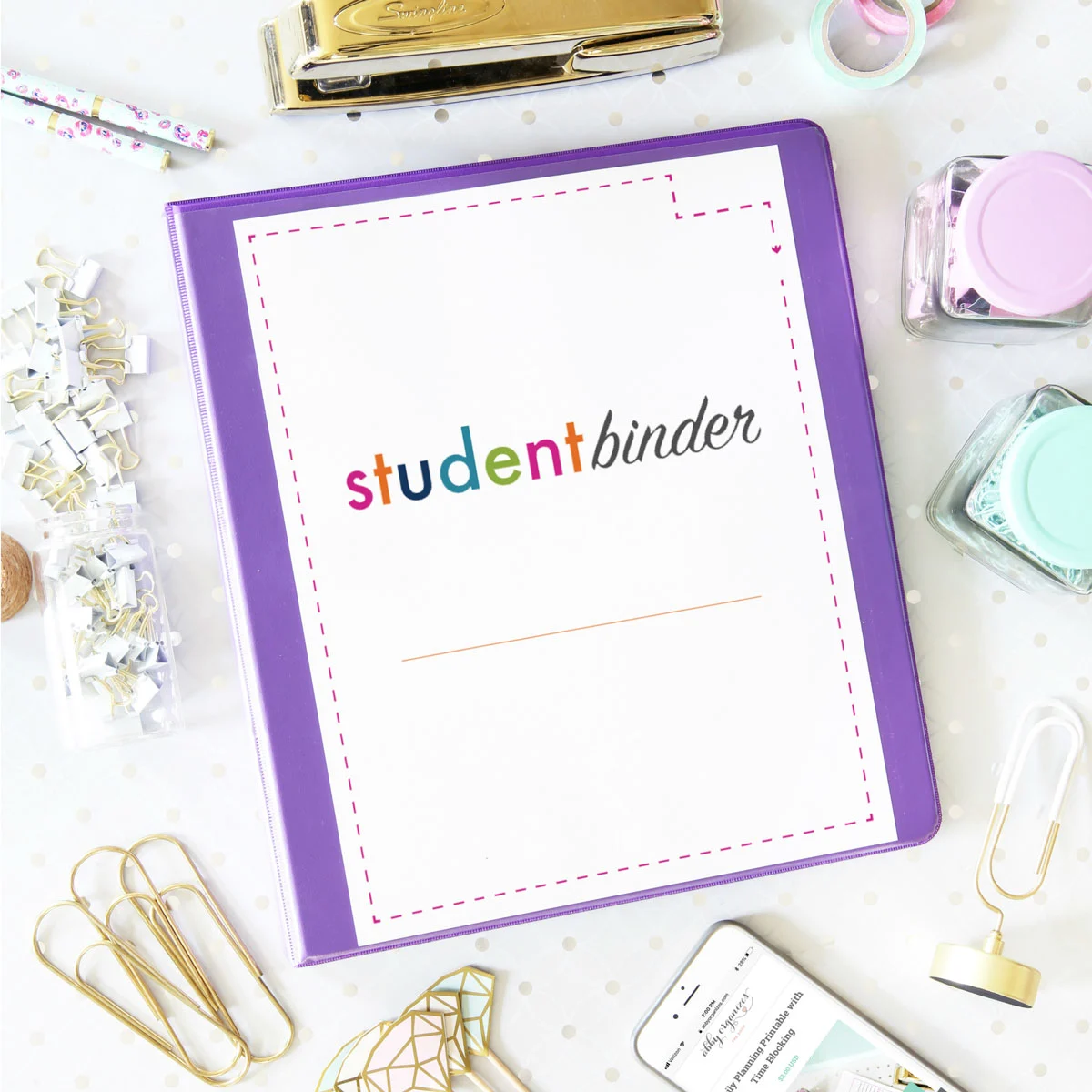
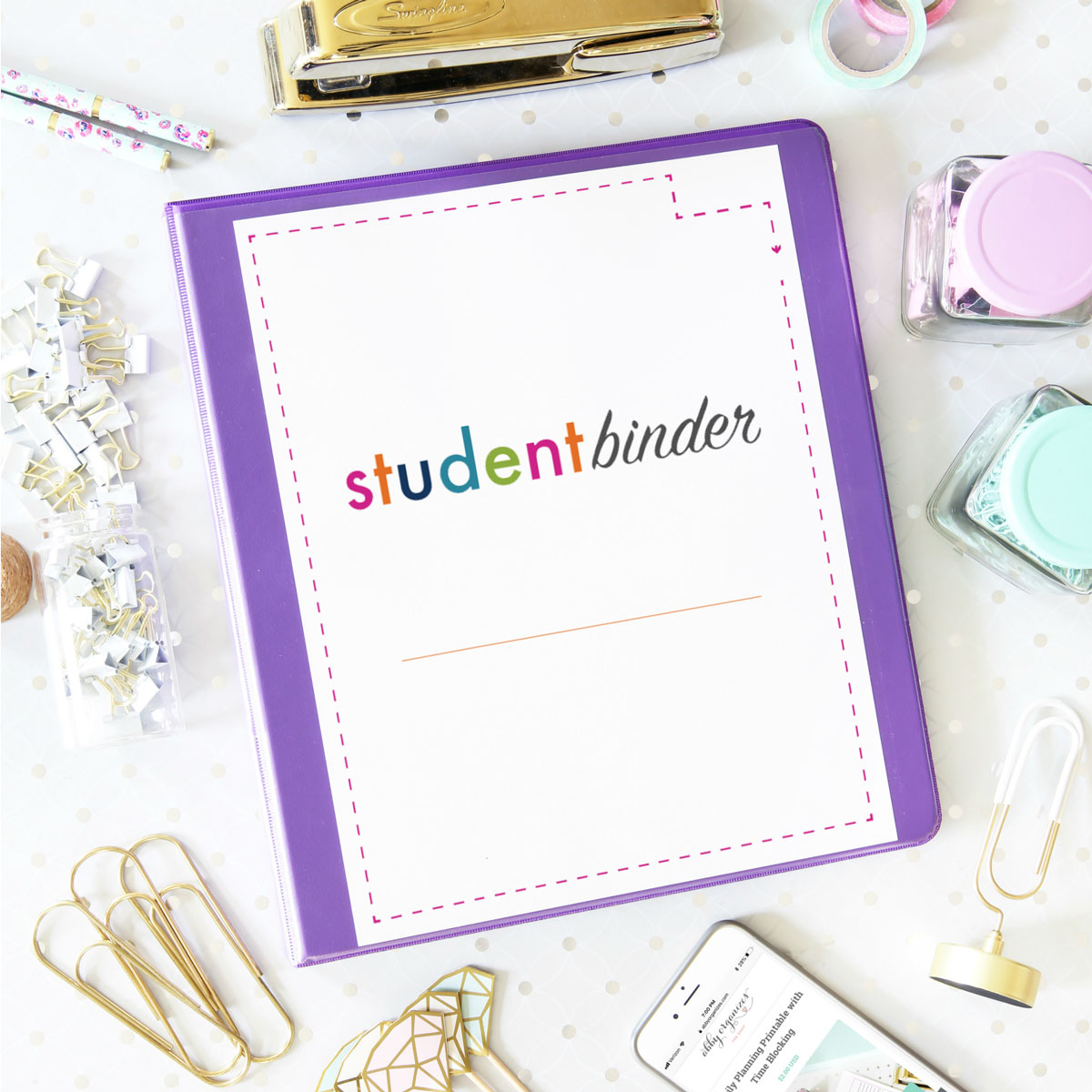
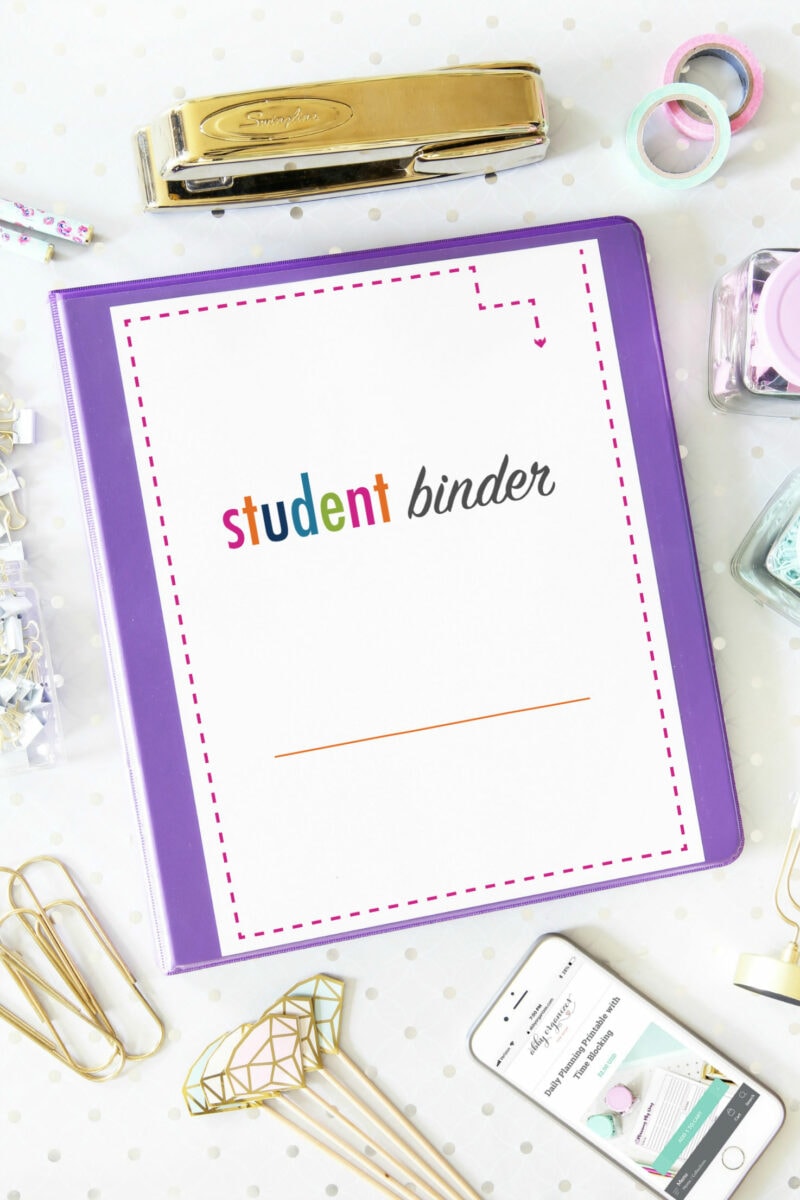
As students, parents, and educators prepare for the upcoming academic year, the perennial challenge of managing syllabi, class schedules, exams, and extracurricular activities has taken center stage. In response to overwhelming demand from families seeking structured approaches to the school year, organization experts have officially re-released and updated one of the internet’s most comprehensive organizational tools: the Free Printable Student Binder system.
Designed to transition students from chaos to control, the newly updated resource offers more than just basic calendar sheets. It features a holistic framework of over 300 pages of downloadable planning materials, time-blocking frameworks, grade-tracking systems, and customizable subject tabs. Crucially, the system addresses inclusivity in student design by offering dual color schemes—vibrant pink-accented palettes alongside cooler blue-toned alternatives tailored to diverse aesthetic preferences.
Unlike generic store-bought planners that often force students into rigid, one-size-fits-all formats, this printable architecture allows users to hand-pick the exact sheets they need. Whether applied by middle schoolers learning basic time management, college undergraduates navigating complex multi-disciplinary semesters, or adults seeking personal productivity hacks, the binder system bridges the gap between academic intent and daily execution.
Chronology
The evolution and seasonal rollout of comprehensive student organizational tools follow a precise annual rhythm dictated by academic calendars:
Late Spring (The Planning Phase): Education and lifestyle bloggers begin fielding inquiries from proactive parents and students asking about updates to existing academic tools. Feedback loops from the previous school year are analyzed, highlighting demands for extended calendar ranges and alternative color schemes.
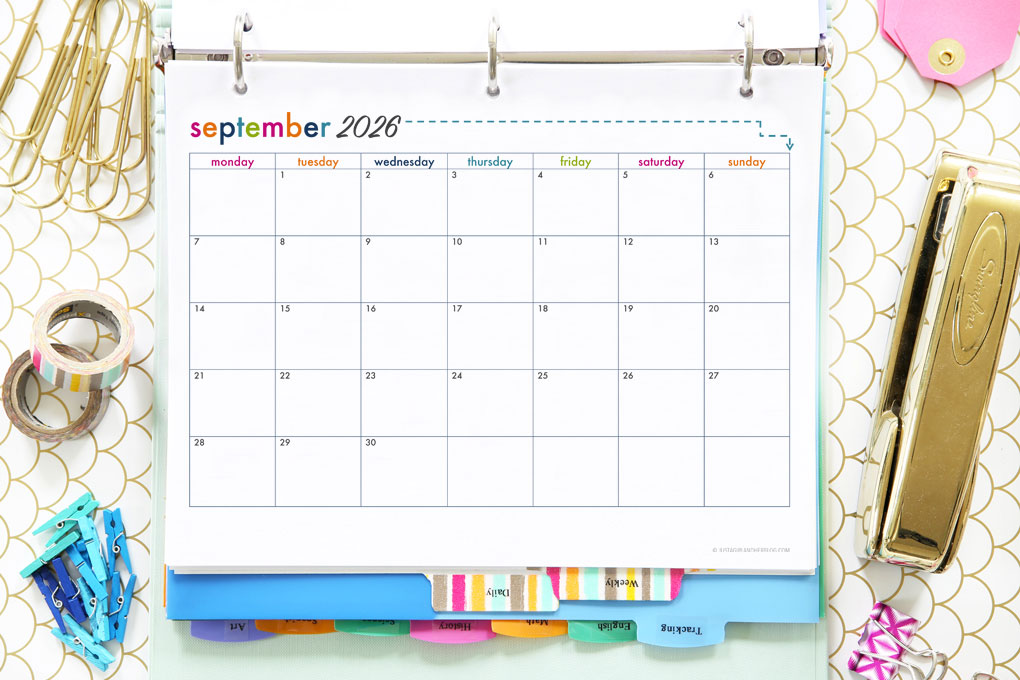
Early Summer (Design and Development): Creators draft and revise templates, expanding time-blocking capabilities, updating multi-year calendar ranges (such as July 2026 through December 2027), and finalizing gender-neutral or alternative color themes.
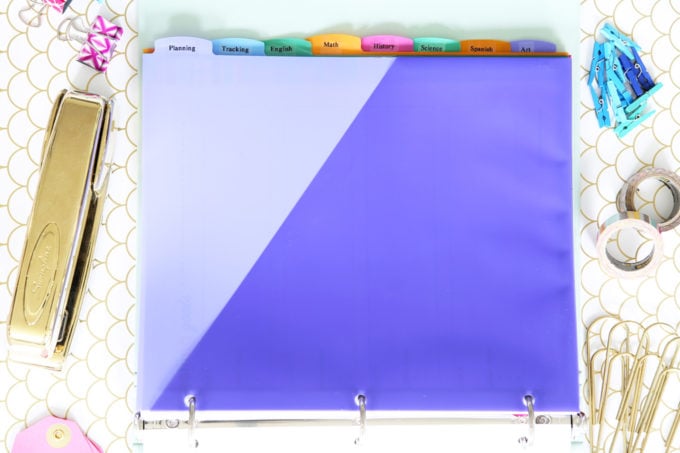
Mid-to-Late Summer (The Back-to-School Surge): The updated system is officially deployed to digital libraries and subscriber databases. Users begin downloading, printing on cardstock, and assembling binders using three-ring folders, tab dividers, and pocket inserts just weeks before classrooms reopen.
The Academic Year (Implementation and Tracking): Students utilize daily routines, assignment trackers, and grade logs throughout the fall and spring semesters to maintain steady academic momentum and avoid end-of-quarter surprises.
Supporting Data
The demand for physical and hybrid organizational tools remains exceptionally high, despite the proliferation of digital apps and smartphone calendars. Educational research consistently highlights the cognitive benefits of tactile planning:
Retention and Memory: Studies in educational psychology indicate that writing down assignments, goals, and daily schedules by hand enhances cognitive processing and information retention compared to digital typing.
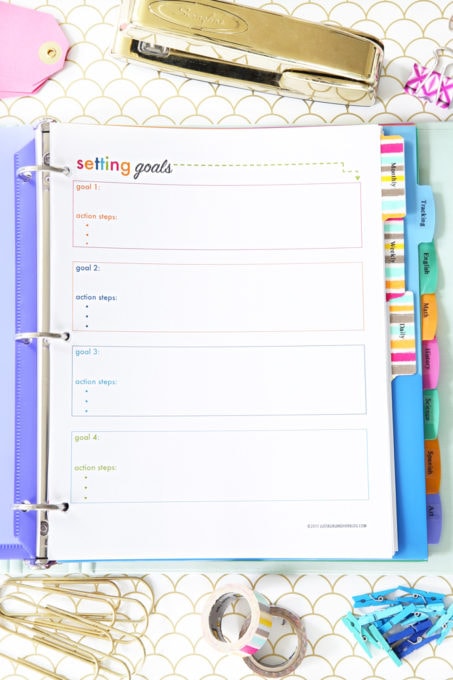
Binder Architecture: The standard setup recommended by organizational experts relies on sturdy three-ring binders outfitted with cardstock cover sheets, color-coded tab dividers, and transparent pocket folders for loose handouts.
Comprehensive Inventory: The core printable collection spans several distinct organizational categories:
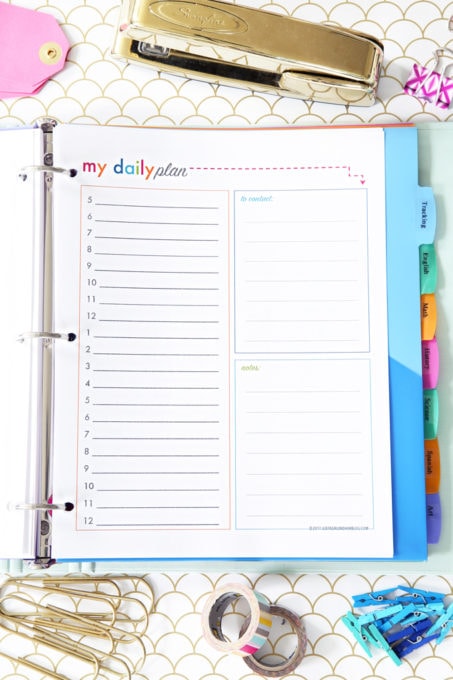
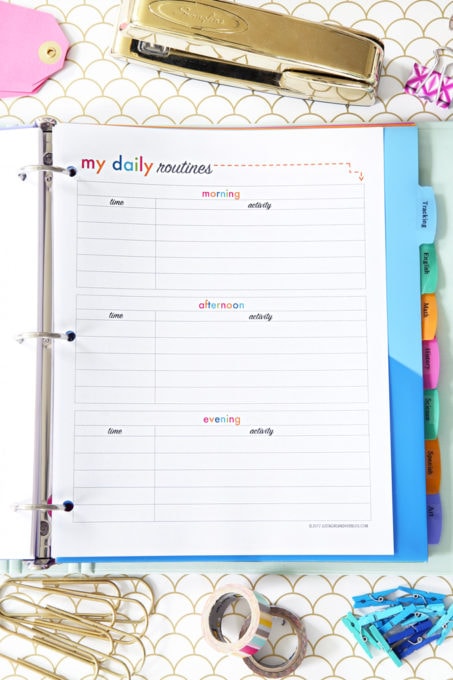
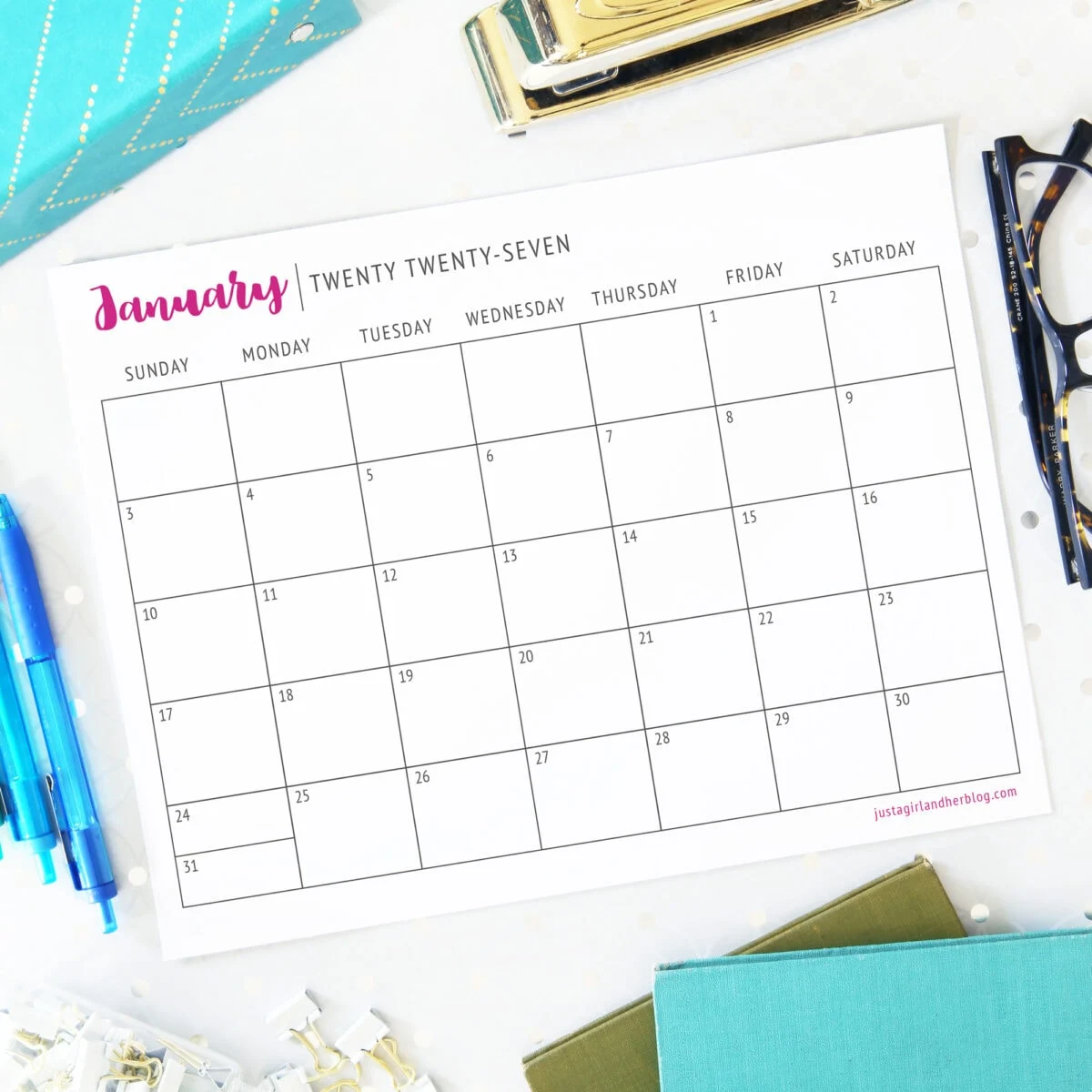
Planning Tools: Goal-setting worksheets, dated/undated monthly calendars (spanning mid-2026 through late 2027), two-page hourly weekly planners, daily time-blocking sheets, and customized daily routine checklists (morning, afternoon, and evening).
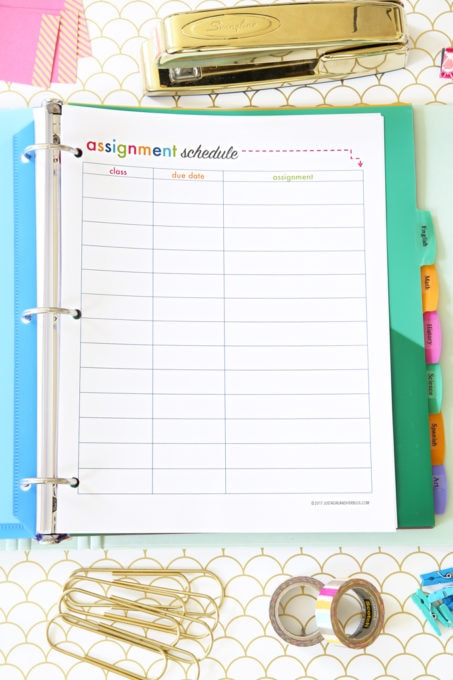
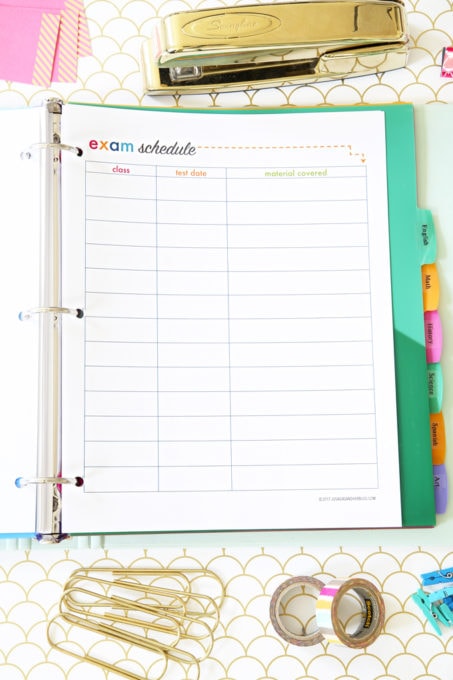
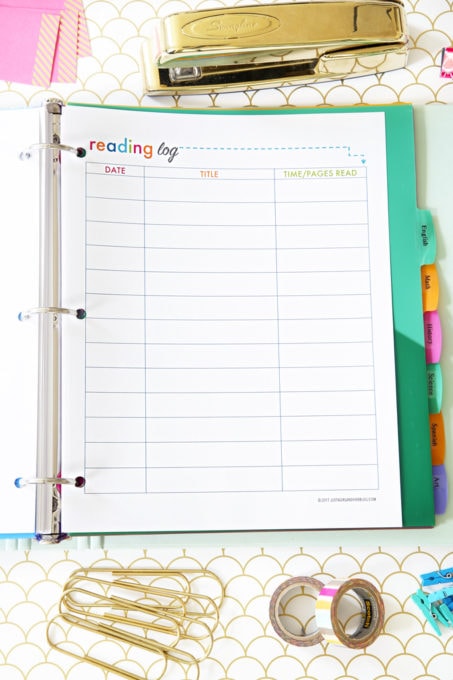
Tracking Tools: Master assignment schedules, exam date logs, and dedicated reading trackers designed to monitor pages and minutes read.
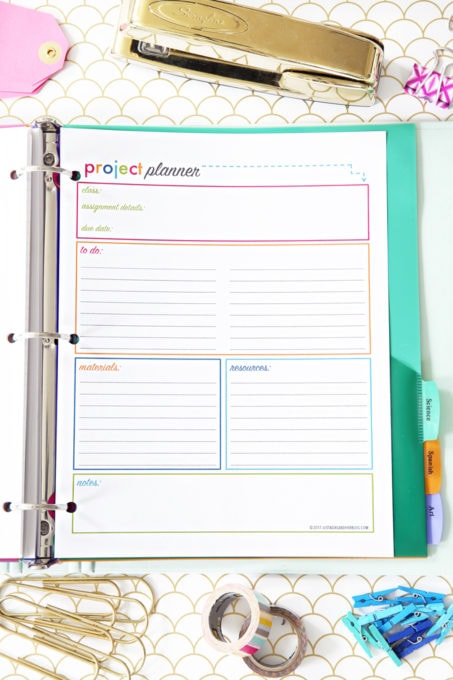
Subject Sections: Specialized inserts for individual classes, including ongoing running-total grade trackers, clean note-taking pages, and multi-step project planning templates.
Official Responses and Creator Insights
The driving force behind the design philosophy emphasizes customization and accessibility. In reflections on the release of the updated system, educational and home organization advocates emphasize that academic success is rarely about innate genius alone; rather, it is heavily rooted in sustainable systems.
"Over the past few months, one of the most common questions I have received has been: ‘When are you going to update the student binder?!’ Well, I’m thrilled to say that it is here! This year’s binder still features two color scheme options and many, many printable pages that will help you stay organized throughout the school year."
— Lead Organization Contributor and Former Educator
Addressing specific user feedback regarding aesthetics, creators noted the necessity of expanding color palettes:
"In past years, I had several requests from parents for binder printables that weren’t quite so pink. As a fellow parent, I completely understood the need for more options, so I created a second color scheme option that works seamlessly for students who prefer cooler tones like blue."
Furthermore, educators emphasize the psychological importance of tracking metrics like grades and reading progress incrementally. By maintaining a running total on grade-tracking sheets, students eliminate the anxiety of "surprise" failing grades at the close of a marking period, empowering them to seek help or adjust study habits proactively.
Implications
The widespread availability and adoption of structured printable systems carry significant implications for modern education, student mental health, and family dynamics:
1. Reduction of Academic Anxiety
The transition back to school often triggers anxiety due to information overload on day one. When students are handed multiple syllabi containing dozens of conflicting deadlines, cognitive overload sets in. Systems that separate assignments, exams, and daily routines into designated physical tabs transform an overwhelming wall of tasks into manageable, bite-sized components.
2. Cultivation of Lifelong Executive Functioning Skills
Executive functioning—the mental processes that enable us to plan, focus, remember instructions, and juggle multiple tasks successfully—is not fully developed in adolescents and young adults. Tools that incorporate time-blocking, daily routine checklists, and step-by-step project planners act as external scaffolds, helping students build internal habits of self-regulation and time management that translate directly into professional environments later in life.
3. Bridging the Digital-Analog Divide
While modern students are digital natives comfortable with laptops and learning management systems, many struggle with digital distraction (notifications, open tabs, social media). Utilizing a physical, paper-based binder for master planning and note-taking offers a dedicated "offline" sanctuary that fosters deep focus and tactile engagement.
4. Family Collaboration and Independence
For younger students in middle and high school, organizational binders serve as a bridge for parental guidance without crossing into micromanagement. Using morning, afternoon, and evening routine printables, families can establish clear expectations regarding backpack preparation, chore completion, and homework hours, ultimately fostering greater student autonomy as they mature toward college-level independence.
As the academic calendar progresses, tools like the printable student binder prove that simple, elegant analog solutions remain powerful catalysts for student achievement, proving once again that a well-organized desk is the first step toward a successful future.