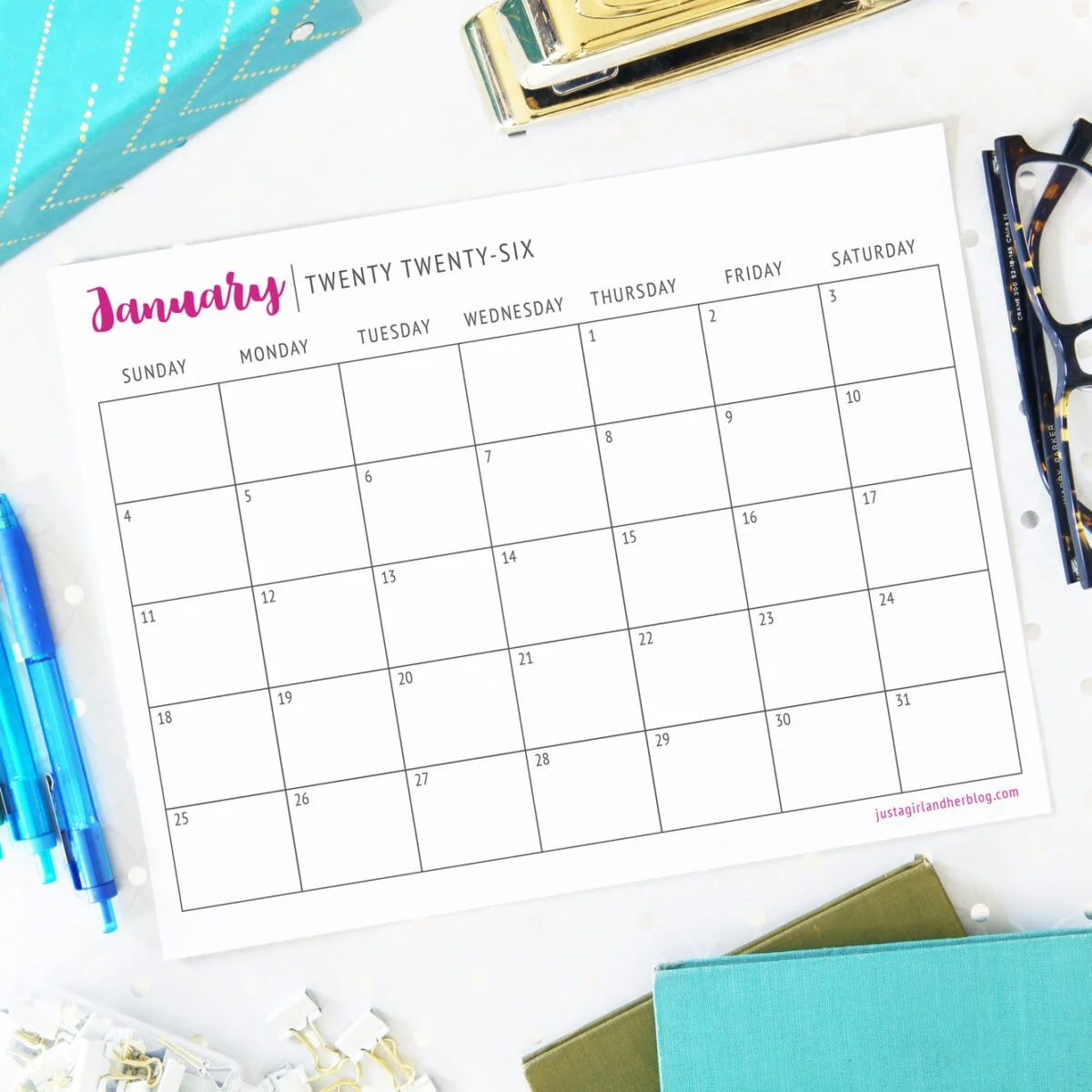
In an era dominated by cloud-based synchronization, push notifications, and AI-driven task managers, a surprising trend is reclaiming the modern workspace: the humble paper calendar. As we approach the dawn of 2026, the demand for physical, printable organizational tools has reached an all-time high, proving that for many, the tactile experience of pen-to-paper planning remains the most effective method for maintaining order in a chaotic world.
Main Facts: The Return of Analog Organization
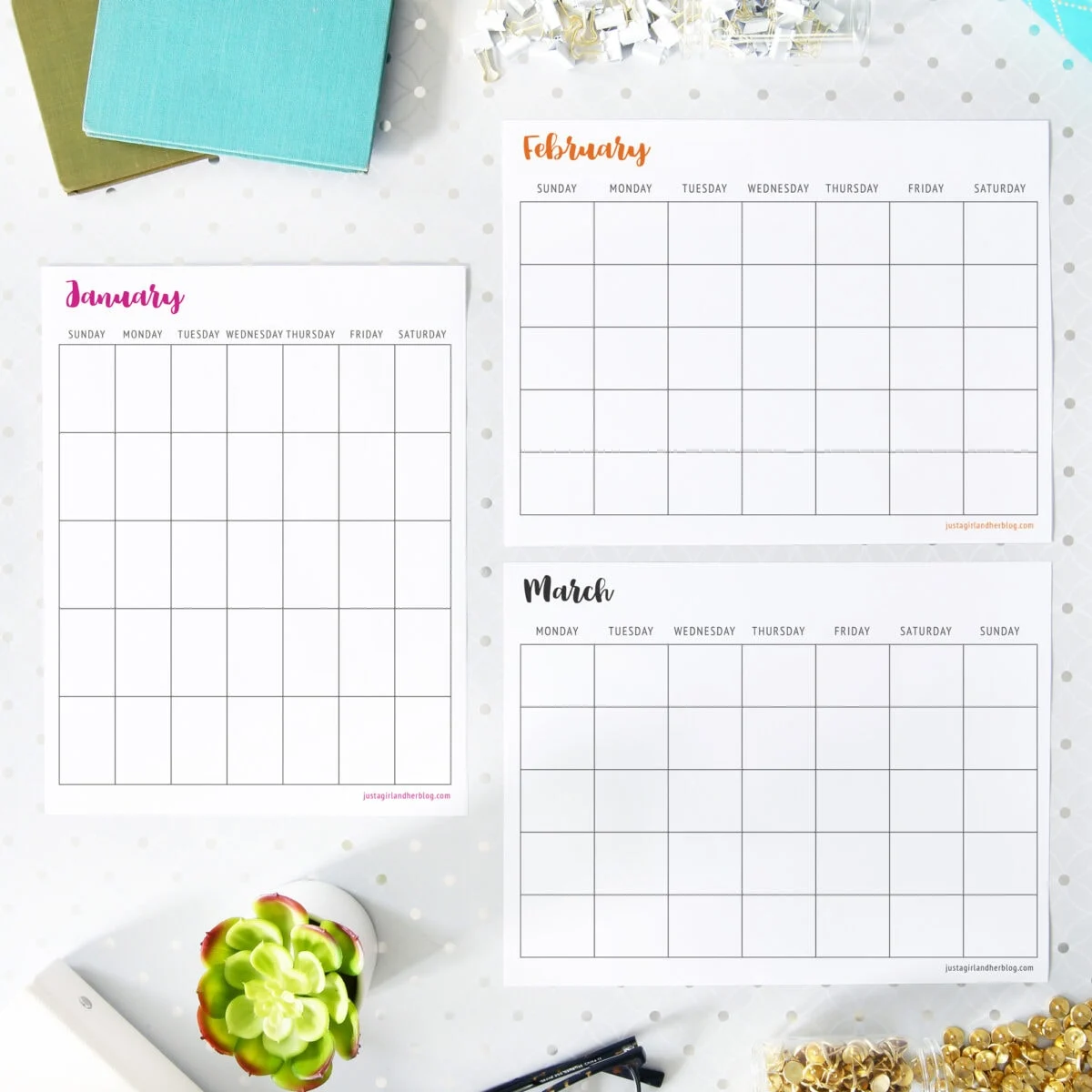
The "Free Printable Calendar 2026" project has officially launched, providing a comprehensive, aesthetic, and functional solution for those looking to master their schedules. Designed for versatility, this resource is not merely a collection of dates but a modular system that empowers users to track events, set milestone goals, and visualize their progress throughout the year.
Unlike digital applications that can often lead to "notification fatigue," the printable calendar offers a static, high-visibility reference point. Whether displayed on a kitchen refrigerator to synchronize family activities or kept in a 3-ring binder for project management, the 2026 calendar serves as an immediate visual anchor for one’s priorities. The design is optimized for standard 8.5" x 11" paper, ensuring that it is accessible to anyone with a home printer, thereby democratizing high-quality organization tools.

Chronology: A Growing Demand for Proactive Planning
The surge in popularity for these printable tools has followed a distinct timeline. Historically, the demand for new-year planners peaks in late autumn. However, organizational experts and content creators have noted a significant shift in user behavior over the past three years.
- April 2025: The first inquiries regarding the 2026 calendar templates began appearing in inbox queues—a record-breaking start to the planning season.
- July 2025: Official release of the full 2026 suite, including monthly breakdowns and vertical/horizontal layout options.
- Late 2025 (Projected): Implementation of these tools in home offices, classrooms, and corporate spaces as users begin their "pre-planning" phase for the upcoming year.
This shift toward early planning indicates that users are no longer viewing the calendar as a reactive tool, but as a proactive strategy to reduce stress and improve time management well before the year begins.
Supporting Data: Why "Calendar People" Are More Productive
Psychological studies have long suggested that the act of physically writing down a goal or an event increases the likelihood of follow-through. When a user prints a calendar, they are making a commitment to their schedule.

Data from the productivity sector suggests that:
- Retention Rates: Writing tasks by hand engages the brain differently than typing, leading to better memory retention of appointments and deadlines.
- Cognitive Load: Externalizing information onto a wall-mounted or desk-based calendar reduces the cognitive load on the individual, freeing up mental bandwidth for complex problem-solving.
- Visual Clarity: A monthly overview provides a "macro" view of one’s life, allowing for better identification of busy periods, potential bottlenecks, and necessary downtime.
The popularity of these printable tools is a testament to the "simplest tool" philosophy. In a market flooded with complex software, the blank box of a paper calendar remains the most intuitive interface for human planning.
Official Perspectives: The Philosophy of Organization
The creator behind the 2026 printable initiative emphasizes that organization is not about perfection, but about momentum. "I’m always amazed at how a little organization can spark motivation," notes the project lead. "Sometimes the simplest tools are the best. By providing a clean, aesthetic, and functional template, we aren’t just offering a calendar; we are offering a framework for success."

The philosophy behind these tools is centered on accessibility. By offering these calendars for free, the project aims to remove the barrier to entry for effective time management. Whether for students, busy parents, or entrepreneurs, the goal remains the same: to create a space where life’s complexities can be distilled into actionable steps.
Implications: Building a Sustainable Planning Habit
The move toward printable, paper-based organization has broader implications for how we manage our professional and personal lives in 2026. As digital burnout becomes a more recognized phenomenon, the "analog movement" serves as a necessary corrective.
The Role of Personal Customization
One of the primary benefits of the 2026 printable system is the ability to adapt the tool to specific needs. Users aren’t forced into a one-size-fits-all digital interface. Instead, they can:

- Color-Code: Use highlighters or stickers to distinguish between work, family, and personal goals.
- Annotate: Add notes, doodles, or modifications directly onto the page without needing to navigate through nested menus.
- Curate: Print only the months that are relevant or create a custom planner by mixing and matching different page layouts.
Fostering Long-Term Motivation
A common pitfall of digital planning is the tendency to "set it and forget it." By contrast, a physical calendar sitting on a desk is a constant, unavoidable reminder of the user’s commitments. This visibility acts as a psychological nudge. When users see their progress—or even their gaps—they are more likely to stay engaged with their goals. The simple act of crossing off a day or writing in an upcoming event provides a small, consistent sense of achievement that fuels further productivity.
Frequently Asked Questions (FAQ)
Q: Why choose a printable calendar over an app?
A: Printable calendars offer a "distraction-free" environment. There are no pings, no updates, and no subscription fees. It is a static, reliable, and highly customizable tool that works even when the power is out or the internet is down.
Q: Can I use these for professional purposes?
A: Yes, these calendars are ideal for project management, tracking team deadlines, or mapping out quarterly goals in an office setting.

Q: What is the best way to store these calendars?
A: Depending on your workflow, you can hang them on a wall, keep them in a 3-ring binder, or use a clipboard for a portable, sturdy solution.
Q: Is there a cost associated with these?
A: The core printable 2026 calendar is free for personal use, reflecting the belief that everyone deserves access to the tools necessary for a well-ordered life.
Conclusion: The Path Forward in 2026
As we look toward 2026, the value of intentional planning cannot be overstated. By utilizing resources like the free printable calendar, individuals can regain control over their time and focus on what truly matters. Whether you are managing a household, tracking a fitness goal, or organizing a complex professional schedule, the solution is often found in the most straightforward of places.

For those ready to start their 2026 journey, the tools are ready. It is time to move beyond the screen, pick up a pen, and begin the process of turning intentions into reality. As the old adage goes, a goal without a plan is just a wish—and there is no better place to start that plan than on a fresh, clean, and organized page.
Disclaimer: All free printables offered are for personal use only. They may not be sold or redistributed in any way by anyone other than the original creator. (c) Twenty-Three Publishing, LLC.