As the back-to-school season approaches, students of all ages—from middle schoolers navigating their first locker combinations to college students juggling complex seminar schedules—face the perennial challenge of information overload. In an era where digital tools often distract as much as they assist, the resurgence of the "Student Binder" as a foundational organizational tool has become a notable trend in educational circles. By centralizing essential documents, deadlines, and personal goals, a well-structured binder remains one of the most effective, low-tech methods to guarantee academic success.
Main Facts: The Anatomy of an Organized School Year
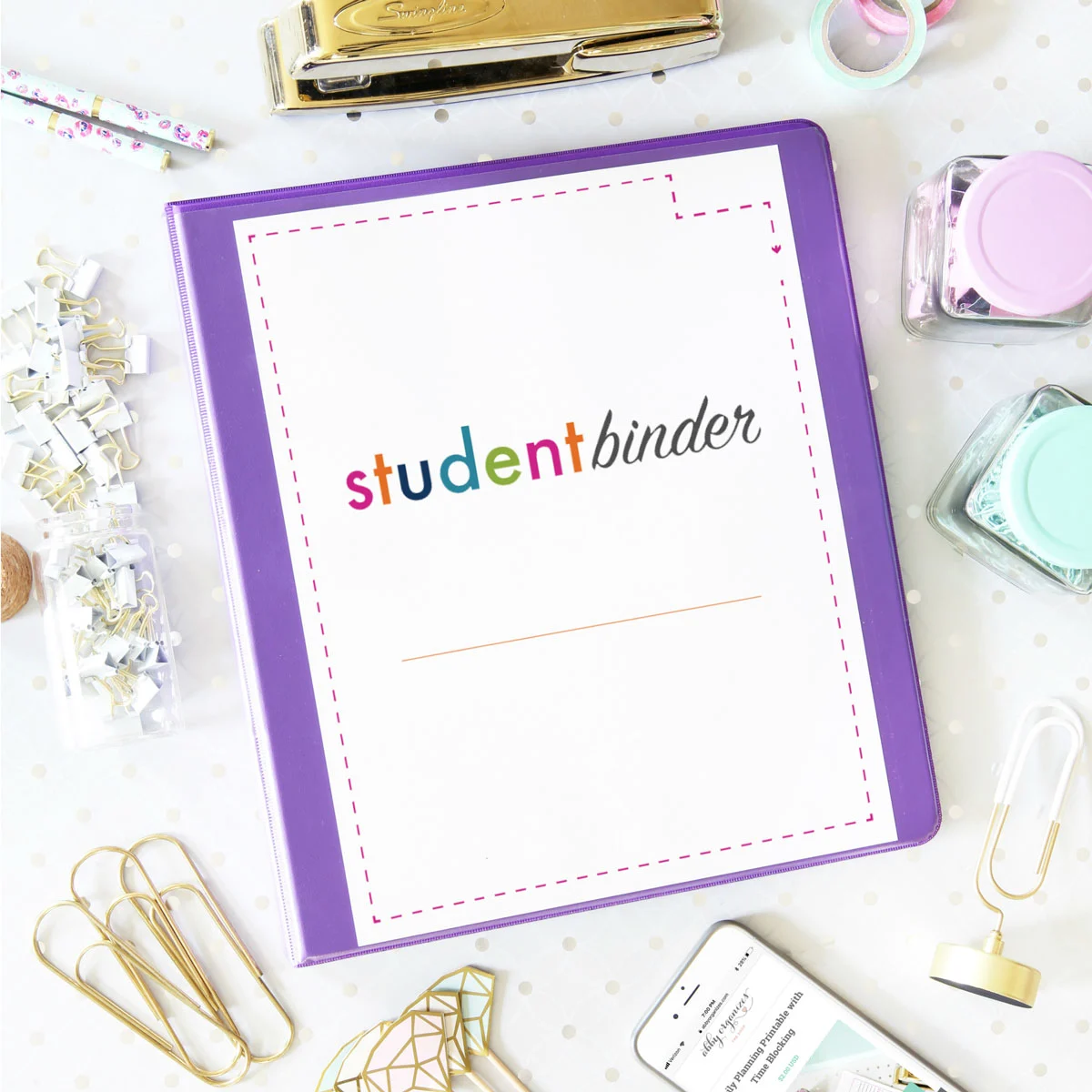
The core philosophy behind the student binder movement is simple: when you manage your physical workspace, you manage your cognitive load. Recent updates to popular student organization kits, such as those provided by industry-leading bloggers, highlight that the modern binder is no longer just a collection of loose-leaf paper. It is a comprehensive management system.
The essential components of an effective student binder now include:

- Customizable Covers: Beyond aesthetics, these serve as a point of contact for lost items and an expression of personal identity.
- Centralized Scheduling: A master class schedule that documents not just times, but locations and instructor contact information.
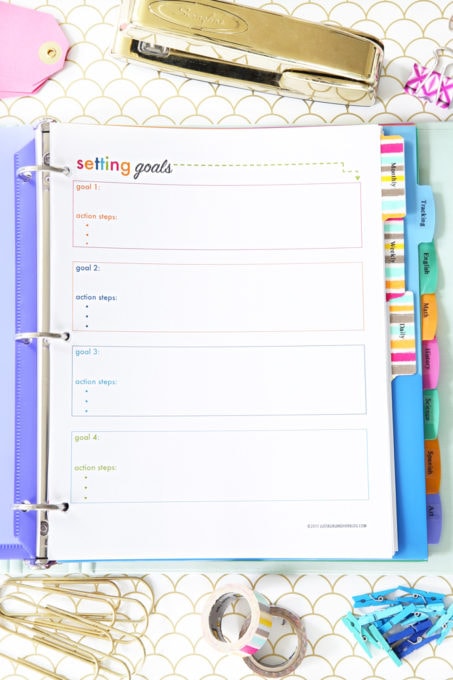
- Goal-Oriented Planning: Dedicated sections for long-term academic objectives and actionable steps to achieve them.
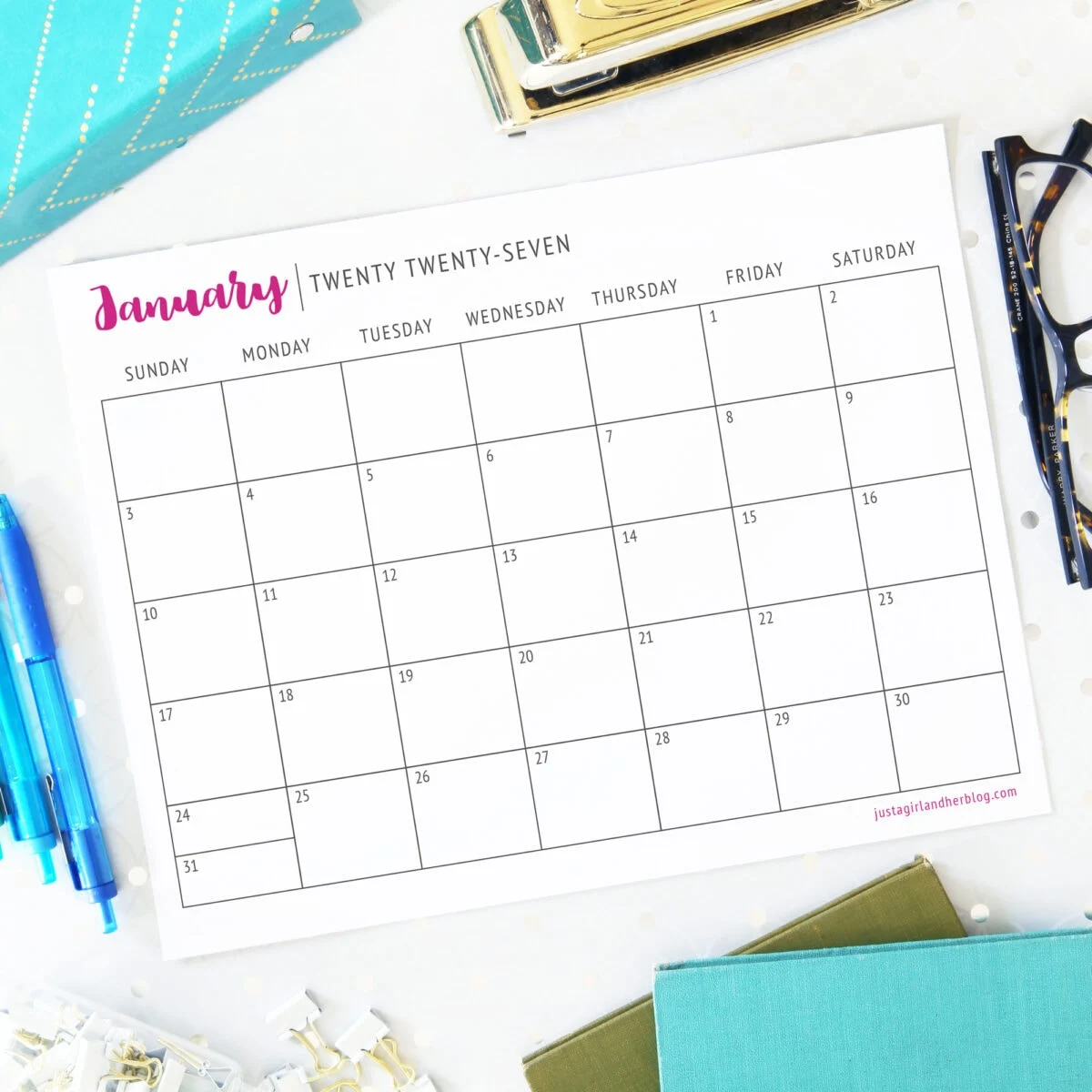
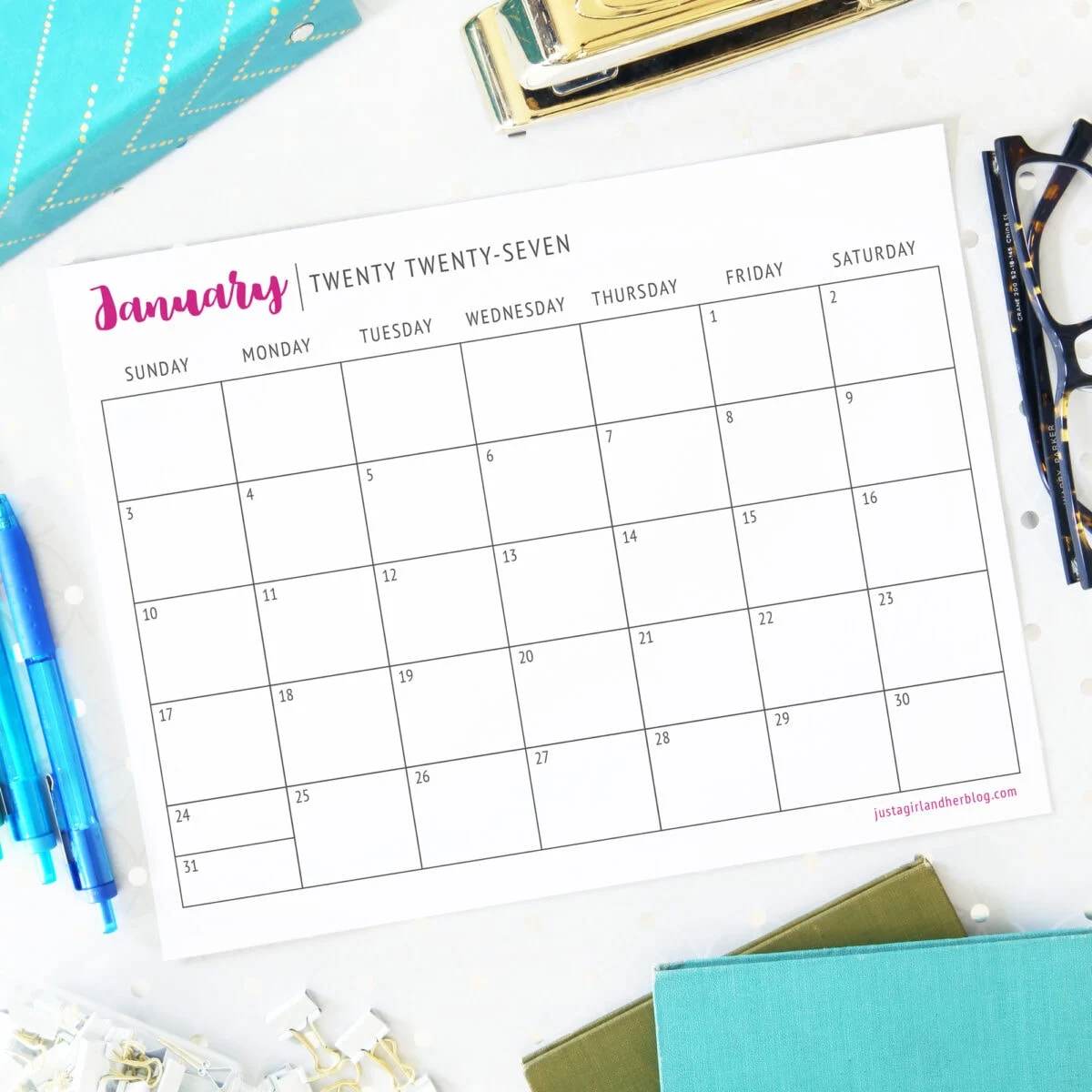
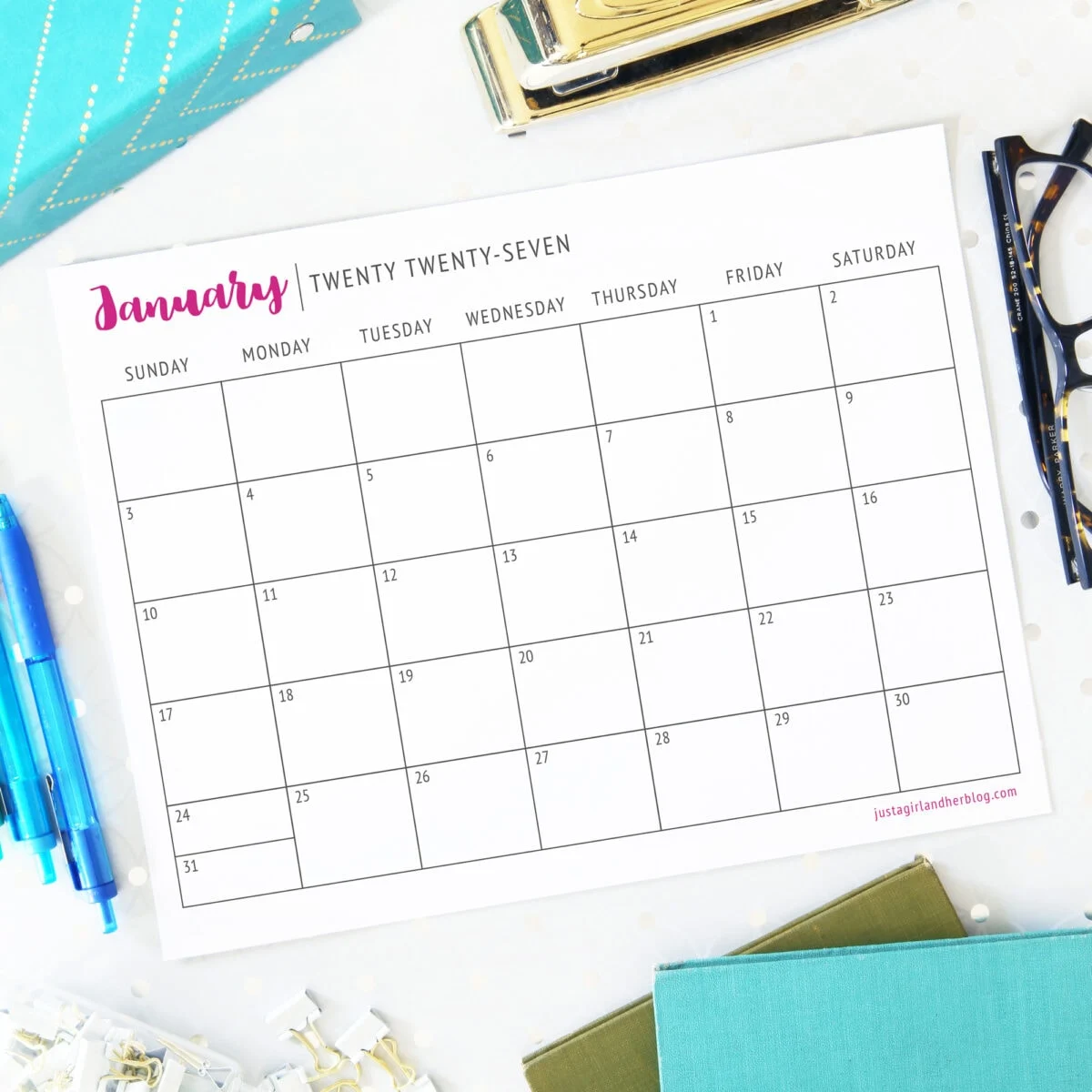
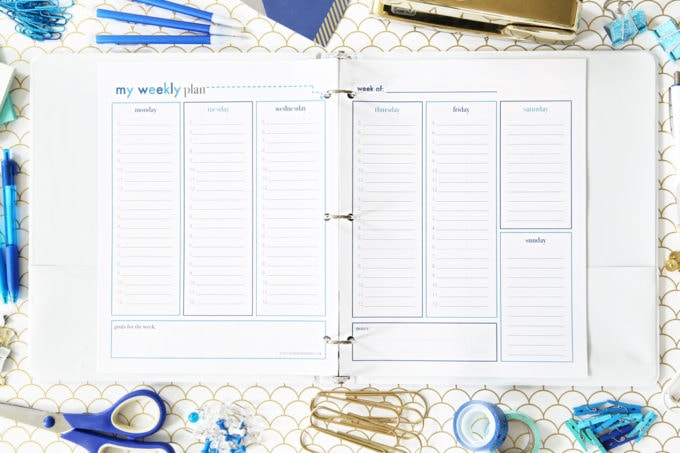
- Dynamic Time-Blocking: Integrated calendars and weekly planners that allow students to visualize their time usage, helping to prevent the "cramming" cycle.
By integrating these features, students move from a reactive state—simply responding to assignment due dates as they arise—to a proactive state, where they have clear oversight of their entire academic semester.

Chronology: From Syllabus to Semester Finale
The lifecycle of an academic term follows a predictable pattern, and a robust binder system is designed to shepherd a student through each phase of that journey.
1. The Orientation Phase (Weeks 1-2):
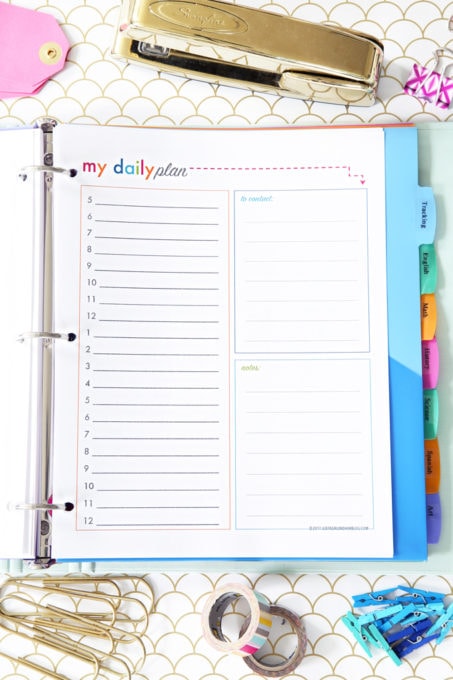
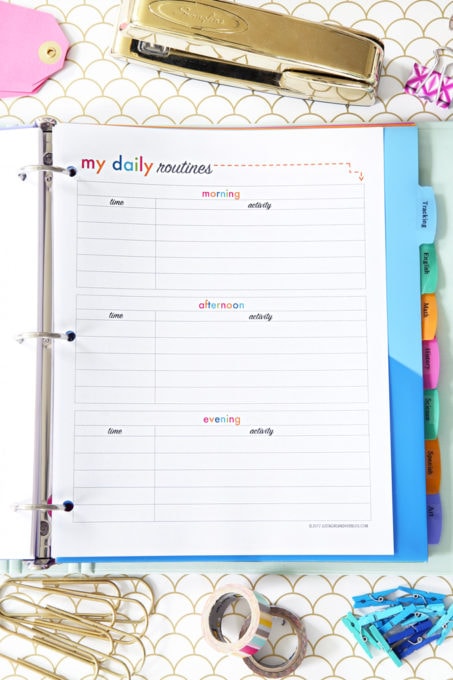
During the initial weeks, the primary focus is on intake. This is the period for populating the binder with syllabi, establishing routines, and inputting all critical dates—exams, papers, and presentations—into the monthly calendar. The "Daily Routines" printable, often used during this phase, helps students cement habits like backpack packing and end-of-day review.

2. The Maintenance Phase (Weeks 3-12):
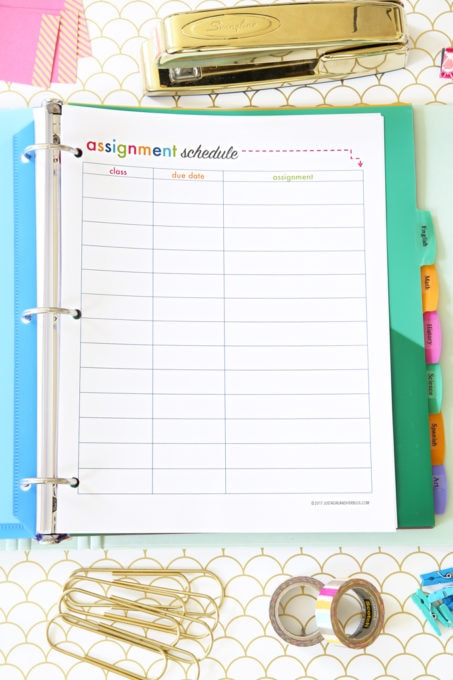
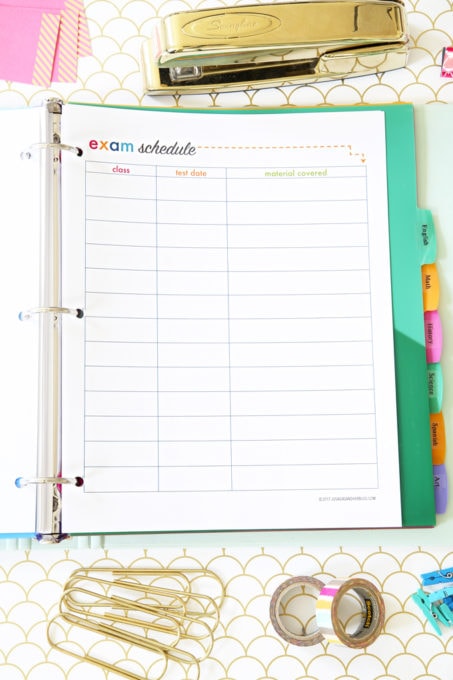
This is where the "Tracking" section of the binder becomes critical. Using assignment and exam schedules, students can cross-reference their upcoming workload. The use of grade trackers during this time serves a dual purpose: it provides a sense of progress and acts as an early-warning system if a particular subject area requires additional support or tutoring.

3. The Assessment and Review Phase (Weeks 13-Finals):
As the semester concludes, the binder transitions from a daily planner to a study resource. The accumulation of organized notes and completed project planners provides a comprehensive repository of the semester’s work, making final exam preparation significantly more efficient.
Supporting Data: The Correlation Between Organization and GPA
Research in educational psychology has long suggested a direct correlation between executive function—the ability to plan, focus attention, and manage multiple tasks—and academic performance. While digital apps have surged in popularity, they often lack the "tactile reinforcement" provided by paper-based systems.
Data indicates that:
- Cognitive Offloading: Writing down tasks and schedules reduces the stress on working memory, allowing students to focus more energy on complex problem-solving rather than rote memorization of deadlines.
- Retention: Studies on note-taking show that students who physically write their notes and organize them in a structured, accessible format retain information better than those who rely on disorganized digital files or mental tracking.
- The "Visual Prompt" Effect: Having a calendar in a physical binder provides a constant visual prompt. Unlike a phone notification that can be swiped away and forgotten, a binder sitting on a desk serves as an unavoidable, consistent reminder of pending responsibilities.
Official Perspectives: Educators on the Power of Preparedness
Educators often cite the "organizational gap" as the primary reason for student underperformance. When students fail, it is frequently not due to a lack of intellectual capacity, but a lack of logistical management.
"The most successful students are those who treat their schoolwork like a project management endeavor," says one veteran educator. "When a student can walk into class with their syllabus, their previous assignments, and their current notes neatly indexed, they are not just organized—they are confident. That confidence changes the entire classroom dynamic."
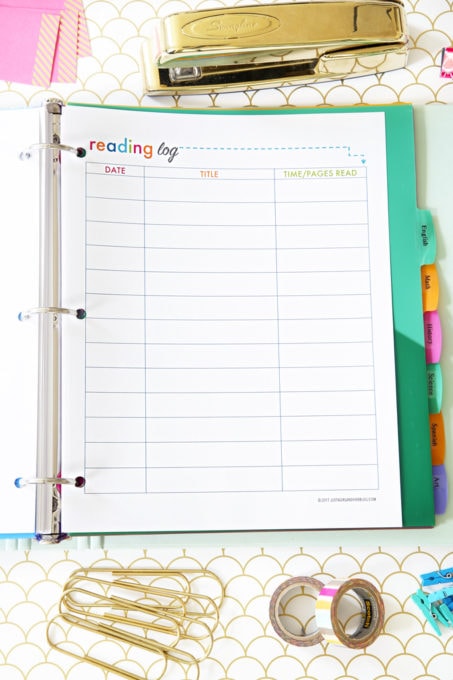
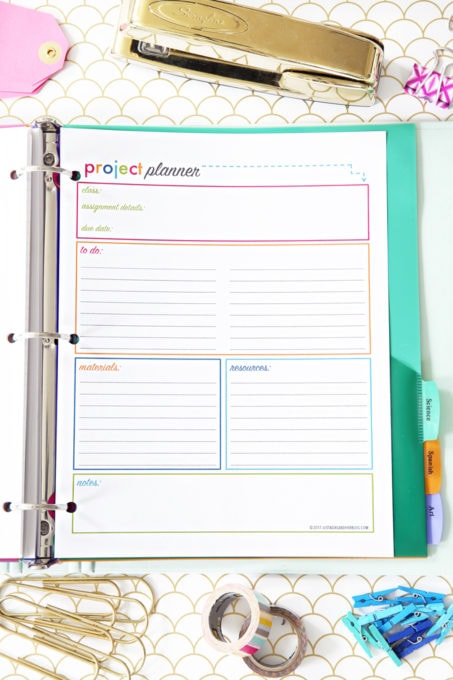
By providing students with tools that include "Project Planning" templates, educators and parents are essentially providing a framework for professional-level project management. This teaches students that every large task is simply a series of small, manageable, and trackable steps.
Implications: The Shift Toward Dual-Color Customization
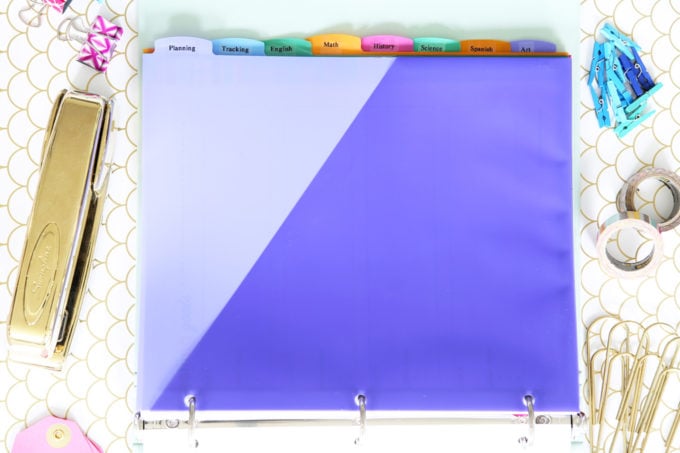
One of the more interesting developments in the world of student organization is the emphasis on inclusivity and personalization. The shift toward offering multiple color schemes—such as the classic pink-toned sets alongside more neutral blue-toned options—reflects an understanding that "pretty" and "functional" are not mutually exclusive.

The implications of this design choice are significant. When students feel a sense of ownership over their organizational tools, they are statistically more likely to use them. By allowing students to select a design that resonates with their personal aesthetic, the barrier to entry for building a habit of organization is significantly lowered.

Furthermore, these tools are increasingly used by non-students. Professionals, remote workers, and hobbyists have begun adopting these "student" templates because the principles of time-blocking, goal setting, and project tracking are universal. The "Student Binder" has evolved into a life-management system that scales with the user.
Conclusion: Investing in the Habit of Excellence
The return of the student binder to the forefront of back-to-school preparation is a testament to the fact that while technology evolves, the fundamental need for structure remains constant. Whether it is a student aiming for a higher GPA or an individual simply trying to gain more control over their daily schedule, the act of documenting one’s life is a powerful tool.
As we look toward the 2025-2026 academic year, the availability of free, high-quality, printable resources makes the barrier to entry lower than ever. The benefits are clear: reduced anxiety, improved time management, and a sense of clarity that is essential for success in an increasingly busy world. By investing a few hours at the start of the season to assemble these resources, students are not just setting up a binder—they are setting up a framework for success that will serve them well beyond the classroom walls.
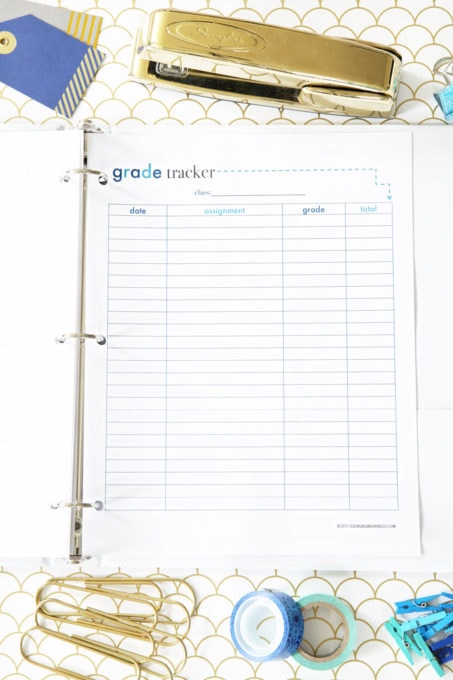
For those ready to begin, the process is straightforward: print, organize, and commit to the daily habit. The results, as thousands of students have discovered, are well worth the effort. Happy organizing.