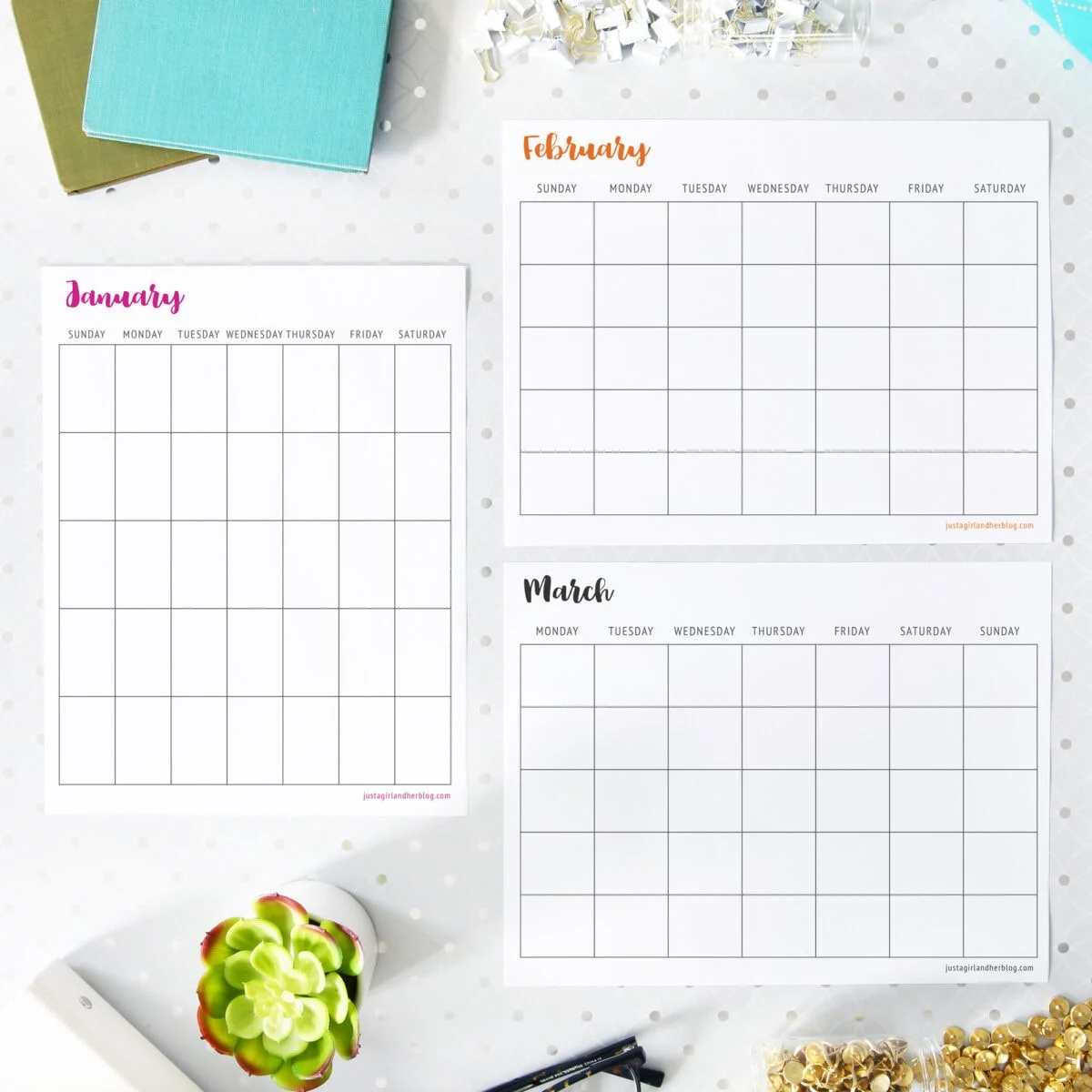
In an era increasingly dominated by digital notifications, cloud-based reminders, and endless smartphone alerts, a surprising trend has emerged: the return to analog organization. For many, the physical act of writing down a task, circling a date, or checking off a goal remains the most effective way to maintain productivity and mental clarity. Recognizing this demand for tactile planning, a comprehensive new suite of free printable calendar templates for 2026 has been released, offering a variety of formats designed to cater to every organizational style.
The Resurgence of Analog Planning
The reliance on physical calendars is not merely a nostalgic choice; it is rooted in cognitive science. Studies have long suggested that writing information by hand helps with memory retention and cognitive processing. When users transition from a screen to a physical, printable calendar, they often report a heightened sense of intentionality.

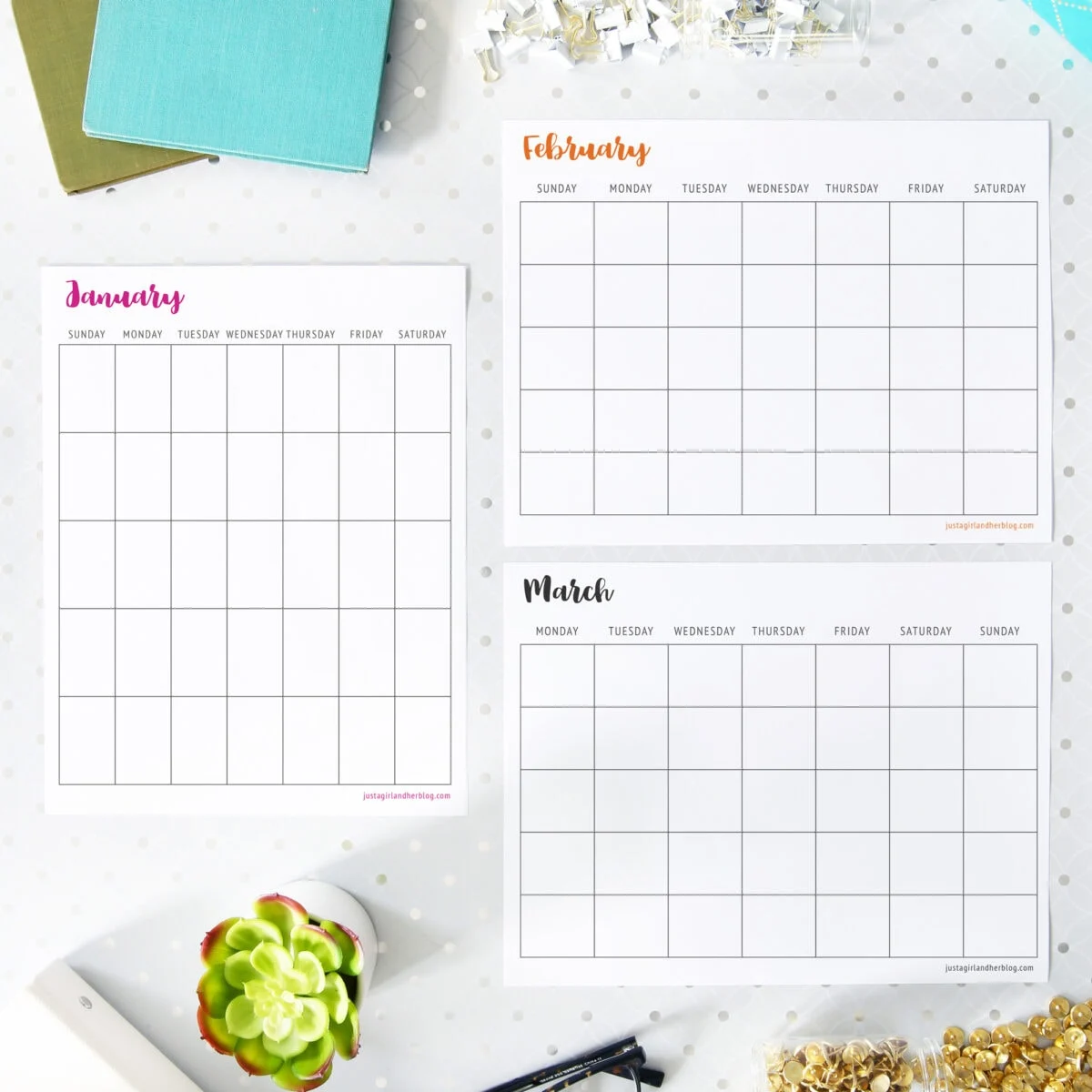
The release of these 2026 templates—ranging from traditional landscape layouts to vertical, binder-friendly designs—addresses a common pain point for professionals, students, and busy parents: the "one-size-fits-all" limitation of store-bought planners. By providing both dated and undated options, these resources allow users to customize their planning systems to fit their unique workflows rather than forcing their lives to conform to a pre-set template.
Chronology of Development: A User-Driven Initiative
The development of these 2026 calendars was not an arbitrary project but a response to consistent reader feedback over the past several years.

- Early Stages (2019-2021): The initial launch of the blog’s printable library focused on foundational, undated templates. These were created to provide maximum flexibility for users who wanted to begin their planning at any time of the year.
- The Mid-Cycle Shift (2022-2024): As the user base grew, data analysis showed a high volume of requests for specific regional and functional formats. Readers specifically sought out "Monday-start" calendars, which are the standard in many international regions and often preferred in corporate or educational environments.
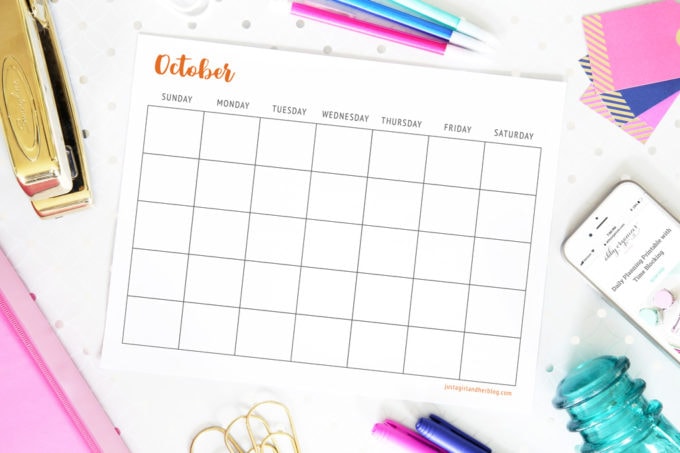
- The 2026 Expansion: Following a surge in demand for high-quality, professional-grade paper organizers, the latest collection was developed to include both landscape (horizontal) and portrait (vertical) orientations, addressing the need for both desk-blotter style planning and three-ring binder integration.
Supporting Data: Why Customization Matters
The effectiveness of a planning tool is largely dependent on its usability. According to productivity experts, the most common reason people abandon their calendars is a lack of alignment with their personal needs. The 2026 collection addresses this through four distinct configurations:
- Landscape, Sunday Start: The standard for most U.S.-based households, ideal for tracking family schedules, extracurricular activities, and broad monthly goals.
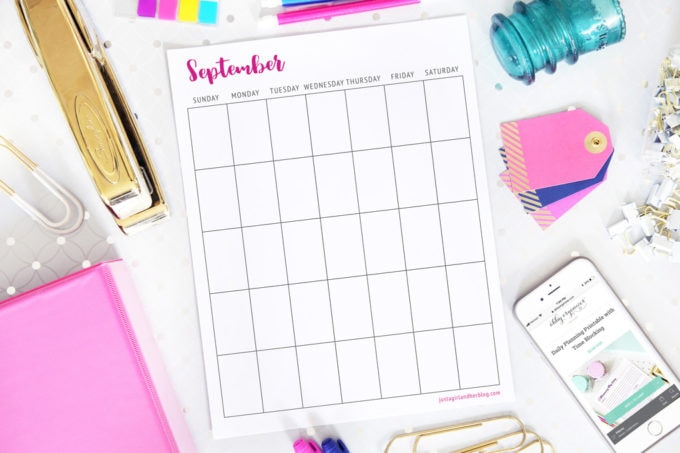
- Portrait, Sunday Start: A vertical layout that is optimized for hole-punching and insertion into standard binders, providing a seamless experience for those who prefer to keep their records in a single, portable file.
- Landscape, Monday Start: Tailored specifically for international users and students whose work or academic weeks are structured around a Monday-to-Friday block, followed by the weekend.
- Portrait, Monday Start: Combining the binder-friendly vertical orientation with the international week-start format for maximum utility in professional environments.
Furthermore, the inclusion of undated versions provides an ecological and economic advantage. By eliminating the constraints of a specific year, these templates remain evergreen, allowing users to print only what they need, exactly when they need it, thereby reducing paper waste and ensuring no page goes unused.

Official Guidance: Best Practices for Implementation
To maximize the efficacy of these tools, users are encouraged to view these calendars as a "hub" for their goal-setting process.
Breaking Down Macro Goals
The most successful planners treat their calendar as a bridge between high-level objectives and daily actions. For example, if an individual has a long-term goal of completing a professional certification by December, the monthly view serves as the perfect space to mark key milestones. By breaking a large, daunting project into smaller, manageable "bite-sized" tasks and spreading them across the weeks, the goal becomes significantly more attainable.

The Power of "List-Making"
For those who prefer a more detailed approach, the portrait-oriented (vertical) templates offer significant advantages. The extra vertical space allows for integrated to-do lists alongside the calendar grid. Experts suggest that keeping your schedule and your task list on the same page reduces the mental friction of switching between multiple documents or apps.
Implications for Personal and Professional Productivity
The shift toward printable organization has broader implications for modern life. As digital fatigue becomes a recognized concern, the "analog escape" provided by these printables offers a therapeutic benefit. Unlike a digital calendar, which is prone to pings, pokes, and advertisements, a printed calendar is a quiet, focused space.

Enhancing Mental Clarity
When you sit down to plan your week, you are engaging in a moment of reflection. By identifying the most critical tasks for the upcoming days, you are essentially "brain-dumping" your anxieties onto paper. This practice, often referred to as "externalizing the load," frees up mental bandwidth that would otherwise be spent trying to remember appointments or deadlines.
Accessibility and Equity
One of the most significant implications of this initiative is the democratization of high-quality planning tools. By offering these resources for free, the barrier to entry for effective organization is removed. Individuals who might not have the budget for high-end, luxury planners still have access to the same structural benefits. This fosters an environment where time management is accessible to all, regardless of economic status.

Frequently Asked Questions (FAQ)
Are these calendars compatible with all printers?
Yes. The templates are designed in standard formats that are compatible with both A4 and letter-sized paper, ensuring that whether you are in a home office or a corporate facility, you can easily produce high-quality prints.
Can these be used for professional project management?
Absolutely. While they are often used for personal life management, the simplicity of the grids makes them excellent for tracking project timelines, content calendars for creators, or deadline tracking for teams.
How should I store my printed pages?
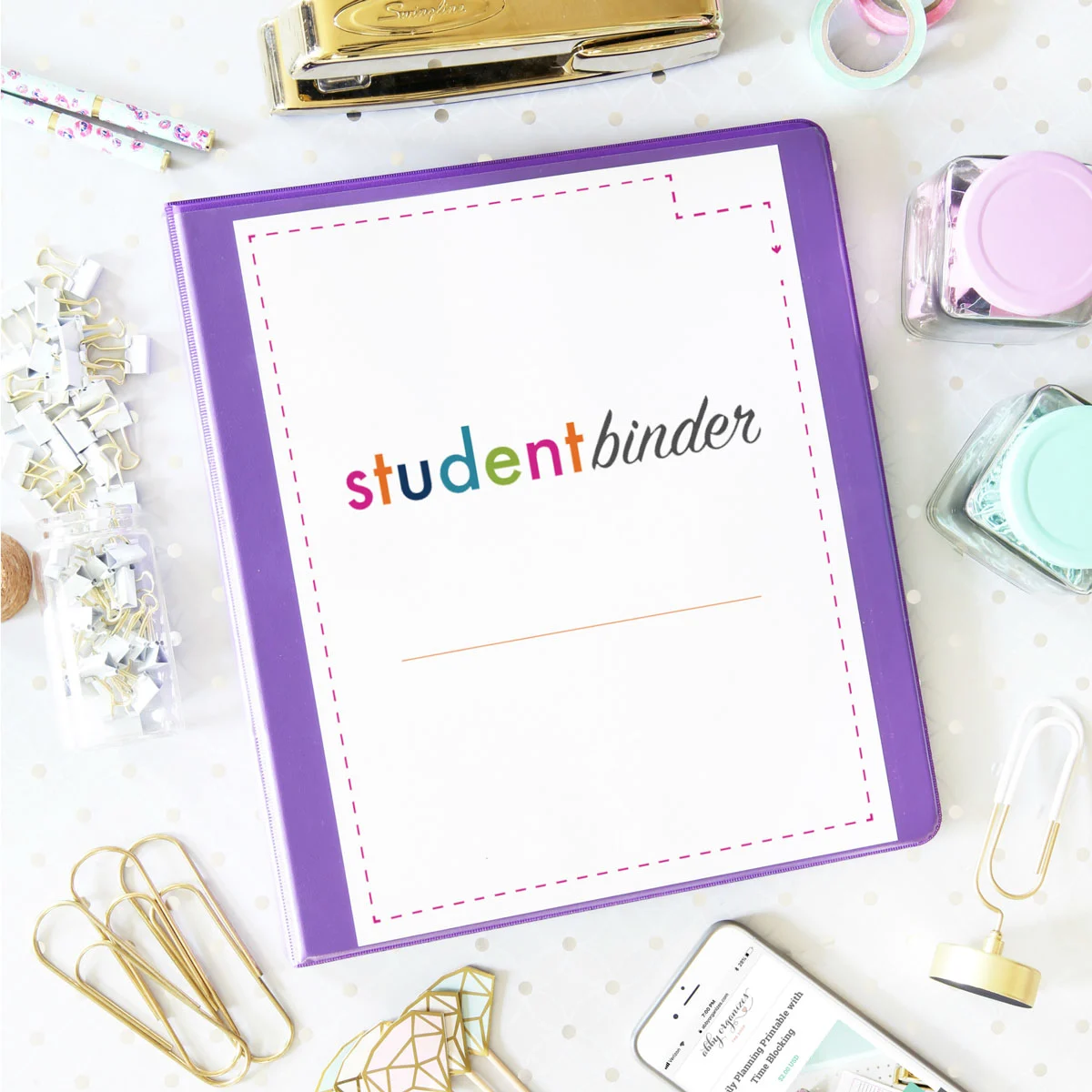
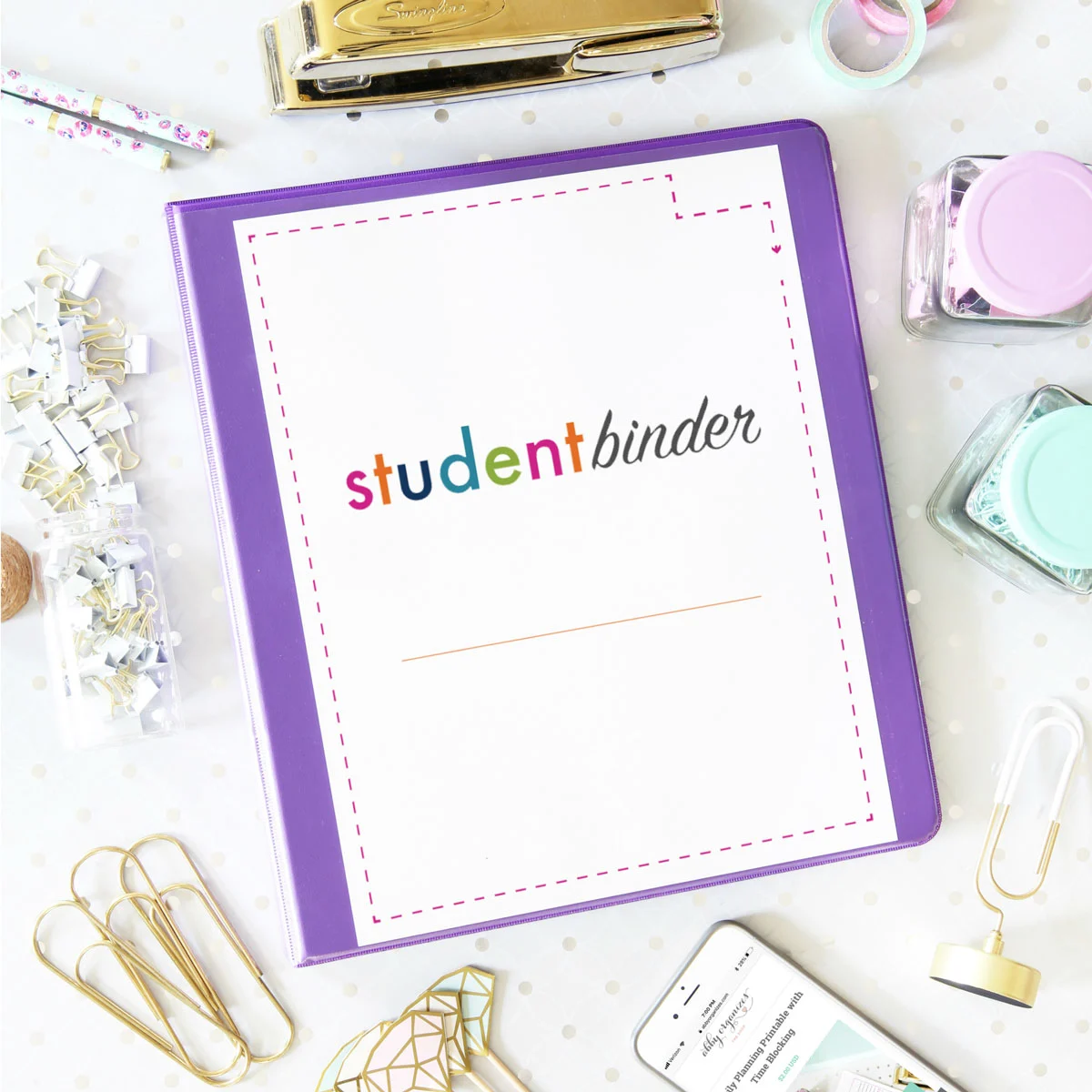
For the best results, many users invest in a dedicated binder or a clipboard. The portrait-oriented versions are specifically designed to work with standard three-hole punches, making them ideal for long-term storage in a binder.
Conclusion: Taking Control of Your Time
The beauty of these 2026 printable calendars lies in their simplicity. In a world that often feels like it is moving too fast, the ability to slow down, print a page, and physically map out your upcoming weeks is a powerful act of agency.
Whether you are an international user needing a Monday-start calendar, a student looking for a vertical layout to keep in your binder, or someone simply looking to declutter your schedule, these tools provide a stable foundation for success. As we look toward the upcoming year, the goal remains the same: to move away from chaotic, reactive living and toward a life of intentional, organized, and focused progress. By choosing the right tool for your unique needs, you are not just marking days on a page—you are actively designing the life you want to lead.