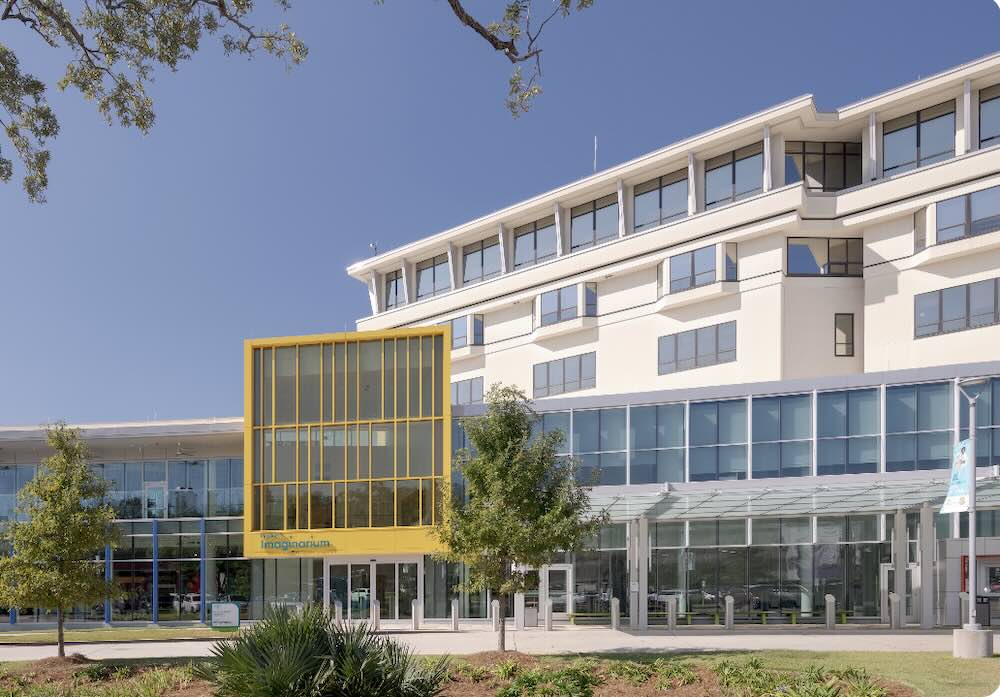
NEW ORLEANS — In the sterile, high-stakes environment of pediatric healthcare, where the rhythmic hum of medical monitors often drowns out the natural chatter of childhood, a groundbreaking sanctuary has opened its doors. Last week, families, medical professionals, and community leaders gathered in Louisiana to celebrate the grand opening of Walker’s Imaginarium at the newly renamed Manning Family Children’s Hospital.
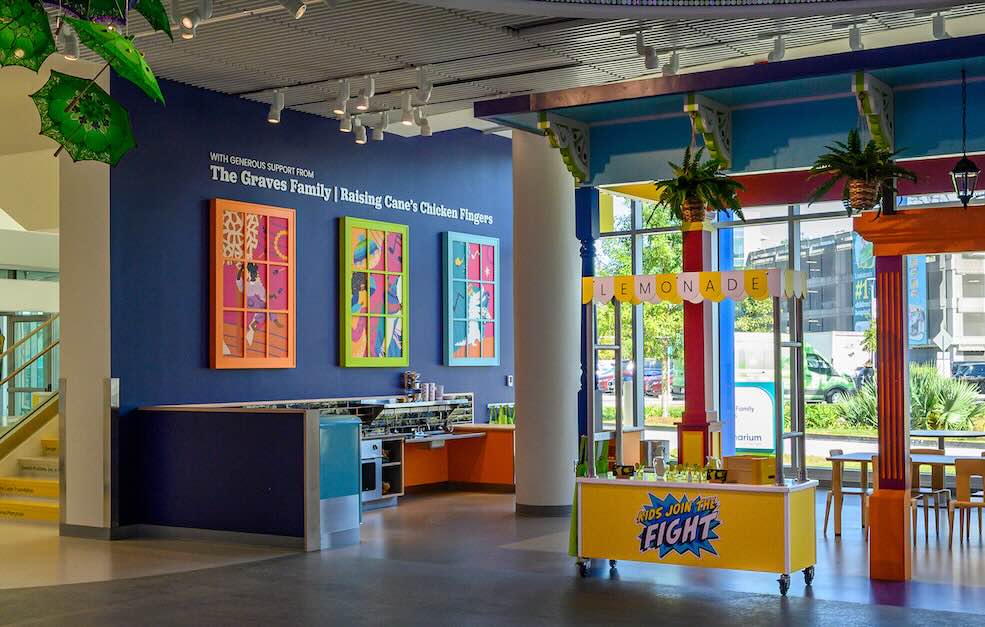
Spanning an impressive 15,000 square feet, this vibrant facility holds a remarkable distinction: it is the world’s first full-scale children’s museum built directly inside a hospital. Designed to spark joy, movement, and imagination, the Imaginarium shatters the traditional, institutional boundaries of pediatric care. Yet, behind its colorful ramps, interactive Louisiana bayous, and whimsical music displays lies a deeply moving origin story born from profound grief, incredible courage, and an unyielding desire to help others.
1. Main Facts: The Vision Behind Walker’s Imaginarium
Walker’s Imaginarium is not merely a playroom or a decorated hospital wing; it is a fully certified children’s museum. Achieving a historic milestone, the facility is the first hospital-based institution to join the prestigious Association of Children’s Museums.
Tailored specifically to accommodate a wide spectrum of physical, sensory, and medical needs, the museum ensures that a child’s diagnosis never stands in the way of play. Wheelchair-accessible mini-golf courses, adaptive foosball tables, and wide, colorfully painted ramps allow young patients—regardless of their mobility limitations—to fully immerse themselves in the experience.
The museum’s immersive zones are a love letter to Louisiana culture, featuring:
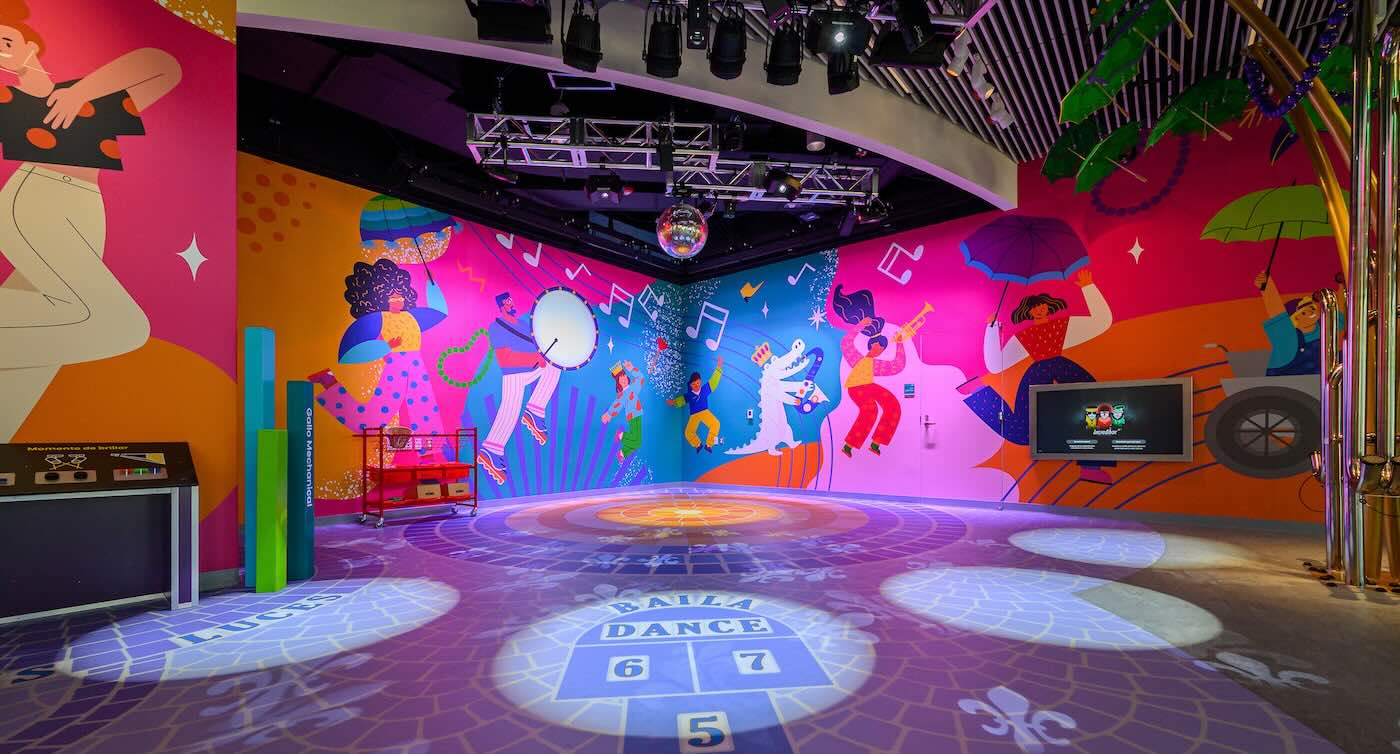
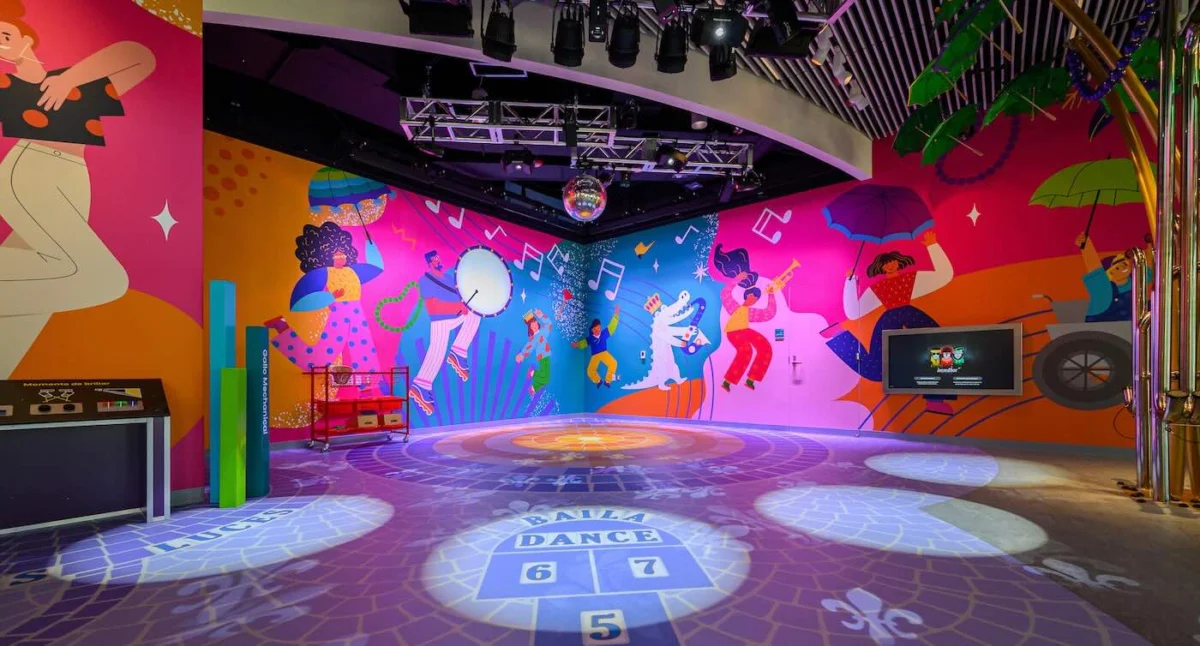
- The Music and Movement Tree: An interactive entry point where children can trigger marching band percussion pipes, dance under a canopy of New Orleans second-line umbrellas, and watch a massive LED butterfly beat its wings in sync with accessible swings and light shows.
- The Front Porch and Bayou: Complete with an interactive crawfish boil, a classic lemonade stand, airboat ride simulations, and an animated fish tank mimicking local aquatic life.
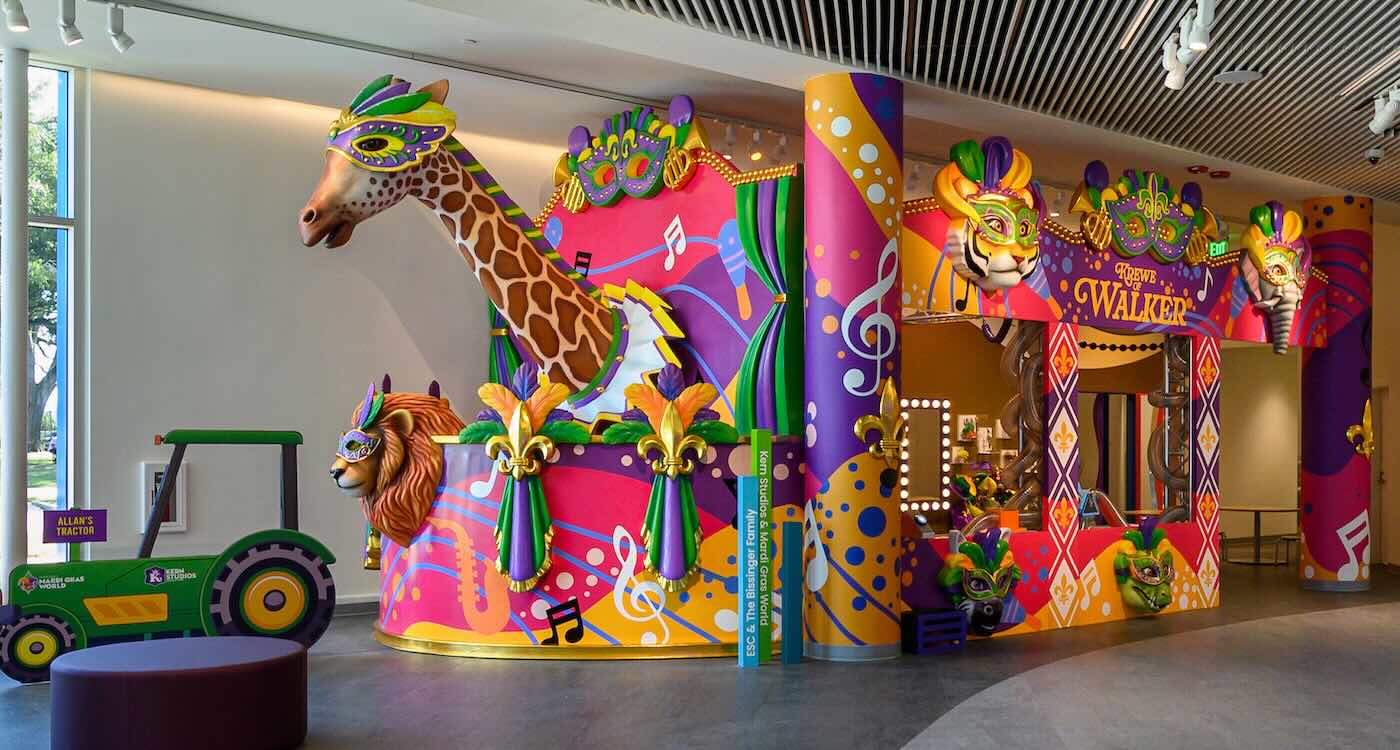
- The Mardi Gras Parade Zone: A festive area that captures the electric energy of Louisiana’s most famous celebration, allowing bedridden or recovering children to experience the magic of a parade without leaving the safety of the hospital.
- The Outdoor Terrace Mini-Golf Course: A nine-hole course celebrating state landmarks, featuring oversized alligators and culminating in a simulated fireworks finale over the Superdome.
- An Educational Classroom: Situated on the second floor, this dedicated space provides ongoing learning support for patients who have missed significant time in school due to prolonged medical treatments.
Open seven days a week for hospital patients, the Imaginarium also welcomes outside visitors who can purchase daily tickets online or reserve spaces for birthday parties, fostering a vital connection between pediatric patients and the broader community.
2. Chronology: From Diagnosis to a Dream Fulfilled
The journey to bring Walker’s Imaginarium to life is a testament to resilience, spanning over five years of tireless community mobilization, fundraising, and architectural innovation.
August 2019: The Journey Begins
The story of the Imaginarium begins with a brave nine-year-old boy named Walker Beery. In August 2019, Walker was diagnosed with pediatric brain cancer. Over the next two years, his life became defined by the rigorous realities of childhood illness: successive surgeries, exhausting hospital stays, and rounds of chemotherapy.
Seeking Fresh Air and Distraction
During his extended treatments at the hospital, Walker frequently longed for a simple escape—a place where he could experience fresh air, forget about his medical burdens, and simply feel like a kid again. Recognizing a systemic gap in the emotional and recreational infrastructure of pediatric hospitals, Walker and his family decided to take action. Before he ultimately succumbed to his illness, Walker and his parents founded Kids Join The Fight, a non-profit organization dedicated to raising funds for pediatric cancer research and improving the hospital experience for other children.
2021–2025: Mobilizing the Community
Following Walker’s passing, his family channeled their grief into purposeful action. Alongside the leadership of what is now the Manning Family Children’s Hospital, the Beery family rallied the local community, donors, and philanthropic organizations. Through grassroots fundraising campaigns, private donations, and partnerships with clinical design experts, the ambitious concept of a hospital-integrated museum began to take physical form.
November 2026: The Grand Opening
Five years after the initial spark of an idea, the doors to Walker’s Imaginarium officially opened. Transforming architectural blueprints into a reality of therapeutic play, the completed 15,000-square-foot space welcomed its first patients, turning years of sorrow and hard work into a legacy of unadulterated joy.
3. Supporting Data and Therapeutic Design
The creation of Walker’s Imaginarium was not left to aesthetic imagination alone; it is deeply rooted in evidence-based pediatric healthcare design. Healthcare professionals increasingly recognize that psychological well-being directly impacts physiological healing—a concept known in clinical circles as play-based healing.
- 15,000 Square Feet: The expansive footprint dedicated entirely to distraction, movement, and cognitive engagement.
- 1st in the World: The unprecedented integration of a full-scale children’s museum inside a working medical facility.
- 100% Philanthropic Funding: The entire multi-million dollar project was funded through community donations, corporate partnerships, and the tireless efforts of Kids Join The Fight.
- Accessibility Metrics: The museum was constructed with 100% ADA-compliant pathways, sensory-friendly lighting zones, and specialized medical gas hookups embedded within the play areas, ensuring nurses and doctors can monitor high-acuity patients even while they play.
By gathering extensive feedback from clinical experts, child life specialists, and patient families, the design team successfully transformed clinical challenges—such as long hallways, sterile walls, and isolation from peers—into opportunities for interactive rehabilitation.
4. Official Responses and Community Impact
The emotional weight of the opening resonated deeply with everyone involved in bringing the project to fruition. The community response has been overwhelming, characterized by profound admiration for the Beery family’s selflessness.
Taylor Beery, Walker’s father and co-founder of Kids Join The Fight, spoke eloquently about his son’s enduring legacy during the opening ceremonies:
"Walker’s spirit is carried forward in the joy that is embedded in this amazing project. Every child who finds a moment of escape, every family that experiences joy together carries Walker’s dream forward: to use his own experience to make someone else’s a little easier, and a little happier."
Lucio Fragoso, CEO of the Manning Family Children’s Hospital, emphasized the critical philosophy driving the facility’s integration of the museum:
"Walker Beery took some of the hardest moments of his own life and turned them into something extraordinary for children he would never meet. Even on the hardest days of a child’s life, there should still be room for childhood."
Medical staff within the hospital have already noted the immediate psychological shift among patients. Child life specialists report that children who previously exhibited high anxiety regarding procedures are now eager to complete their physical therapy milestones so they can visit the bayou exhibit or play a round of mini-golf on the terrace.
5. Implications for the Future of Pediatric Healthcare
The opening of Walker’s Imaginarium marks a potential paradigm shift in how pediatric hospitals are designed worldwide. For decades, medical architecture has prioritized operational efficiency, infection control, and clinical precision—often at the expense of a patient’s emotional landscape.
By successfully integrating a fully accredited children’s museum into a functioning medical center, Manning Family Children’s Hospital has established a new gold standard for holistic pediatric care. Industry experts predict that other major medical institutions will look to the New Orleans model when designing future children’s hospitals or undergoing major renovations.
Furthermore, the dual-access model—allowing limited daily ticket sales for outside visitors—builds a vital bridge between the isolated world of pediatric patients and the outside community. Sick children often suffer from intense loneliness and detachment from their peers; by inviting the outside world in, the Imaginarium combats social isolation, normalizes the hospital environment, and reduces the stigma often associated with chronic childhood illnesses.
Ultimately, Walker’s Imaginarium proves that out of unimaginable tragedy can emerge transformative, life-affirming innovation. Through the vision of a brave nine-year-old boy and the unwavering dedication of his community, thousands of children facing the darkest days of their lives will now have a place where they can rediscover the healing power of play.