After nine and a half years of consistent, high-frequency blogging, the creator behind the influential personal finance site Frugalwoods has announced a significant shift in the platform’s editorial direction. Following an unplanned two-month hiatus, the author is pivoting away from the personal diary-style content that defined the brand’s early years, opting instead for a model focused on community case studies and long-term financial advocacy.
The Evolution of a Financial Brand
When Frugalwoods launched nearly a decade ago, it served primarily as a digital ledger of the author’s life. It was a space to document the transition from urban professional life to a rural homesteading lifestyle. For many readers, the blog acted as a window into the mechanics of achieving financial independence (FI) through extreme frugality, intentional living, and the rejection of consumerist culture.
The author notes that while this “money diary” format was instrumental in helping readers understand her own financial psyche, the nature of the work has run its course. As her children grow and her life has stabilized into a predictable, content rhythm, the impetus to "mine her life for content" has diminished. She argues that the most valuable lessons from her journey have already been documented—both on the blog and in her published book—and that she is ready to move from being the subject of the story to a facilitator of others’ success.

A Chronology of the Hiatus
The transition was born out of a realization during an unannounced break that began in late 2023. What was intended as a one-week reprieve from the demands of publishing three times weekly stretched into a two-month sabbatical.
- 9.5 Years: The duration of the author’s consistent, near-daily commitment to the platform.
- Late 2023: The start of an unplanned, extended hiatus that forced a re-evaluation of the site’s future.
- Early 2024: The formal announcement of a "new iteration" of Frugalwoods, marked by a reduced, monthly publication schedule focusing on Reader Case Studies.
The author admits that the silence of the hiatus provided the necessary space to discern her true intentions. "Sometimes one must have some absence in order for one to realize what one misses," she wrote in her return statement, emphasizing that while the days of thrice-weekly updates are over, she remains committed to the community she built.
Shifting Focus: The Case Study Model
The cornerstone of the new Frugalwoods strategy is the "Reader Case Study." By shifting the spotlight from the author’s personal finances to those of her audience, the platform aims to provide a broader, more diverse range of financial advice.

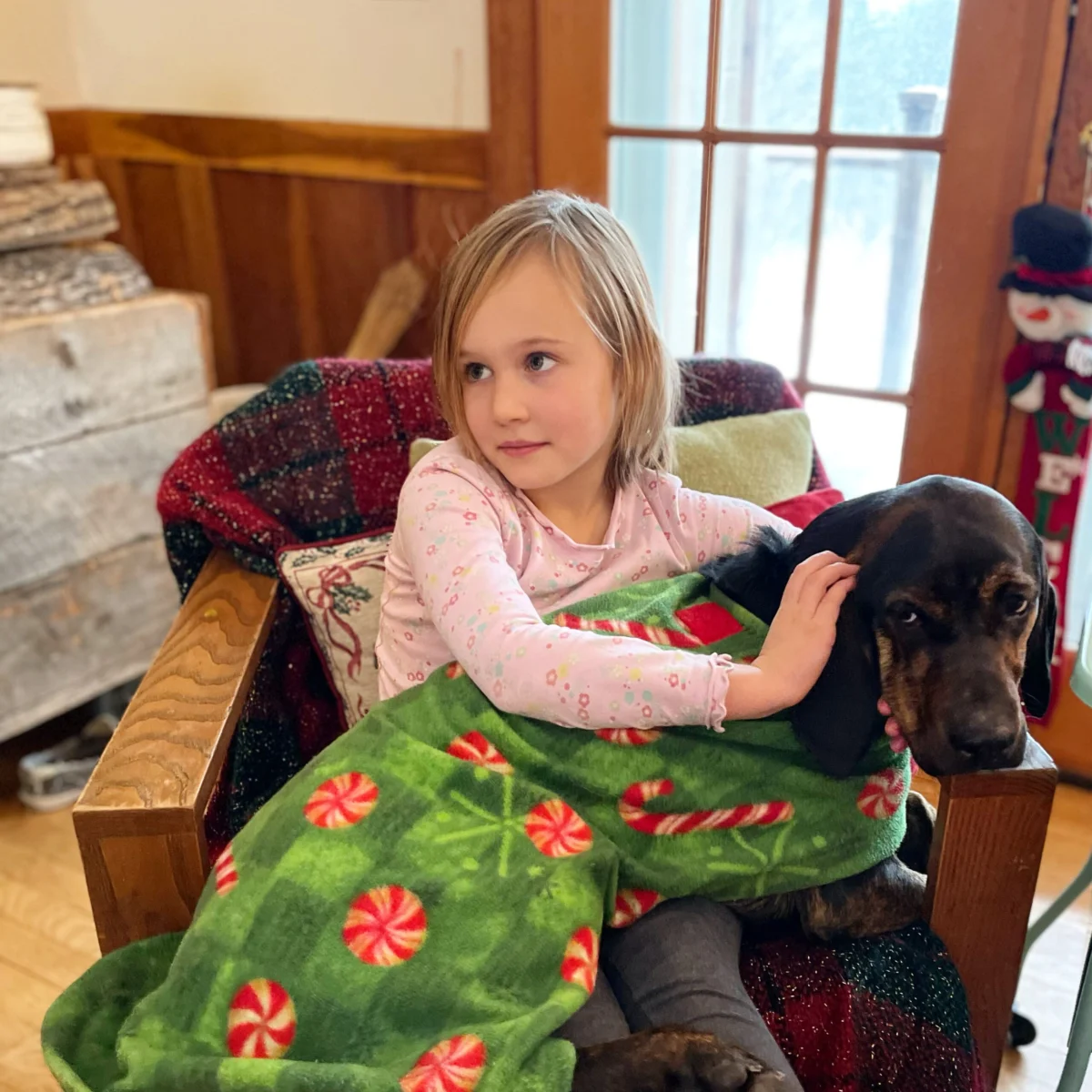
The rationale is twofold. First, it addresses the author’s growing discomfort with sharing the nuances of her children’s lives and her own private daily routine. Second, it acknowledges that the "striving phase" of her own life—the period of intense goal-setting and rapid financial change—has settled into a phase of maintenance and gratitude. "Boring and happy often doesn’t translate into interesting content," she noted, highlighting the inherent challenge of maintaining a personal lifestyle blog once the "thrill of the chase" is over.
The Uber Frugal Month (UFM): A Consistent Pillar
Despite the shift in editorial tone, the author is doubling down on the Uber Frugal Month (UFM) challenge. The UFM remains a centerpiece of the platform, acting as a structured, 31-day, email-based program designed to help participants overhaul their finances.
The UFM is not merely a budgeting exercise; it is a holistic re-evaluation of the user’s relationship with money. By providing a 31-day roadmap, the program targets:

- In-sourcing: Reducing reliance on external services by performing tasks at home.
- Conscious Spending: Eliminating frivolous expenditures that do not align with personal values.
- Behavioral Change: Breaking the cycle of consumerism that often leads to stress and debt.
The program has seen thousands of participants, many of whom return annually as a "refresher course" to maintain discipline or re-align their financial habits.
Data and Testimonials: The Impact of Frugality
The efficacy of the Frugalwoods approach is best illustrated through the success stories of its participants. The feedback from the community suggests that the UFM provides tangible, measurable benefits.
Participants have reported significant financial gains, with one user noting a savings of over $1,600 during a single month, including a $975 reduction in food costs alone. These testimonials suggest that the value of the platform lies not in the author’s specific choices, but in the framework she provides for others to apply to their own unique circumstances.

Key participant feedback themes include:
- Empowerment vs. Restriction: Many users report that the UFM does not feel like a deprivation diet, but rather a tool for taking control of their lives.
- Community Support: The optional private Facebook group acts as a support network for participants, providing a "warm and fuzzy" environment that encourages accountability.
- Goal Clarity: By forcing a pause in spending, participants are able to re-examine their long-term life goals, often shifting focus toward paying down debt or increasing savings for major life milestones.
Implications for the Personal Finance Industry
The pivot of Frugalwoods represents a broader trend in the personal finance influencer space. As the "fire" (Financial Independence, Retire Early) movement matures, many creators are finding that the "journey to FI" is more compelling than the "arrival at FI."
When a creator reaches the goal they have been writing about for nearly a decade, the editorial well often runs dry. By transitioning into a service-oriented model—where the community provides the content through case studies—the creator is able to sustain the brand without the need for constant, forced personal disclosure.

For the readers, this change signifies a shift from passive consumption of one family’s lifestyle to active participation in a broader, peer-to-peer financial ecosystem. The author is essentially evolving from a "lifestyle blogger" into a "community manager and educator."
Looking Ahead: The Future of Frugalwoods
While the author has officially stepped back from the relentless pace of a full-time content creator, the doors remain open. She has explicitly adopted a "never say never" approach to her own future writing. If new challenges arise or if she finds a new discovery worth sharing, she remains open to returning to personal narrative writing.
For now, the focus is squarely on the January UFM challenge and the monthly case studies. This new, more sustainable pace aligns with the very principles of financial independence that the site has championed for years: efficiency, intention, and the ability to choose how one spends their most valuable resource—time.

By offloading the pressure to constantly produce personal content, the author has ensured the longevity of the Frugalwoods community. Whether this will lead to a more robust, diversified platform or simply a quieter, more curated experience remains to be seen. However, given the track record of the past decade, it is likely that the transition will serve as a model for other bloggers seeking to move beyond the "personal diary" phase of their careers while maintaining a meaningful connection with their audience.
As the new year begins, the community looks forward to a leaner, more focused Frugalwoods—one that promises to be less about the author’s breakfast habits and more about the collective, actionable wisdom of its global readership.