In a significant move that underscores the evolving relationship between software developers and their power users, Day One has officially announced the return of "Day One Labs" to its Silver subscription tier. This decision marks a reversal of a policy shift implemented earlier this year, acknowledging the vital role that dedicated journalers play in the iterative design process of the popular digital journaling platform.
For subscribers who have long relied on the app to document their personal histories, the return of Labs represents more than just a feature update—it is a restoration of a collaborative partnership between the product team and its user base.
Main Facts: The Return of the Experimental Workshop
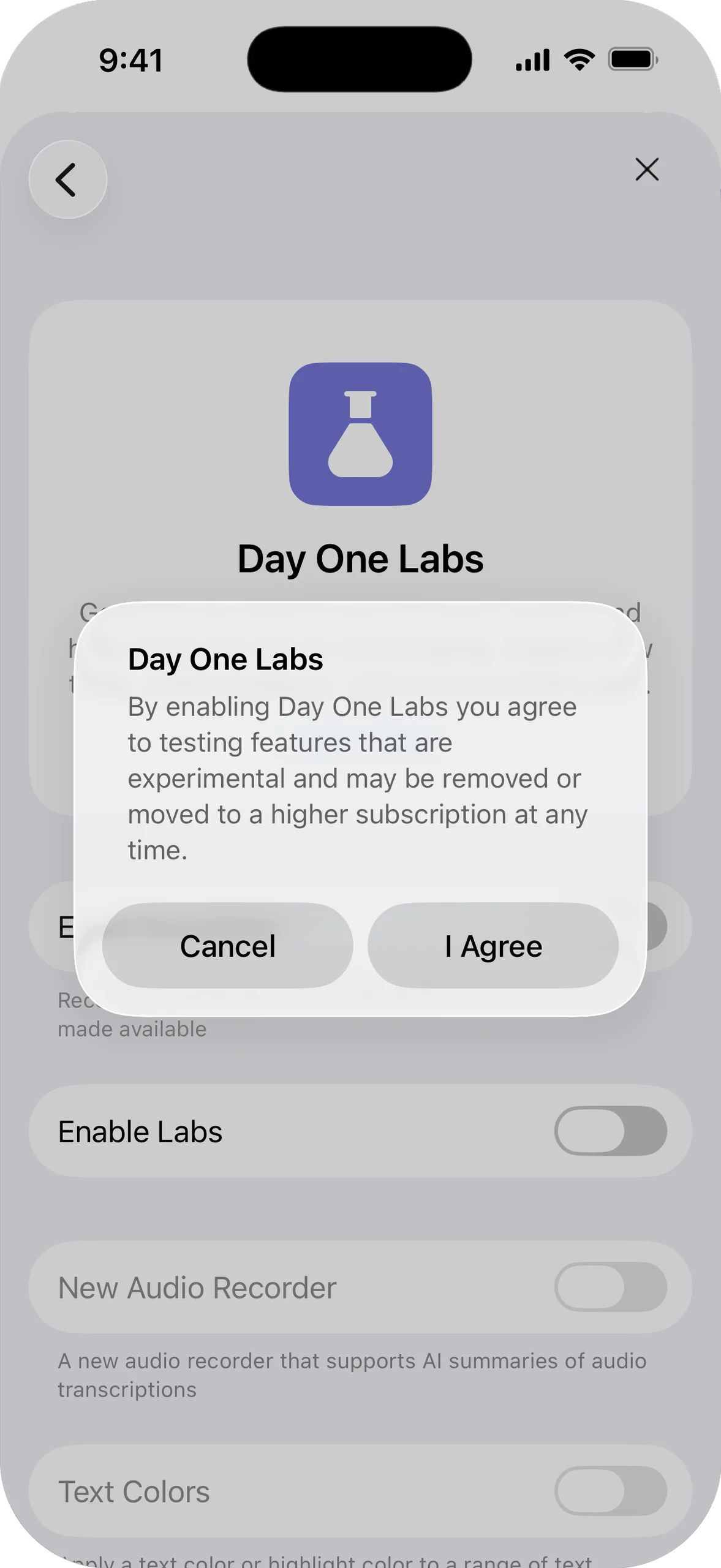
Effective immediately, Day One users with an active Silver subscription gain full access to the Labs experimental environment, provided they are running version 2026.17 or later. This tier access is provided at no additional cost, ensuring that the barrier to entry for testing new, unfinished, and innovative features remains as low as possible.
Day One Labs functions as an active, "live" workshop. It is the designated sandbox where the development team tests concepts before they reach full maturity. By allowing Silver subscribers to engage with these features, the company is crowdsourcing quality assurance and user experience (UX) research. The core premise is simple: the individuals who journal daily are the most qualified to determine whether a feature is a transformative tool or an unnecessary hurdle.
The company has been clear about the nature of these tools:
- Experimental Status: Features in Labs are works-in-progress. They may be refined, graduated to the permanent feature set, or, in some cases, moved to higher subscription tiers.
- Transparency: The developers have pledged to notify users at three critical junctures: upon enabling Labs, via the presence of a "Labs" badge on experimental features, and through in-app notifications if a feature is slated to graduate or change.
- Privacy First: Despite the inclusion of experimental AI tools, the company maintains its strict privacy posture. No user content is used to train machine learning models, and data is only processed upon explicit user request.
Chronology of the Shift: From Premium to Gold and Back
To understand why this announcement is garnering significant attention, one must look at the recent history of Day One’s subscription architecture.
Historically, Labs was a staple feature of the Premium subscription. It served as a community hub where early adopters could influence the roadmap of the application. However, in March of this year, Day One underwent a structural reorganization of its subscription tiers, introducing "Silver" and "Gold" levels. During this transition, access to Labs was moved exclusively to the Gold tier.
This decision was met with immediate, vocal, and constructive criticism from the user community. Many long-time users who had spent months providing feedback on experimental features suddenly found themselves locked out of the very environment they had helped shape. The frustration was compounded when several popular experimental features graduated into the Gold tier on the same day the restriction was implemented, effectively pricing out the very community that had vetted the tools.
The current announcement is a direct response to that feedback. The company has acknowledged that the separation caused a "real loss" in the collaborative process. By bringing Labs back to the Silver tier, Day One is effectively admitting that the value of community-driven development outweighs the benefit of keeping experimental features behind a higher paywall.
Supporting Data: Why "Journaling Out Loud" is the Current Focus
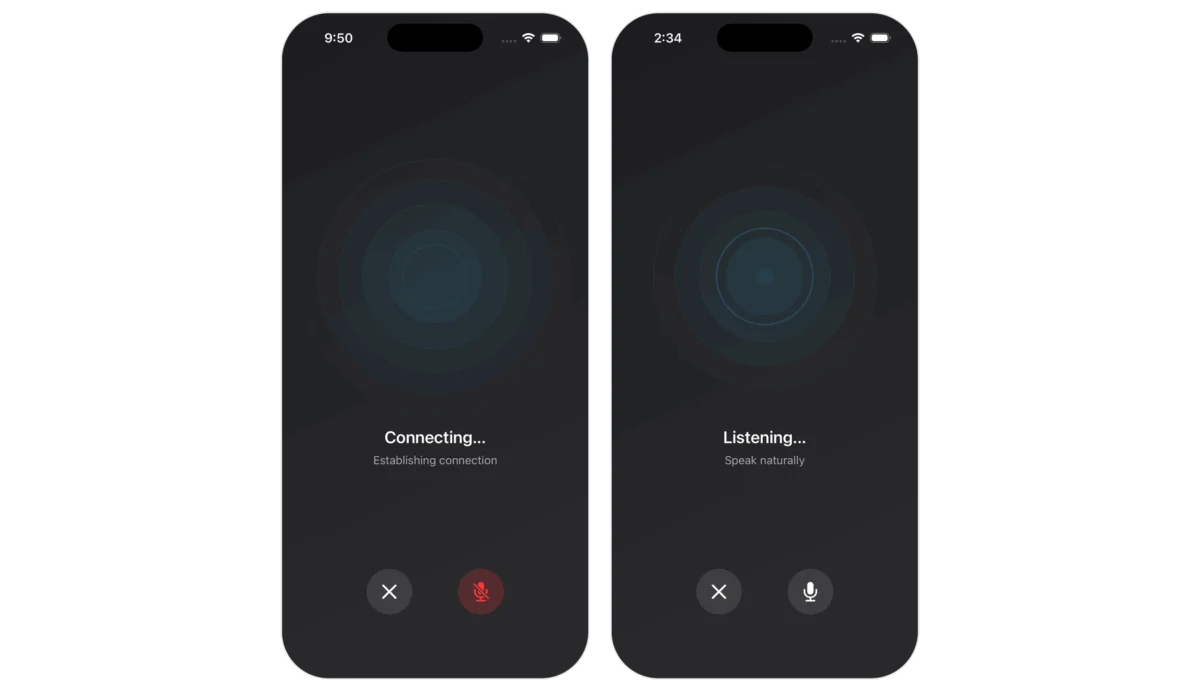
The current iteration of Labs is heavily focused on a single, compelling theme: "journaling out loud." The developers have identified a common friction point in digital journaling—the paralysis of the blank page.
Data from user feedback indicates that while typing is the standard for journaling, the speed of thought often outpaces the speed of the keyboard, leading to truncated entries or, worse, the abandonment of the habit entirely. To address this, the current Labs suite includes two primary features:
- New Audio Recorder (iOS/iPadOS): A completely rebuilt audio capture tool designed to record high-fidelity reflections. Critically, it now includes AI-generated summaries, allowing users to revisit the "shape" of a six-minute recording without needing to listen to the entire file.
- AI Format Transcription: This tool takes raw, spoken-word transcription and applies professional formatting—including punctuation, grammar correction, and suggested titles. Crucially, the developers emphasize that the words remain the user’s; the AI serves only as an editor to ensure the content is readable and archive-ready.
The focus on these tools is rooted in the belief that transcription, if left raw, becomes a "wall of text" that the user is unlikely to revisit. By making these entries structured and searchable, the team aims to lower the barrier to entry for daily reflection.
Official Responses: A Philosophy of Co-Creation
The leadership at Day One has characterized this reversal as a fundamental commitment to their user base. In a public statement, the team noted that "Day One has never been one thing." Because no two people use a journal in the same way, the product must remain flexible.
"When a few hundred people try something and tell us how it went, we learn whether it works," the team explained. "When thousands do, we learn whether it belongs in people’s lives."
This statement highlights the shift in the company’s internal philosophy. They have moved away from viewing Labs as a "perk" or a marketing "preview" and toward viewing it as an essential component of the software development lifecycle. By treating the user base as an extension of the product team, Day One is attempting to build a more resilient and responsive platform. They explicitly welcomed the "blunt" feedback they received, stating that being told where they have "gotten it wrong" is a vital part of the growth process.
Implications: The Future of Subscription Software
The return of Labs to the Silver tier has broader implications for the subscription software industry. As SaaS (Software as a Service) models continue to dominate, companies often struggle to balance the need for revenue growth with the need for community loyalty.
1. User Retention through Participation
By giving power users a voice in the development process, Day One is effectively increasing the "switching cost" of the application. A user who has invested time into testing features and providing feedback is significantly less likely to churn, as they feel a sense of ownership over the product’s evolution.
2. The "Graduation" Model
The model of moving features from an experimental "Labs" environment into a paid "Gold" tier is a high-stakes strategy. It relies on the feature being so valuable that users are willing to pay for it once it is polished. However, as the recent history shows, this requires a delicate balance. If a company attempts to monetize a feature too early, or locks away the community that built it, they risk alienating their most ardent supporters.
3. Privacy in the Age of AI
Day One’s careful navigation of AI integration provides a template for other apps. By keeping the AI toggle optional, transparent, and strictly prohibited from training external models, the company is maintaining the high level of trust required for a journaling app. In an industry where privacy is often sacrificed for "smart" features, Day One is betting that their users will prefer a slower, more deliberate, and more private approach to innovation.
4. Cross-Platform Parity
It is worth noting that for now, these features are limited to iPhone, iPad, and Mac. The company has stated that Android and Windows users will receive Labs features as they become "ready to test." This highlights the operational challenges of maintaining experimental features across multiple operating systems, a hurdle that the company intends to address in future updates.
Conclusion
The reinstatement of Day One Labs for Silver subscribers is a rare, positive example of a software company listening to its user base and adjusting its business model accordingly. By re-opening the workshop, Day One is not just fixing a subscription error; they are reinforcing the idea that a journal is a personal archive, and the software used to keep it should be built in conversation with the people who write the entries.
As the digital journaling market becomes increasingly crowded, this focus on community-led development may prove to be Day One’s greatest competitive advantage. For now, the "Labs" are open, the feedback loops are active, and the next chapter of the application’s evolution is once again being written by those who use it most.