In an era where digital life is increasingly fragmented across specialized silos, the act of personal reflection has become disconnected from our lived experiences. Fitness enthusiasts, in particular, have long navigated two parallel worlds: the data-driven realm of performance metrics found in apps like Strava, and the reflective, narrative-focused world of personal journaling. Today, Day One, the industry-leading journaling platform, has announced a significant evolution in its ecosystem: a direct, automated integration with Strava. This update promises to bridge the gap between "the stats" and "the story," allowing users to synthesize their physical achievements with their personal growth.
Main Facts: A Seamless Synthesis of Data and Reflection
The integration, rolling out in version 2025.22, marks a strategic pivot for Day One, moving beyond text-based memory keeping into the realm of automated lifestyle logging. By connecting their Strava accounts to the Day One platform, users can now have every run, ride, hike, and walk automatically imported as a distinct journal entry.
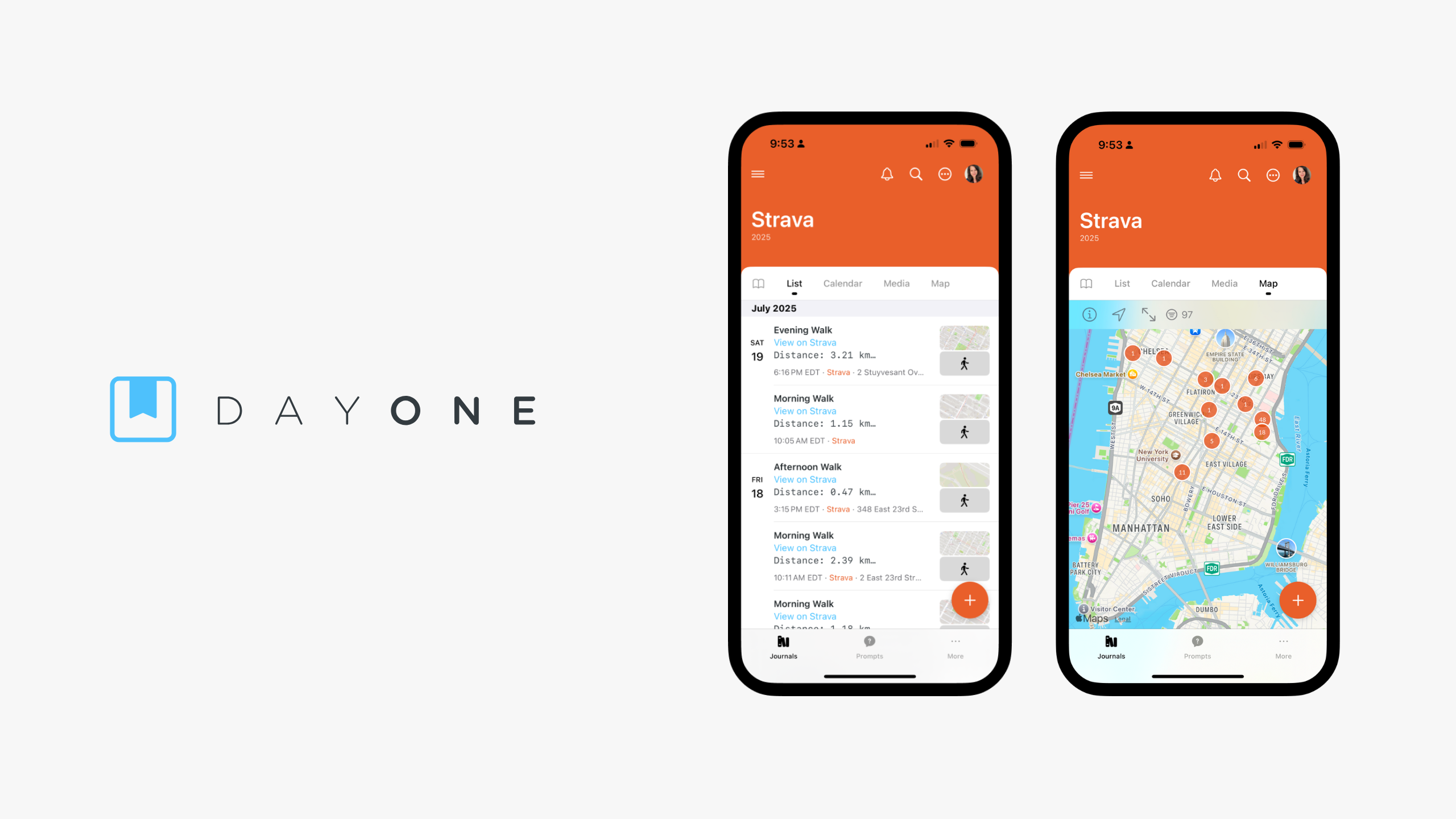
This is not merely a data dump; the integration is designed to be the foundational layer for a more holistic diary. When an activity is synced, it arrives in the user’s timeline with the relevant performance metrics, route data, and even media captured during the exercise. From there, the entry becomes a living document. Users are encouraged to append personal notes, mood trackers, and photos, effectively turning a cold, calculated workout log into a rich, contextual story.
The feature is currently available to users subscribed to the Day One Silver plan, ensuring that those who prioritize long-term documentation have access to the tools necessary to preserve their journey. The update spans across the platform’s primary interfaces, including iOS (iPhone and iPad) and the robust Web application, with Android support slated for a near-term release.

Chronology: The Evolution of Digital Memory
The journey toward this integration has been driven by a long-standing user request: the desire for "contextualized fitness." For years, the Day One community has manually imported data or screenshots from fitness apps, recognizing that the emotional weight of a "personal best" or the therapeutic value of a long, solitary hike is often lost when the activity is relegated solely to a performance dashboard.
Development accelerated in early 2025, as the Day One engineering team focused on creating a robust API bridge between the two platforms. The goal was to minimize the "friction of capture"—the primary reason many people abandon their journaling habits. By automating the entry creation, Day One removes the barrier of entry, ensuring that even on the most exhausting days, the record of physical activity remains intact.

Following a rigorous beta testing phase, the integration was finalized in late August 2025, with the official rollout commencing shortly thereafter. This timeline reflects a broader trend in the tech industry: the shift from "passive consumption" of data to "active interpretation" of that data within a personal life-logging framework.
Supporting Data: Why Context Matters
The necessity of this integration is backed by shifting trends in wellness and digital archiving. According to recent industry analysis, the overlap between fitness app users and personal development journalers is at an all-time high. However, nearly 60% of fitness app users report that they "lose the emotional connection" to their workouts within 48 hours of completing them.

By contrast, users who journal their physical activity show a higher retention rate in both their exercise routines and their journaling habits. This "compounding interest" effect is the core value proposition of the Day One-Strava partnership.
Technical performance is also a priority. The integration does not simply "copy-paste" content; it re-renders route maps based on the activity data, ensuring that the visual representation of a user’s path is high-quality and consistent with Day One’s aesthetic standards. Furthermore, the system is built to handle the "backfilling" of historical data, meaning that when a user connects their account for the first time, they aren’t starting from scratch—they are importing the narrative of their entire fitness history into their current journal.

Official Perspectives: The Philosophy of the Integration
The leadership at Day One has framed this update not as a "fitness feature," but as a "life-logging milestone."
"Our mission has always been to help you document life as you live it," a spokesperson for the company stated during the launch. "A workout is rarely just a workout. It is a moment of stress relief, a challenge overcome, or a quiet period of meditation before a busy day. By integrating with Strava, we are allowing our users to see their physical journey as an integral, inseparable chapter of their larger life story."

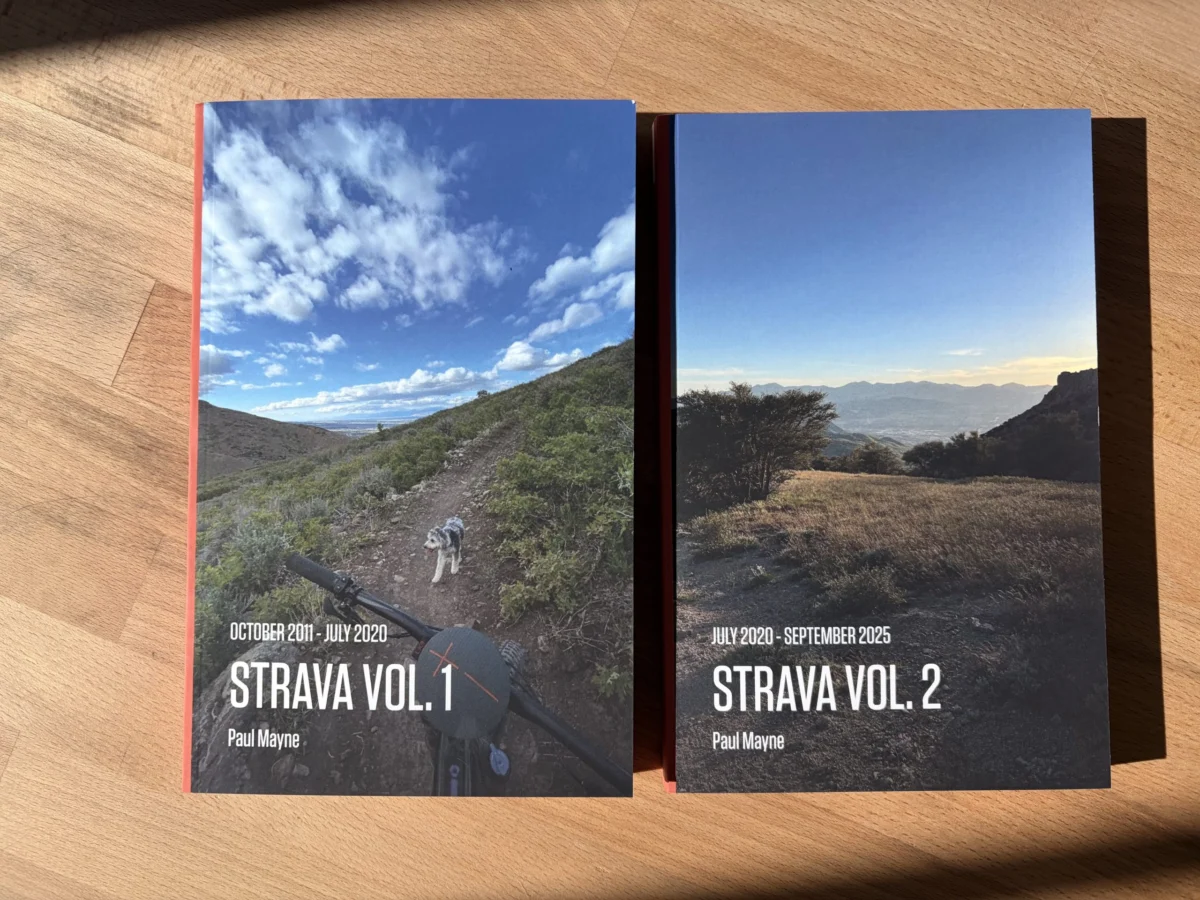
The partnership also addresses the issue of data longevity. Fitness apps are ephemeral; they are designed for the current training block. A journal, conversely, is an archive. By pulling data into Day One, users are effectively "archiving" their physical health for the long term. This is further supported by the company’s physical printing services. A user can now take a year of Strava-logged cycling, complete with photos and reflective diary entries, and convert that into a high-quality, tangible coffee table book.
Implications: The Future of Holistic Self-Tracking
The implications of this integration extend far beyond the convenience of automated logging.

1. The Death of the "Isolated Metric"
For decades, physical activity has been measured by objective metrics: distance, heart rate, and pace. This integration signals a move toward subjective measurement. When a runner sees a 5k run synced to their journal, they are prompted to reflect on how they felt. This creates a data set that is far more valuable for long-term health tracking than heart rate alone.
2. Enhancing "On This Day" Features
Day One’s popular "On This Day" feature, which resurfaces memories from previous years, will now gain a new dimension. A user might be reminded of a difficult marathon they ran exactly two years ago, but now they can see the accompanying journal entry where they wrote about their training struggles and the emotional support they received from friends. This multi-layered memory retrieval is a significant upgrade to the user experience.

3. The Shift Toward "Life-Operating Systems"
As personal software becomes more interconnected, apps like Day One are moving closer to becoming a "Life OS." By pulling in data from fitness, location, and social media, the journal acts as the central repository for the digital self. This integration is a crucial step in that evolution.
4. Accessibility and Inclusion
By automating the process, the integration makes "conscious exercise tracking" accessible to those who might otherwise find the administrative burden of manual logging too high. It lowers the barrier to entry, potentially encouraging a wider demographic to engage with both their physical health and their mental well-being simultaneously.

Final Thoughts: A Journey Recorded
As we look toward the future, the boundary between our digital performance and our human experience will continue to blur. The Day One and Strava integration serves as a powerful reminder that while data tells us what we did, the journal tells us why it mattered.
Whether you are a professional athlete tracking marginal gains or someone simply trying to make walking a consistent part of your daily routine, this integration provides the architecture to turn every step into a story. By capturing the nuance of the experience alongside the precision of the stats, Day One has once again proven that the most important metric of our lives isn’t how fast we go, but how deeply we remember the journey.

For users eager to begin, the process is straightforward: navigate to the integration settings in the Day One app, authorize the link to your Strava account, and watch as your physical narrative begins to populate your journal. It is, quite literally, your life—put into motion.